Shielding Health: The INFAB Blog

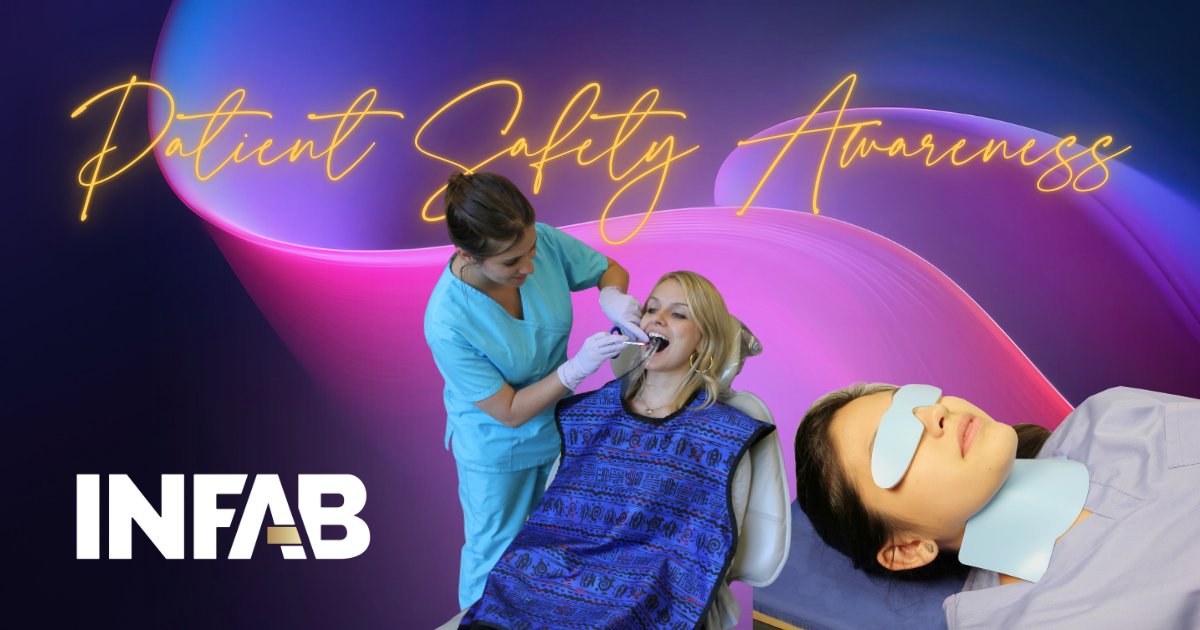
Patient Safety Awareness Week: Putting Patient Protection at the Center of Every Imaging Procedure
At INFAB, we know your patient's health and wellbeing is a top priority during imaging procedures. We take pride in providing radiation protection you can rely on for both you and your patients.
Why Proper Garment Tracking Matters and How Smart Track Makes It Simple
Discover why proper radiation garment tracking is essential for safety and compliance. Learn how INFAB’s free Smart Track system and updated stickers make managing your protective garments easier and more accurate.


Protecting Your Vision: Why Radiation Safety Eyewear Is Essential in Medical Imaging
Recent research has shed light on how radiation protection glasses can dramatically reduce exposure to the eye lens, but not all glasses are created equal. The study highlights key factors that influence protection effectiveness, offering valuable insights for healthcare professionals choosing eyewear for their practice.
Is Invasive Angiography on Its Way Out?
The days of catheter-based coronary diagnostics may be numbered. With AI-powered coronary CT angiography (CCTA) gaining traction, experts predict invasive angiography could soon be reserved only for interventions like PCI.

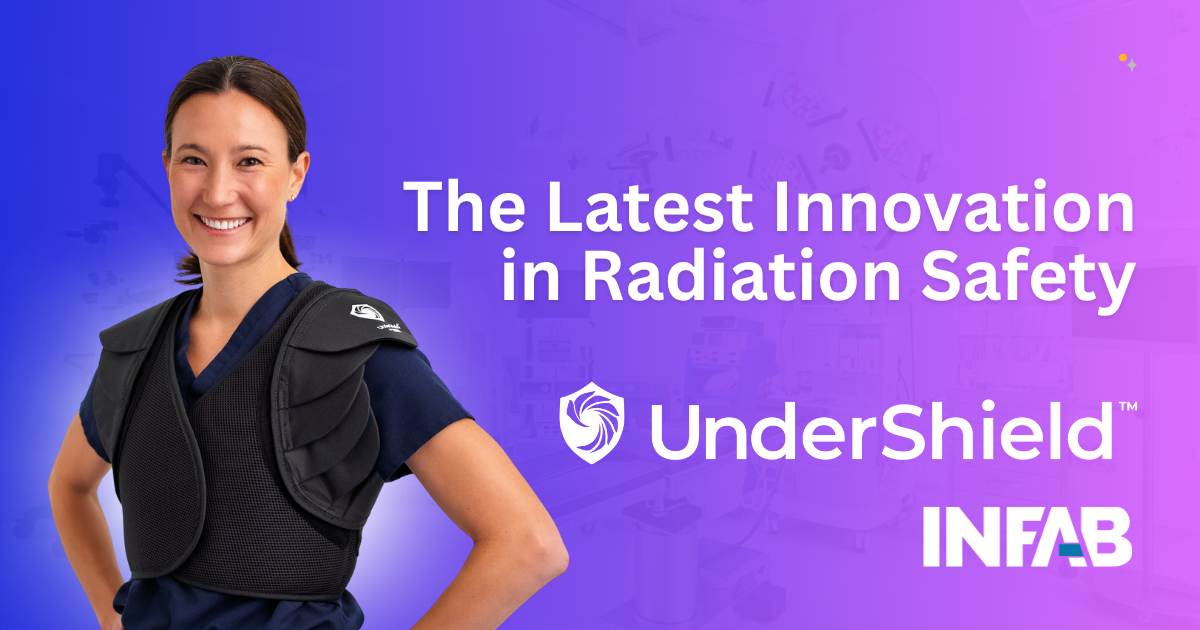
Filling the Gap in Radiation Protection
🔬 The Research Is Clear and Concerning In the high-stakes environment of the operating room, orthopedic surgeons rely on fluoroscopy to guide precision procedures. But behind the scenes a silent risk persists; radiation exposure to the upper outer quadrant (UOQ) of…

How Explainable AI Could Transform Breast Cancer Detection
A new study reveals how explainable AI could dramatically improve early breast cancer detection using MRI, reducing false positives and helping radiologists focus on what matters most. Learn how this breakthrough supports smarter, safer screening in clinical care.


AI Innovation Could Revolutionize X-ray Diagnostics
Arizona State University researchers have introduced Ark+, a powerful open-source AI tool that enhances chest X-ray interpretation. Trained on over 700,000 global images and expert physician notes, Ark+ delivers faster, more accurate diagnoses, outshining proprietary tools from major tech companies and aiming to make medical AI more accessible worldwide.
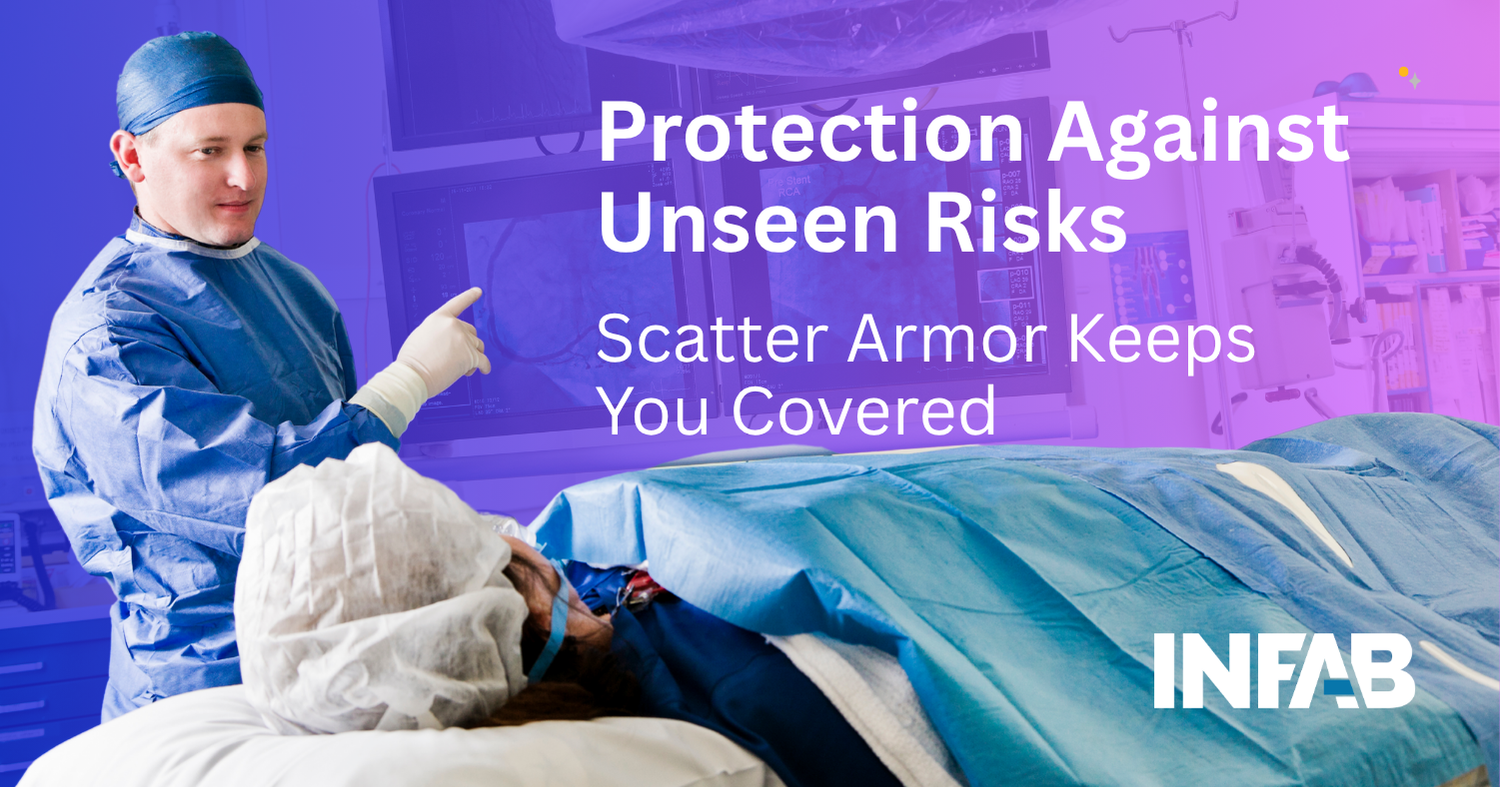
Understanding and Preventing Scatter Radiation Exposure in Medical Imaging
In the world of diagnostic imaging and interventional procedures, radiation is a powerful tool, but it comes with hidden dangers. Among the most underestimated risks is scatter radiation, a by-product of X-ray interactions with the human body. Discover how Scatter Radiation can affect you and how INFAB's Scatter Armor offers the protection you need against this unseen health risk.

The Hidden Cost of Protection: Orthopedic Injuries on the Rise
Cath lab teams and those in Orthopedics have long relied on heavy lead aprons to guard against radiation, but at what cost? A 2023 SCAI survey reveals the prevalence of common orthopedic injuries, with many facing chronic pain and even early retirement. That’s why INFAB aprons are engineered for optimal weight distribution, reducing strain on the back, shoulders, and spine. We offer a wide range of radiation attenuation levels, along with lead-free options, so clinicians can choose lighter-weight protection when lower-dose coverage is appropriate. The result: safer, more comfortable gear without compromising performance.
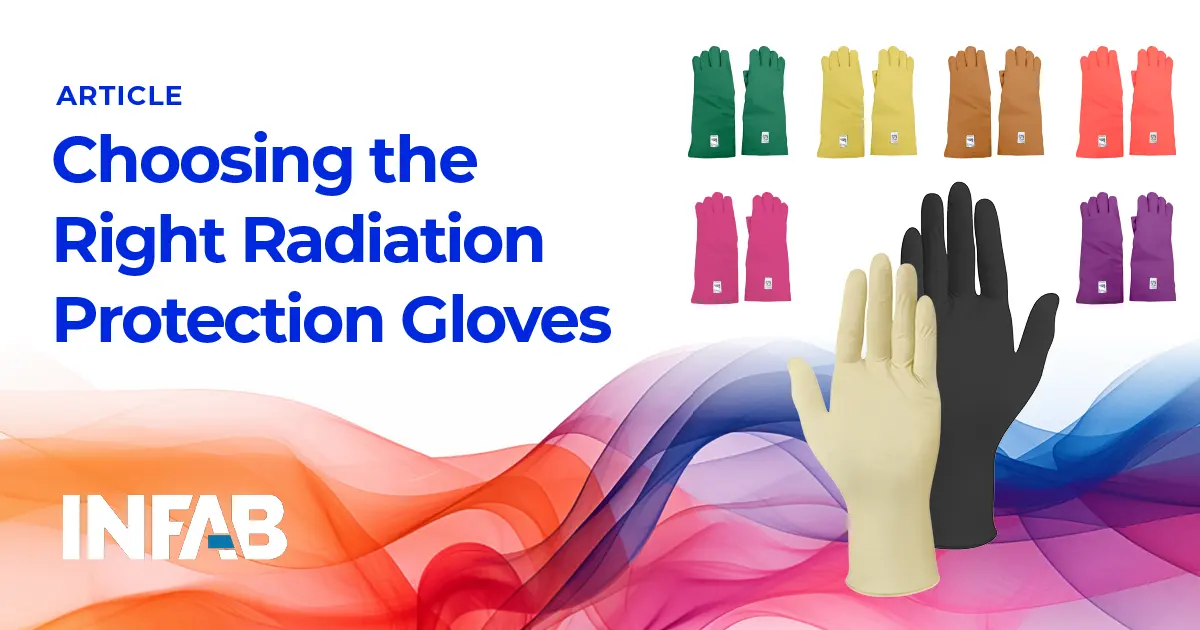
Choosing the Right Radiation Protection Gloves
When it comes to radiation safety, your hands deserve proper protection without compromising precision. Whether performing delicate interventional procedures or handling radiographic equipment, INFAB offers a range of radiation protection gloves for a variety of needs. This guide breaks down the features, benefits, and best-use scenarios for each glove type to help you make the right choice for every procedure.

New Radiation Safety Guide Released: What Healthcare Workers Should Know
At INFAB, we’re committed to helping healthcare professionals stay informed and protected from radiation exposure. That’s why we’re excited to share the 2025 Radioisotope Safety Content (RISC) Study Guide from the American Board of Radiology. This essential resource highlights the latest in radiation safety, from exposure limits and shielding principles, to role-specific guidance for radiology, nuclear medicine, and oncology professionals. Ensure proper safety with INFAB’s advanced protection equipment, covering lead aprons, thyroid collars, radiation gloves, eyewear, and more.
Radiation Protection Has Evolved. So Should Your Gloves.
Despite widespread use of barriers, aprons and thyroid collars, hands often remain exposed during imaging procedures putting clinicians at long-term risk. New glove technologies now offer effective radiation attenuation without sacrificing needed dexterity. INFAB’s wide variety of radiation protection gloves offer essential hand shielding for those routinely exposed to imaging and fluoroscopy environments.


Spring Cleaning for Safety: How to Properly Clean Lead Aprons
In healthcare, maintaining proper safety, hygiene, and infection control is critical. Yet one commonly used item often escapes routine scrutiny, lead aprons. Research shows these essential garments can harbor harmful bacteria, even when they appear clean. This guide breaks down why standard wipe-downs aren’t enough and offers evidence-based daily and quarterly cleaning protocols to ensure proper safety. Explore INFAB's cleaning solutions to reduce microbial risk, extend apron lifespan, and support a safer clinical environment.
Behind the X-Ray: How Veterinarians Stay Safe While Helping Your Pets
Similar to human healthcare, x-rays and advanced imaging are essential tools in veterinary care. However, animals often require hands-on positioning during scans, exposing staff to radiation risks. This article explores the unique challenges of veterinary radiology and why proper protection matters for both staff and our furry friends. With gear like INFAB’s lightweight aprons, shields, and gloves, veterinary teams can stay safe while delivering necessary care to our pets.


Study Reveals High Rates of Thyroid Abnormalities in Radiation-Exposed Healthcare Workers
A 2023 study found that over 14% of healthcare workers in radiation-heavy environments showed signs of thyroid abnormalities, including nodules and irregular hormone levels. These findings underscore the urgent need for stronger and more consistent protective measures for those who face prolonged or frequent radiation exposure. Learn about key findings and steps to reduce risk like wearing thyroid shields, monitoring dose levels, and regular thyroid testing. Explore INFAB's wide range of products designed to improve safety without sacrificing comfort.
Scatter Radiation in the Cath Lab – What It Is, Who’s at Risk, and How to Stay Safe
Healthcare pros in the cath lab face growing scatter radiation hazards. Learn who’s at risk, how it affects you long-term, and how Infab’s Scatter Armor provides fast, effective shielding.


Sterile Drapes: Enhancing Infection Control in Fluoroscopy-Guided Procedures
Fluoroscopy is essential in modern surgery, but it can also introduce infection control challenges. Unlike surgical tools, C-Arms and Mini C-Arms can’t be sterilized between cases making cross-contamination a real concern. Sterile drapes offer a practical solution, creating a barrier between imaging equipment and the sterile field. See how INFAB can help incorporate drapes into your protocol can support infection prevention, protect equipment, and improve procedural efficiency.
New Study Confirms Leaded Gloves Drastically Reduce Hand Radiation Exposure
While lead aprons and barriers have become standard in radiation safety, hands often remain critically exposed during medical procedures. A 2025 study found that using leaded surgical gloves can greatly reduce hand radiation exposure by up to 80%. INFAB is dedicated to providing professionals with radiation protection without sacrificing needed dexterity. Discover how incorporating proper gloves into your safety protocol can make a measurable difference in reducing risk.


Protecting the Thyroid: Why Healthcare Workers Must Shield Their Glands
A recent study revealed that chronic exposure to ionizing radiation can lead to increased thyroid hormone disruption, autoimmune risk, and structural gland changes. Despite these risks, thyroid protection is often overlooked when it comes radiation exposure safety. INFAB’s range of comfortable, customizable thyroid collars and shields offer essential protection for those on the front lines of medical imaging and treatment.
Are You Really Protected? Addressing the Radiation Safety Knowledge Gap in Healthcare
Healthcare workers can face daily radiation exposure, yet recent studies reveal a troubling gap between knowledge and practice when it comes to personal safety. Many professionals underestimate the risks or misuse protective gear, putting themselves and their teams at risk. This article explores the potential consequences of inadequate radiation safety, the importance of consistent training and procedure, and practical steps to improve overall protection. INFAB is dedicated to prioritizing the safety and health of those who care for others.


Why Nurses Need to Protect Their Vision: Essential Eye Safety in Radiology
Discover why radiation eye protection is crucial for interventional radiology nurses and how INFAB's innovative protective eyewear solutions combine comfort, style, and safety. Learn about radiation risks to eye health and explore modern solutions designed specifically for healthcare professionals.
Behind the Shield: The Teamwork and Protection in Interventional Cardiology
Every cath lab procedure relies on a skilled team working in close proximity to radiation. From interventional cardiologists to sonographers and nurses, each role faces unique exposure risks. While protective gear and shielding are industry standard, studies show gaps in training, inconsistent use of safety protocols, and ergonomic challenges still remain. INFAB's dedication to safeguarding the professionals who make life-saving interventions possible is the key to our innovative safety equipment designed for maximum protection without sacrificing comfort.


Radiation Safety Champions: The Critical Role of Today’s Radiologic Technologist
Radiologic technologists are vital healthcare professionals combining technical expertise with patient care. They ensure diagnostic imaging is precise and safe, implementing ALARA principles to minimize radiation exposure. As guardians of radiation safety, they operate advanced equipment, advocate for patients, and uphold safety protocols in diverse medical settings, from hospitals to mobile units.
Radiation Protection in Orthopedic Surgery: New Study Reveals Critical Gaps in Safety Measures
A recent study published in Cureus reveals critical gaps in radiation protection for surgical teams, particularly in orthopedics where X-ray guidance is routine. Alarmingly, 95% of surveyed surgeons reported no access to proper eye protection, and over 60% had received no formal radiation safety training. As reliance on imaging grows, so does the need for comprehensive protection strategies. Explore INFAB's wide variety of safety equipment designed to safeguard surgical staff from long-term radiation risks.


New Study Reveals Radiation Protection Shortfalls in Interventional Radiology
A recent international study published in the Journal of Medical Imaging and Radiation Sciences uncovered widespread deficiencies in radiation protection practices across interventional radiology and cardiac cath labs. With only 53% of professionals receiving formal training and many lacking access to essential protective gear, the findings highlight an urgent need for improved safety protocols. INFAB is dedicated to supporting healthcare professionals with innovative and ergonomic radiation protection solutions designed for today’s clinical demands.
Dispelling Myths About Radiation Protection Gloves in Healthcare
From radiology to surgery, hands are among the most exposed body parts during procedures involving ionizing radiation. Yet Radiation protection gloves are often underused in clinical settings due to "myths" about discomfort, necessity, and effectiveness. Debunking common misconceptions gives a clear understanding why gloves are a critical part of your PPE. Whether you're handling radioactive materials or guiding fluoroscopy, INFAB’s variety of gloves offer the protection today’s healthcare professionals need without sacrificing critical dexterity.


Beyond Radiation: Ergonomic Safety in Cath Labs
While cath labs are known for their cutting-edge cardiac care, a growing body of research highlights the physical toll on the professionals who work there. A recent JACC article reveals high rates of musculoskeletal injuries among interventional cardiologists and staff often linked to prolonged standing, awkward postures, and heavy lead aprons. Explore the root causes of these injuries and discover how INFAB’s lightweight, ergonomically designed aprons are one way to reduce strain without compromising radiation protection.
Sharper Imaging Through Better Positioning
Accurate patient positioning is critical to capturing high-quality diagnostic images. Whether it’s an MRI, CT scan, or X-ray, even slight misalignment can lead to artifacts, repeat scans, and missed diagnoses. Innovations in positioning aids like foam wedges, head supports, and pediatric immobilizers are helping healthcare providers achieve greater precision and efficiency without sacrificing patient comfort. Explore how INFAB’s line of positioning products supports better imaging outcomes and patient care.


Radiation Exposure in the ICU: Protecting Healthcare Workers
Imaging tools like X-rays and CT scans are vital in intensive care units but they also expose staff to cumulative radiation risks. A recent study found that many ICU professionals lack adequate radiation safety knowledge, and protective gear like lead aprons and thyroid shields are often underused. In an effort to reduce the risk of radiation exposure, INFAB provides a wide range of protective equipment to safeguard frontline healthcare workers in a variety of different roles.
WHO Publishes Guide on Radiation Safety Culture in Healthcare
Discover key strategies from WHO's latest guide to build a strong radiation safety culture in health care. Learn how to protect patients and staff effectively.

AI vs. Experts: ChatGPT’s Accuracy in Radiation Protection
Access to accurate and reliable information about radiation protection is essential for patients undergoing medical imaging. A recent study compared the effectiveness of AI, specifically ChatGPT, in providing this information against human experts from institutional websites.
Key Radiology Innovations in 2024 and Beyond
We recently came across an insightful article by Praseeda Nair on Omnia Health, and we're excited to share some key points that are shaping the future of radiology. The advancements highlighted in this article are poised to revolutionize how we…


Thyroid Shields: Essential in Cath Labs
The Thyroid Gland: Small but Mighty The thyroid gland, a small, butterfly-shaped organ located at the base of the neck, plays a crucial role in the body’s endocrine system. It produces hormones—thyroxine (T4) and triiodothyronine (T3)—that regulate metabolism, growth, and…

Five Essential Tips for Safety in Medical Imaging
Five Essential Tips for Safety in Medical Imaging Medical imaging plays a crucial role in diagnosing and treating various health conditions. However, working around medical imaging equipment, such as X-rays and CT scanners, involves exposure to radiation, which can pose…


Complete Protection with INFAB: Essential Accessories
When it comes to radiation protection in medical settings, most people think about aprons. However, there's a wide range of accessories designed to provide comprehensive protection from head to toe. At INFAB, we offer a variety of protective gear that…

Enhancing Radiation Protection with Lead Acrylic Mobile Barriers
Radiation protection is a critical concern in healthcare settings, especially in areas where X-ray equipment is frequently used. Mobile barriers are essential for shielding healthcare workers and patients from unnecessary radiation exposure. Among the various materials used for these barriers,…


Discover Your Style: The INFAB 2024 Lookbook
At INFAB, we believe that safety can be stylish. Our 2024 Lookbook is a testament to this belief, showcasing a rich tapestry of colors and patterns that do not just protect but also portray personality and professional pride. From the…

Safety in Style: Infab’s 2024 Catalog and Featured Product Guide
Welcome to Infab's 2024 catalog and featured product lineup, showcasing our commitment to merging cutting-edge protection with sleek design for healthcare professionals. See Our Aprons in Action This year, we've taken a practical approach to display our aprons, conducting a…



Secure, Smart, Mobile: Newly Redesigned Lockers
Elevating Healthcare with Intelligent Design In the dynamic world of healthcare, efficiency and adaptability are not just goals; they are imperatives. That's why the newly redesigned Revolution Apron Lockers are more than a storage solution—they are a strategic enhancement to…

Accuracy & Comfort: Advancements in Patient Positioning
The significance of precise patient positioning in the realm of medical imaging cannot be overstated. Inadequate positioning not only compromises patient comfort but also poses a risk of diagnostic inaccuracies due to the potential for image artifacts. Addressing these critical…