
Lead Glasses and Radiation Glasses for X-Ray Protection


Lead Glasses

Thyroid Collars

Caps

Gloves

Add-ons
52 Total
Radiation Protection Eyewear
Eye protection you’ll
actually keep on.
During live X-ray imaging procedures, scattered radiation reaches everyone in the room, and the eye is one of the most sensitive tissues to it. A lead apron protects your torso, not your eyes. INFAB radiation glasses close that gap, built into authentic Ray-Ban, Oakley, Gucci, and Nike frames you’ll actually want to wear, with leaded protective lenses.
New to radiation eyewear? The protection is in the lens. See how to choose, or download the Lead Glasses Guide.
Shop by Brand
Find your frame
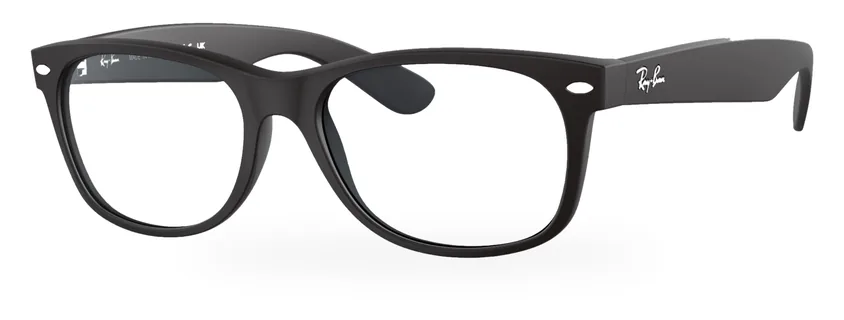
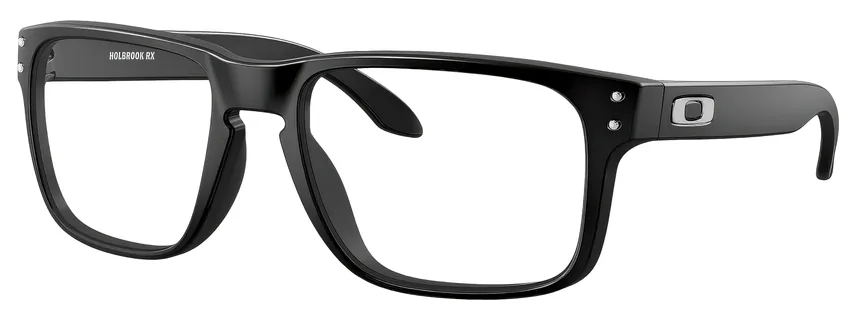
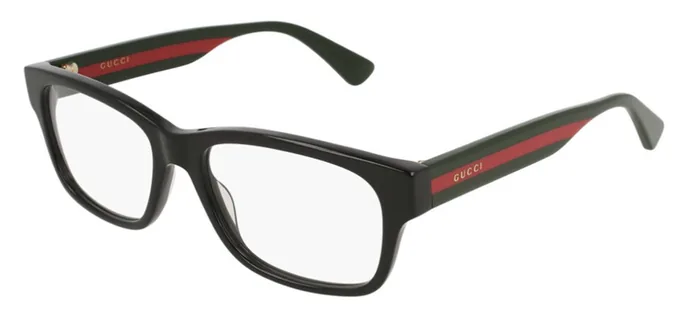
Real designer styles, fitted with leaded protective lenses. Tap a brand to jump to it.
8 styles
View frames

8 styles
View frames

8 styles
View frames

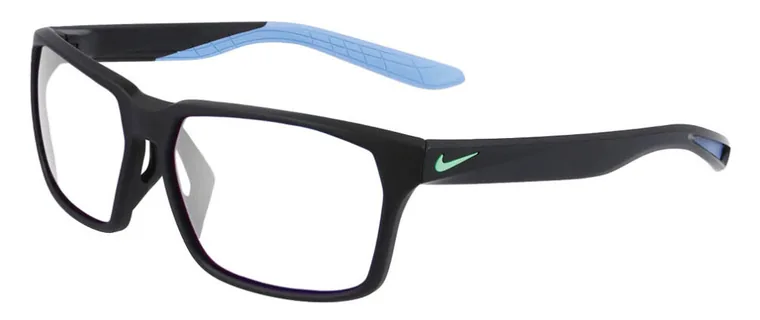
16 styles
View frames
Fitover
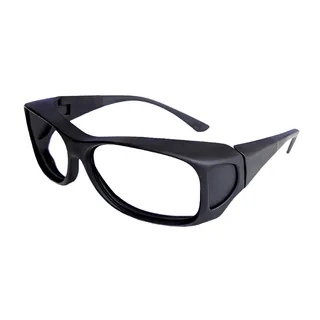
5 styles
View frames

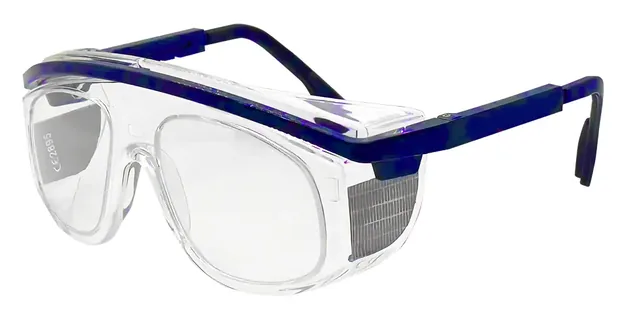
7 styles
View frames
Swipe to see all brands →
ISO 13485:2016Certified quality system
FDA-RegisteredMedical device maker
Blocks at least 97% of the direct X-ray beamat 148 kVp · ASTM F2547-18
Authentic FramesOakley, Nike, Ray-Ban, Gucci
Leaded eyewear reduces scattered radiation reaching the eye through the lens but does not eliminate scatter reaching the eye from around, above, or behind the lens. Use with appropriate facility radiation-safety practices.
Lead glasses, radiation glasses, X-ray glasses: the same thing
Lead glasses, radiation glasses, leaded glasses and X-ray glasses are names for the same product: eyewear with lead-equivalent lenses, worn to reduce the scattered radiation that reaches the eyes through the lens during X-ray and fluoroscopy. INFAB’s lead glass lenses are rated 0.75 mm Pb lead-equivalent.
See who should wear them, side shields, prescription lenses, and frames from Ray-Ban, Oakley and Nike.
The Case for Eye Protection
Why radiation eye protection matters
In an imaging suite, scatter from the X-ray beam reaches the care team standing at the field. The lens of the eye is among the more radiosensitive tissues in that path, which is why eye protection is an important part of a comprehensive radiation safety program.
The lens is sensitive
The lens of the eye is among the more radiosensitive tissues exposed to scatter in the room.
Aprons don’t cover it
Aprons and thyroid shields protect the torso and neck, but they do nothing for the eyes.
Close the gap
Radiation glasses help close that gap for teams who work under live imaging day after day.
Always follow your facility’s radiation safety program and consult your Radiation Safety Officer for guidance specific to your role and procedures.
Browse the Full Range
All INFAB lead glasses & goggles
Every frame below is priced and ready to order, starting at $195.00. All pairs include plano (non-prescription) lenses as standard, with prescription (Rx) lenses available for an additional cost.
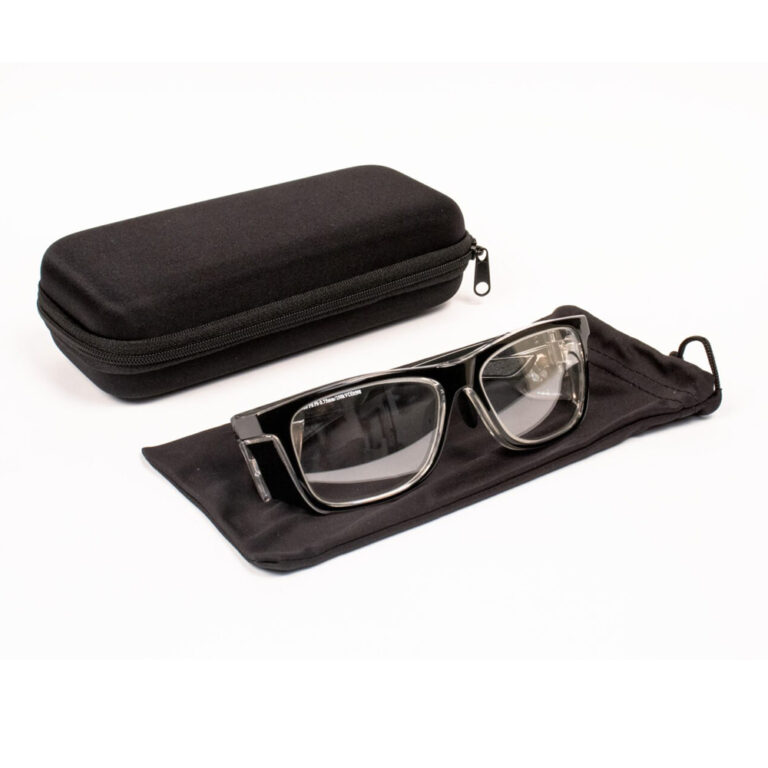
Every pair also ships with a safety strap, a protective case and a cleaning cloth.
52 Total
-
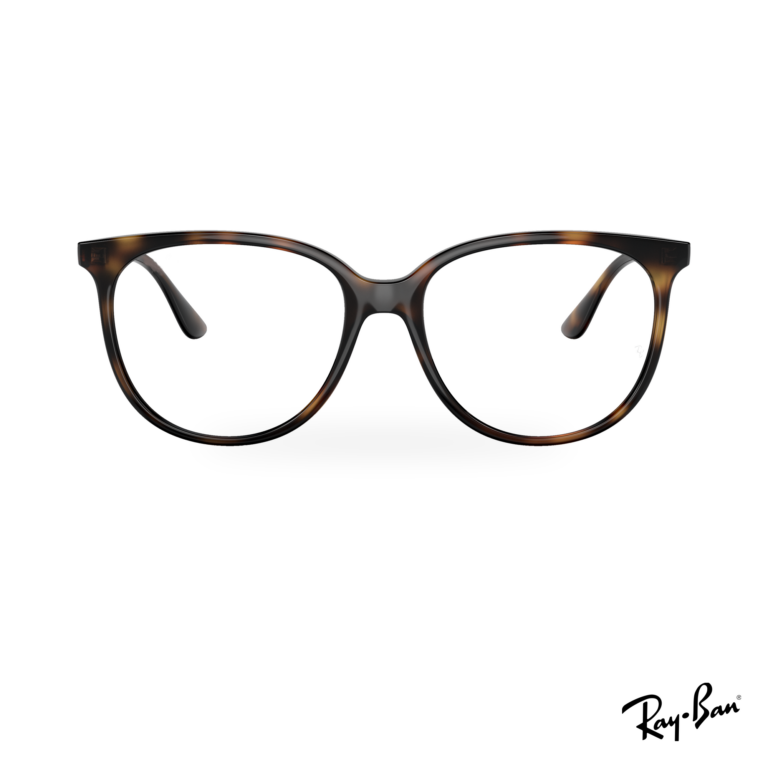
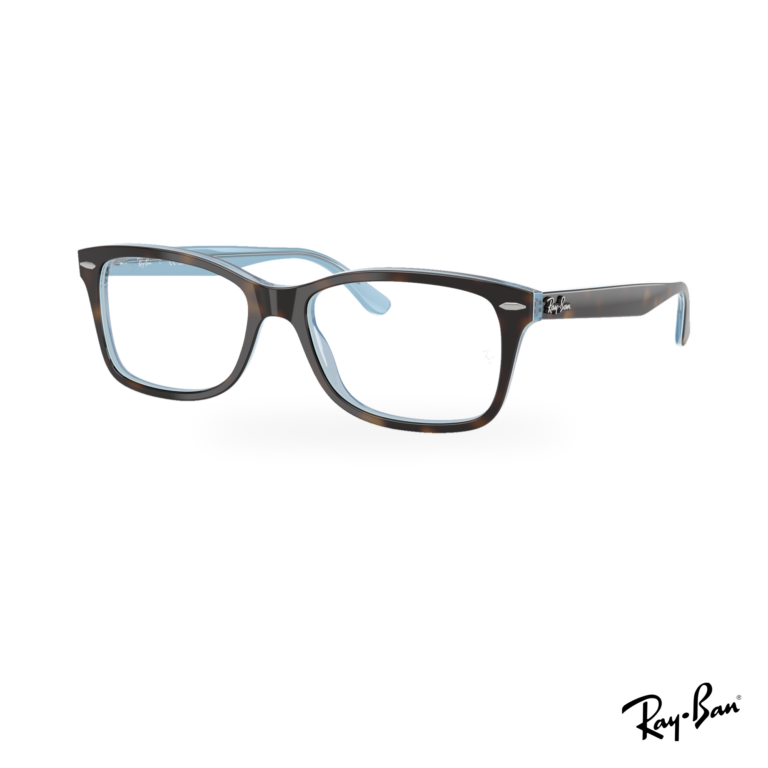
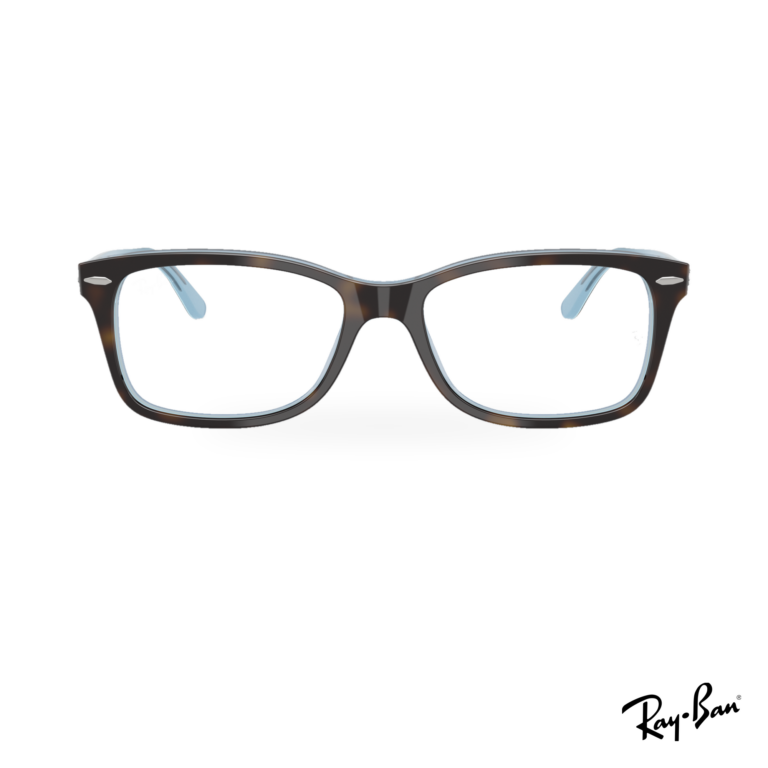
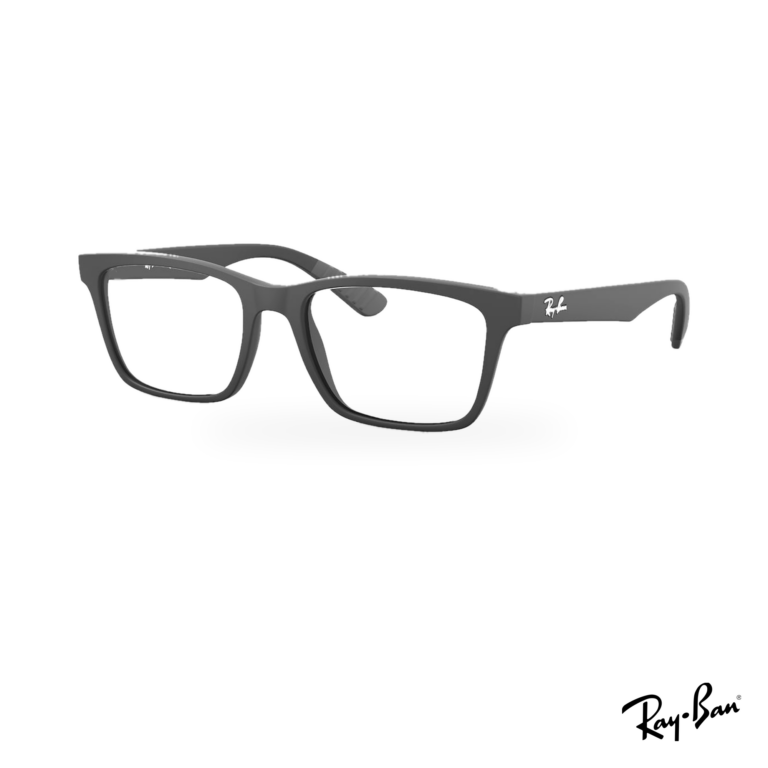
Ray-Ban
Out of StockSale $350.00 List
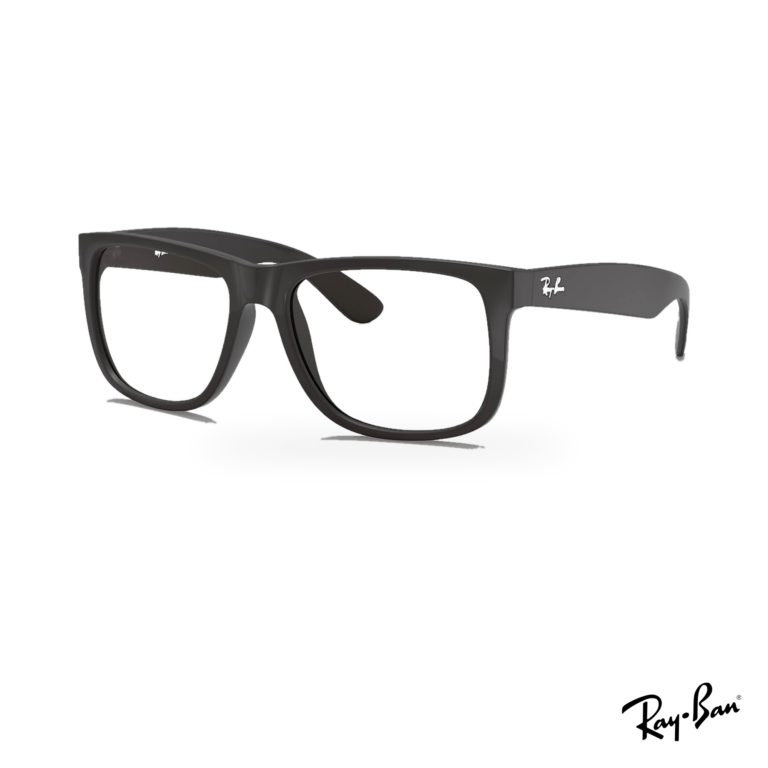
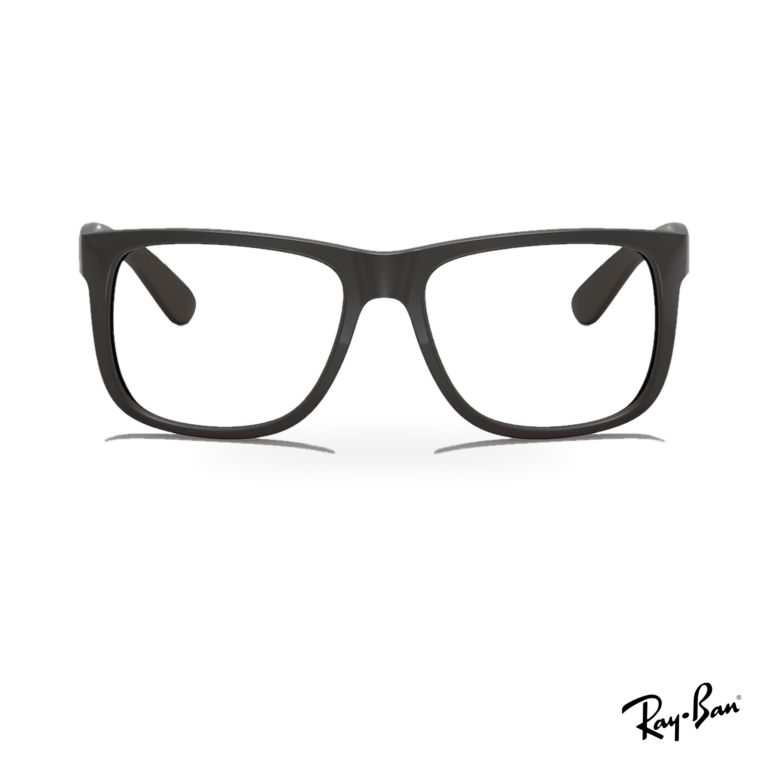
Ray-Ban Justin
-
Out of StockSale
$350.00 List
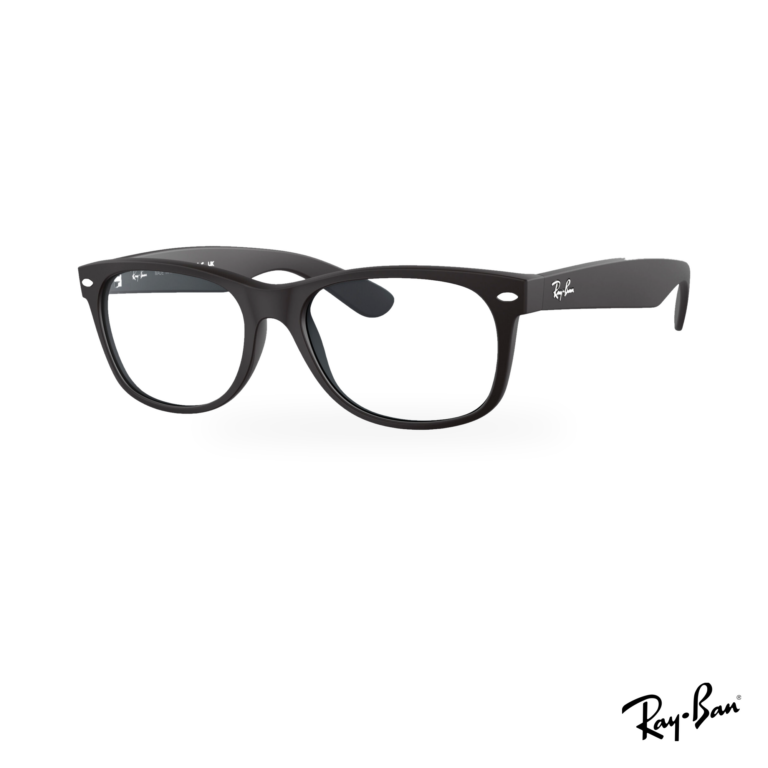
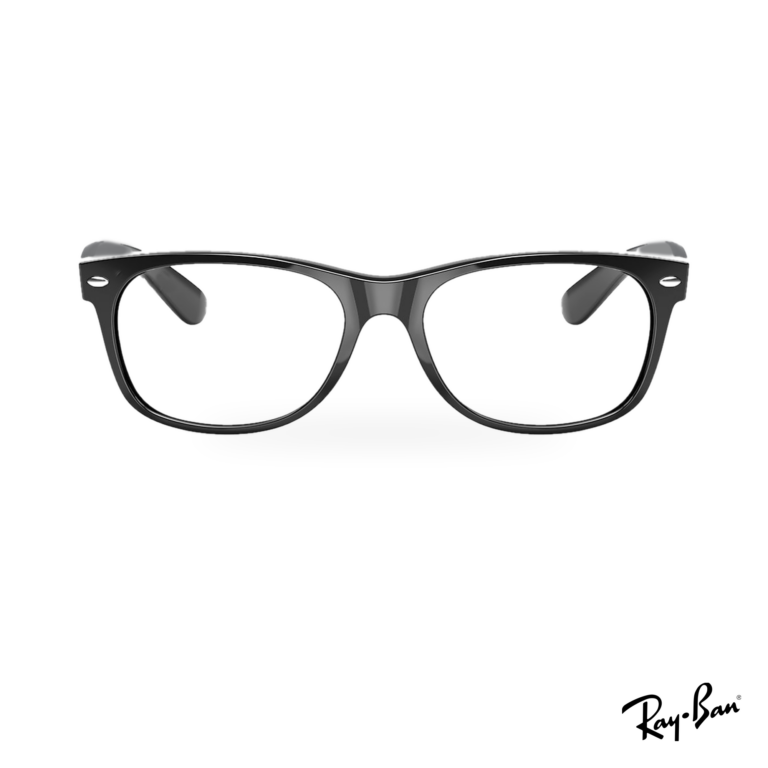
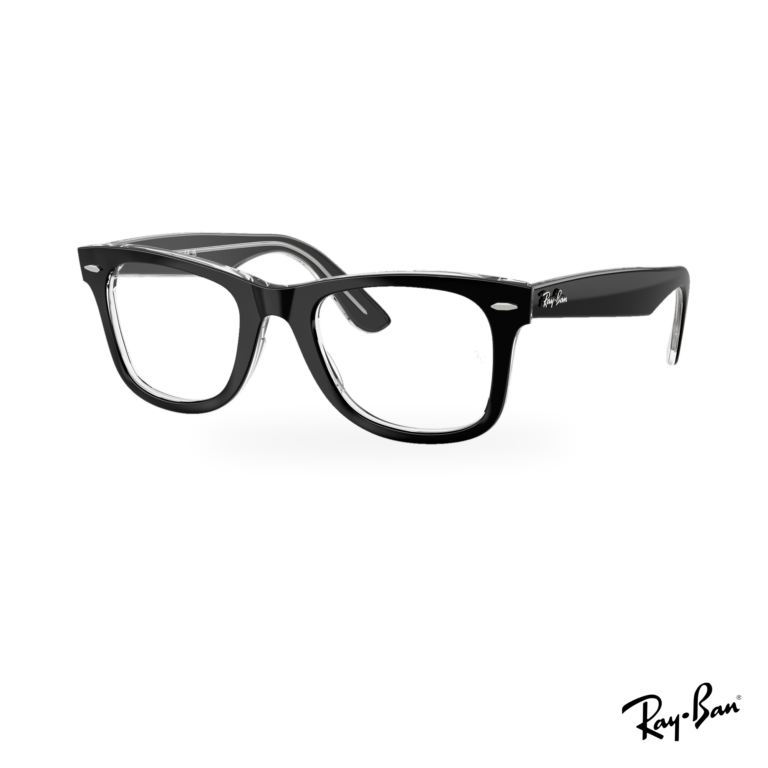
Ray-Ban New Wayfarer
-
Out of StockSale
$350.00 List
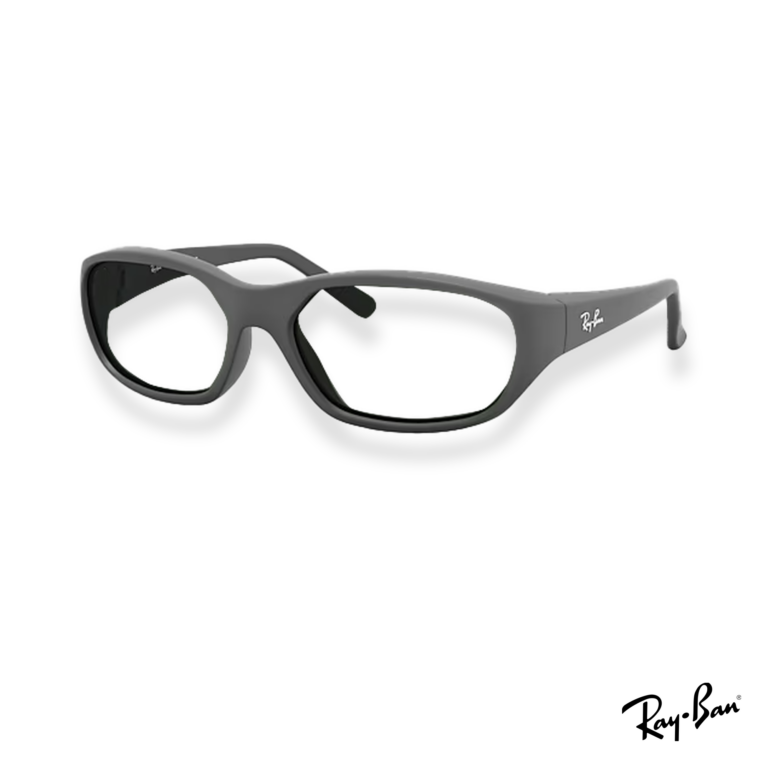
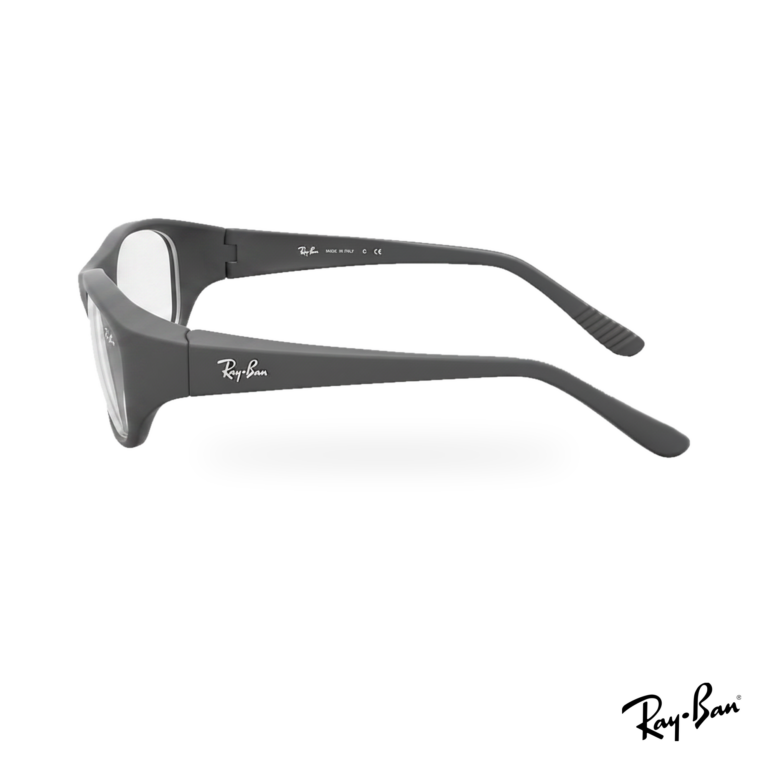
Ray-Ban Daddy-O
-
Sale
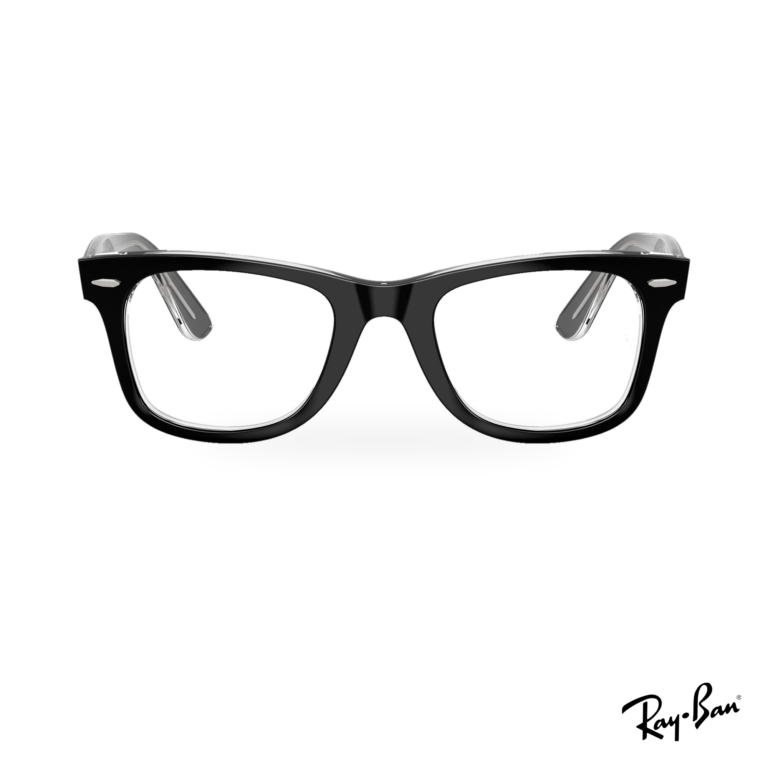
$350.00 ListRay-Ban Wayfarer Ease
-
Sale
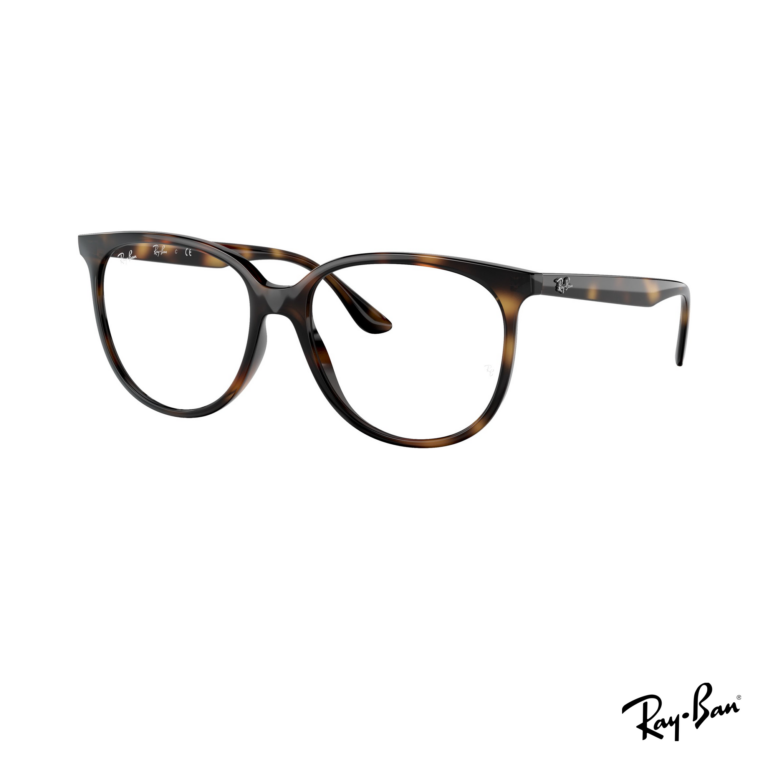
$350.00 ListRay-Ban 4378
-
Sale
$350.00 ListRay-Ban 5428
-
Out of StockSale
$350.00 List
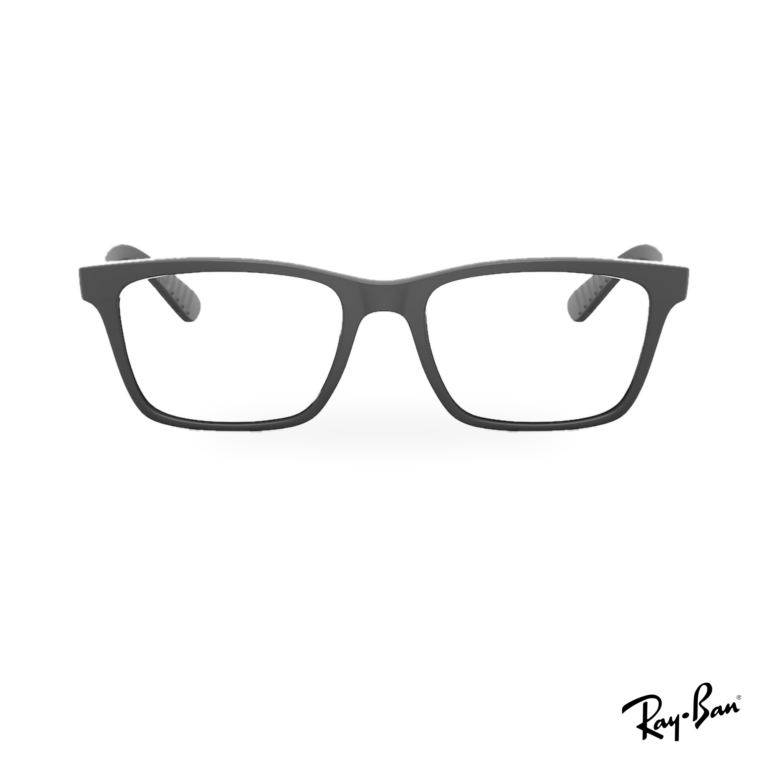
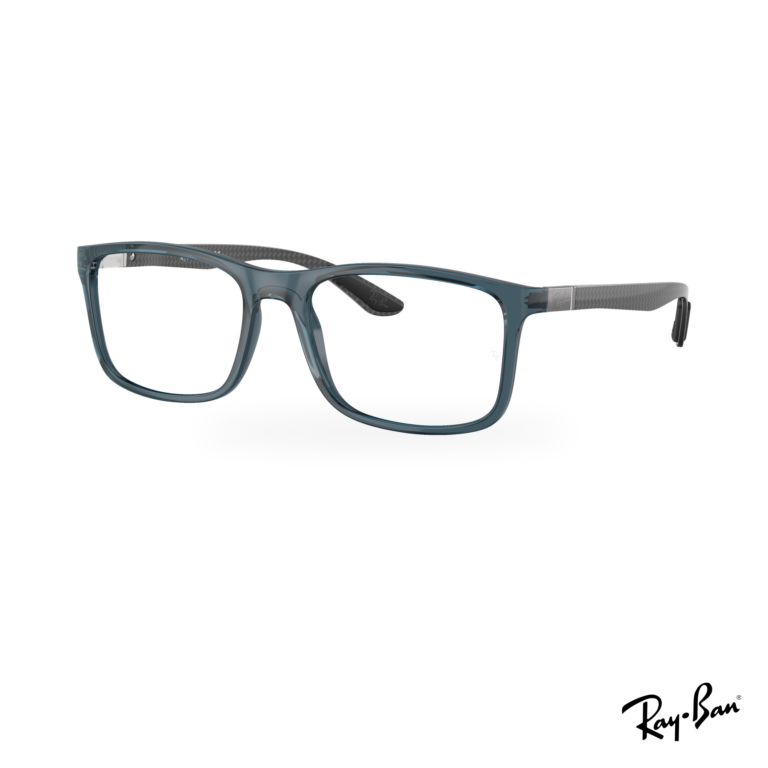
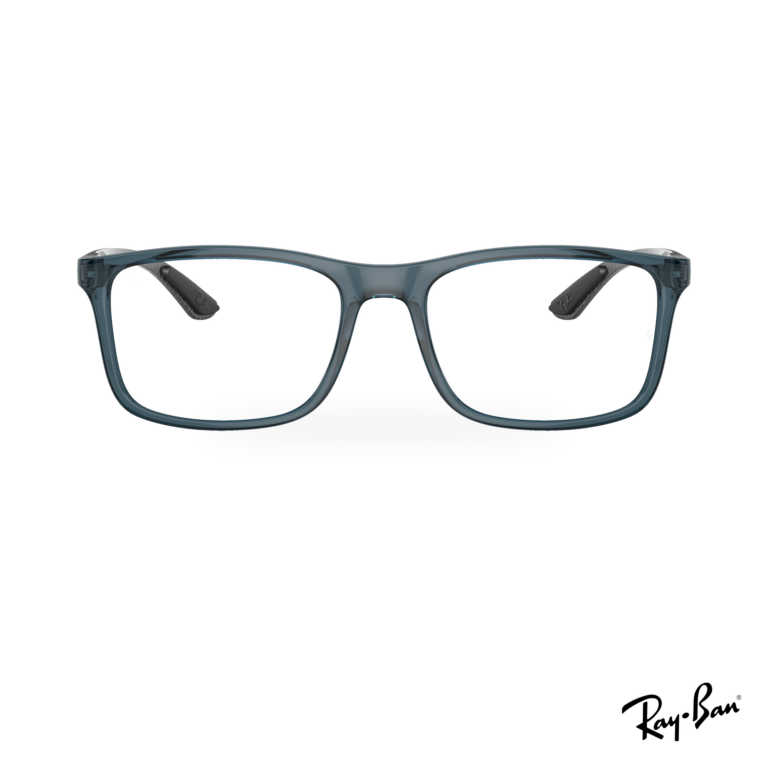
Ray-Ban 7025
-
Out of StockSale
$350.00 List
Ray-Ban 8908
-
Oakley
Out of StockSale
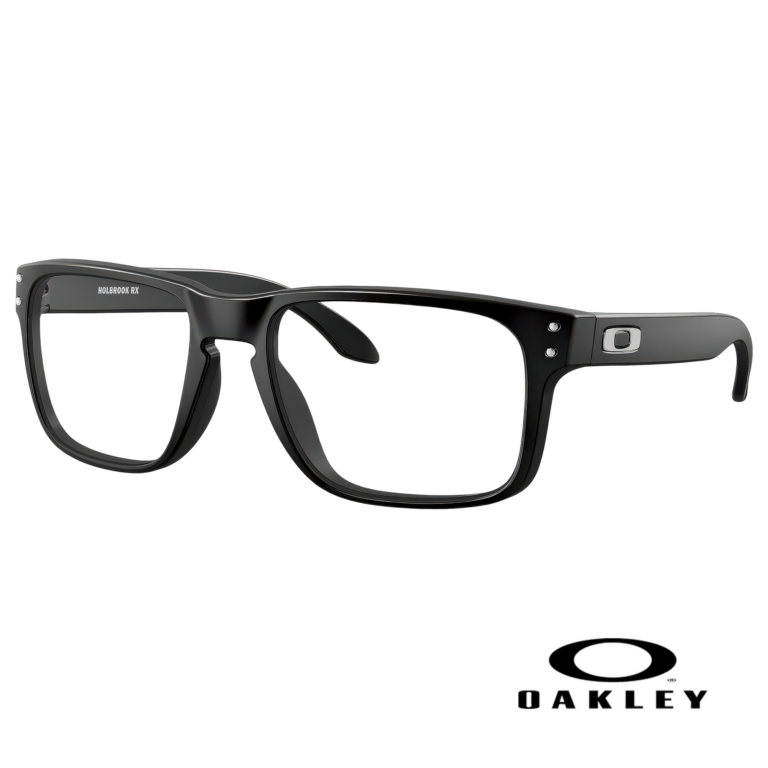
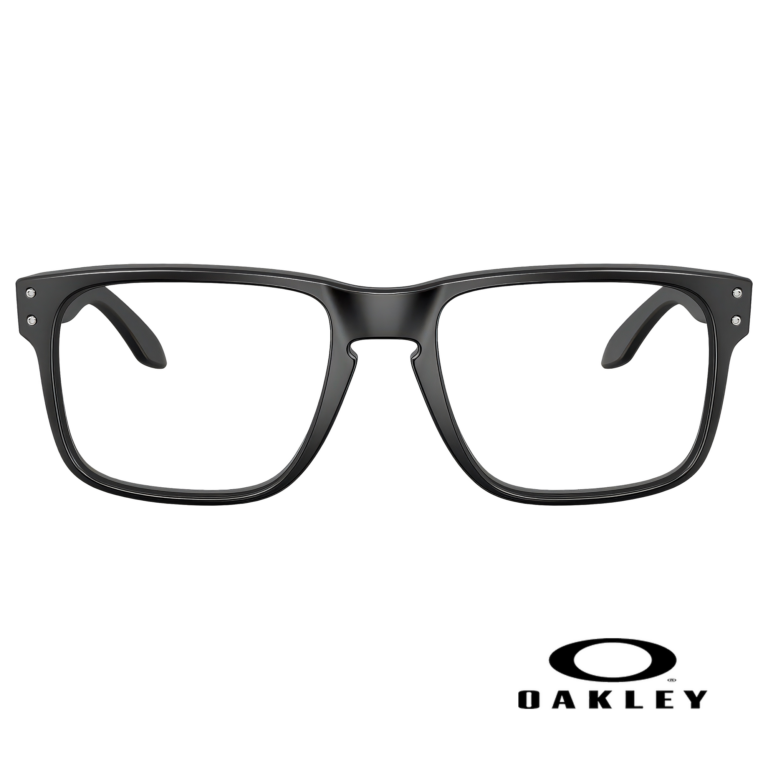
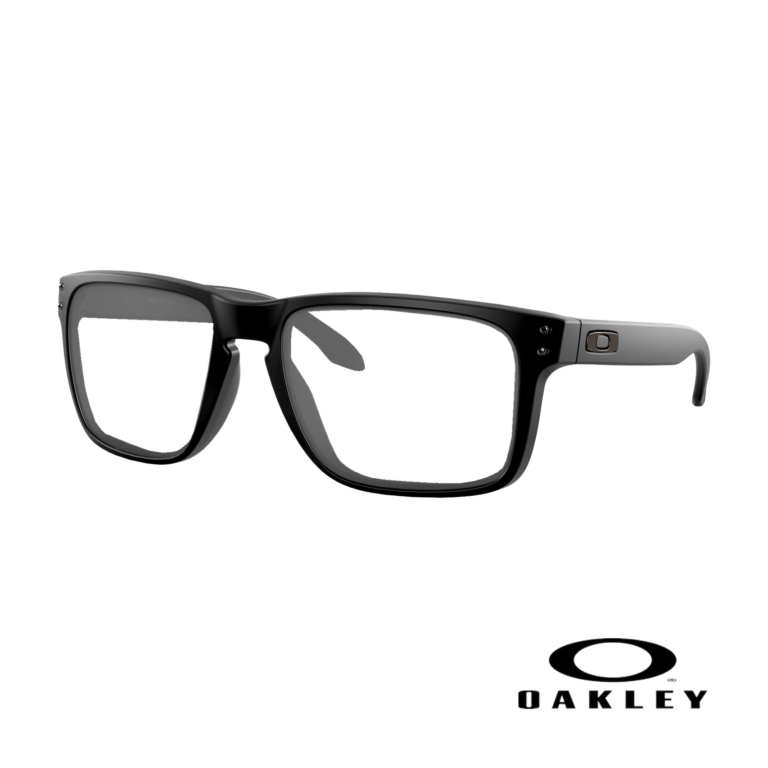
$380.00 ListOakley Holbrook
-
Out of StockSale
$400.00 List
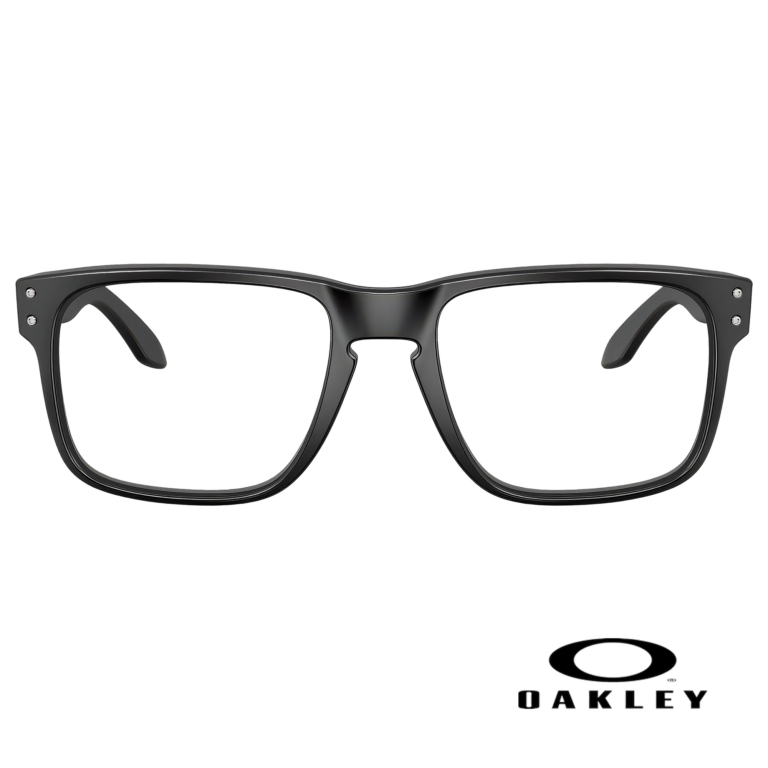
Oakley Holbrook XL
-
Out of StockSale
$400.00 List
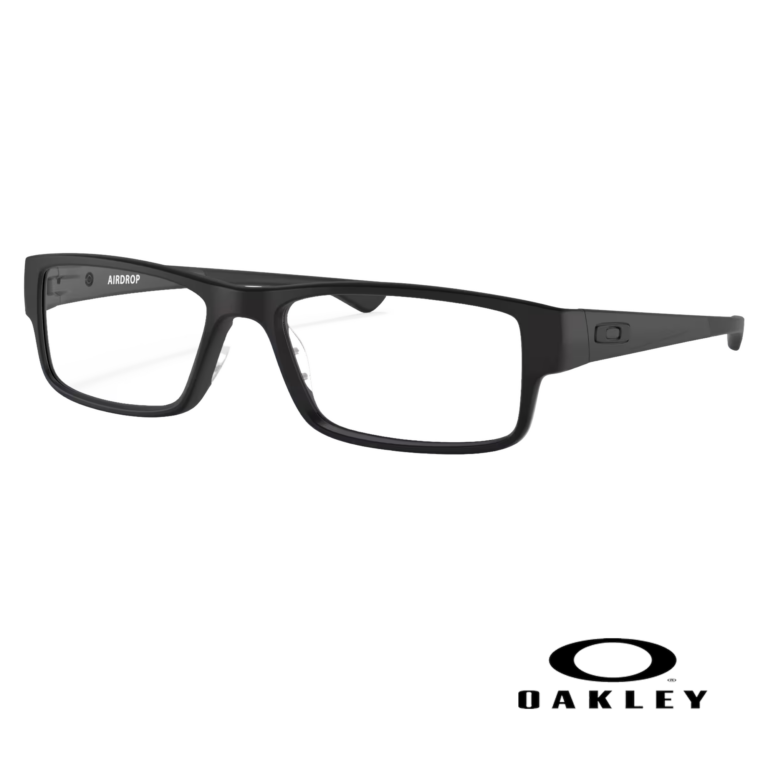
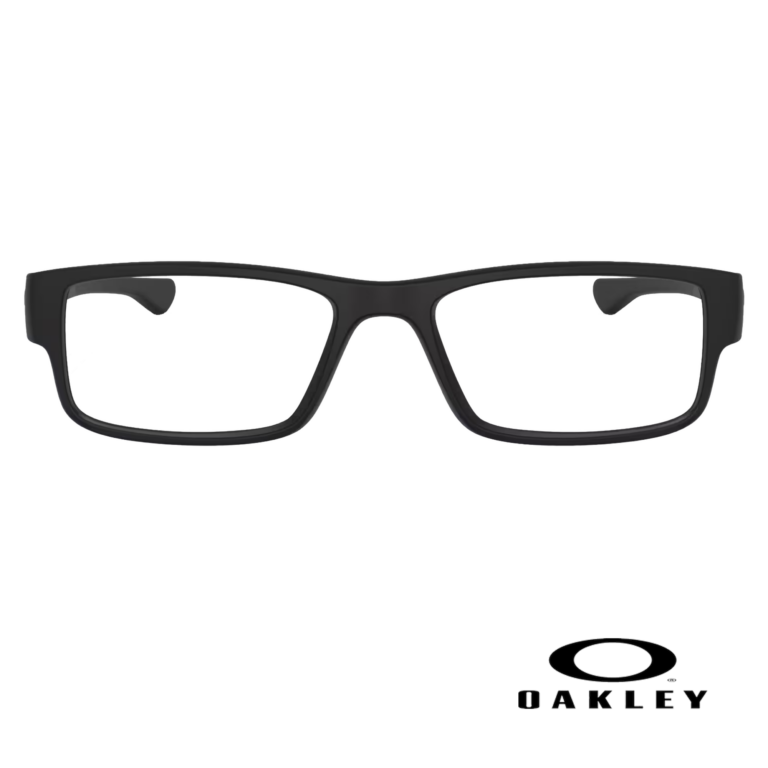
Oakley AirDrop
-
Sale
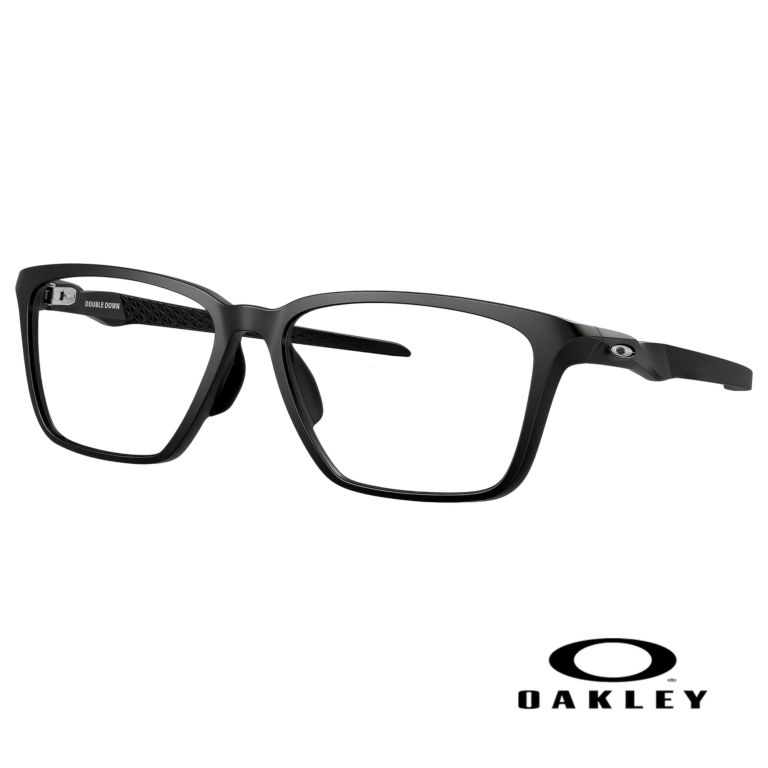
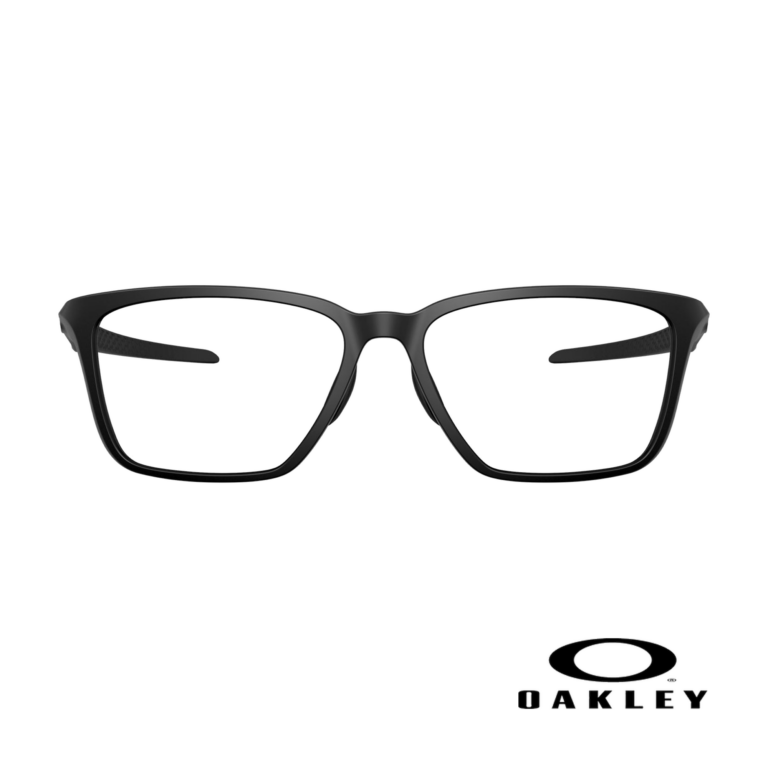
$400.00 ListOakley Double Down
-
Sale
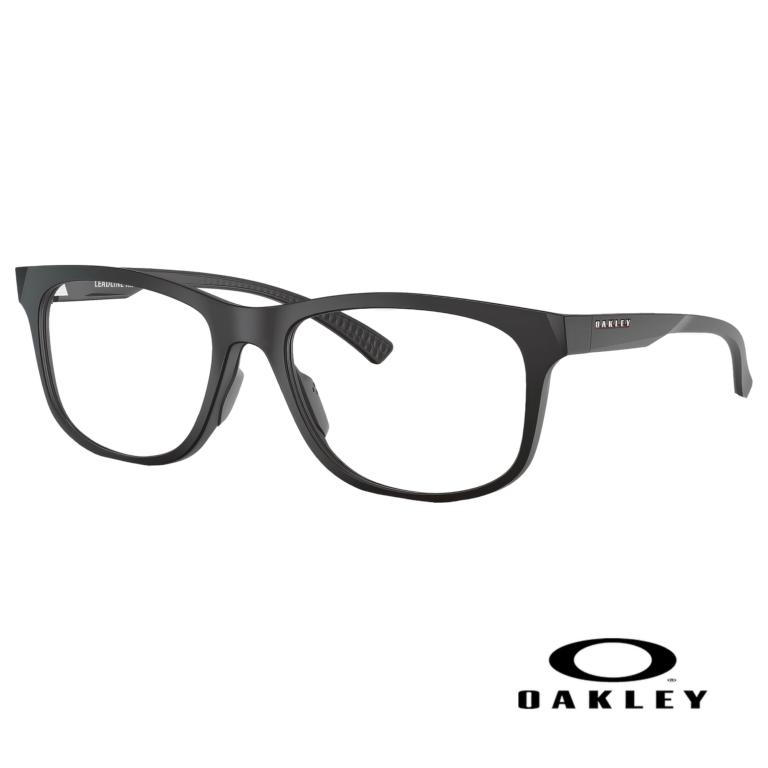
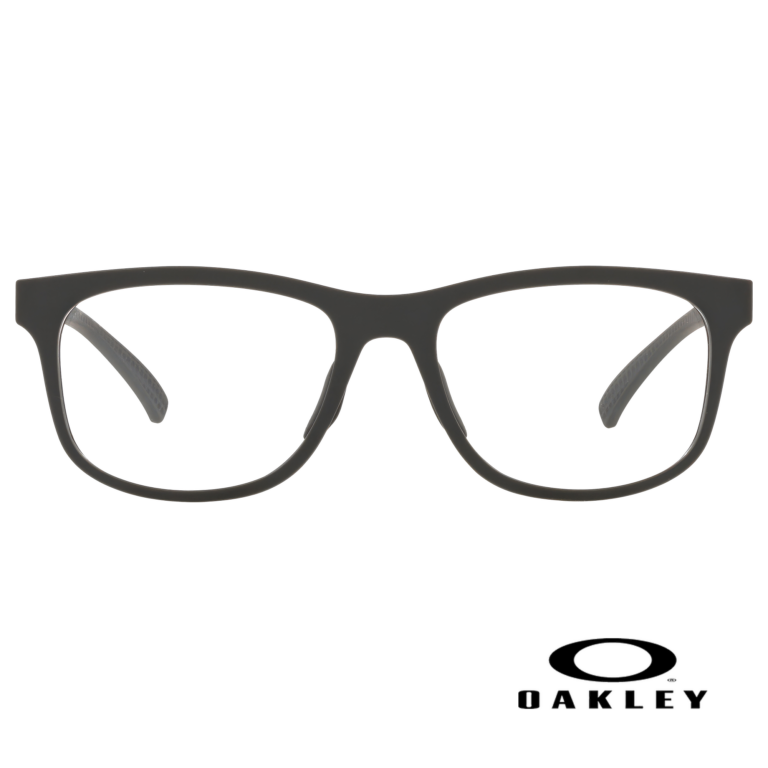
$400.00 ListOakley Leadline
-
Out of StockSale
$420.00 List
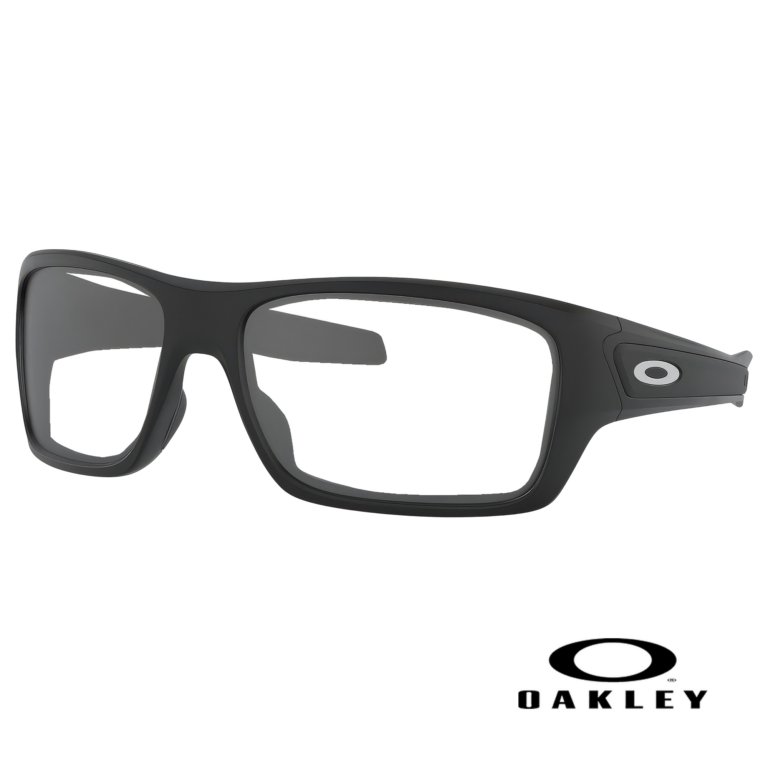
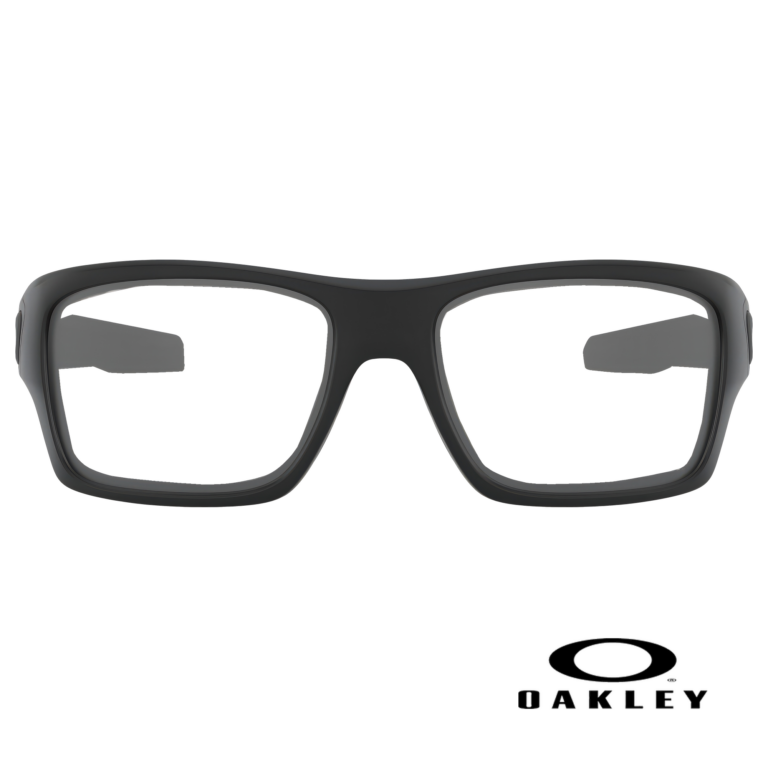
Oakley Turbine
-
Out of StockSale
$390.00 List
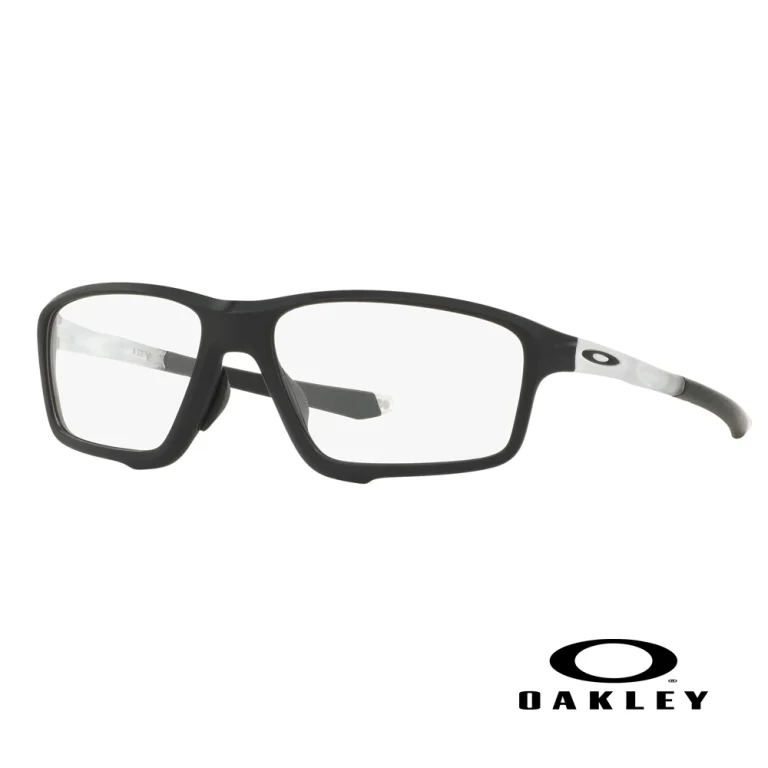
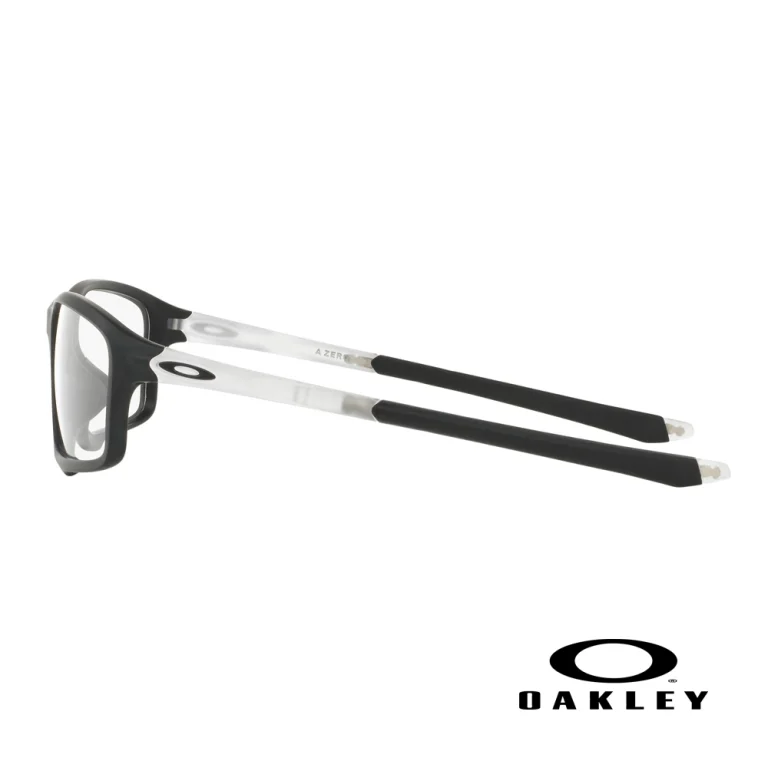
Oakley Crosslink Zero
-
Out of StockSale
$420.00 List
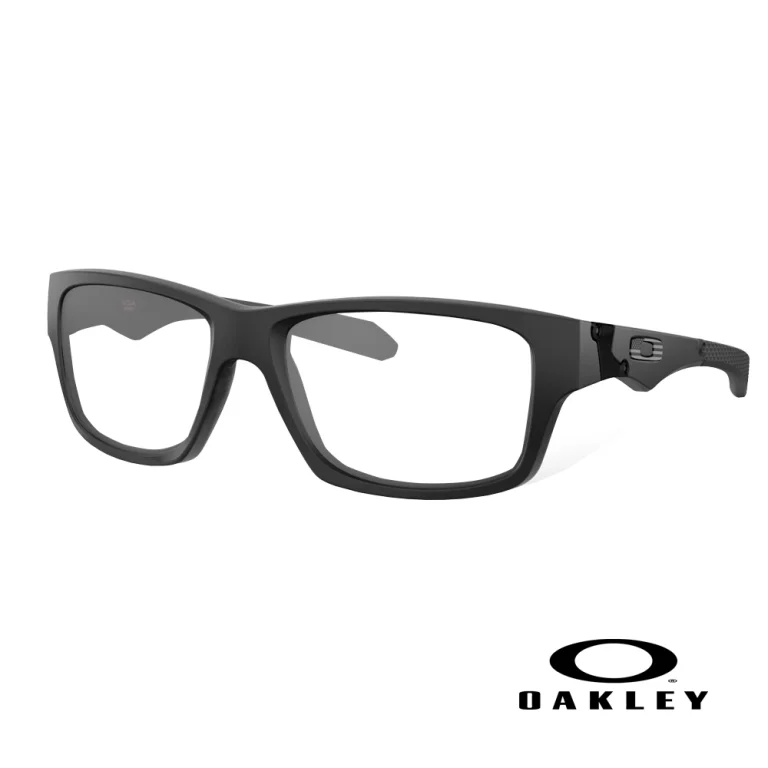
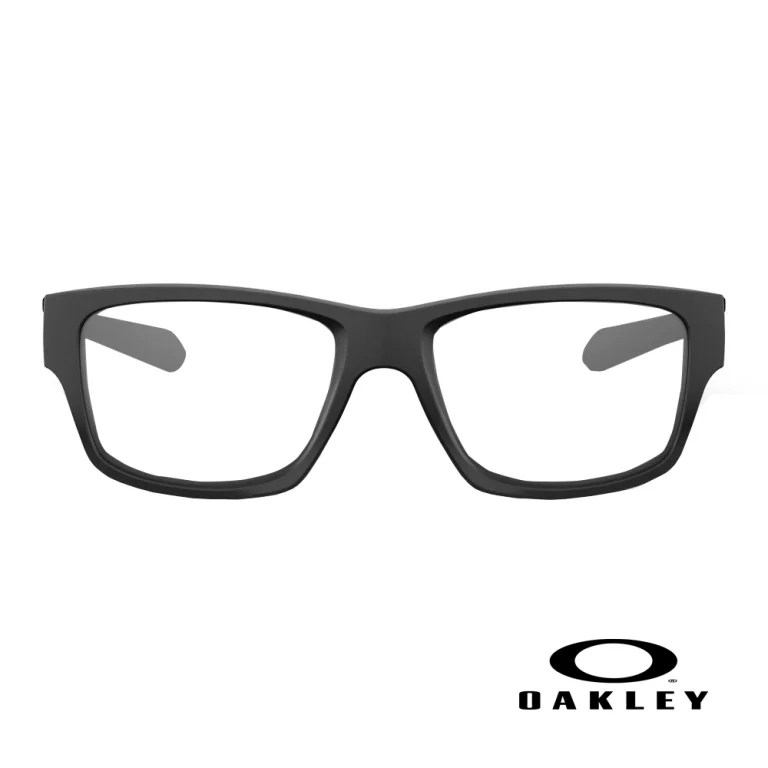
Oakley Jupiter Squared
-
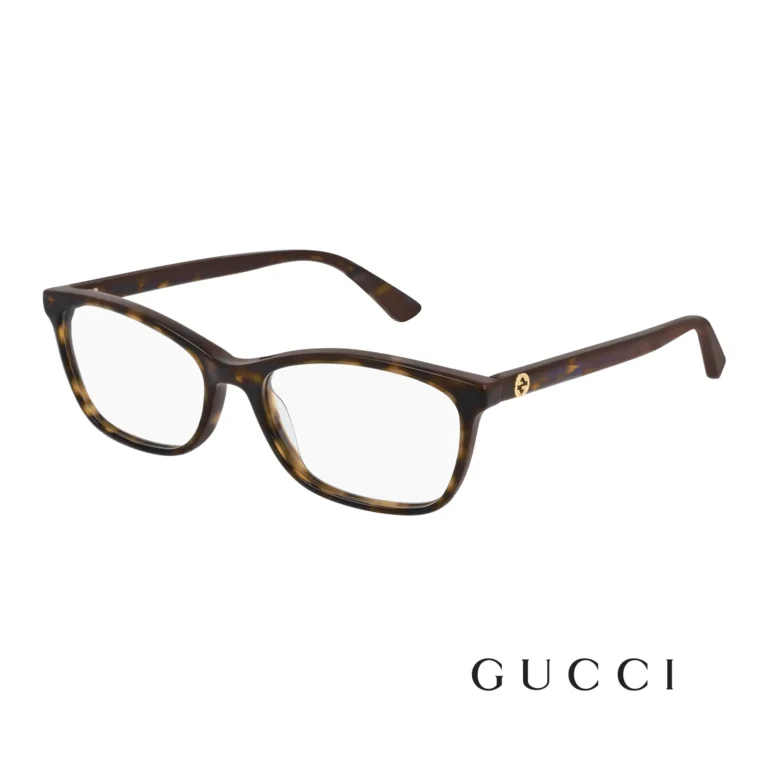
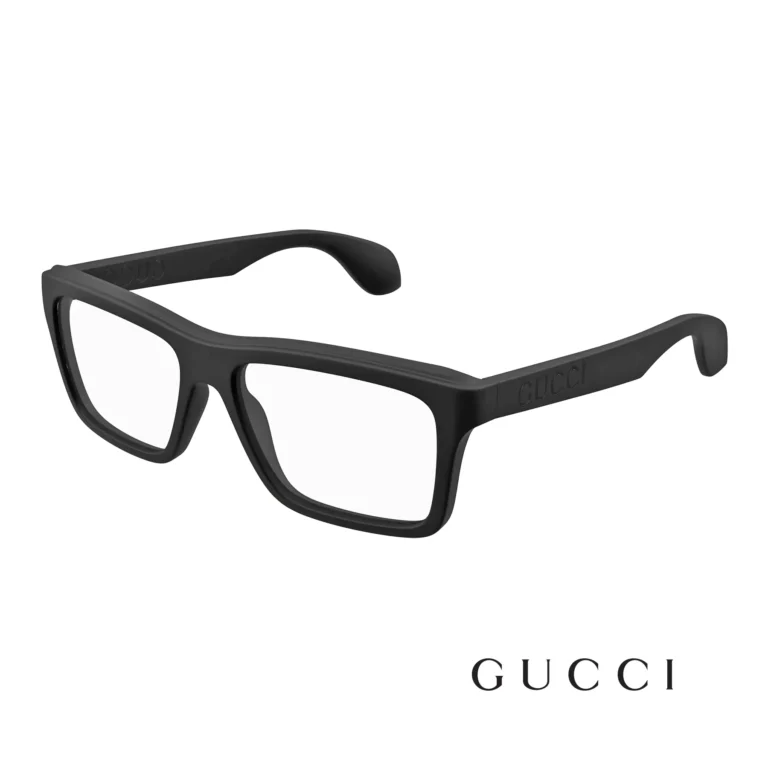
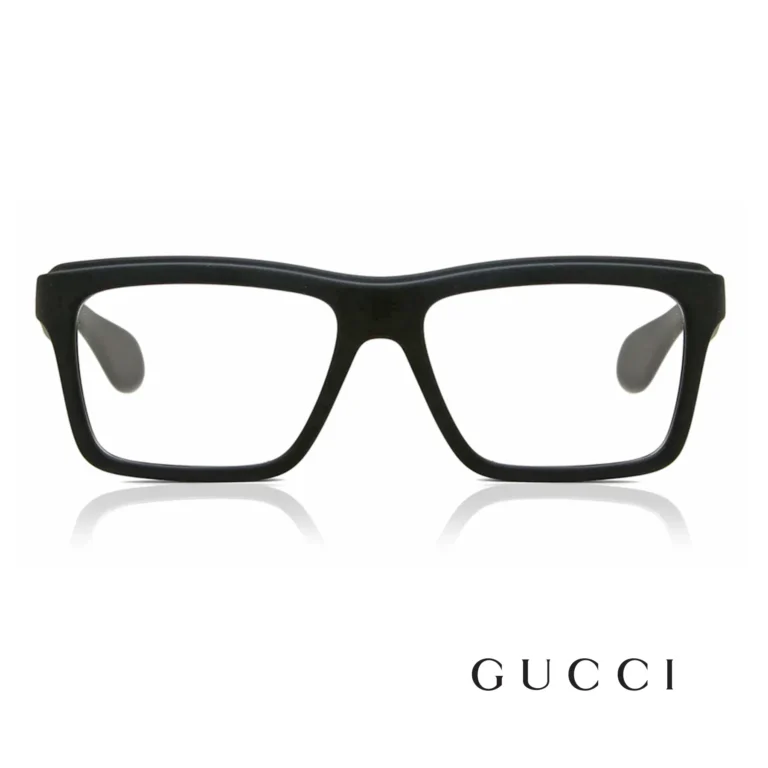
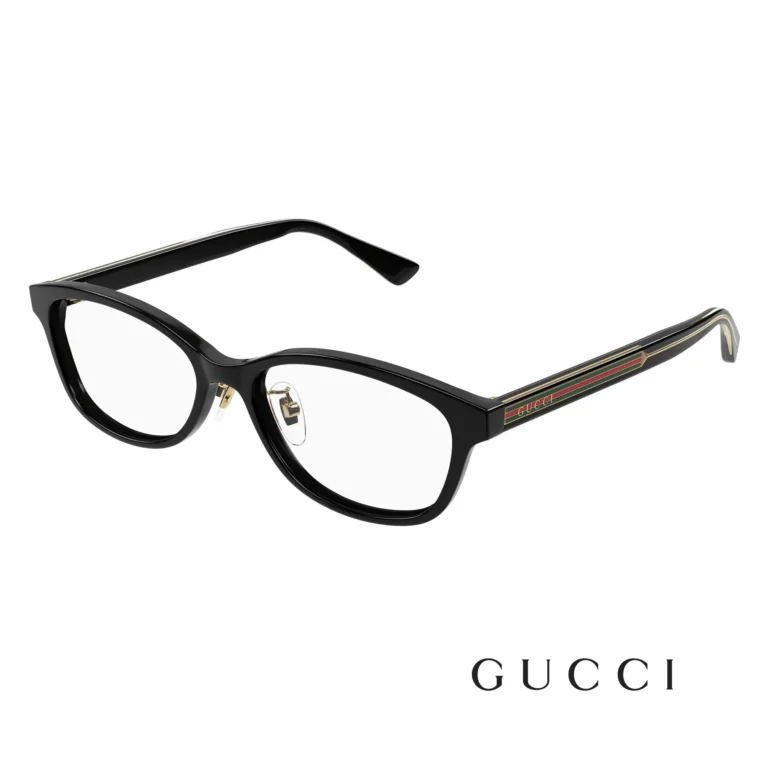
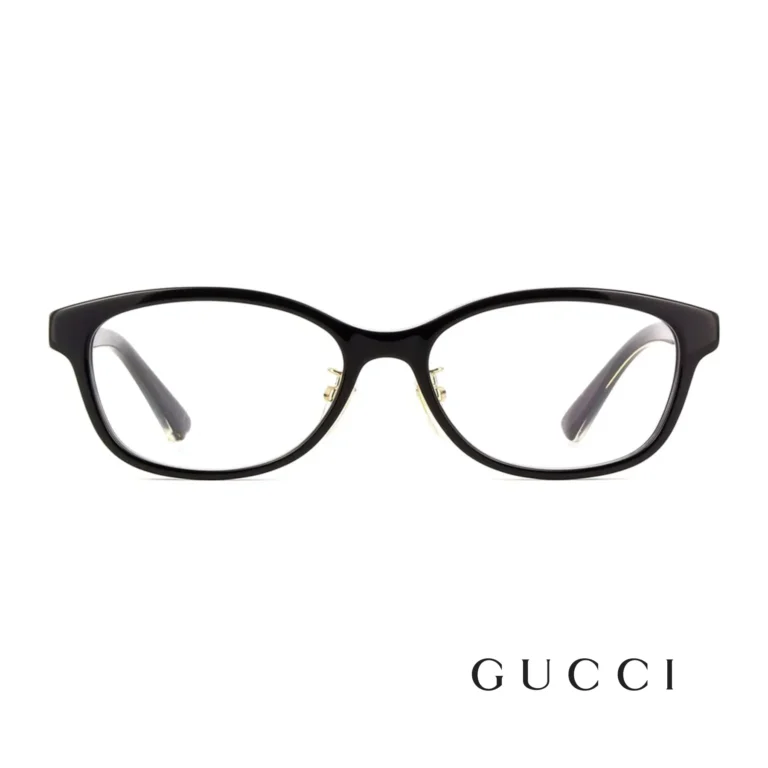
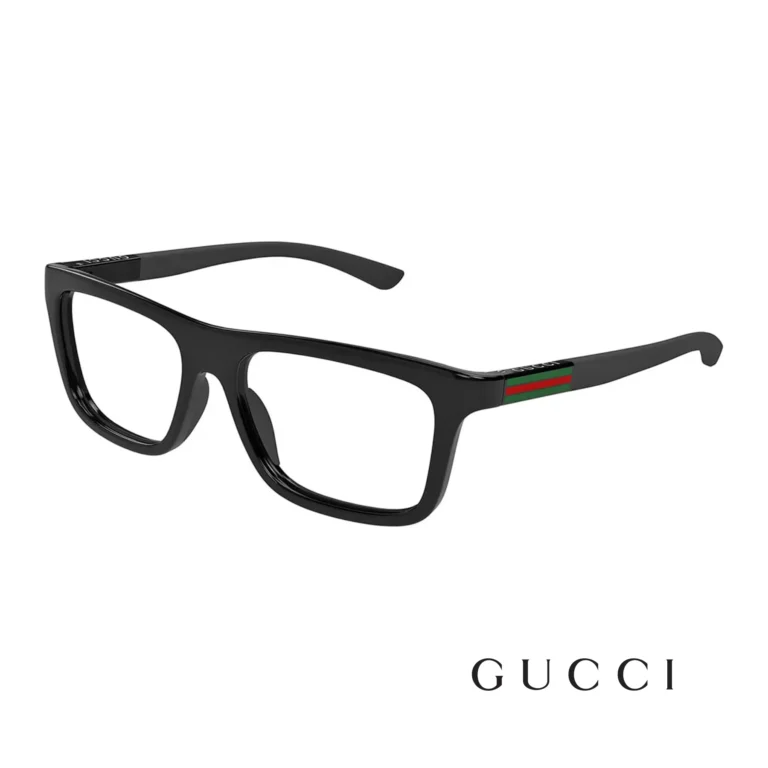
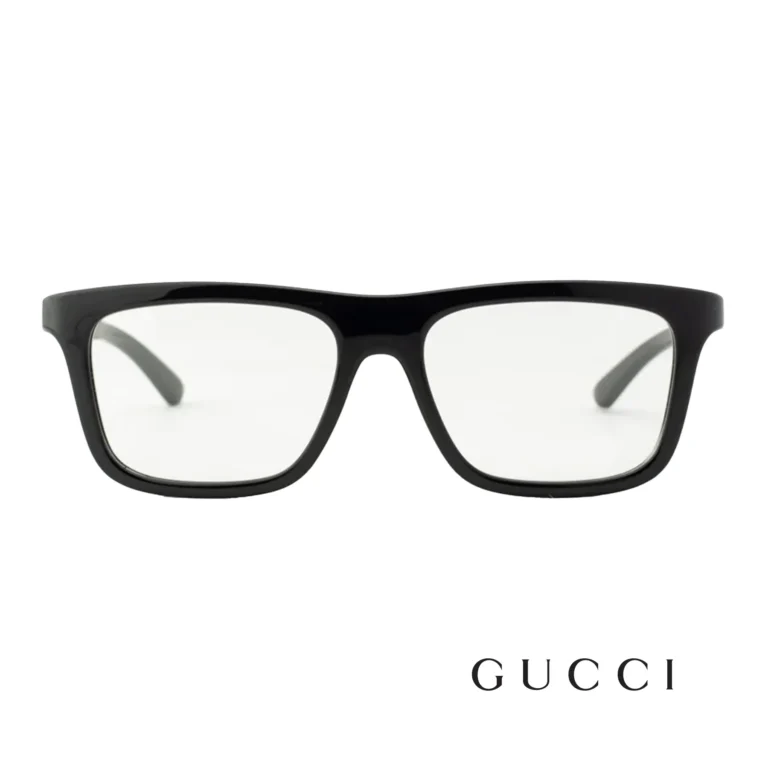
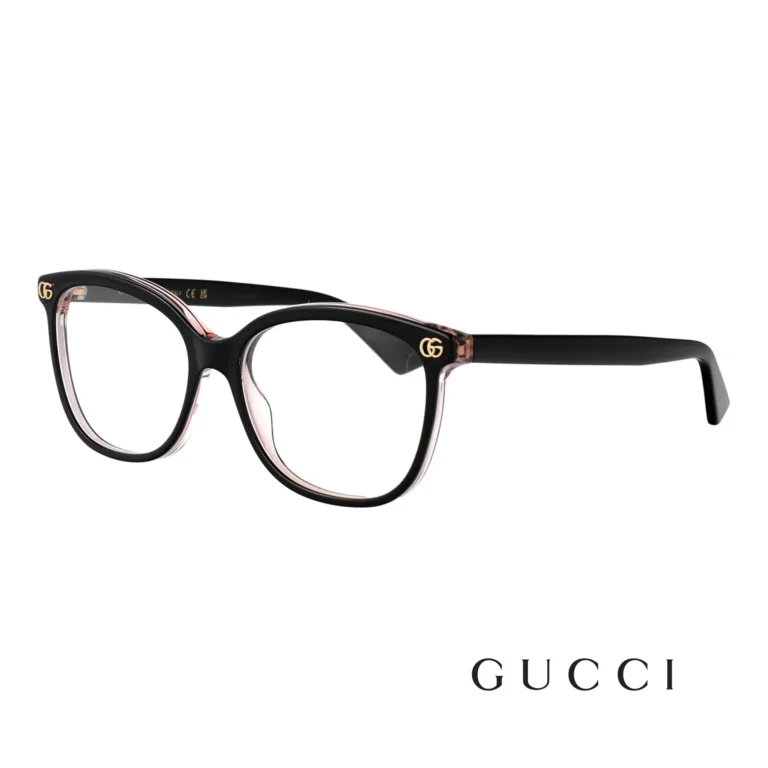
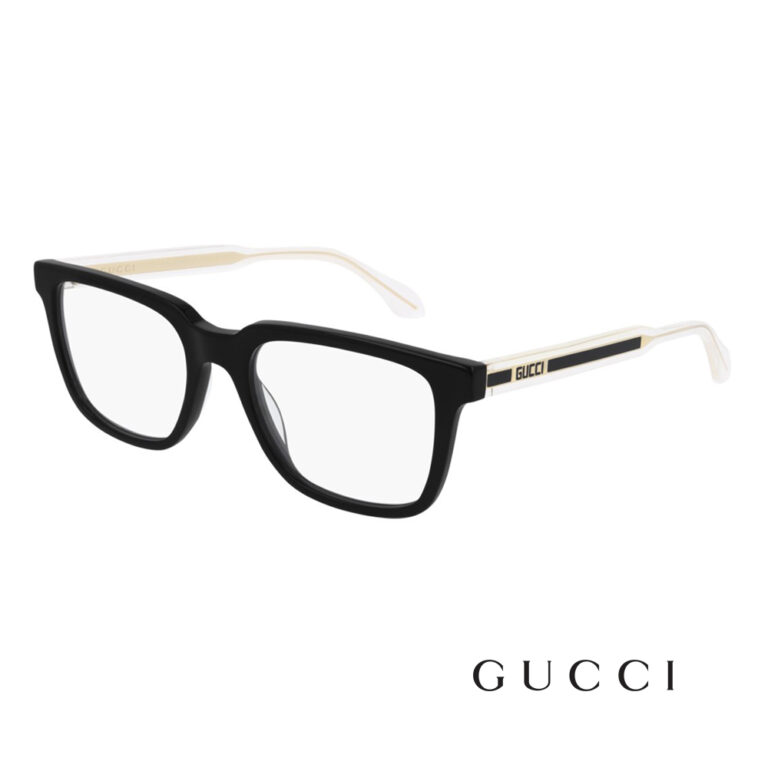
Gucci
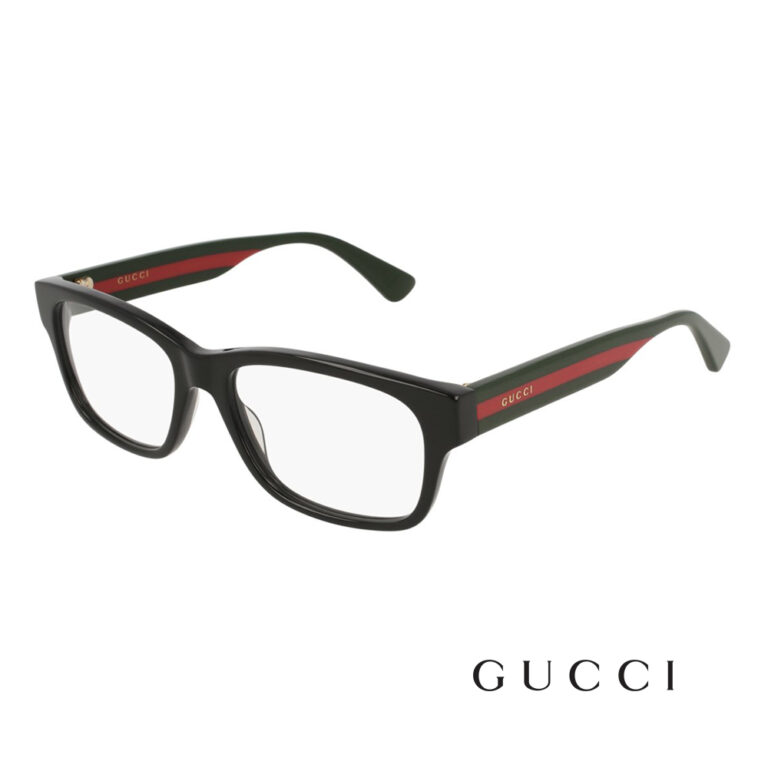
$520.00 ListGucci GG0343
-
Out of StockSale
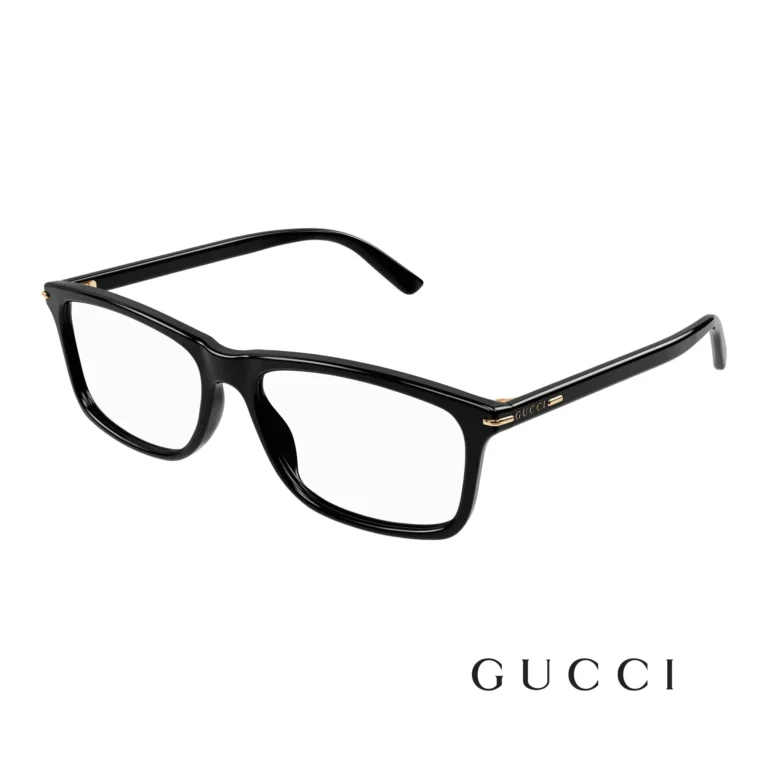
$430.00 List
Gucci GG0613
-
Out of StockSale
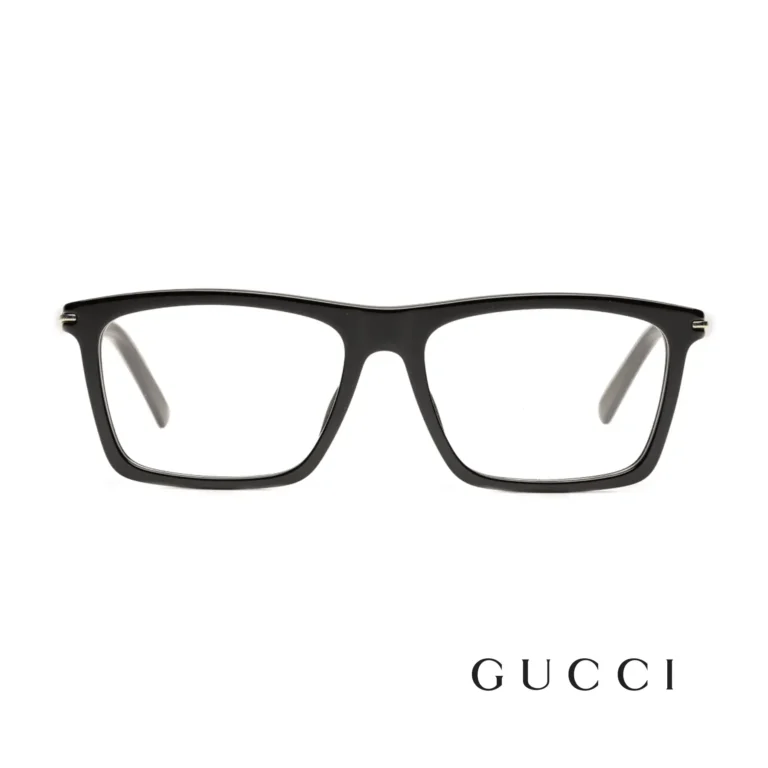
$430.00 List
Gucci GG1573-001
-
Sale
$430.00 ListGucci GG1612-001
-
Out of StockSale
$430.00 List
Gucci GG1737-001
-
Sale
$430.00 ListGucci GG1816-007
-
Sale $430.00 ListGucci GG0560-005
-
Sale
$430.00 ListGucci GG1447
-
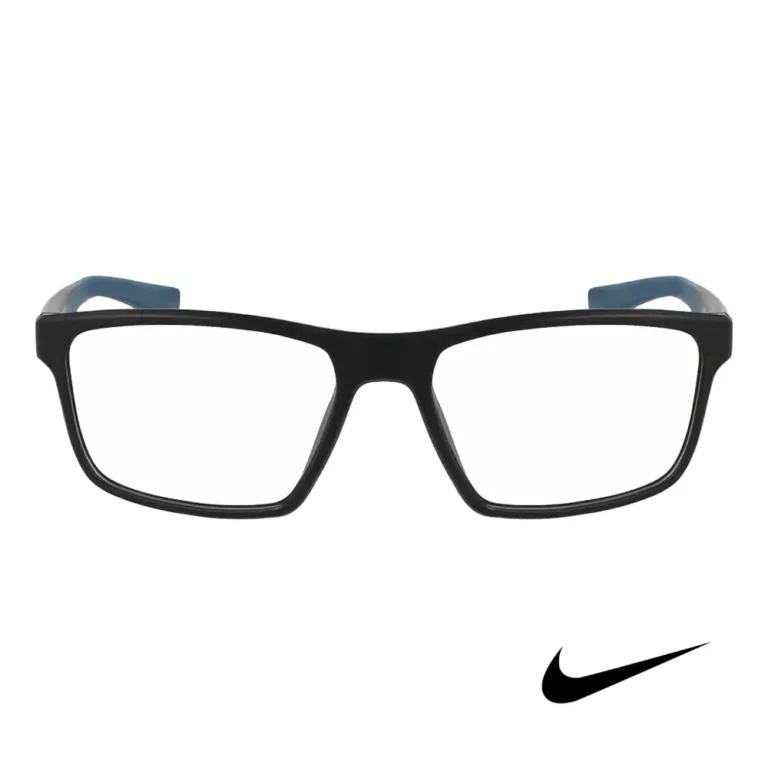
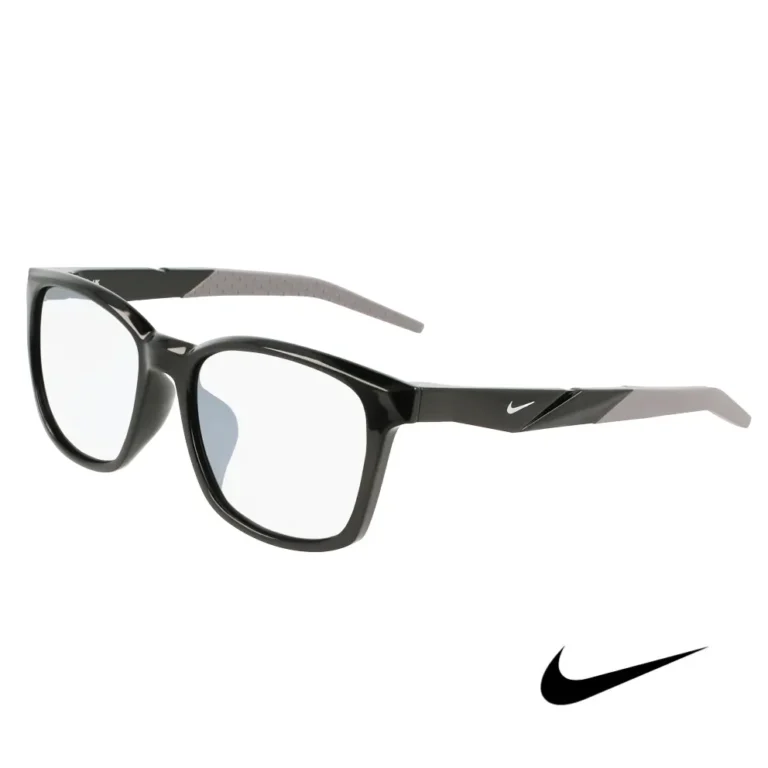
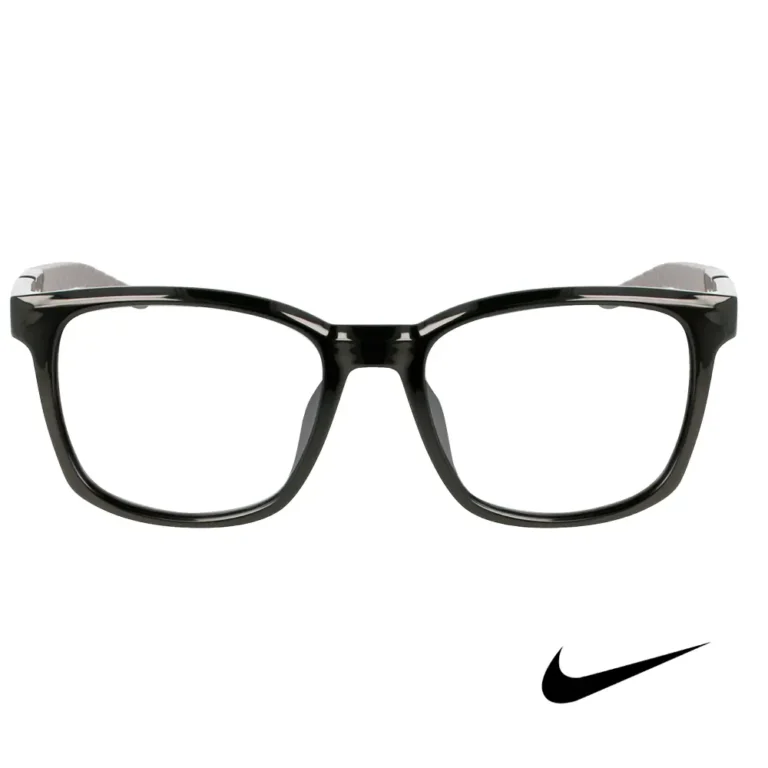
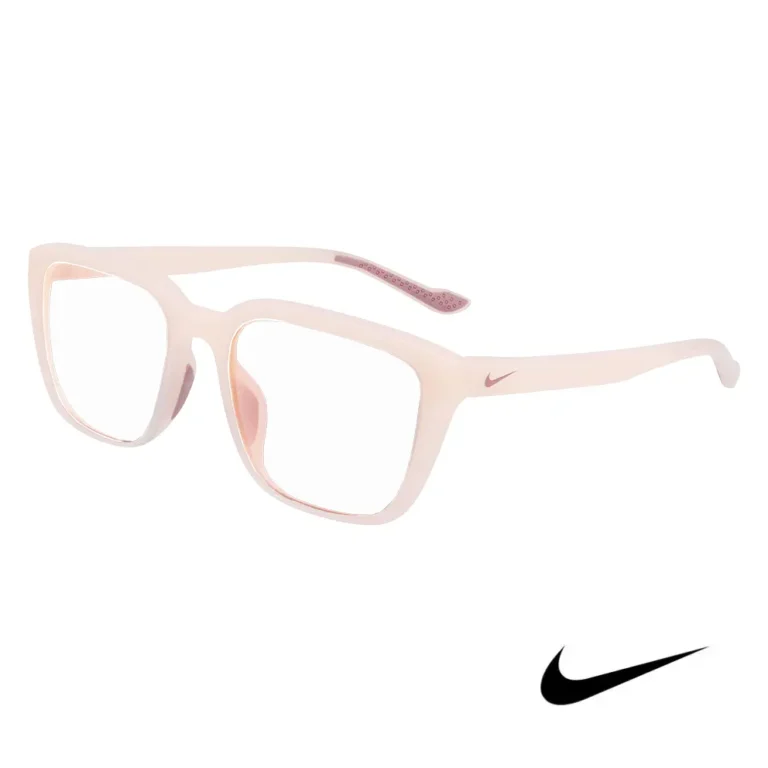
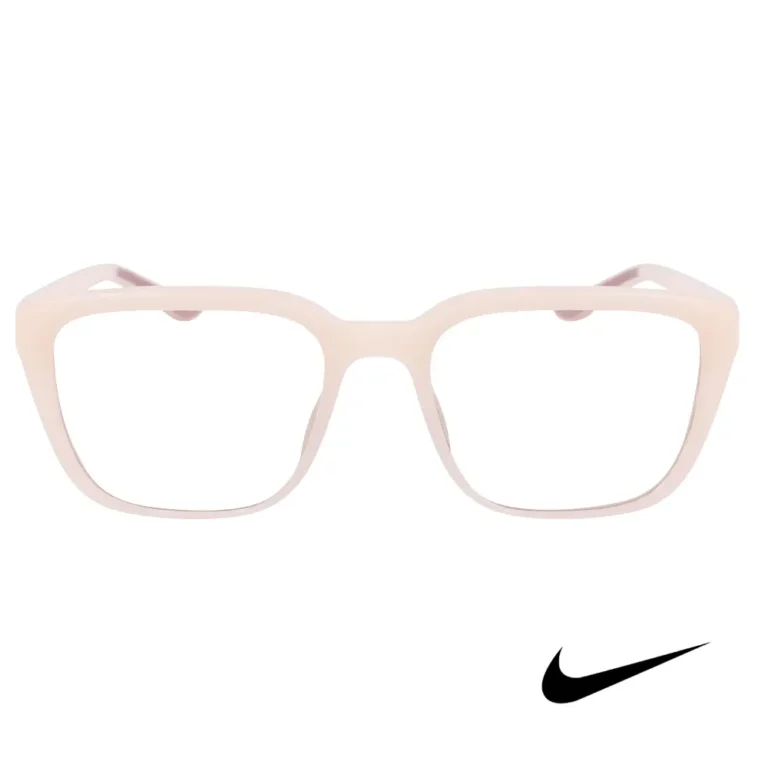
Nike
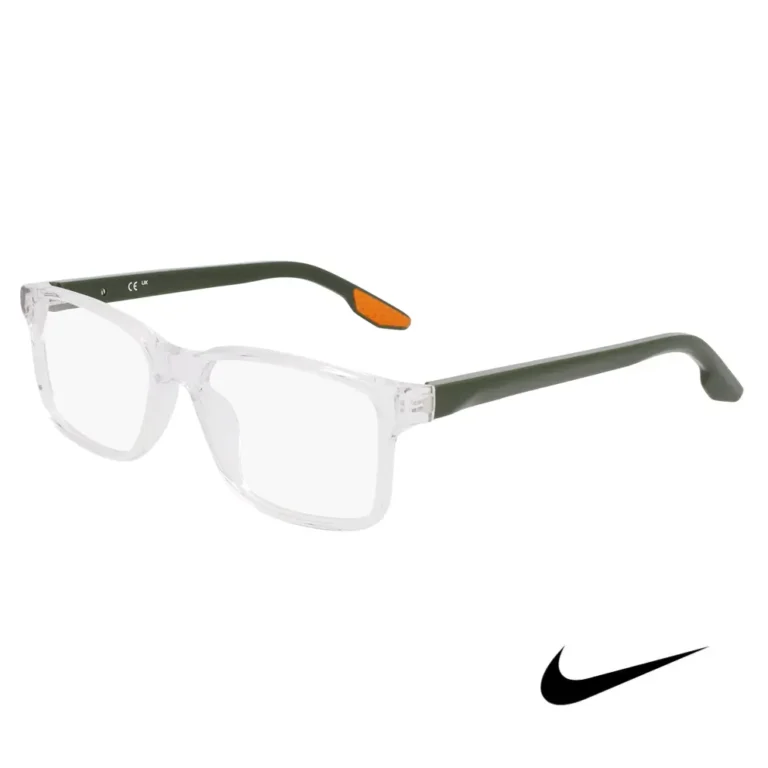
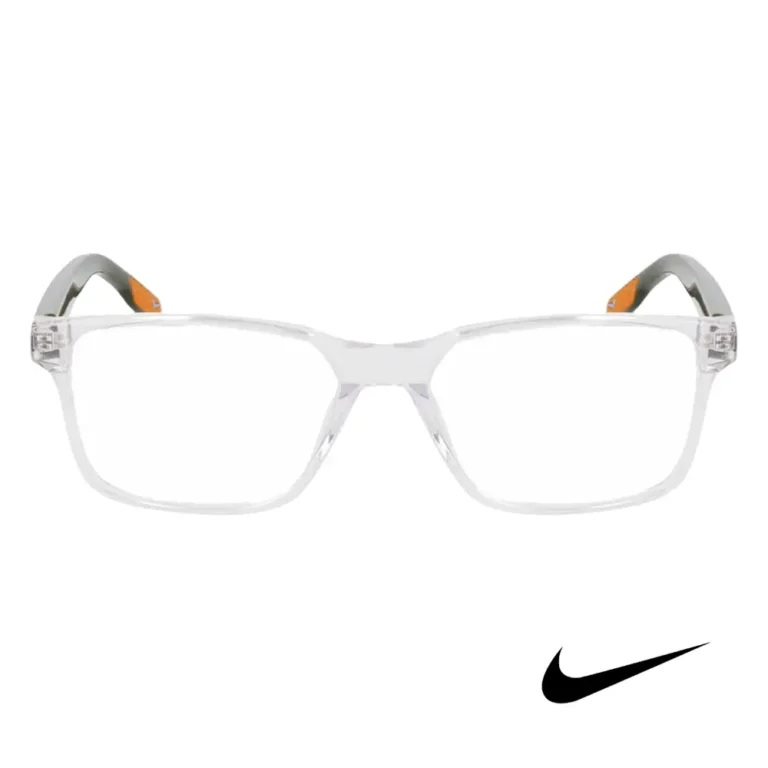
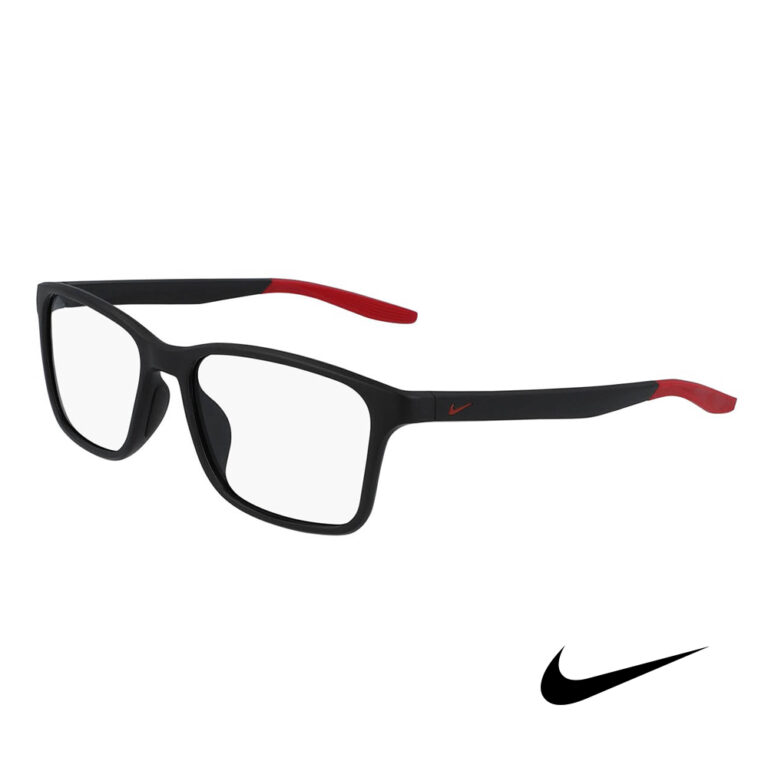
$350.00 ListNike 7015
-
Out of StockSale
$350.00 List
Nike 7160
-
Out of StockSale
$350.00 List
Nike 7177
-
Sale
$350.00 ListNike 7405
-
Sale
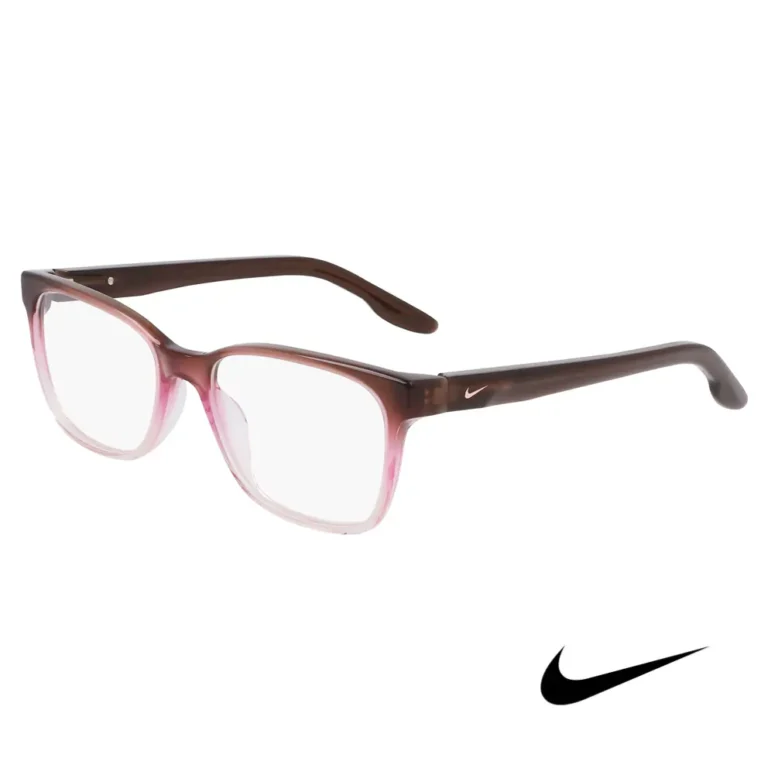
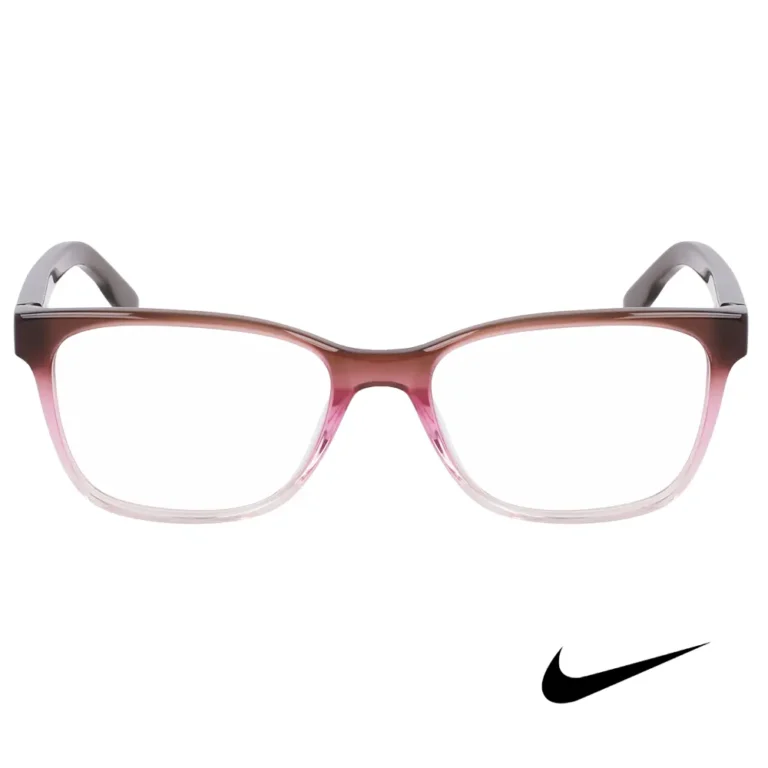
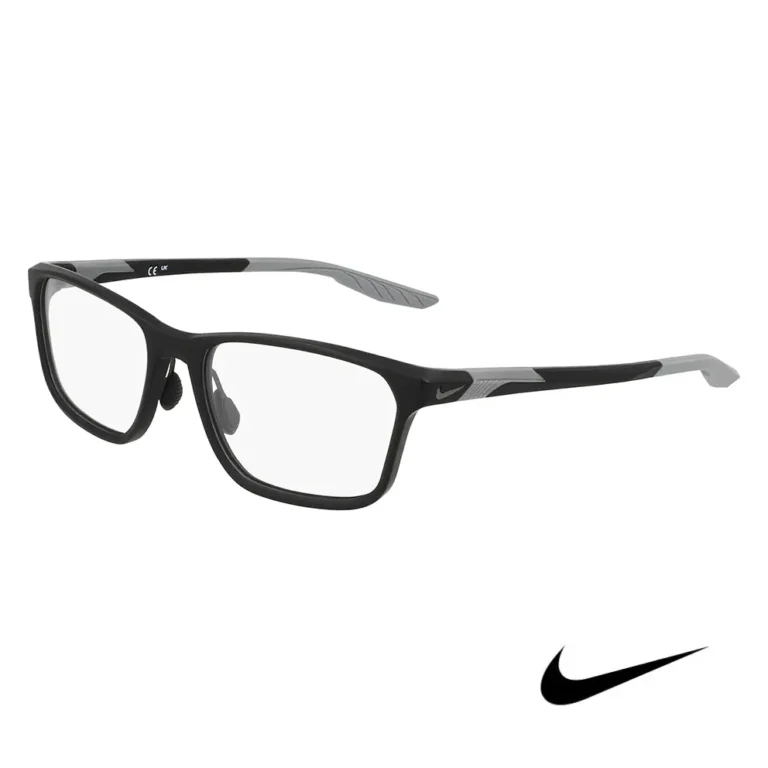
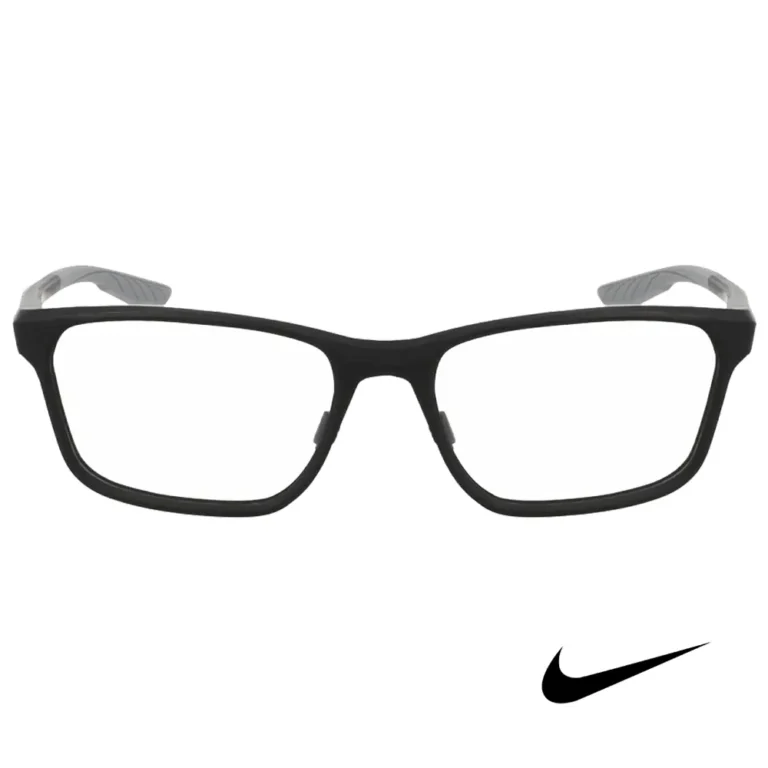
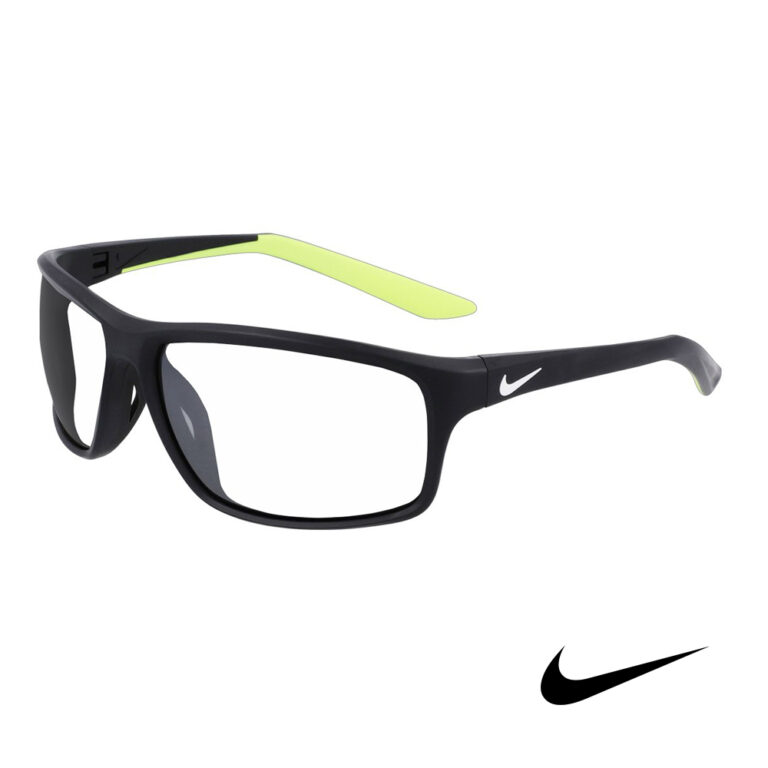
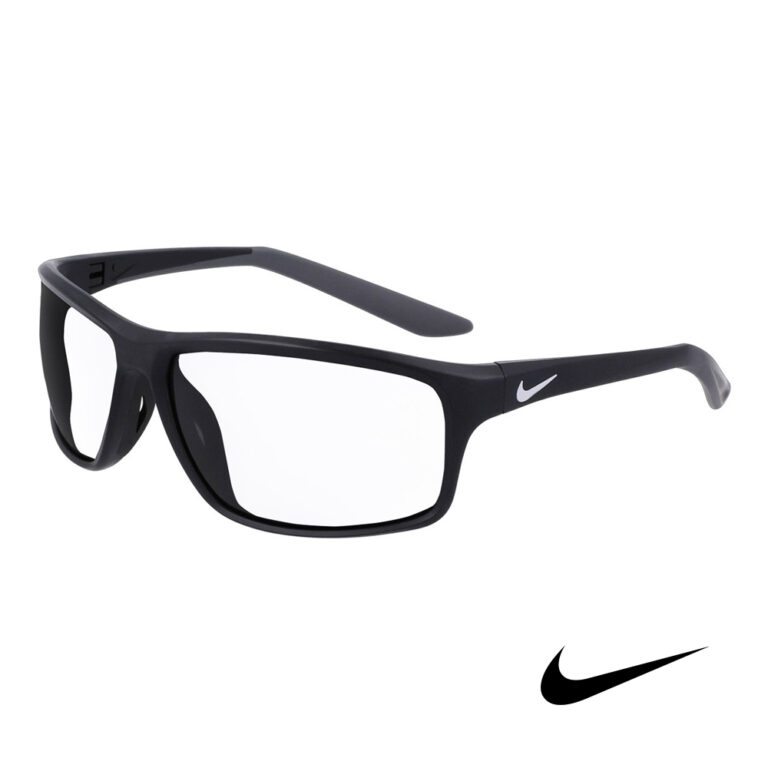
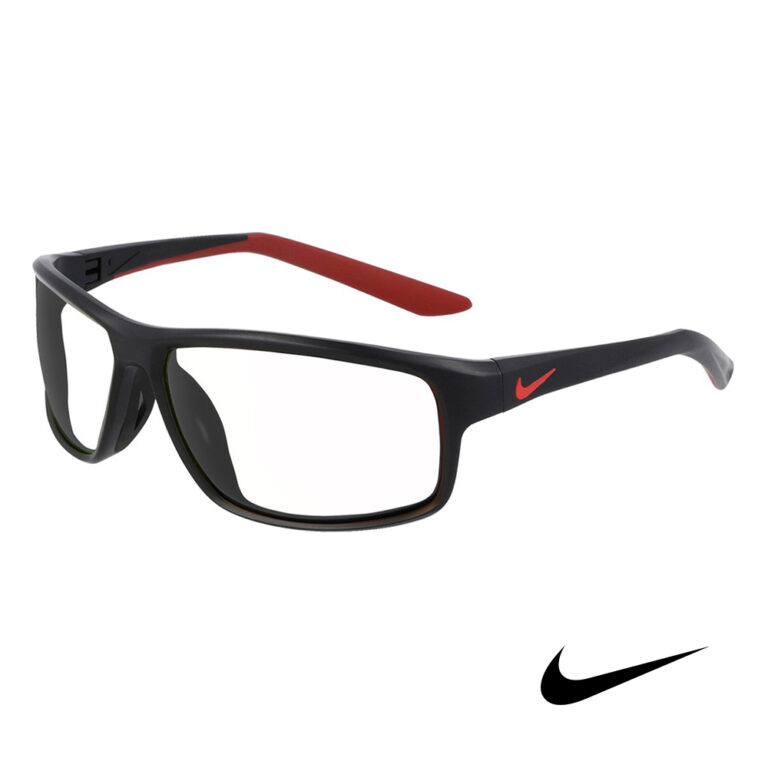
$350.00 ListNike Adrenaline 22
-
Out of StockSale
$350.00 List
Nike Radeon 3 LB
-
Out of StockSale
$350.00 List
Nike Temper Flair
-
Out of StockSale $350.00 List
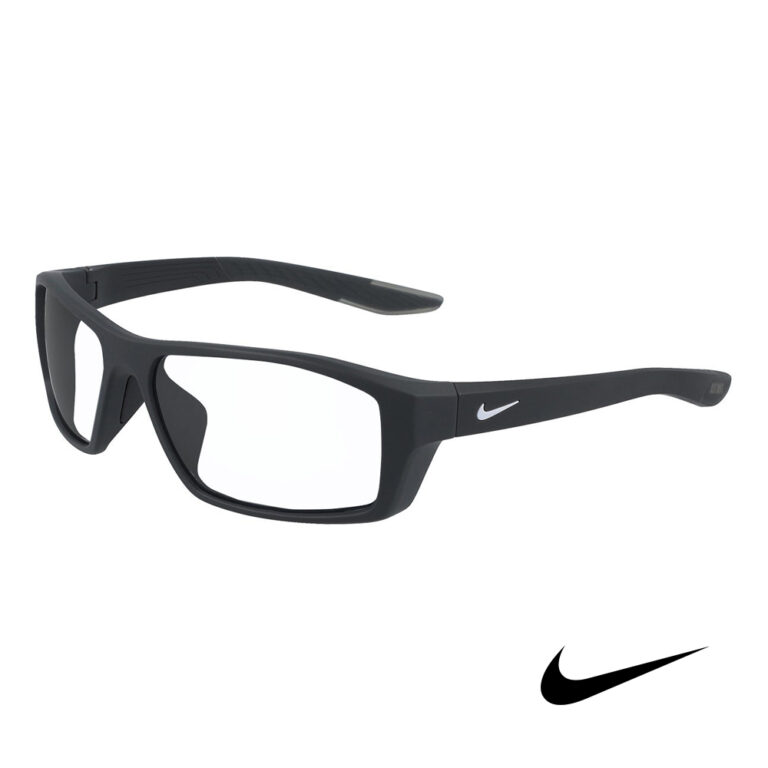
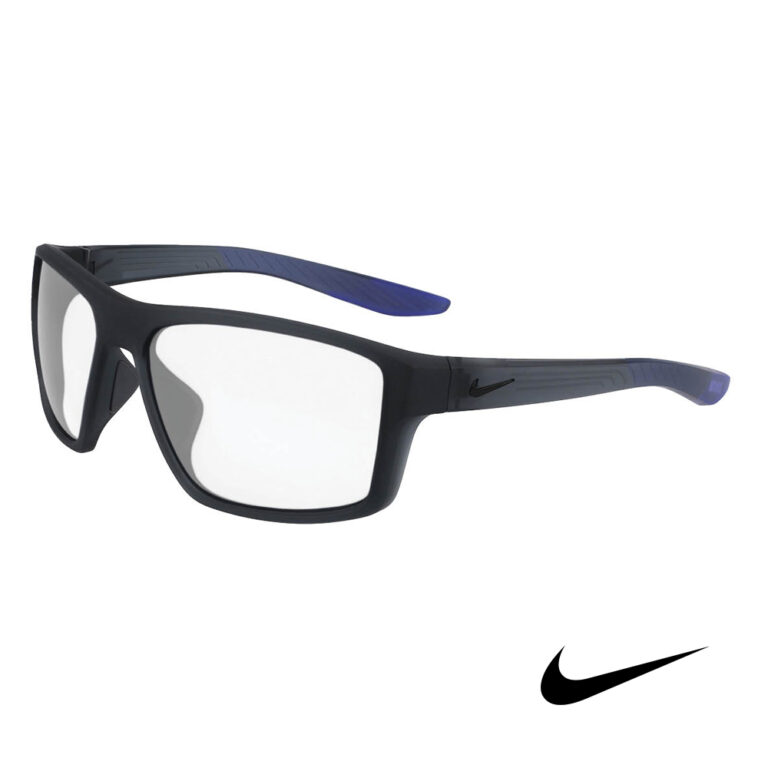
Nike Brazen Shadow
-
Sale
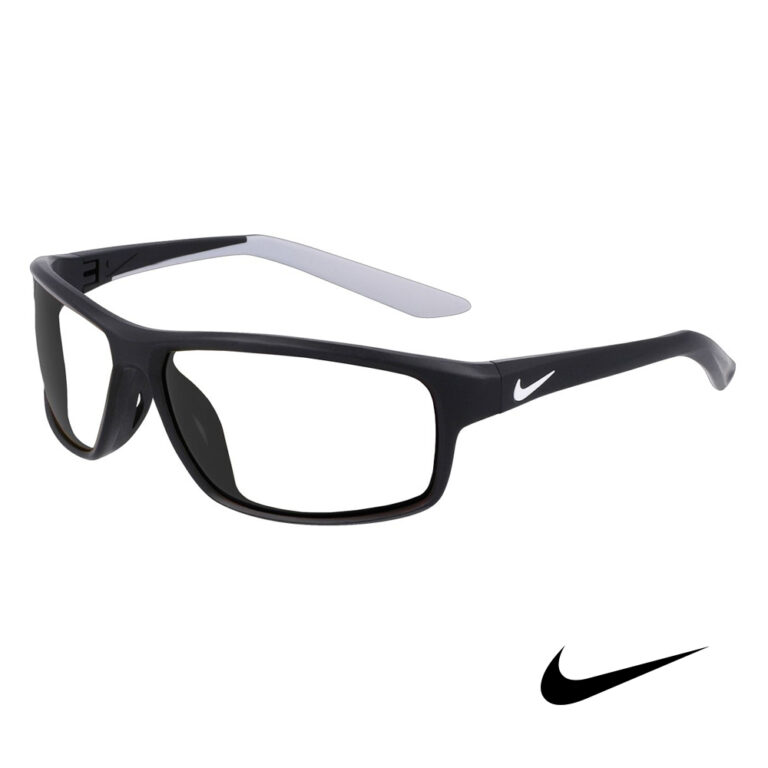
$350.00 ListNike Rabid 22
-
Out of StockSale
$350.00 List
Nike 7116
-
Sale  $350.00 List
Nike 7117
-
Sale
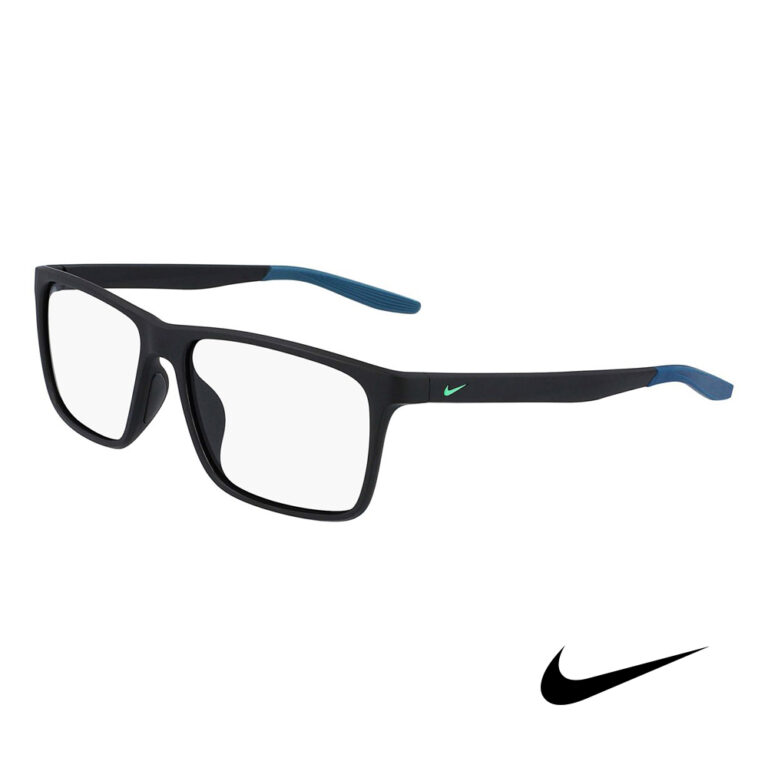
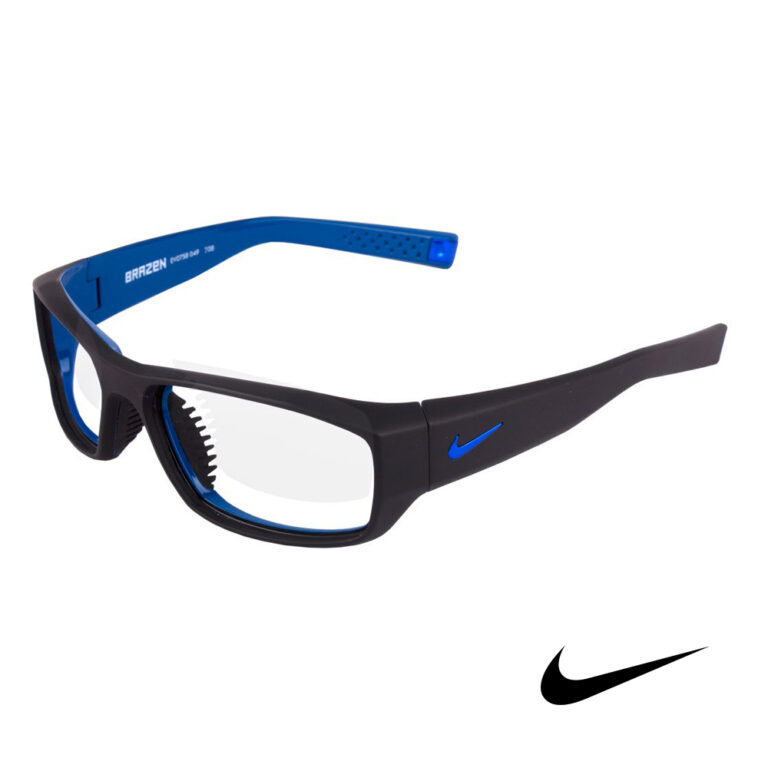
$350.00 ListNike Brazen Fury
-
Out of StockSale
$350.00 List
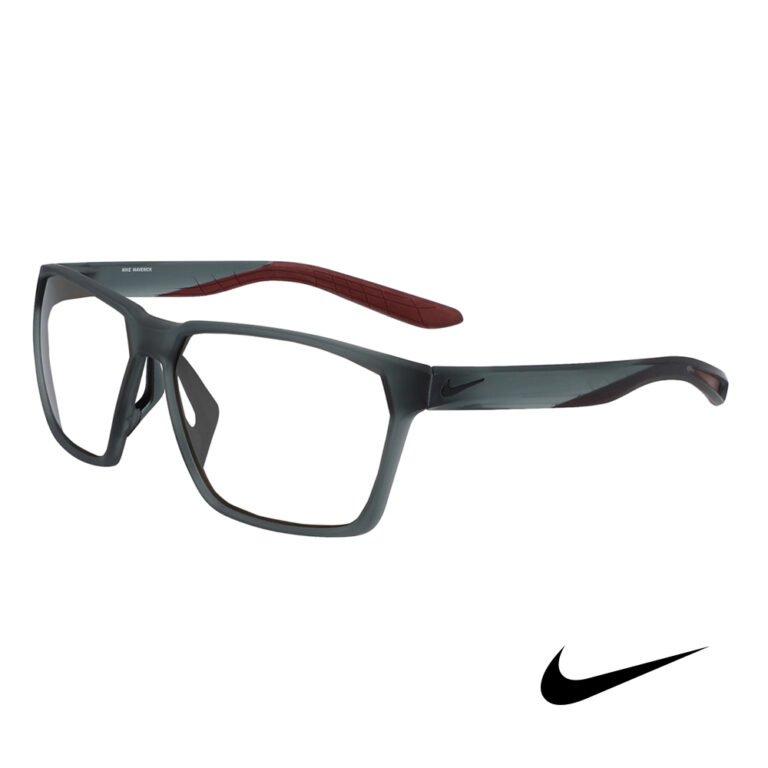
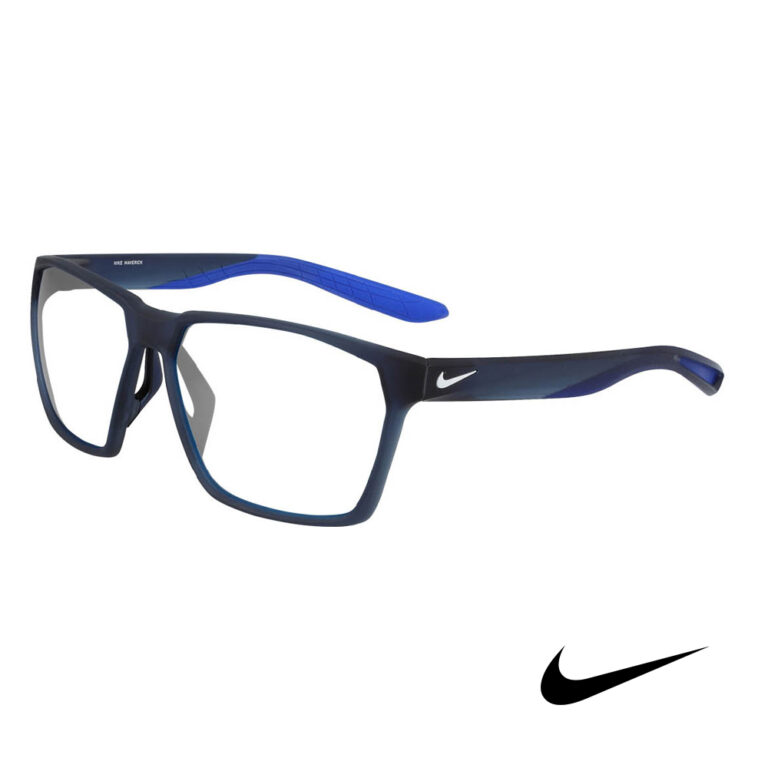
Nike Maverick
-
Sale
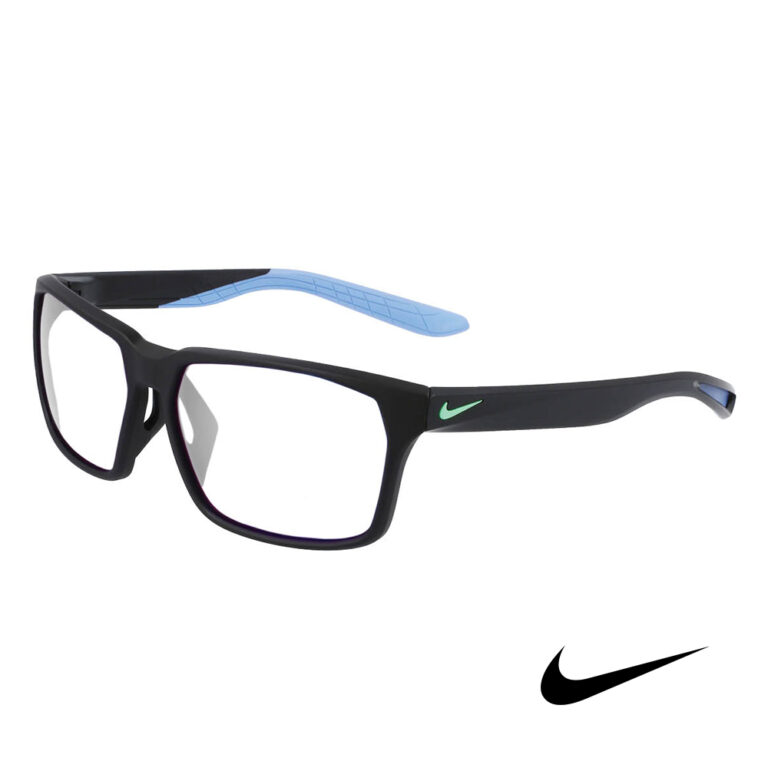
$350.00 ListNike Maverick RGE
-
Sale
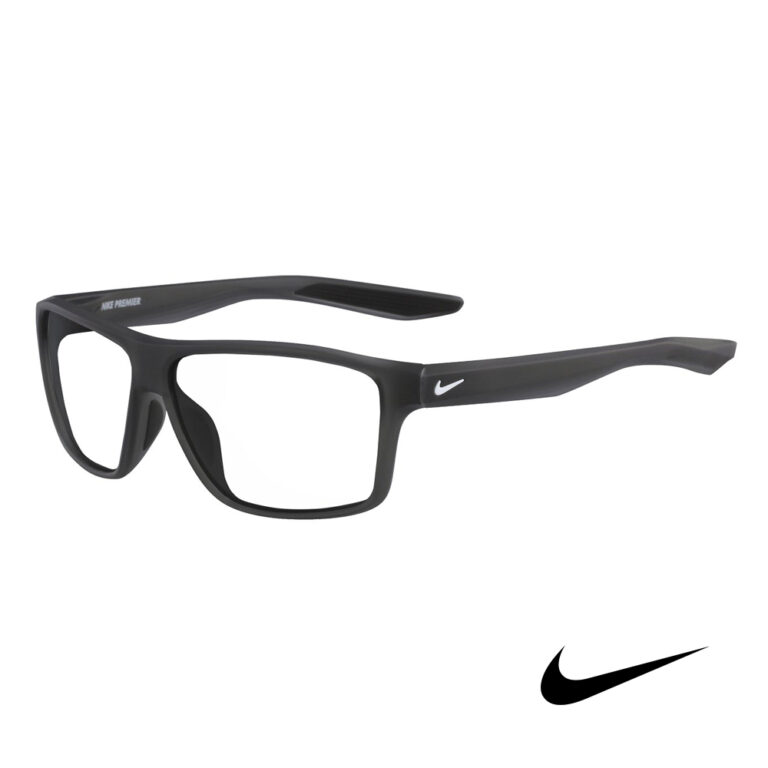
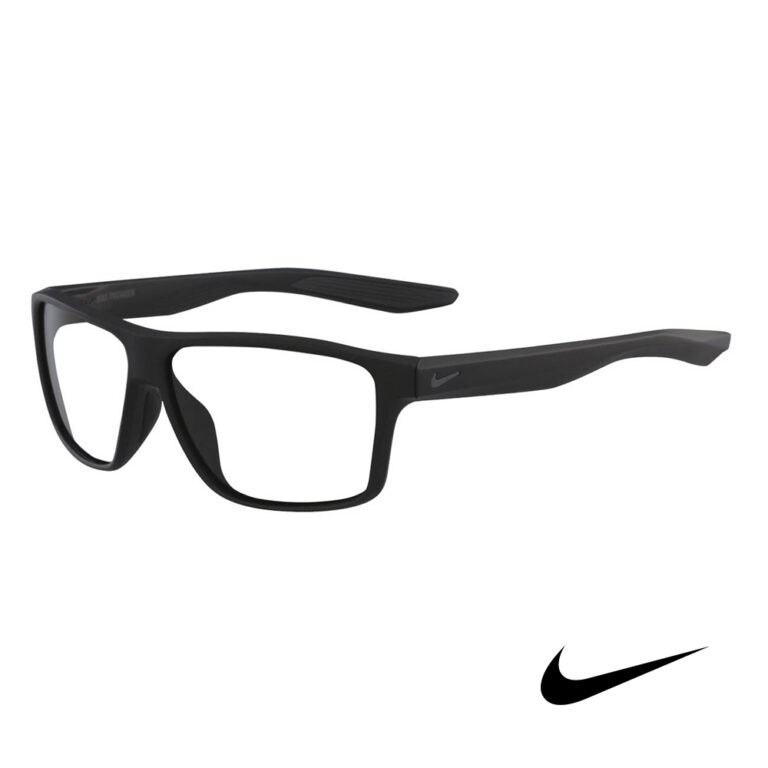
$350.00 ListNike Premier
-
Out of StockSale
$350.00 List
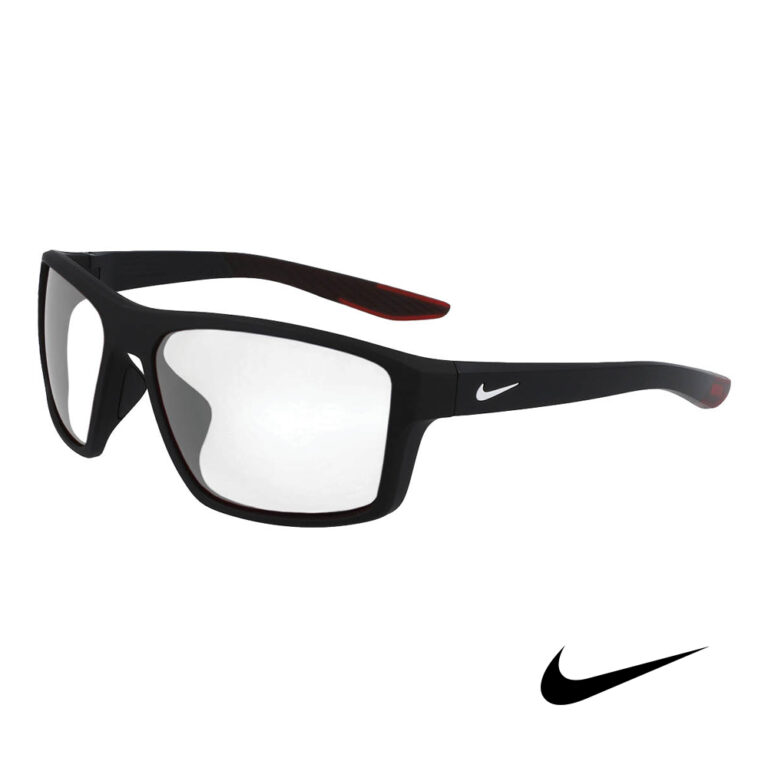
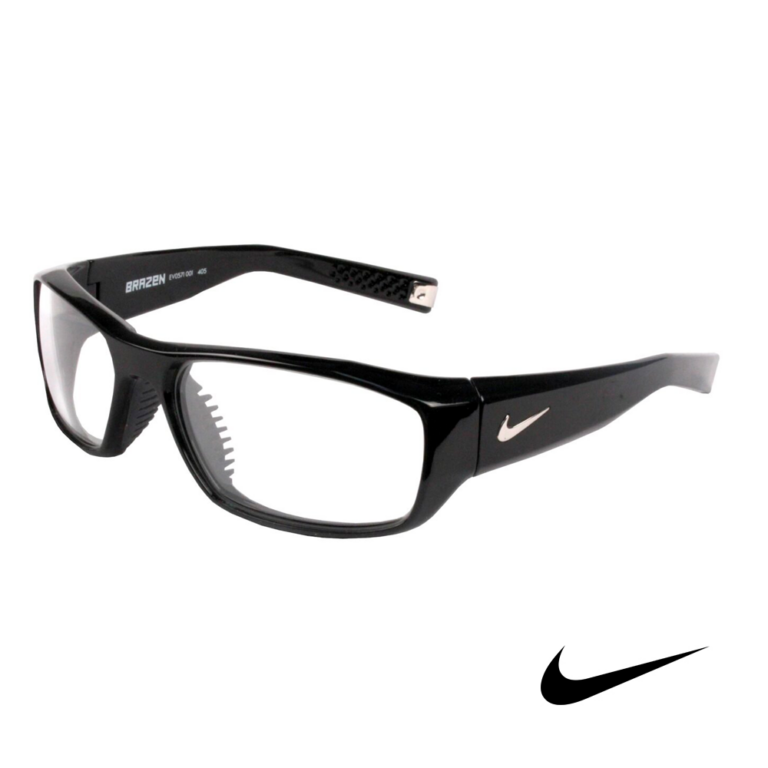
Nike Brazen
-
Fitovers
$240.00 ListFitover MX
-
Sale
$240.00 ListFitover XL
-
Sale
$330.00 ListFitovers Razor
-
Sale
$330.00 ListFitovers Lotus
-
Sale
$210.00 ListFitovers EcoFit
-
INFAB Styles
Out of StockSale $250.00 List
Cyberflex
-
Out of StockSale
$220.00 List
EVO
-
Sale
Price range: $225.00 through $252.00Incredibles –
-
Sale
$210.00 ListMaxx 30
-
Sale
$220.00 ListZion
-
Sale
$210.00 ListZone –
-
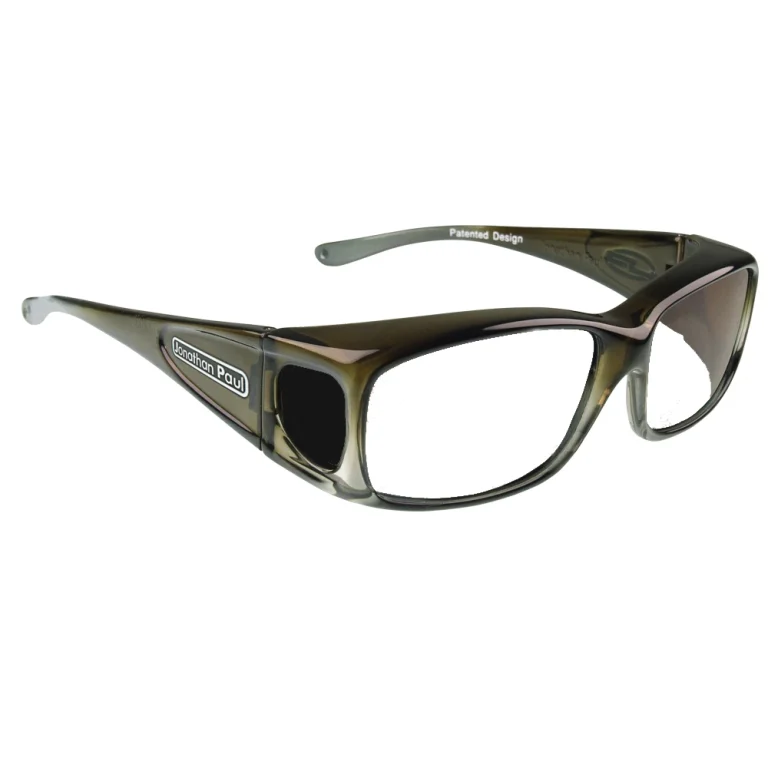
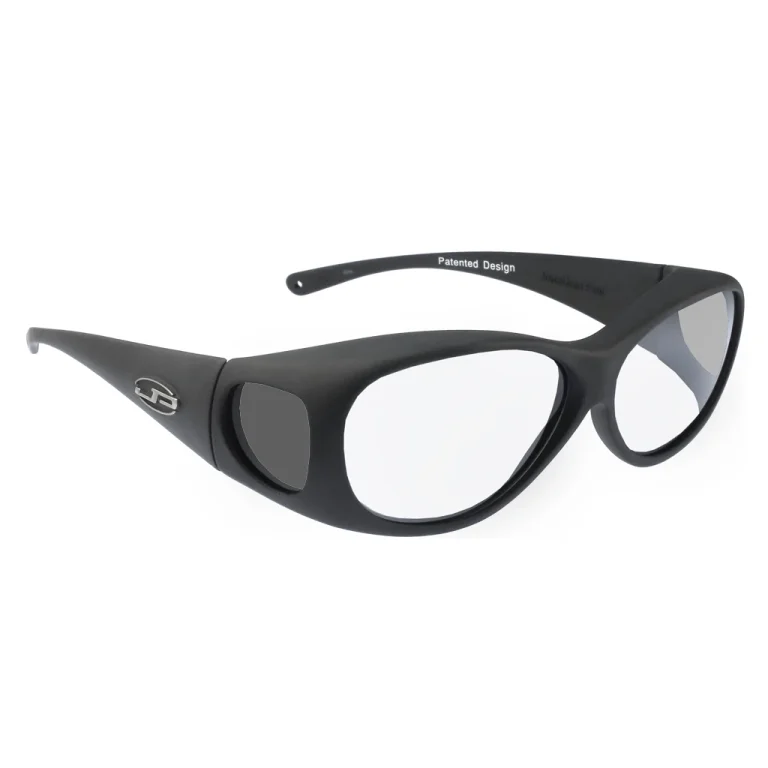
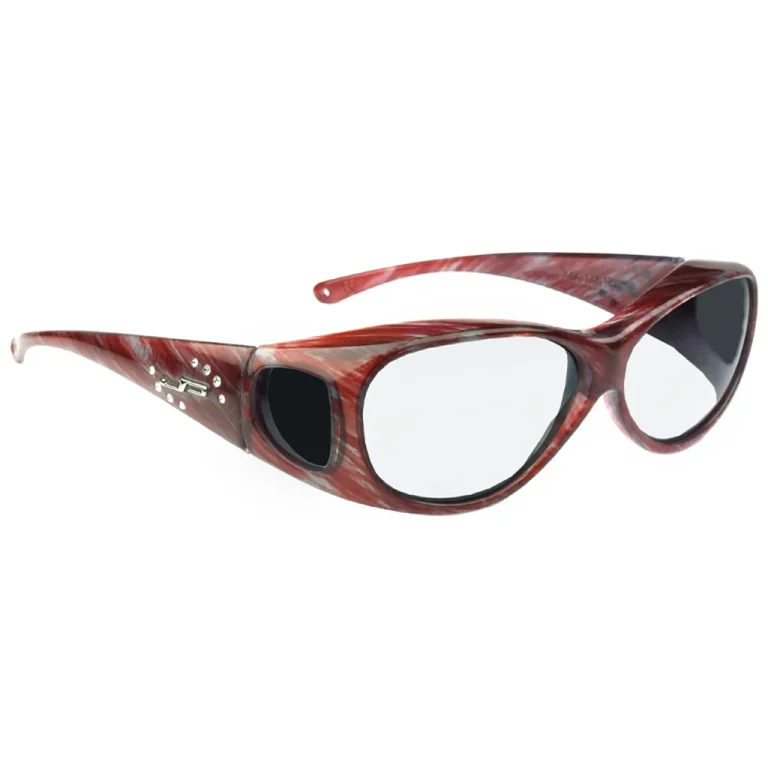
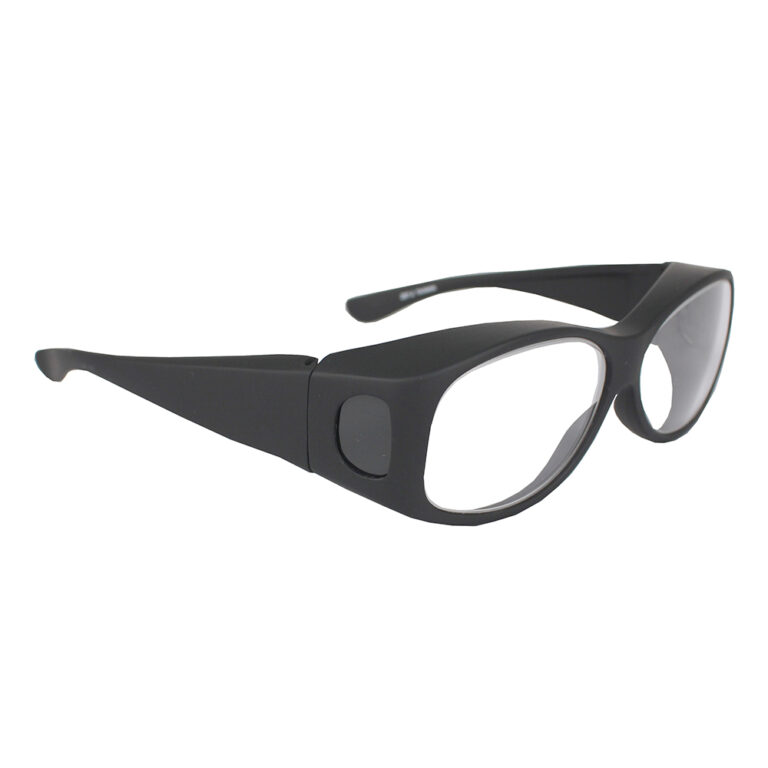
Sale $195.00 ListPremium Wraps –





Wear & Care
How to wear your lead glasses
A secure, proper fit keeps your eyes protected throughout every case, so take a moment to set up your eyewear before you start.
- Position the glasses so the lenses sit close to your face and the side shields cover the outer corners of your eyes, where scatter radiation can reach.
- Attach the included safety strap to both temples and adjust it snug behind your head so the glasses stay put and cannot slip off mid-procedure.
- Confirm the fit is secure with a quick head movement, since an improper fit can increase radiation exposure and a dropped pair can compromise the sterile field.
- Store the glasses in their protective case between cases to prevent scratches that reduce clarity.
For questions about the level of protection required for a specific procedure, consult your facility’s Radiation Safety Officer.
Buying Guide
How to choose your radiation glasses
Open a topic to dig into where lead glasses are worn, how prescription and fitover options work, and how coverage and fit affect protection.
Lead glasses for radiology and fluoroscopy

For the Table
Lead glasses for radiology and fluoroscopy
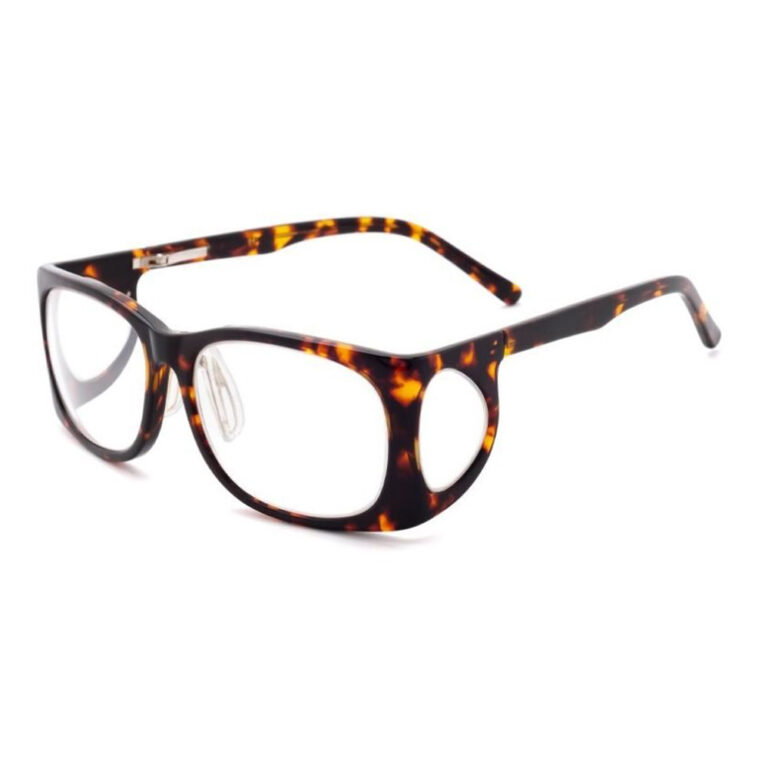
Radiology and fluoroscopy put staff close to the imaging field for extended periods, often with the tube positioned in ways that increase scatter toward the operator. That makes eyewear a practical, everyday concern for cath lab teams, interventional radiology, pain management, electrophysiology, and any service line built around fluoroscopic guidance.
INFAB carries a range of designer frames, including Ray-Ban, Oakley, Gucci, Nike, and Fitovers styles alongside INFAB frames, in standard and wraparound or side-shield configurations, with prescription lenses available on select styles.
Prescription lead glasses
One Pair, Both Jobs
Prescription lead glasses
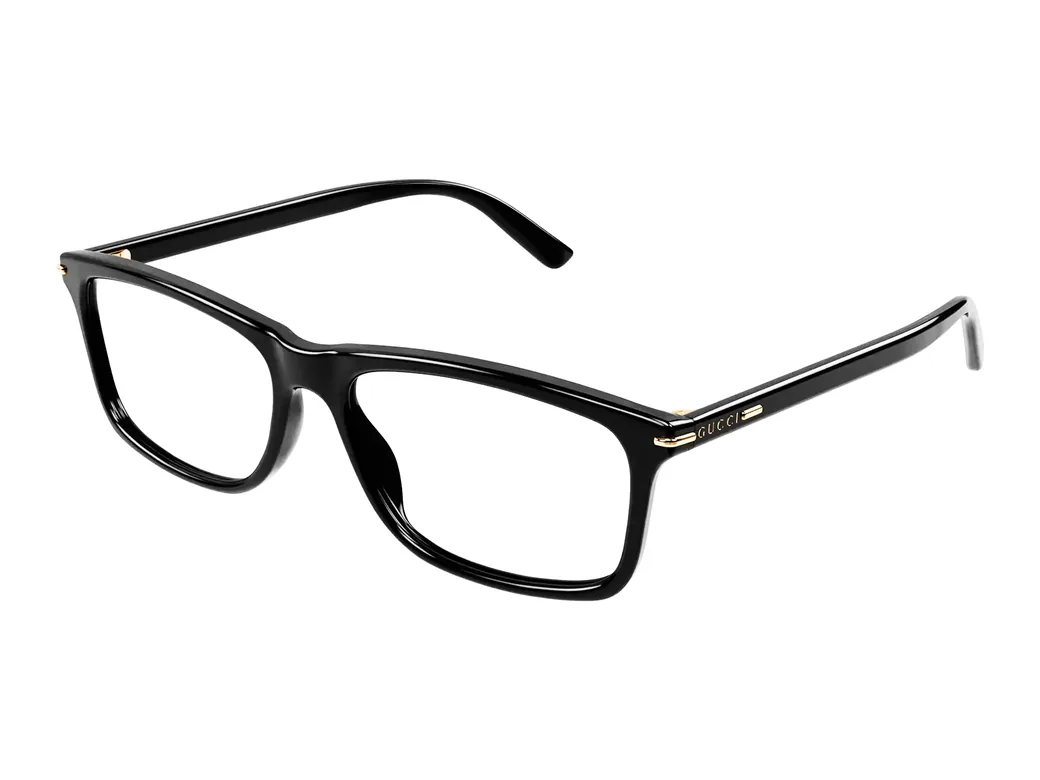
Many clinical staff who need radiation eye protection already wear prescription glasses for everyday vision correction. Prescription lead glasses build that correction directly into the radiation-protective eyewear, so a single pair delivers both clear vision and eye protection. There is no separate set of lenses to manage, and each wearer gets eyewear made to their own prescription.
This matters most during long procedures, where comfort and a secure fit help ensure the glasses stay in place and are worn consistently throughout the case. To order prescription radiation glasses for your team, download the prescription order form, complete the prescription information for each wearer, and return it to us.
Download the Prescription Order Form
Requires a signed optician prescription and PD for each wearer.
Fitover lead glasses
Keep Your Own Glasses
Fitover lead glasses
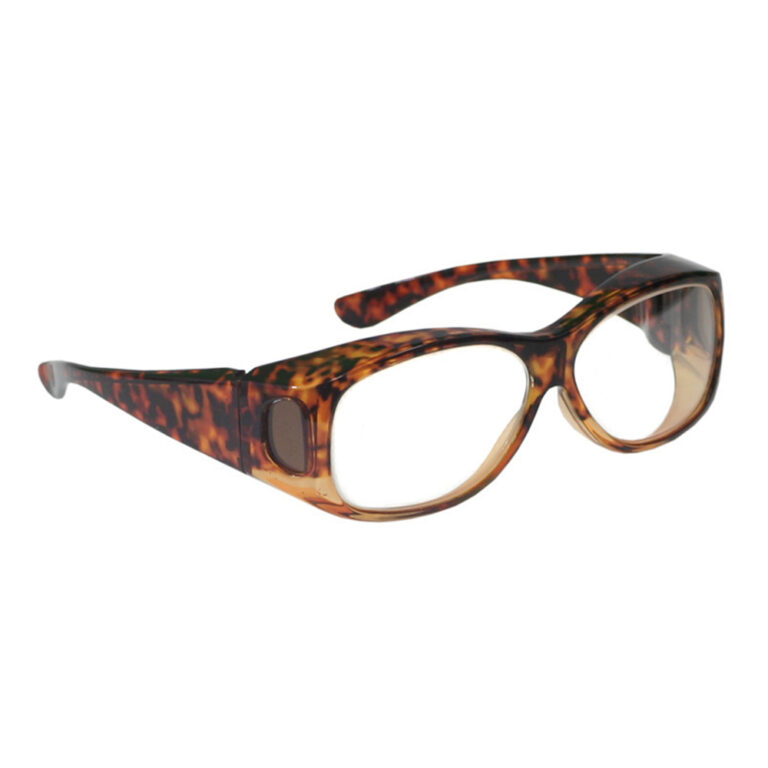
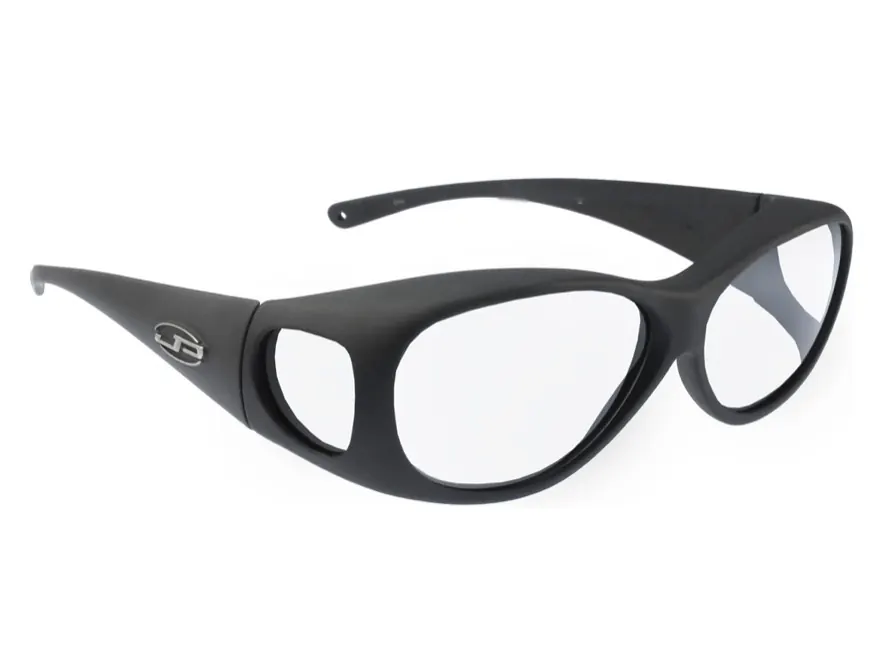
Fitovers are leaded radiation protection glasses designed to fit over the prescription eyewear you already wear, so you keep your own glasses on underneath and add a shielding layer on top. There is no prescription to supply and nothing to order from your optometrist: the leaded lenses sit in front of your everyday frames, which makes fitovers a practical option for staff who need radiation eye protection but do not want a second prescription pair.
Side shields, wraparound coverage, and fit
Coverage & Fit
Side shields, wraparound coverage, and fit
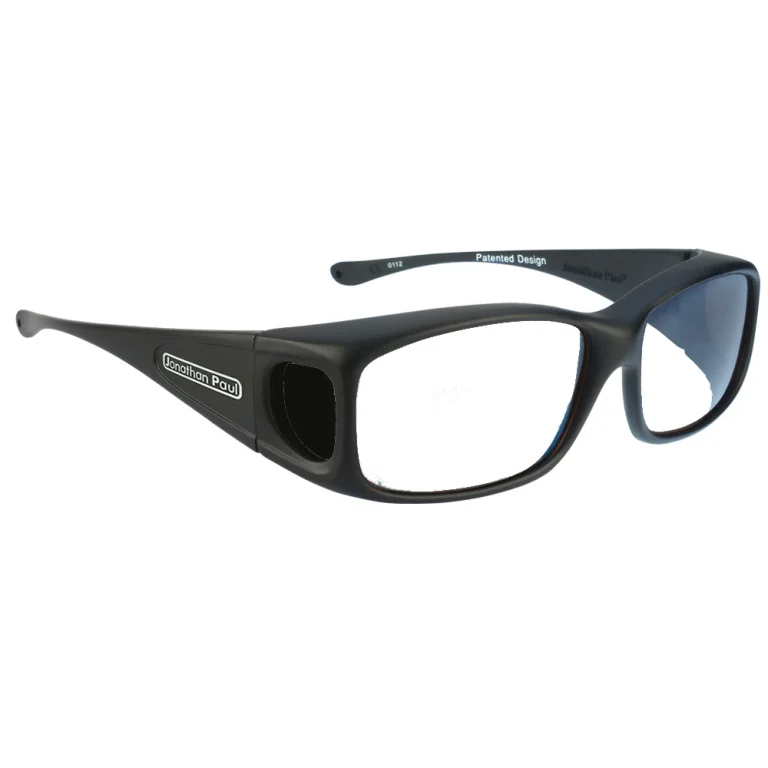
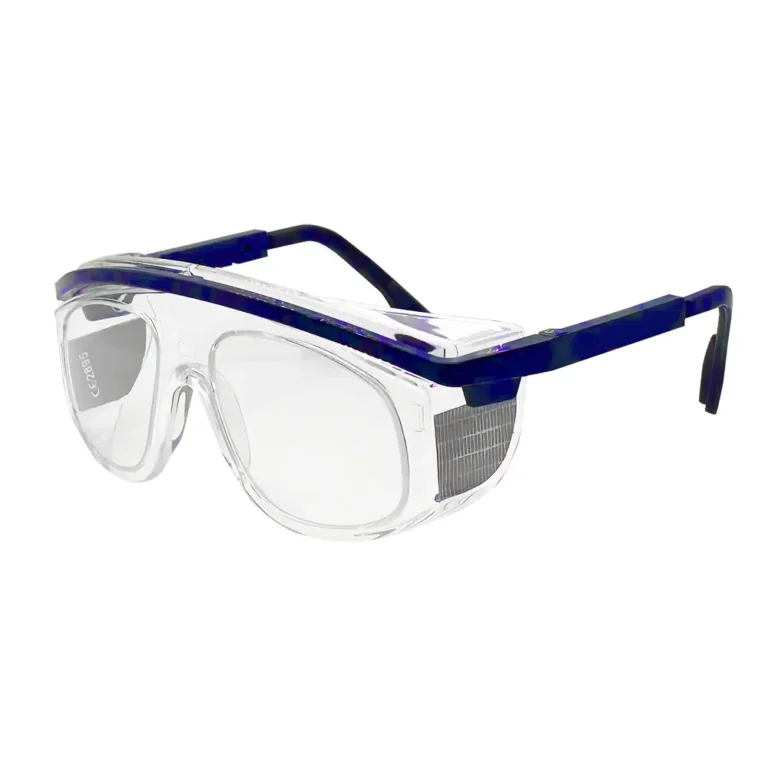
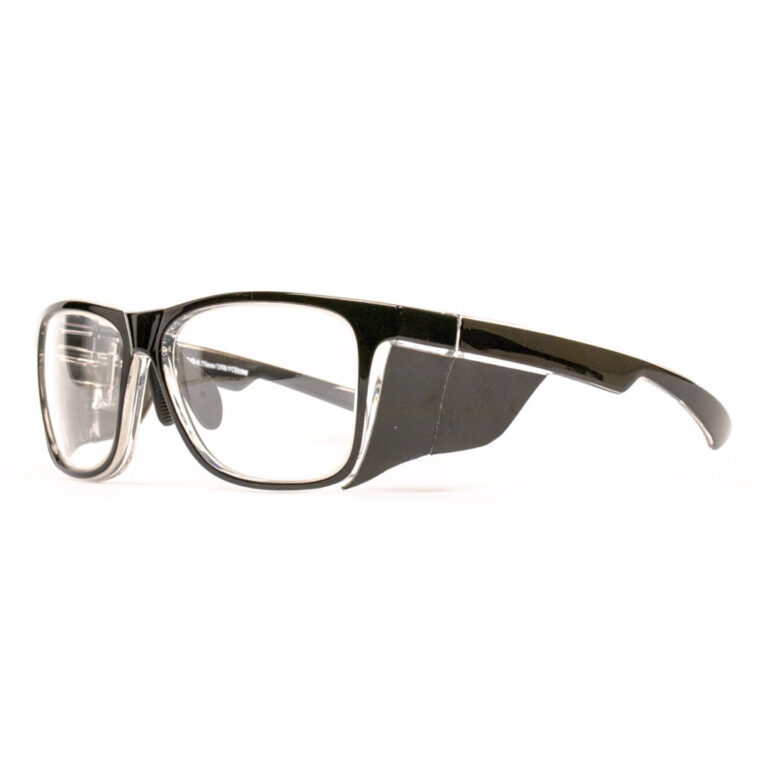
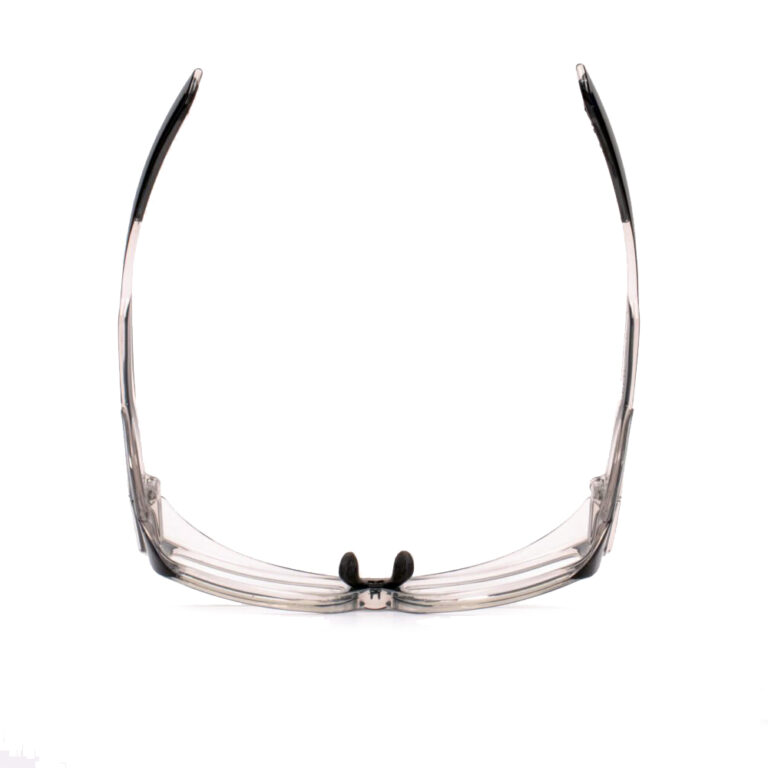
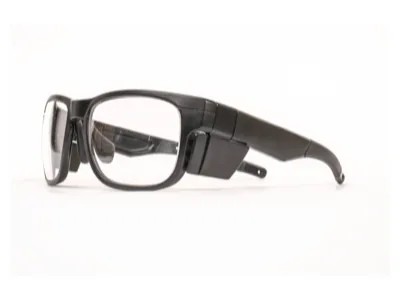
Scatter does not only come from straight ahead. Radiation can reach the eyes from the side, especially when the operator turns toward a monitor or stands at an angle to the field, so coverage around the edges of the lens is part of what makes a pair of radiation glasses effective in real use. Side shields and a wraparound frame style extend protection toward the temples, which is why some teams choose a wraparound design or add lead goggles style coverage for higher-scatter work.
Fit matters, too. Eyewear that slips or pinches ends up off the face, which defeats the purpose. INFAB frames are chosen with all-day wear in mind.
Choose Your Frame
Match the frame to how you work
INFAB fits radiation-protective lead-glass lenses into authentic Ray-Ban, Oakley, Gucci, and Nike frames. Three things drive the choice: how long you spend at the table, how much you move relative to the field, and whether you need vision correction.
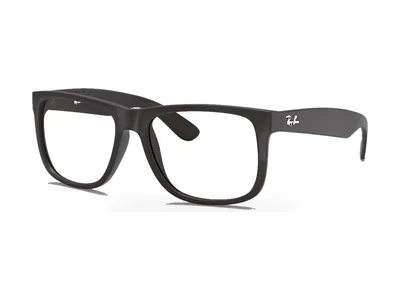
Everyday Frame
For routine, lighter-scatter work
A standard frame that is light enough to wear all shift works if you need reliable eye coverage without the bulk of a wraparound, and you are not at the highest-scatter positions. The Ray-Ban Justin is a popular pick here.
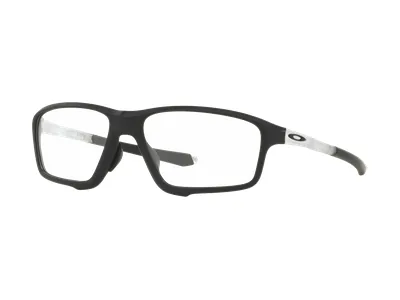
Lightweight
For long cases and all-day wear
When eyewear has to stay on through a full case, weight and fit decide whether it actually gets worn. A lightweight frame that fits securely stays on the face instead of getting pushed up on the forehead. The Oakley Crosslink Zero and Nike Brazen Fury fit this role well.
Higher Coverage
For the most scatter-heavy positions
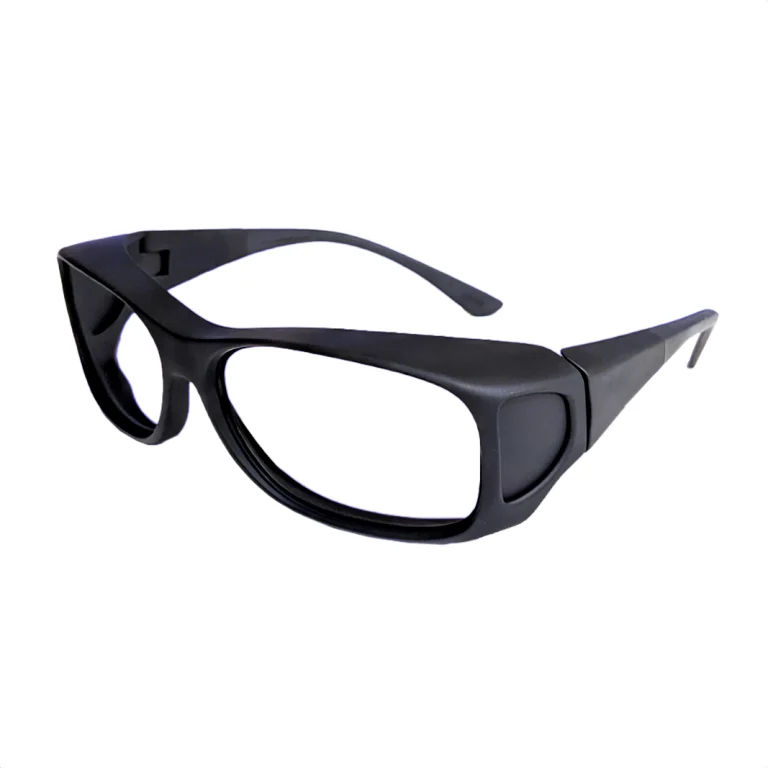
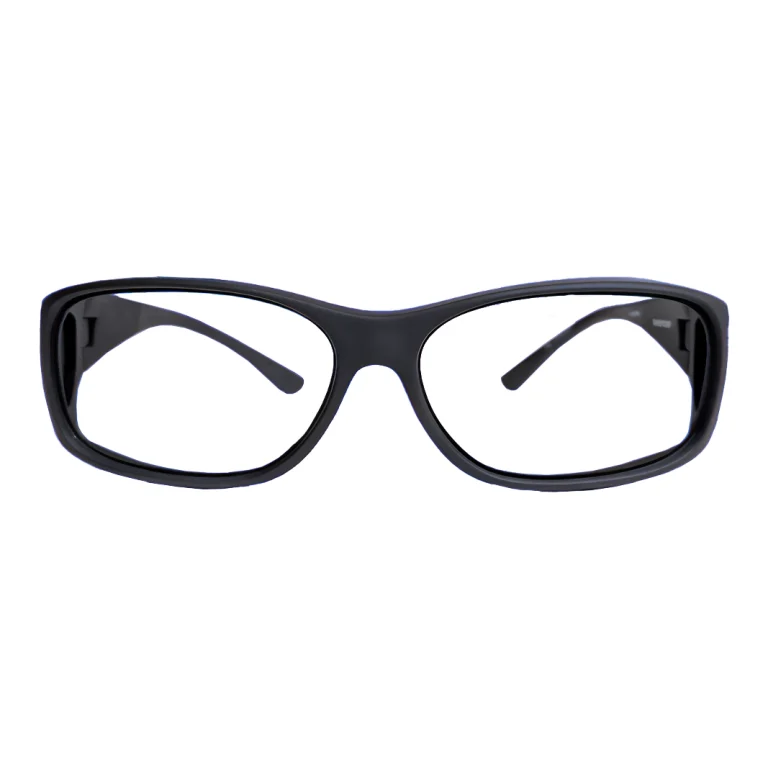
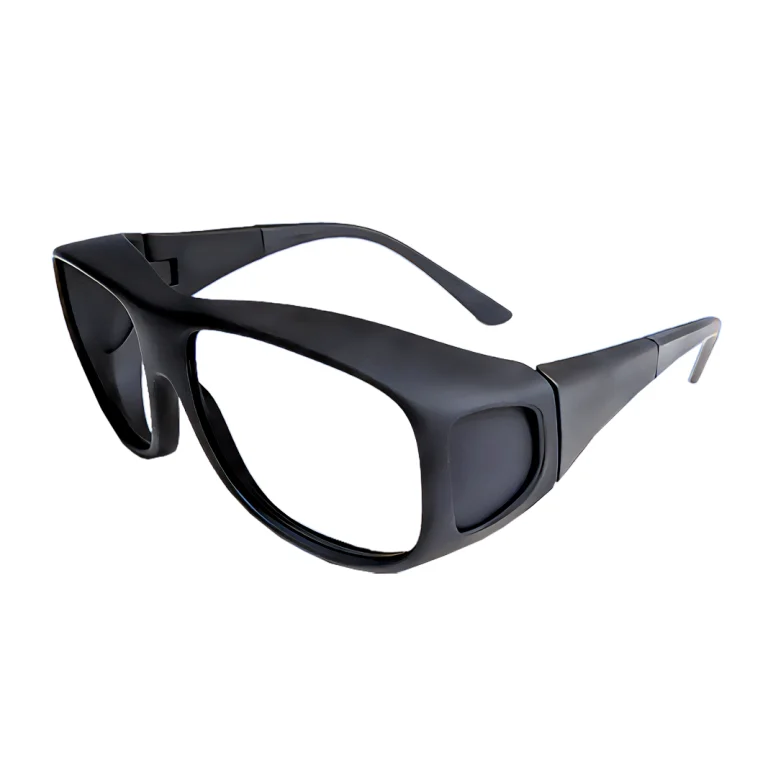
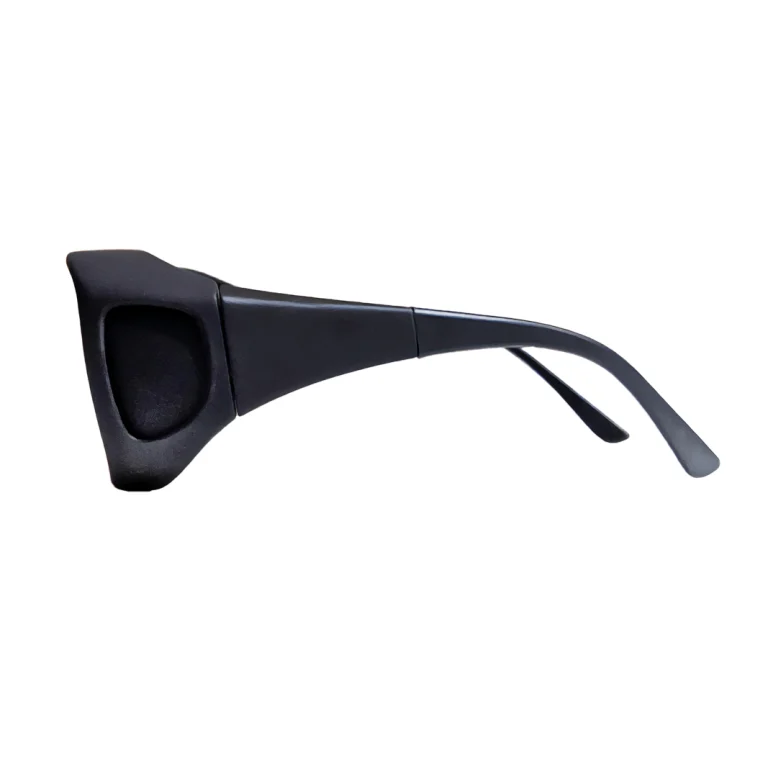
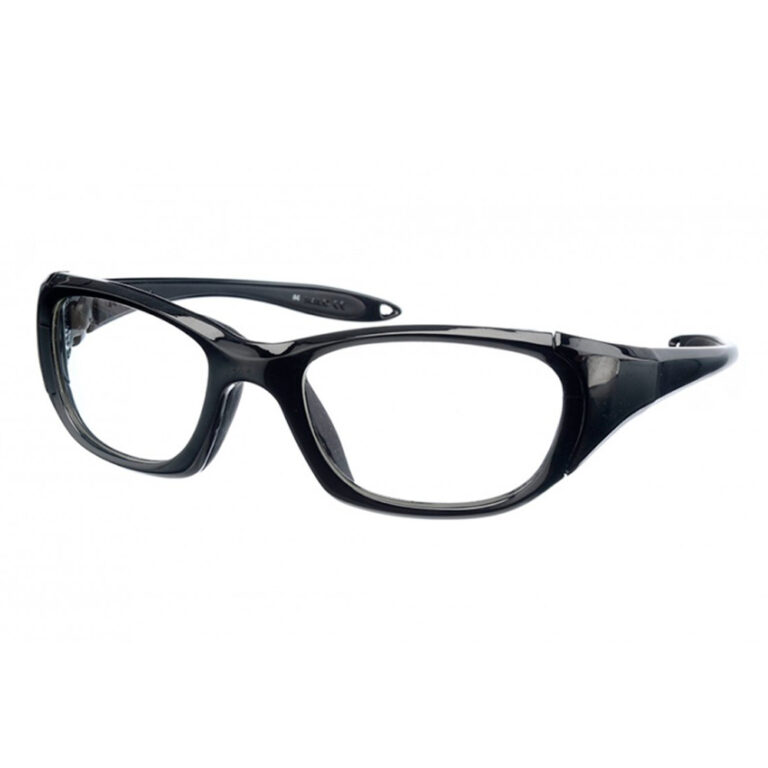
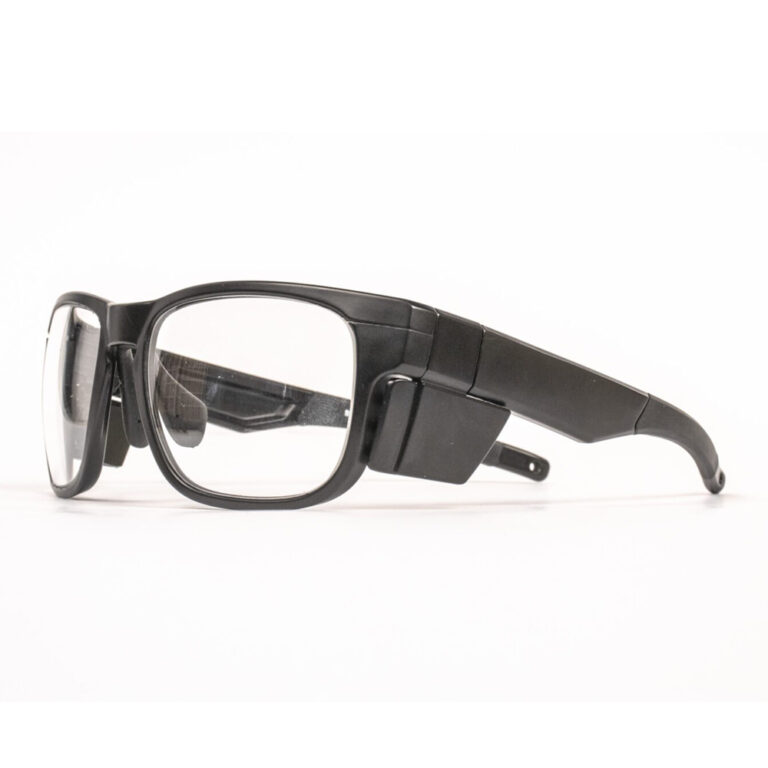
Cath lab and interventional staff who spend the most time closest to the field benefit from wraparound coverage and side shields. The Zion shown here, along with the EVO and Premium Wraps, extends protection toward the temples.
Questions
Lead glasses FAQ
Lead glasses are protective eyewear with a leaded protective material in the lens, worn to shield the eyes during procedures that use X-ray imaging. They are also called radiation glasses, radiation protection glasses, or leaded glasses.
Clinical staff who work near active X-ray imaging, including radiologists, interventional cardiologists, fluoroscopy and cath lab teams, surgeons operating under live imaging, and supporting techs and nurses. Follow your facility's radiation safety program for who is required to wear them in your setting.
INFAB offers prescription options for radiation eyewear, so one pair can handle both clear vision and eye protection. Download the prescription order form to get started. A signed optician prescription and PD are required for each wearer.
Fit-over radiation glasses, sometimes called fitovers, are designed to be worn directly over your existing prescription eyeglasses. The protective frame is sized to go around your everyday glasses, so staff who already wear glasses get radiation eye protection without ordering new prescription lenses. This is different from prescription lead glasses, where your vision correction is built into the protective lens itself as a single pair. Fitover styles such as the Fitover Lotus are a practical option when you want to keep wearing your own frames underneath.
Both protect the eyes during imaging. The difference is mainly coverage and fit. Goggle-style and wraparound designs add coverage around the sides for higher-scatter work, while a lighter frame may be preferred for everyday wear. The right choice depends on the procedures and how staff work at the table.
A lead apron protects the torso and a thyroid shield protects the neck, but neither protects the eyes. Radiation glasses are the part of the kit that helps cover eye exposure from scattered radiation.
INFAB lead glasses attenuate at least 97% of the direct X-ray beam at 148 kVp, with a 0.75 mm Pb lead-equivalent lens, tested to ASTM F2547-18. They reduce scattered radiation reaching the eye through the lens but do not eliminate scatter that reaches the eye from around, above, or behind the lens, so they work best as part of a full radiation safety program. Consult your Radiation Safety Officer for facility-specific recommendations.
The protection comes from the lens, not the frame. INFAB fits its radiation-protective lenses into genuine designer frames, so you get the Ray-Ban, Oakley, Nike, or Gucci frame your team wants to wear, paired with an INFAB radiation-protective lens. The frame is the style; the lens is the protection.
Do not use ammonia- or chlorine-based cleaners. Alcohol is permitted only on lenses without an anti-reflective (A/R) coating. For A/R-coated lenses, soak in diluted soap and water and do not let water dry on the lenses. Clean the frame with diluted soap and water. Store in a protective case at room temperature and low humidity. Inspect before each use and discontinue use if lenses or frames are chipped, pitted, cracked, or damaged. Lenses are not shatter-proof; do not use where impact hazards exist. Covered by a one-year warranty against defects in materials and workmanship.
Radiation glasses do not have a set expiration date, but the lens must be intact to protect properly. Replace a pair if the lens is chipped or cracked, or if the frame is damaged enough to affect fit. Deep scratches or any damage that affects the lens should be assessed, and many facilities review protective eyewear periodically as part of their radiation safety program.
The lens of the eye is among the more radiosensitive tissues exposed to scatter in an imaging suite, and radiation-protection bodies recognize repeated occupational exposure as a factor in cataract formation. Reflecting this, recommended occupational dose limits for the eye lens have been lowered in recent years by international radiation protection bodies. Radiation glasses can help reduce the scattered dose reaching the eye for staff who work under live imaging, as part of a full radiation safety program. For guidance on dose limits and monitoring at your facility, consult your Radiation Safety Officer.
Scatter can reach the eyes from the side, not just straight ahead, especially when staff turn toward a monitor or stand at an angle to the field. Side shields and wraparound frames extend protection toward the temples, which is why teams in higher-scatter roles often choose those styles. Lighter frames without full side coverage may be appropriate for routine, lower-scatter tasks, while staff in interventional or high-scatter roles benefit most from side shields or wraparound coverage.
INFAB is an FDA-registered medical device manufacturer with an ISO 13485:2016 certified quality system, and its radiation-protective lenses are tested to ASTM F2547-18.
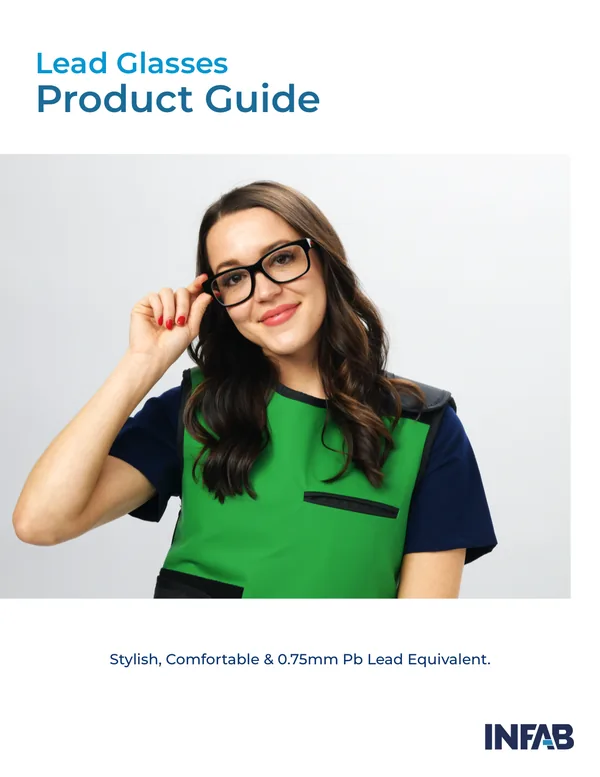
Find the right radiation glasses for you
Our Lead Glasses Guide walks through frame styles, coverage, and prescription options so you can match the right pair to how you work at the table.
Radiation glasses are one piece of your protective set. Pair them with lead aprons and thyroid collars to cover the torso, neck, and eyes.
Covered by a one-year warranty against defects in materials and workmanship.