
Lead Aprons for X-Ray Protection

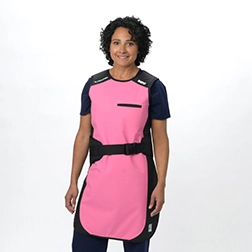
Revolution
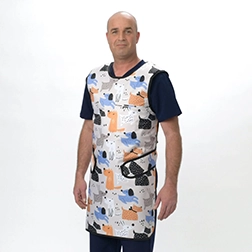
Classic
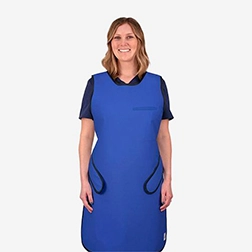
Lightning
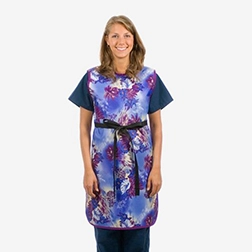
Dental
40 Total
40 Total
-
Sale 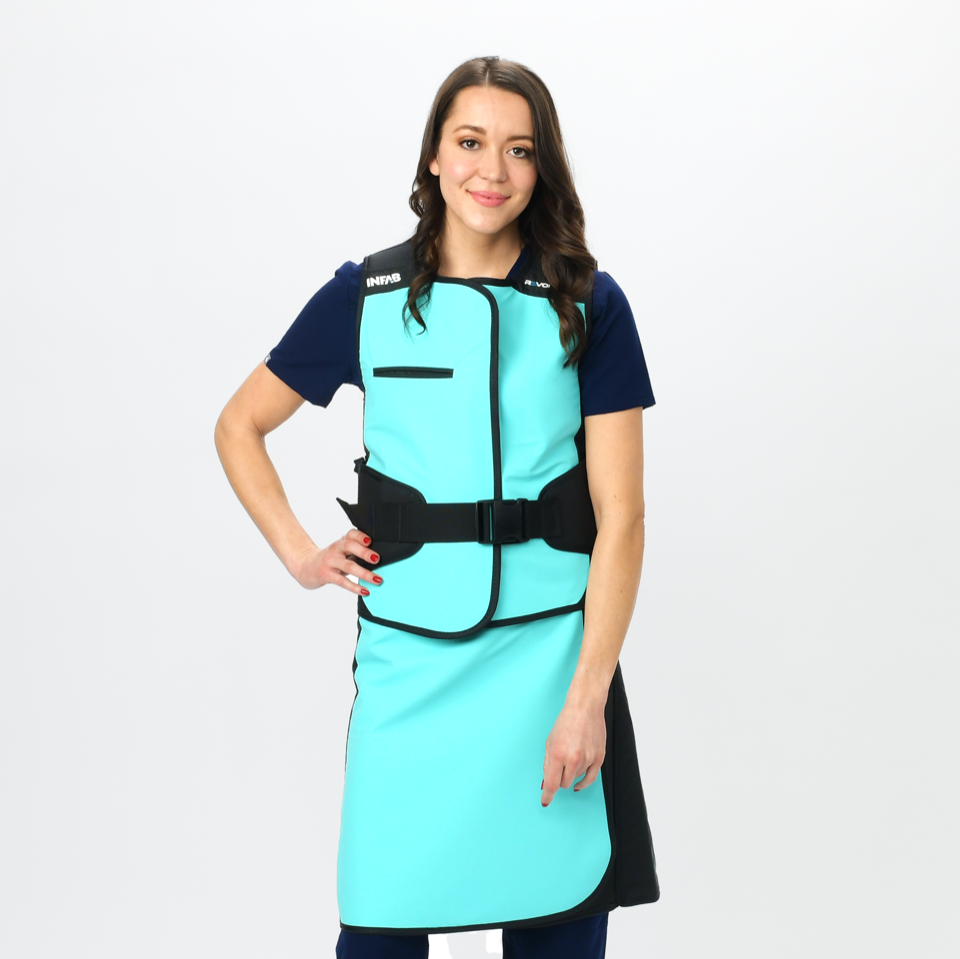
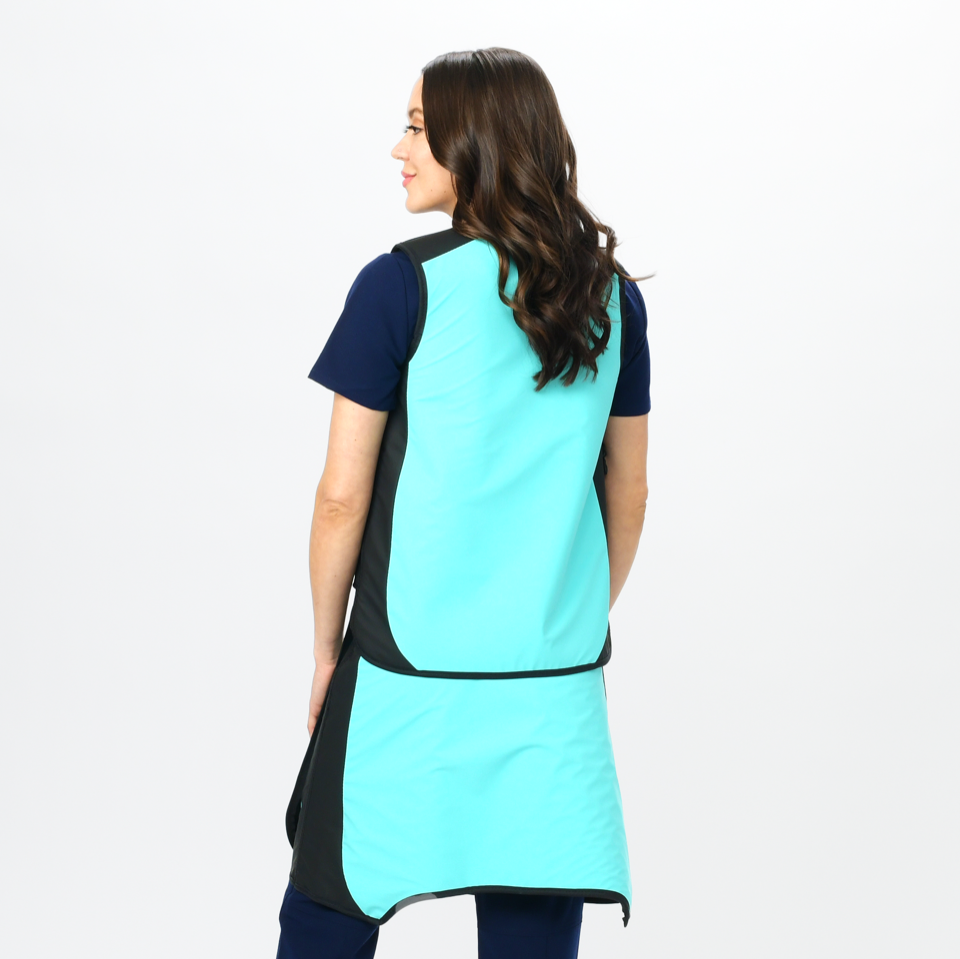
Revolution Lumbar Vest & Skirt – L103
-
Sale 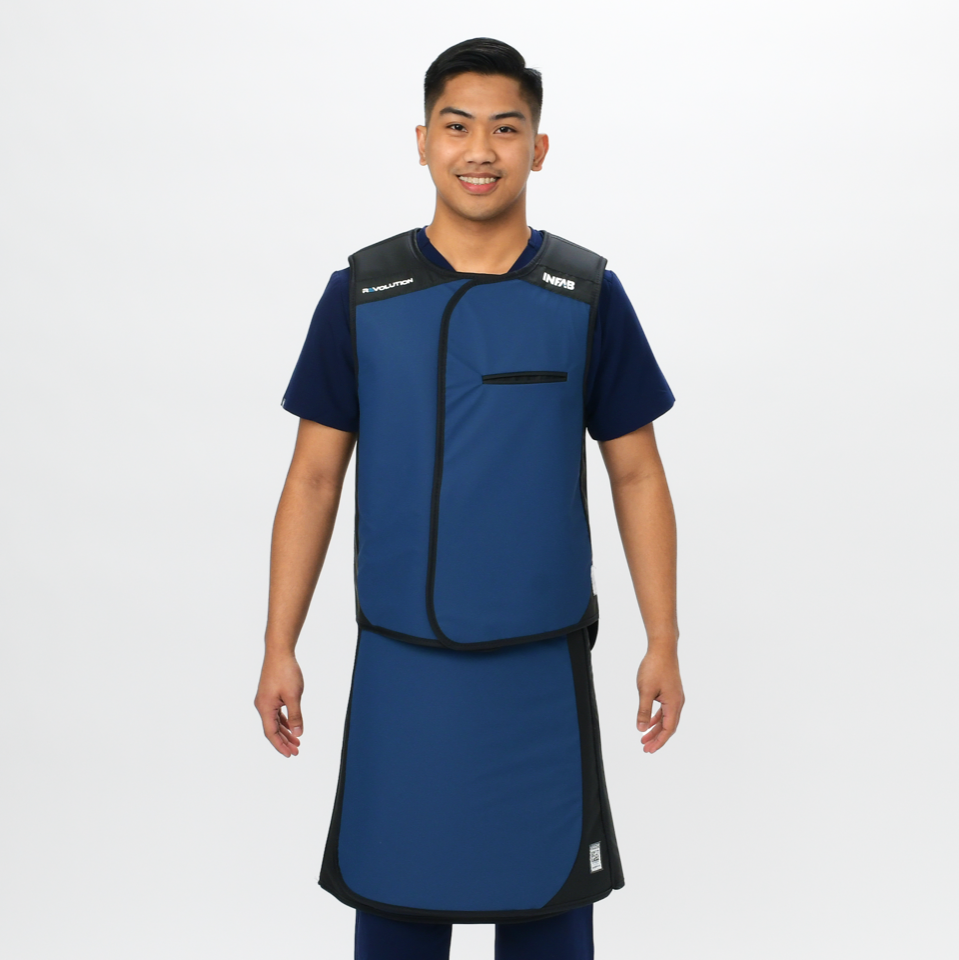
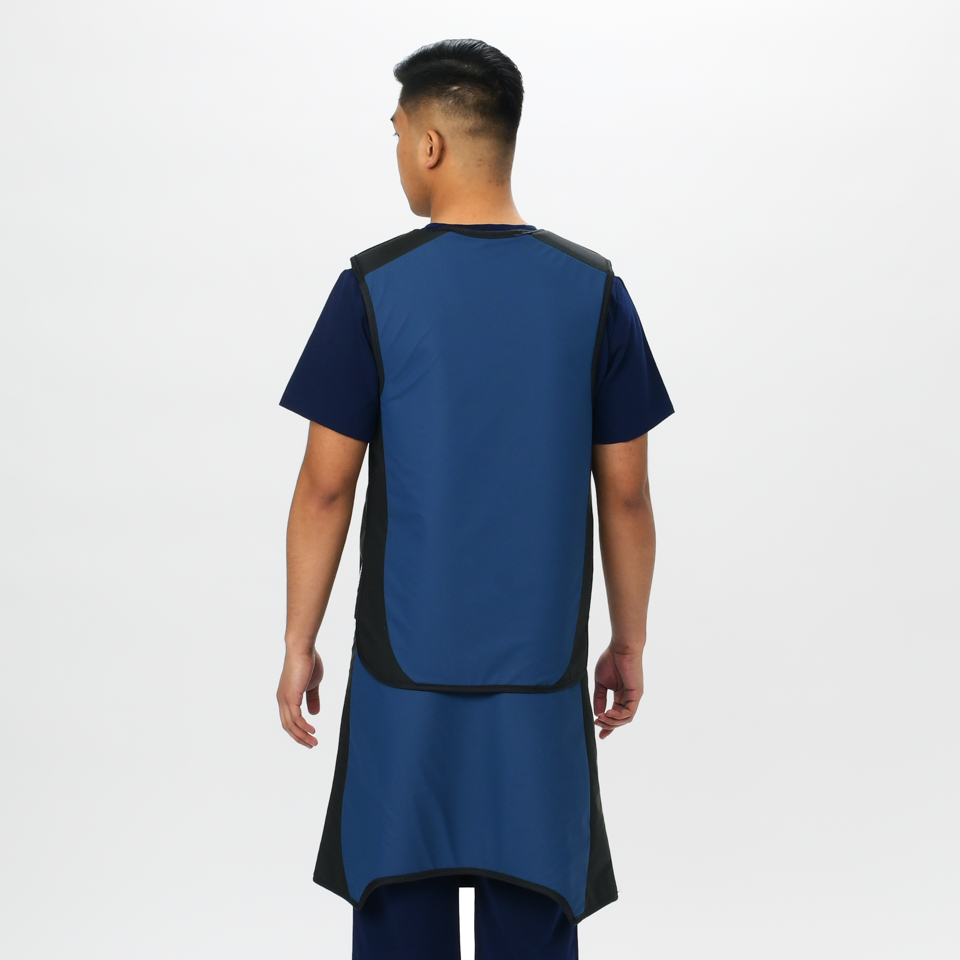
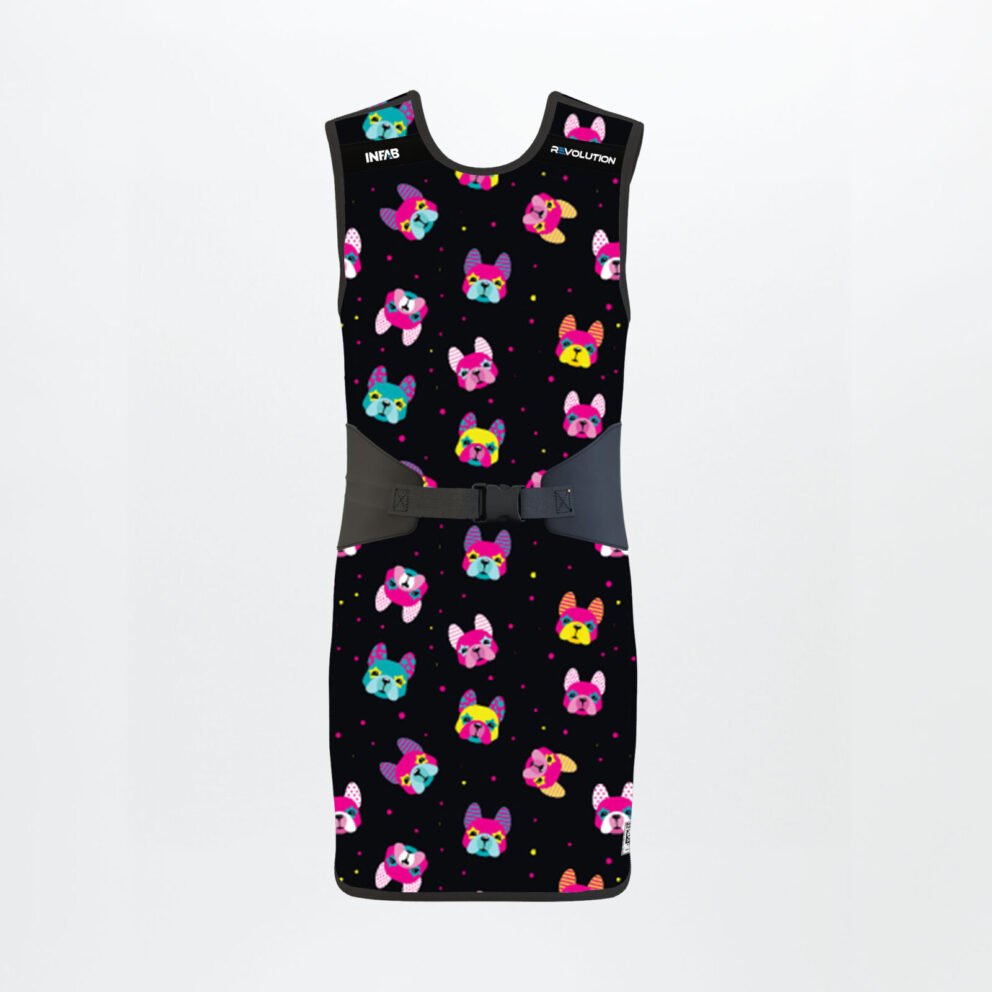
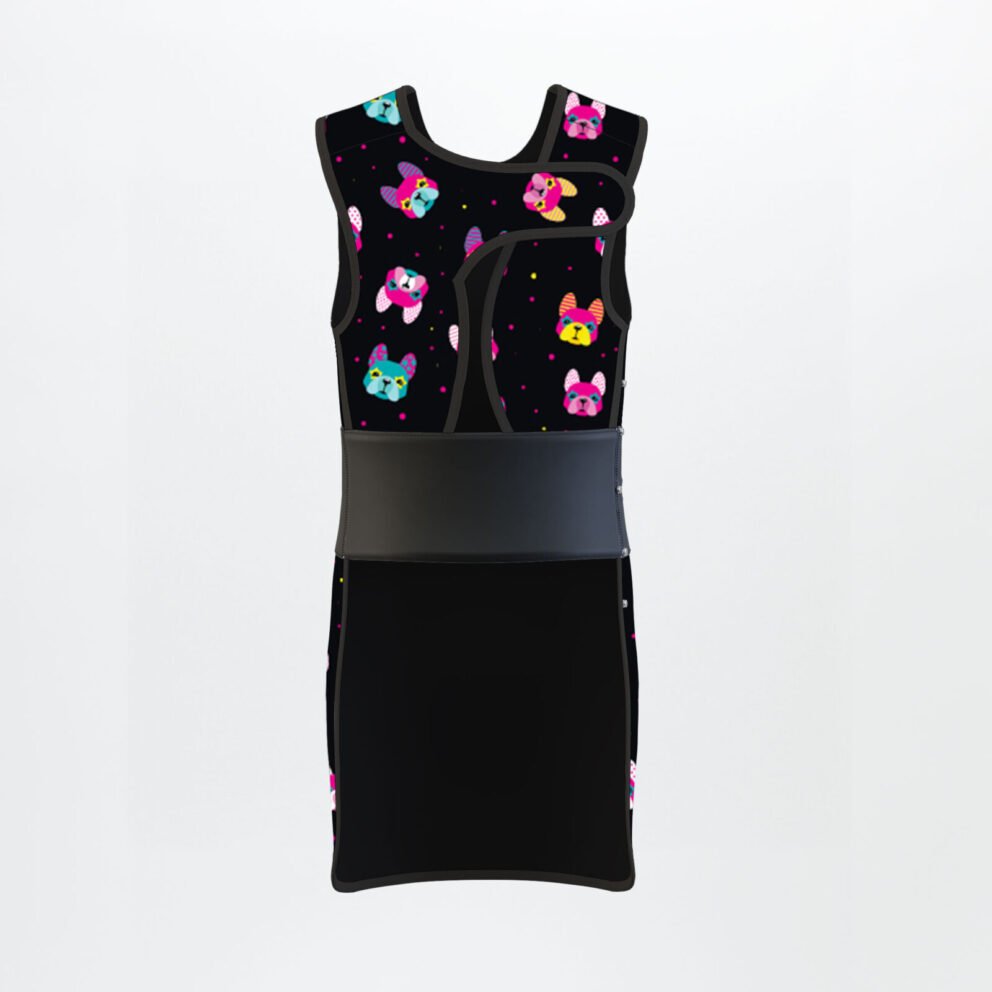
Revolution Vest and Skirt – 103
-
Sale 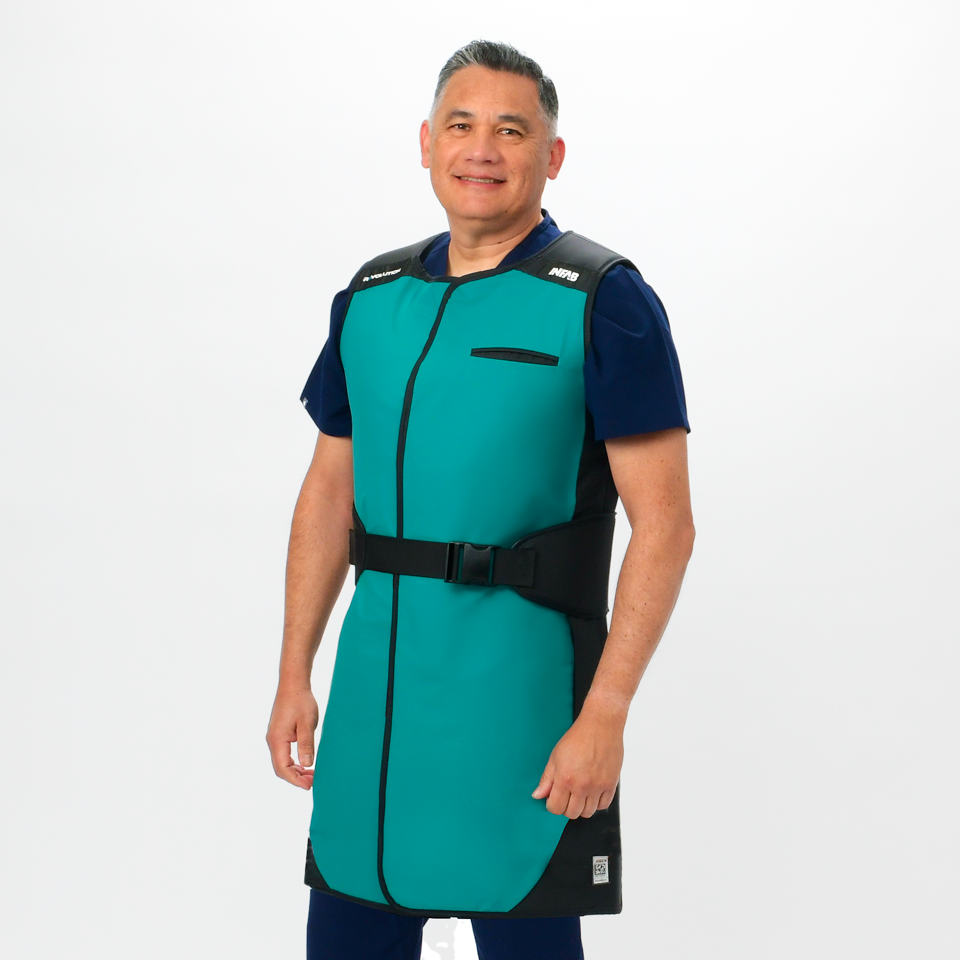
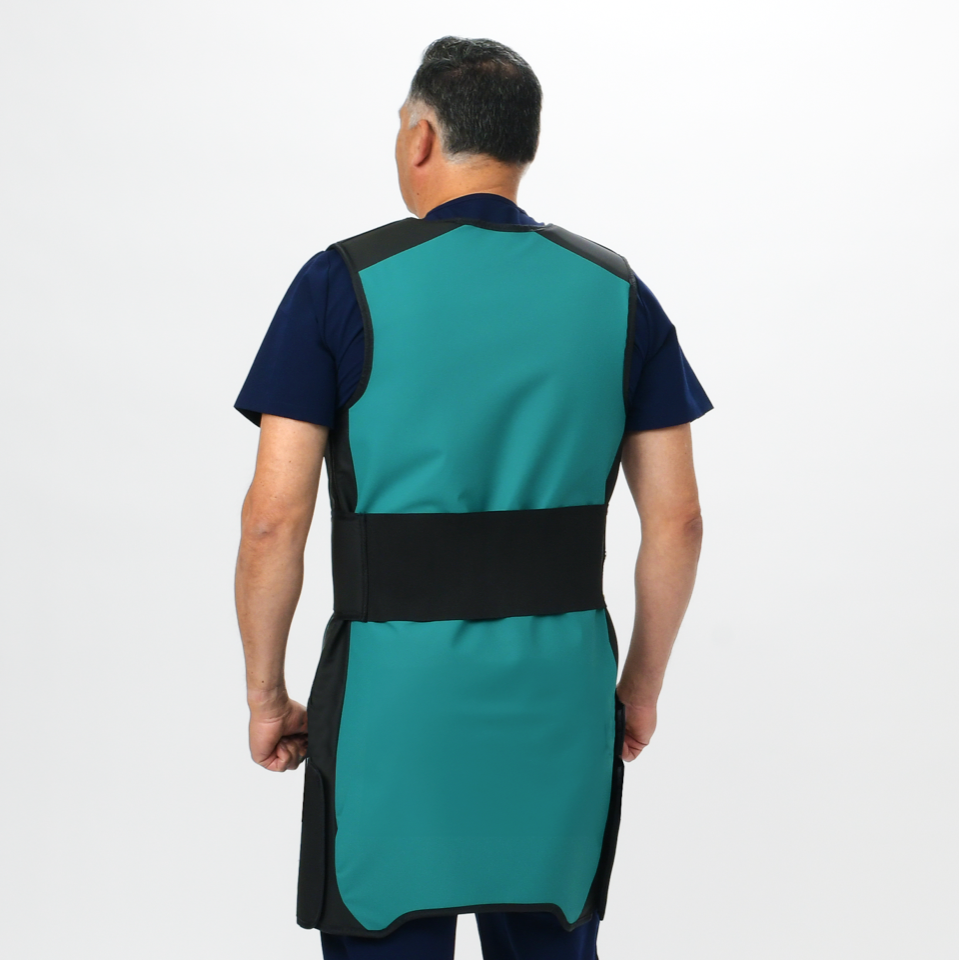
Revolution Full Wrap Black Belt Apron – 203
-
Sale 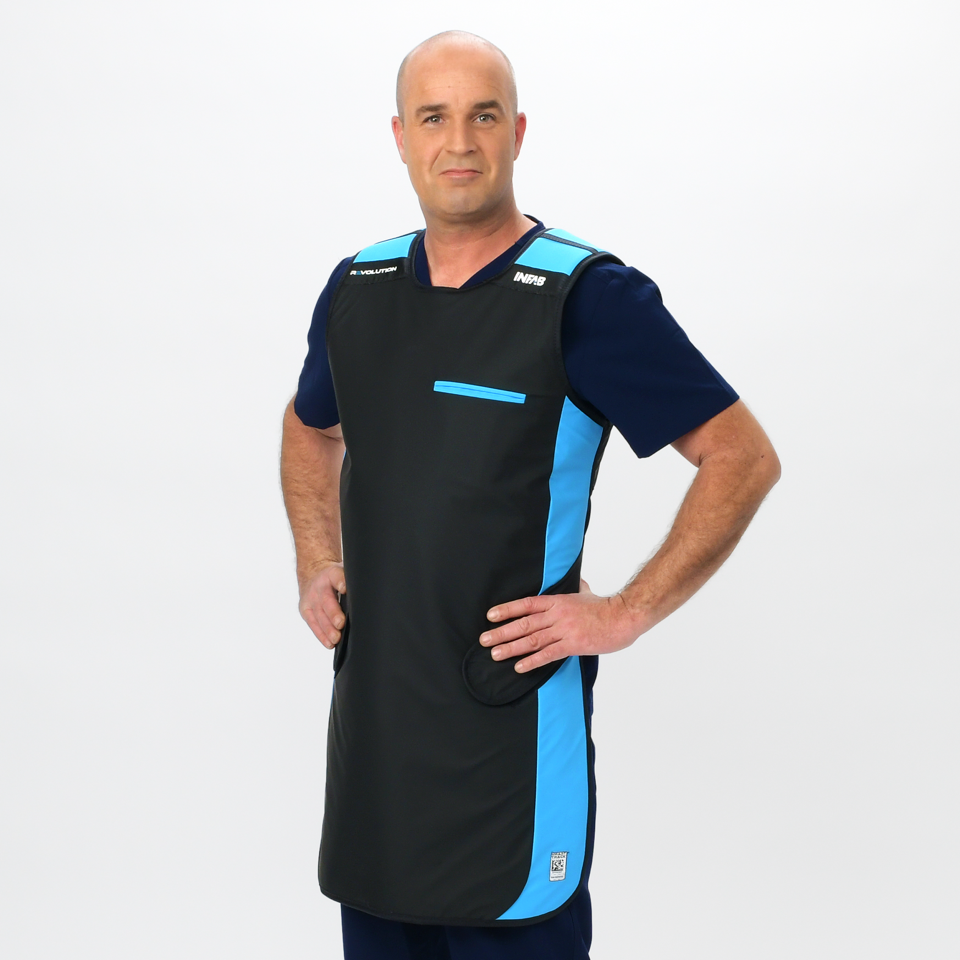
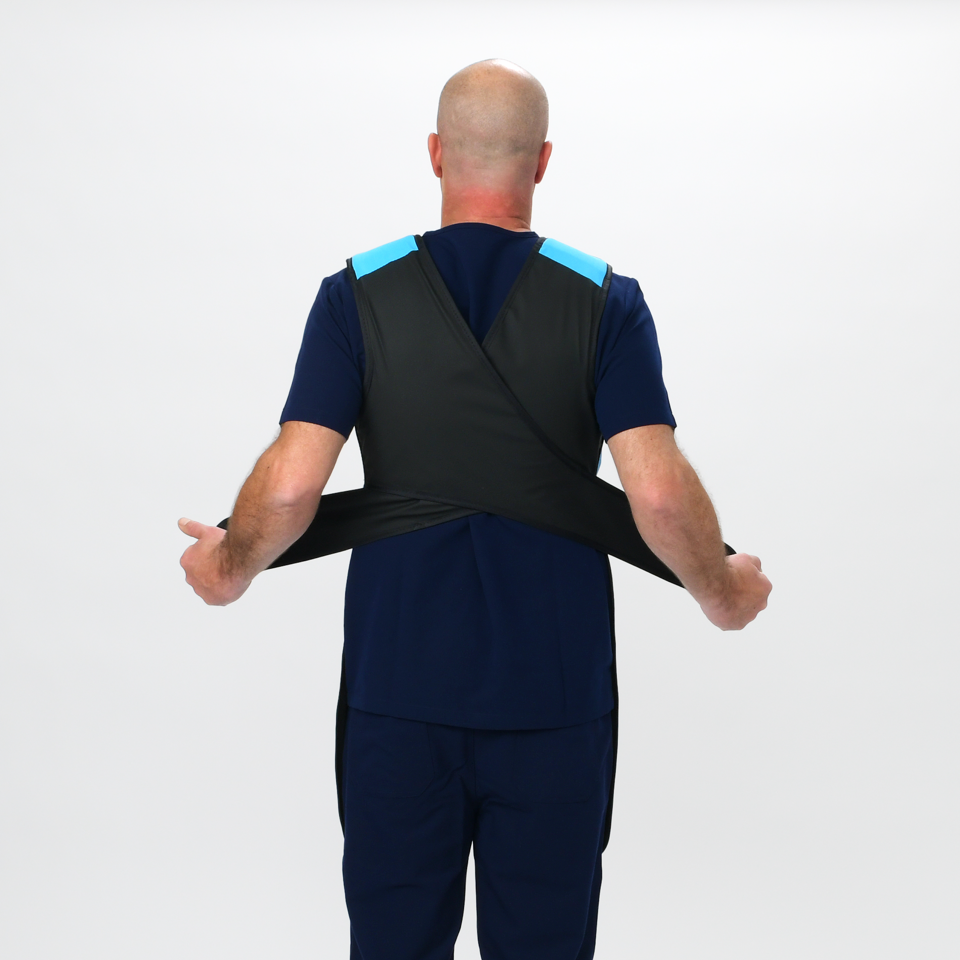
Revolution Front – 303
-
Sale 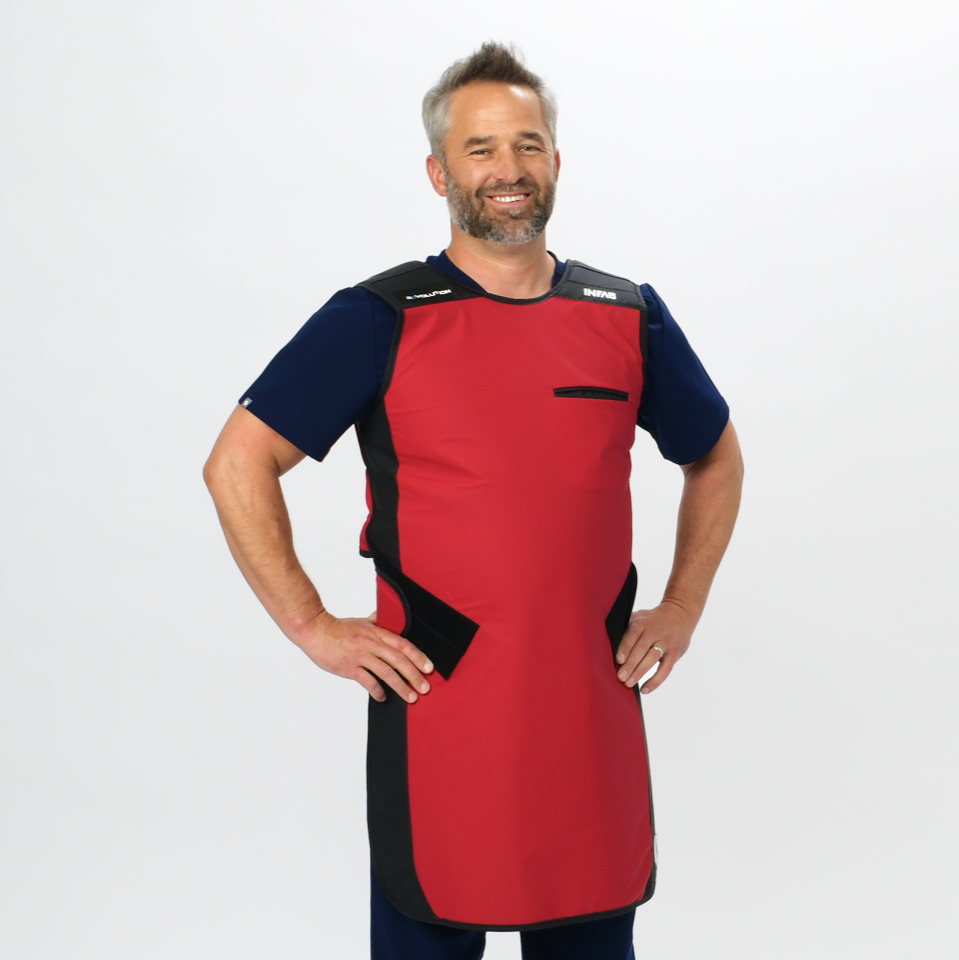
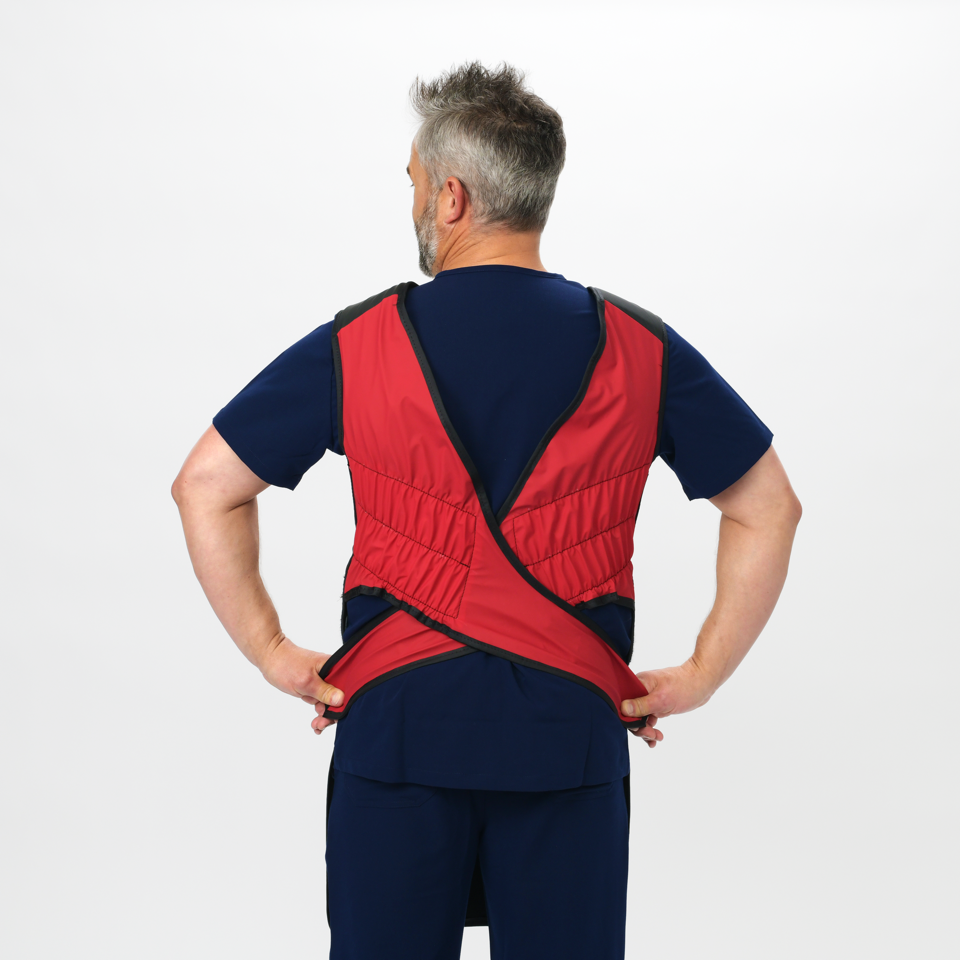
Revolution Front Protection Apron – 403
-
Sale 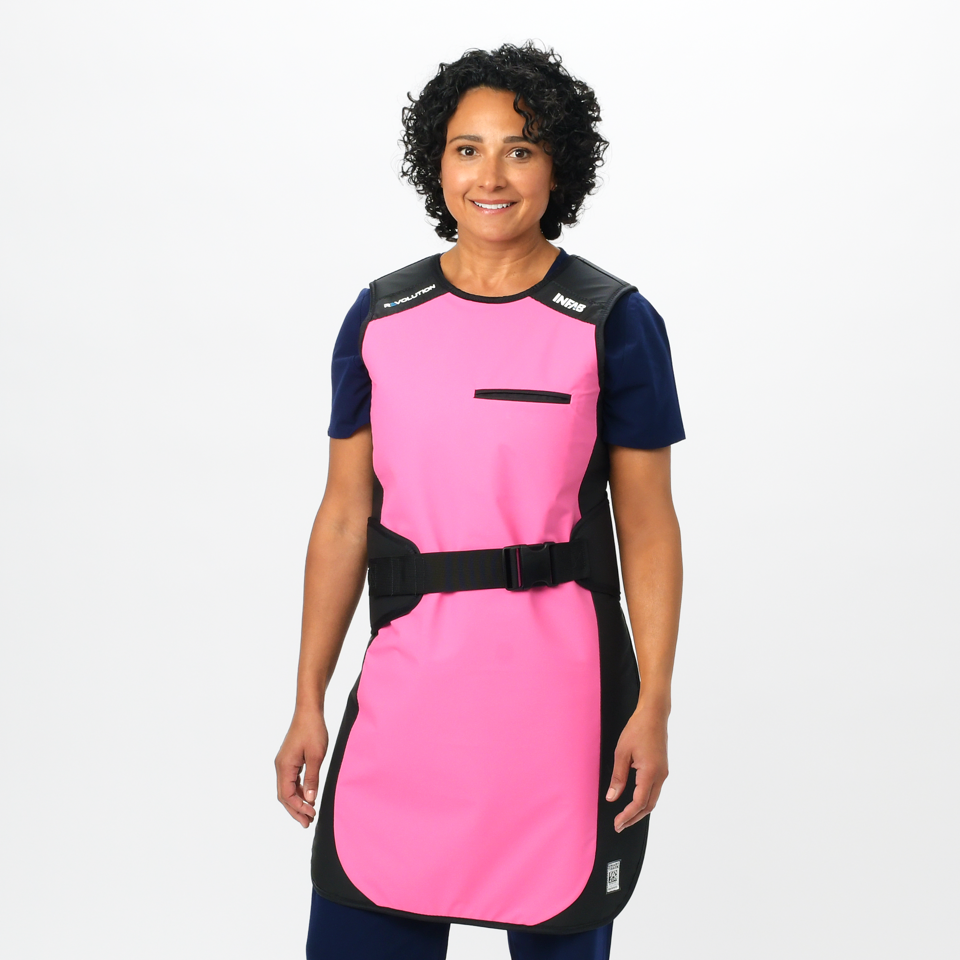
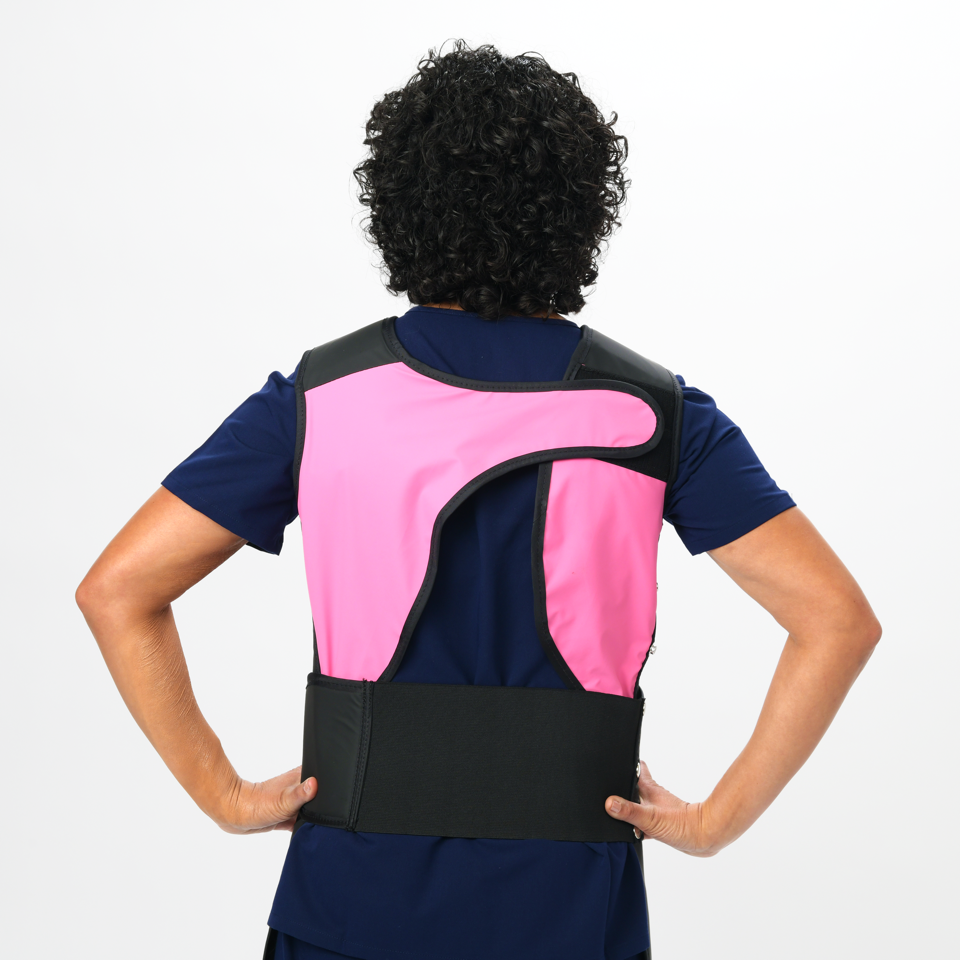
Revolution Front Black Belt – 503
-
Sale 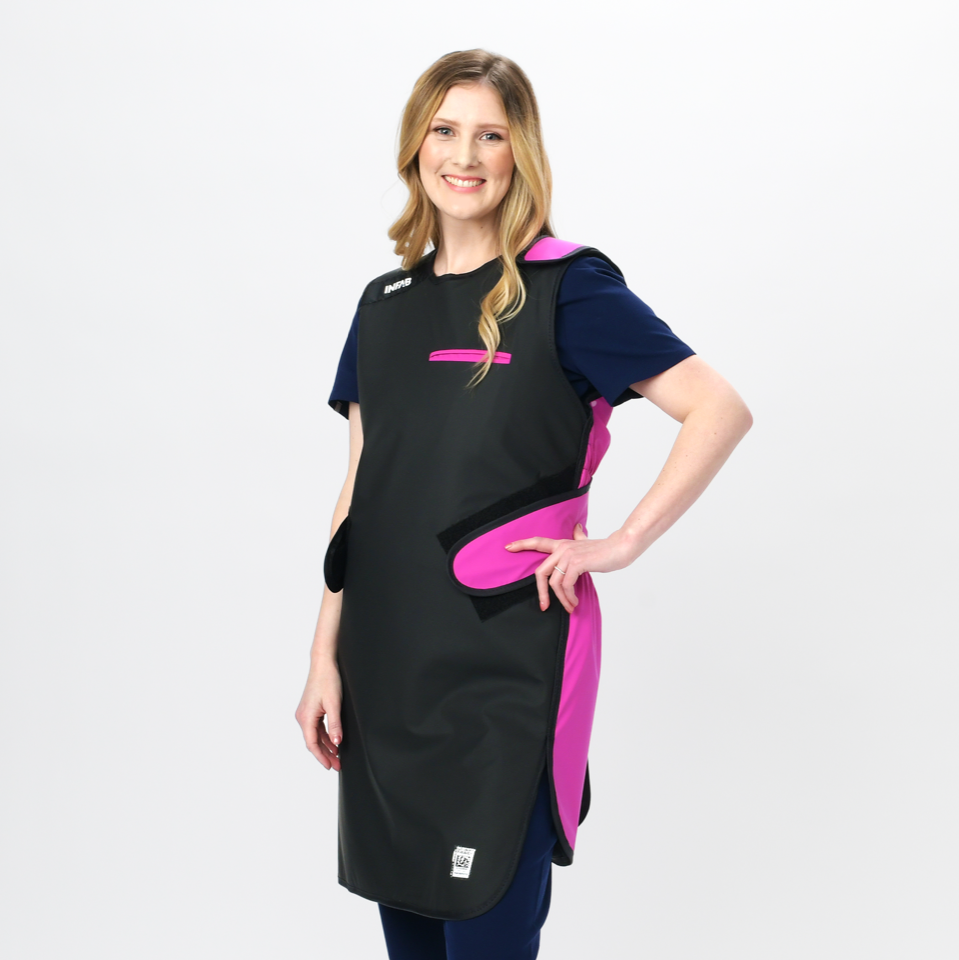
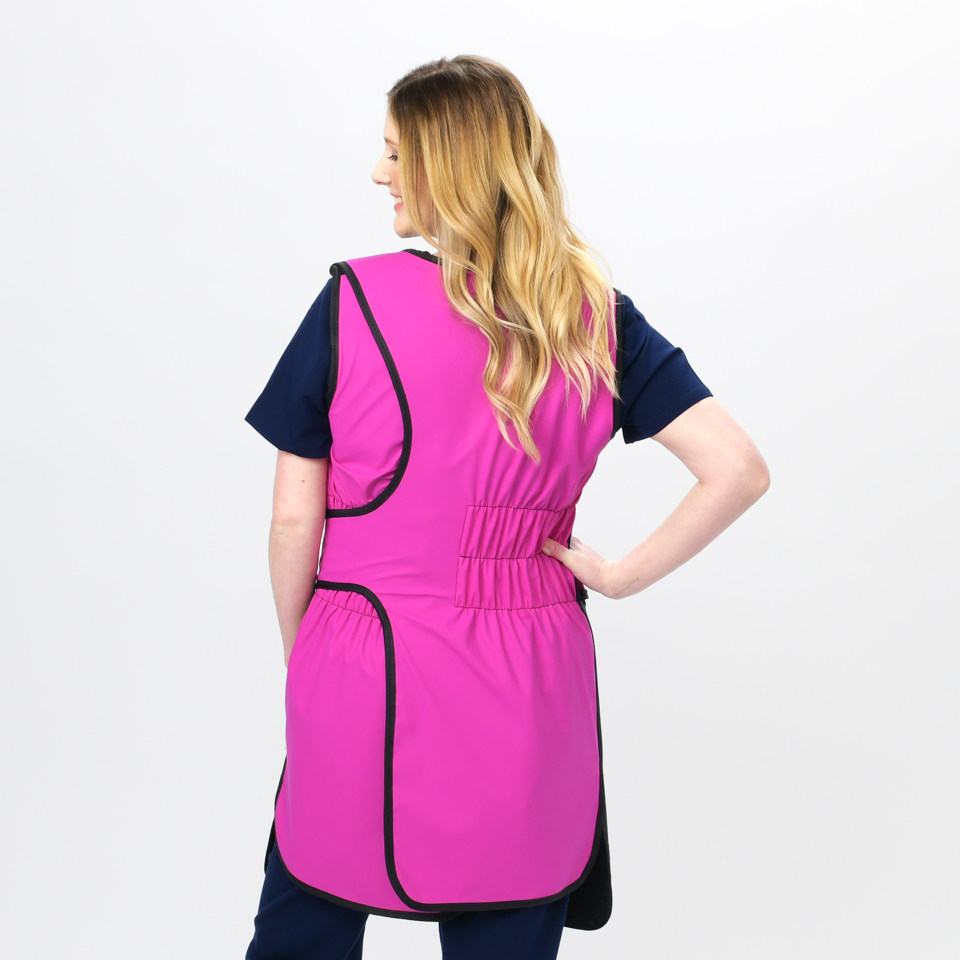
Revolution Full Wrap Elastic Back – 603
-
Sale 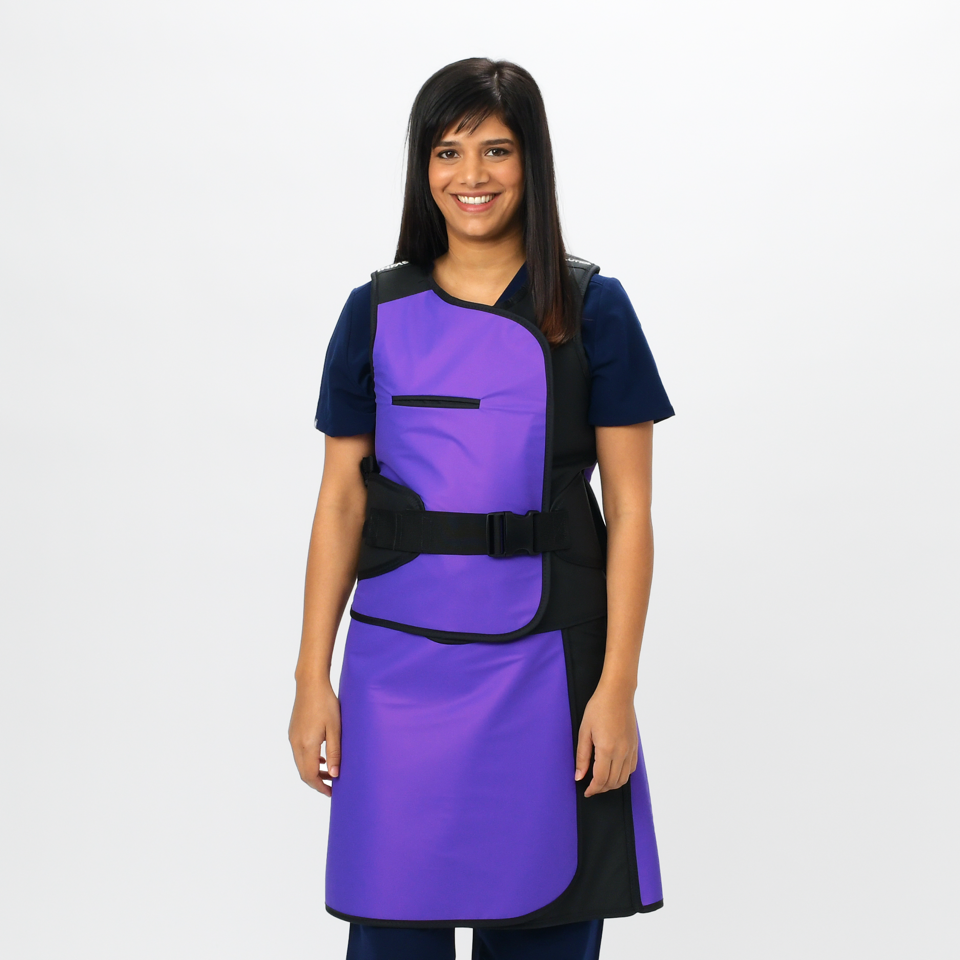
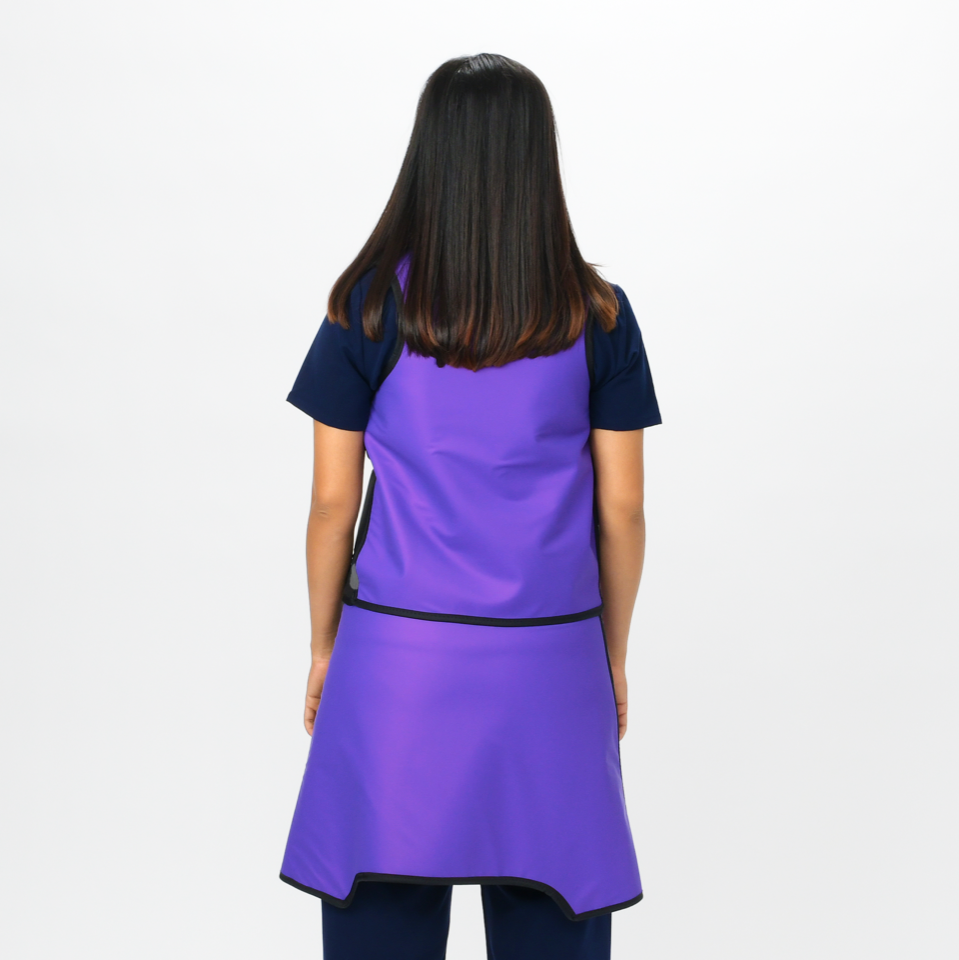
Revolution Full Overlap Lumbar Vest & Skirt – 703
-
Sale 
Revolution Black Belt Wrap – 803
-
Sale 

Revolution Reverse Vest and Skirt – 903
-
Sale
Classic Lead Vest & Skirt Apron – VAS
-
Sale
Elastic Vest and Skirt Apron – EVAS
-
Sale
Reverse Vest & Skirt – RVAS
-
Sale
Black Belt Full Wrap Apron – LSW
-
Sale
Full Coat Wrap Apron – FCW
-
Sale
Weight Reliever Front Protection Apron – AWC
-
Sale 
Black Belt Front Protection Apron – LSF
-
Sale
Elastic Back Apron – EBA
-
Sale
Surgery Drop Away Apron – SDA
-
Sale
Surgery Drop-Off Apron – SDO
-
Sale
Special Wrap Apron – MWA
-
Sale
2″ Wide Belt Apron – WBT
-
Sale
Budget Saver Apron – SPL
-
Sale
Tri-Flap Apron – Male – TFAM
-
Sale
UVS • Lightning Vest & Skirt
-
Sale
UFP • Lightning Front Protection
-
Sale
UFW • Lightning Full Wrap
-
Sale
Revolution Lumbar Vest & Skirt Base – BL103
-
Sale
Revolution Vest and Skirt Base – B103
-
Sale
Revolution Full Wrap Black Belt Base Apron – B203
-
Sale
Revolution Front Base – B303
-
Sale
Revolution Front Elastic Back Protection Base Apron – B403
-
Sale
Revolution Front Protection Black Belt Base Apron – B503
-
Sale
Revolution Elastic Back Full Wrap Base – B603
-
Sale 
Pano Cape Dental Apron – DTL-PANO
-
Sale Dental Apron With Collar – DTL-ADULT-TC
-
Sale Children’s Dental Apron with Collar – DTL-CHILD-TC
-
Sale 
Children’s Dental Apron – DTL-CHILD
-
Sale Dental Apron – Adult – DTL-ADULT
-
Sale 
Coat Style Dental Technician’s Apron – DTL-TECH
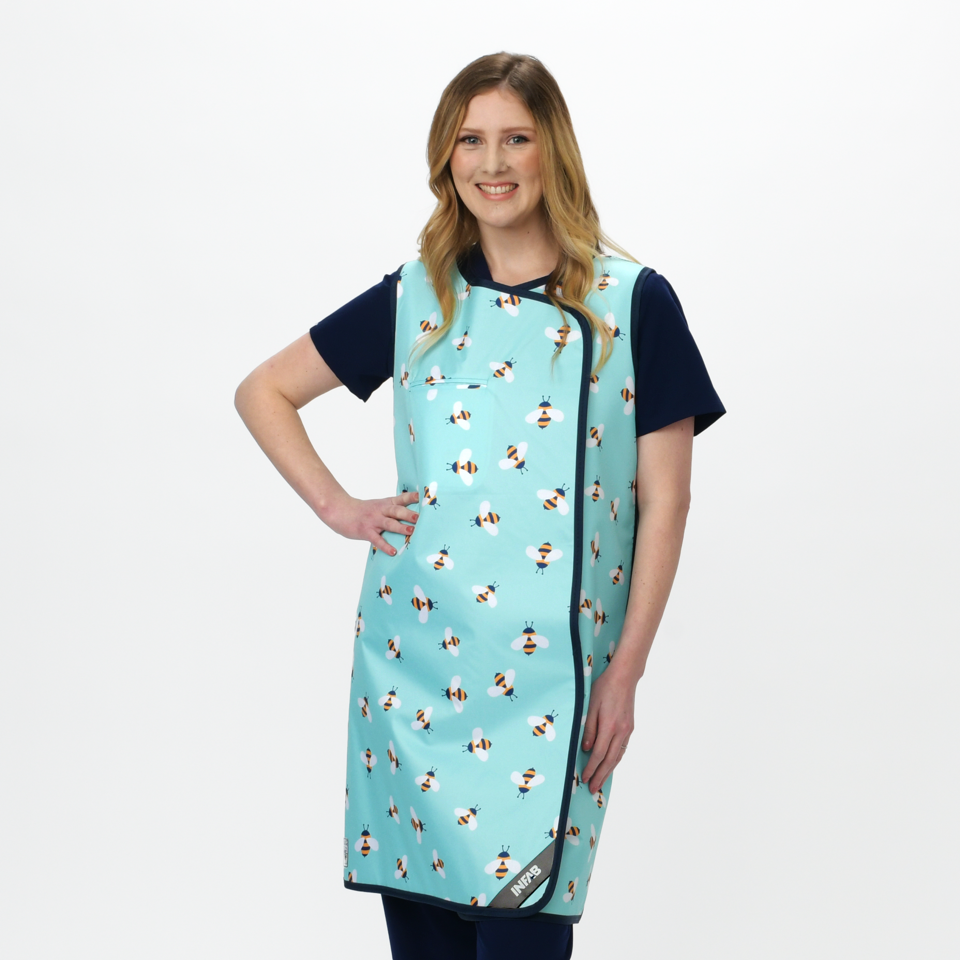
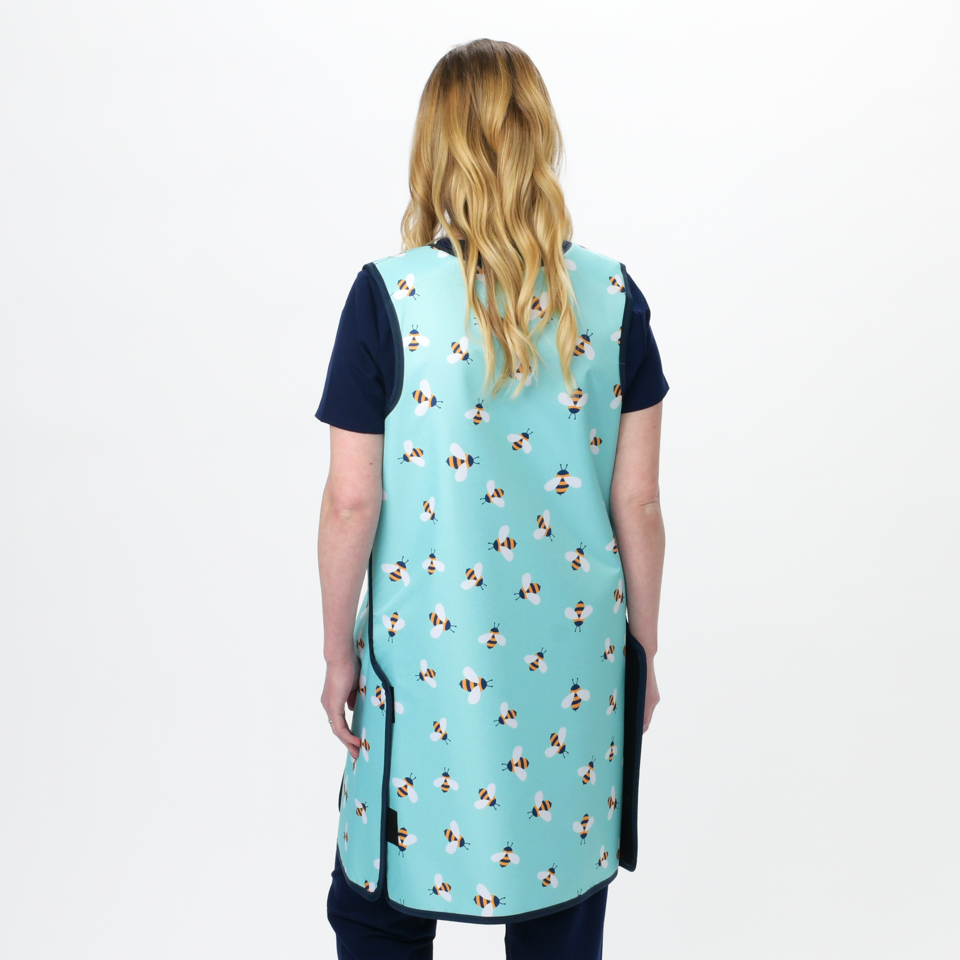
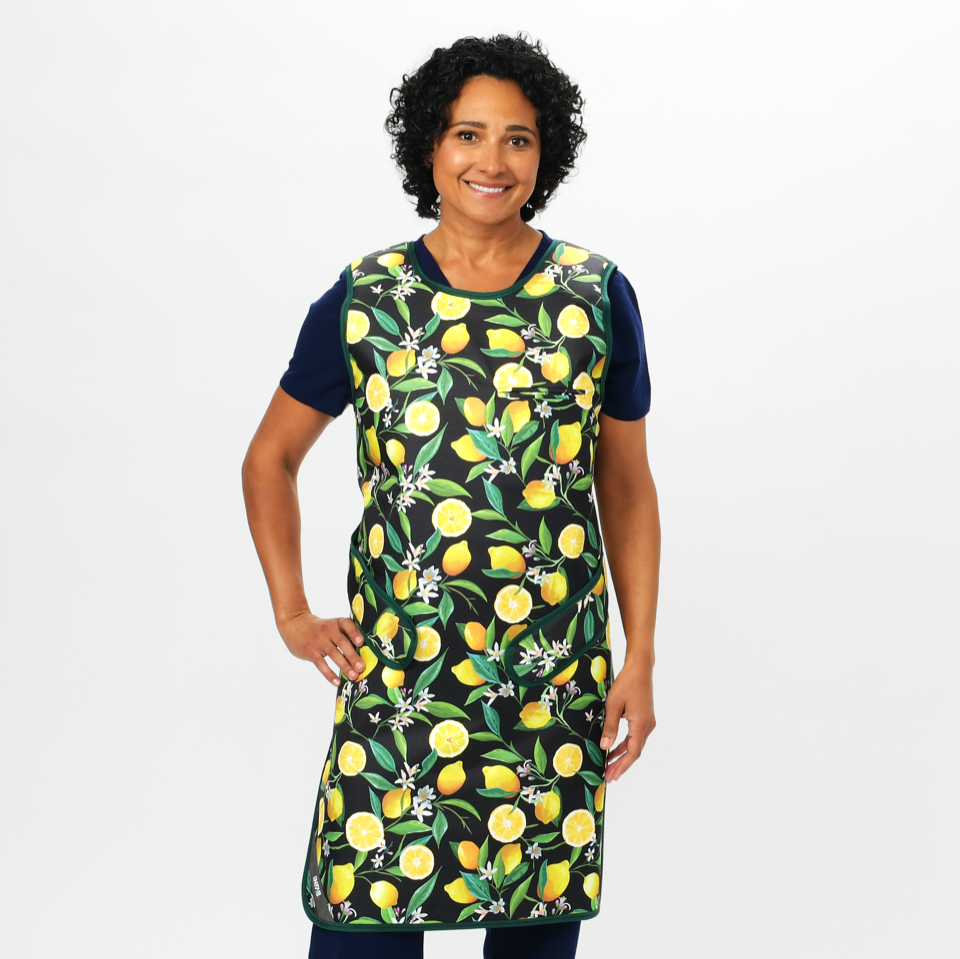
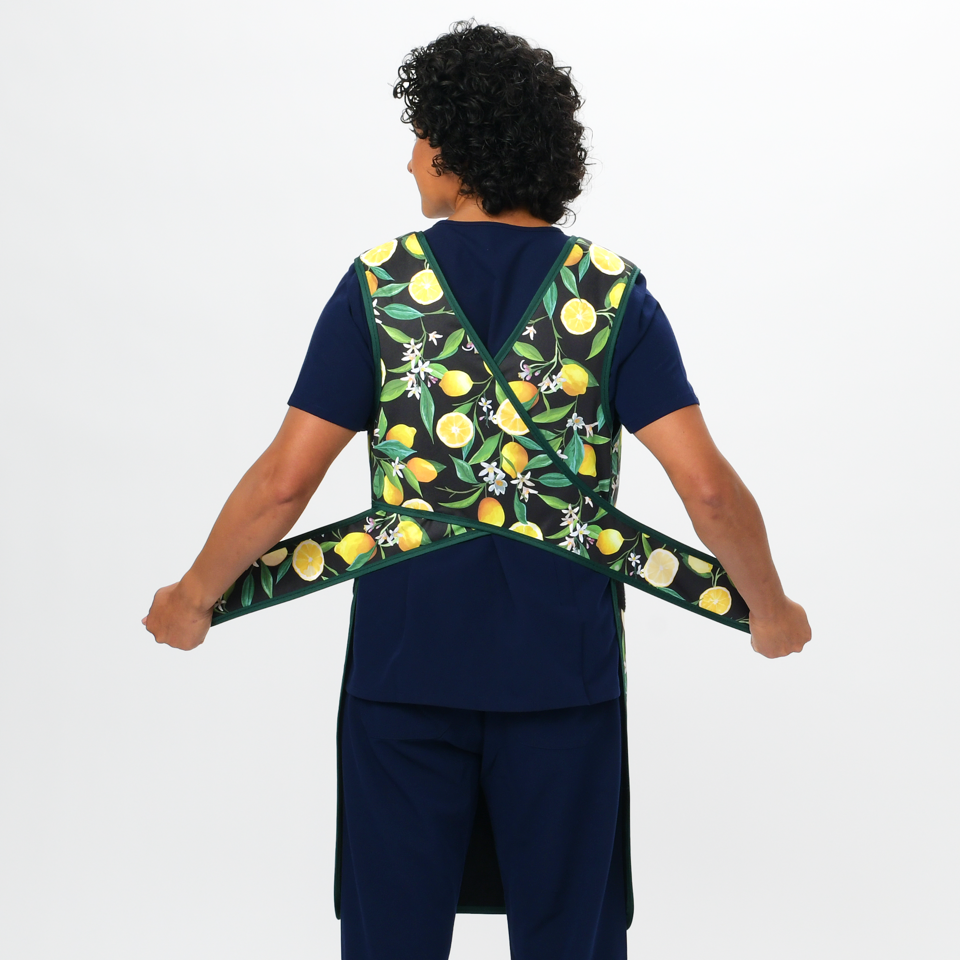
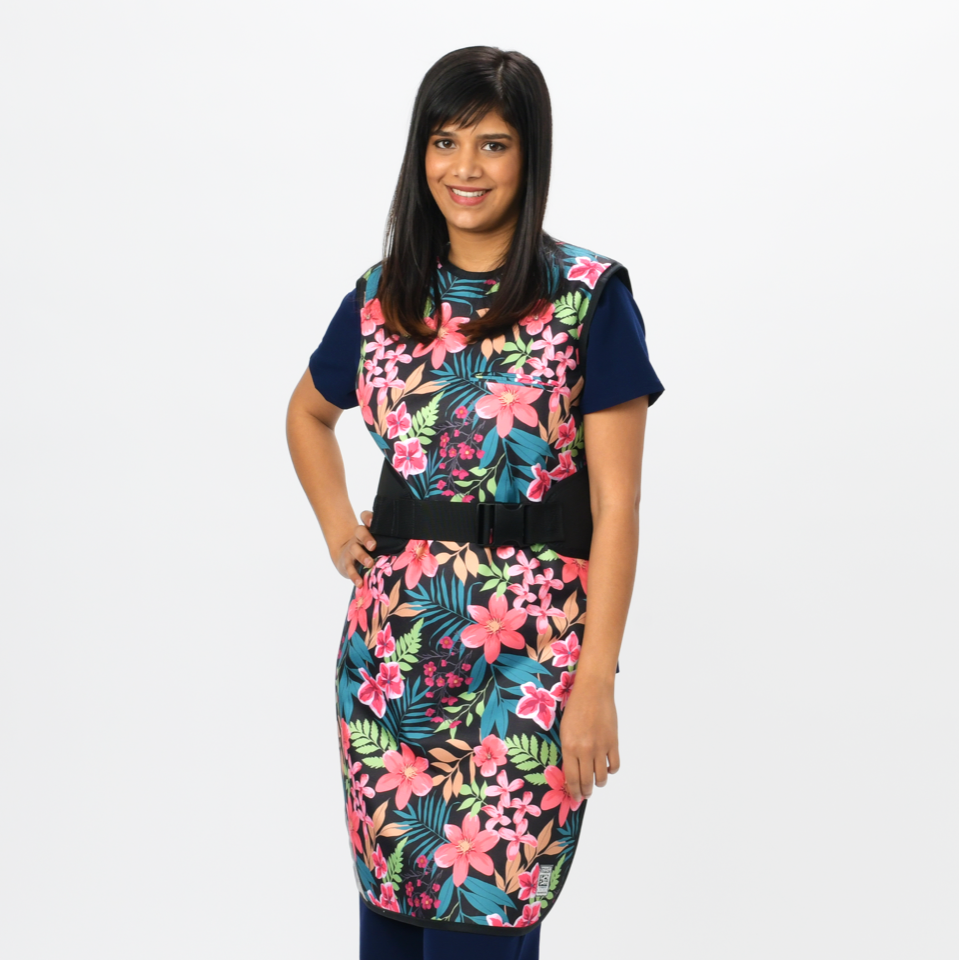
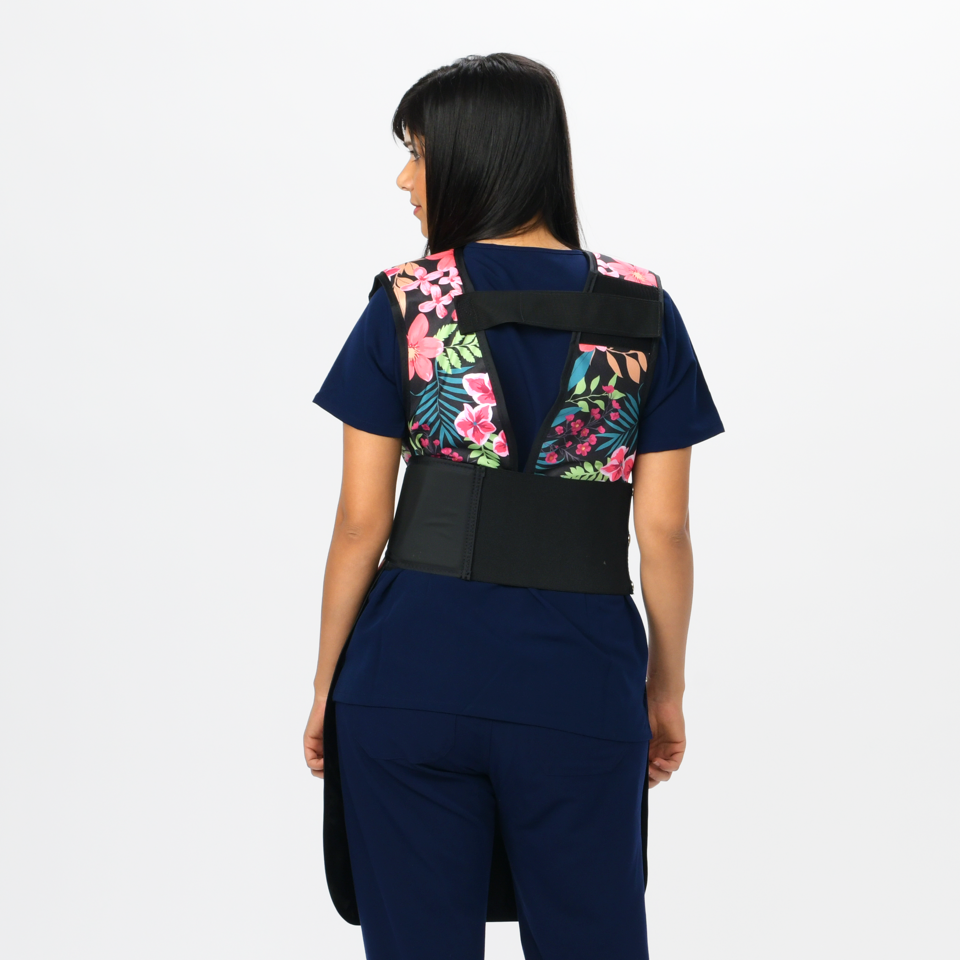
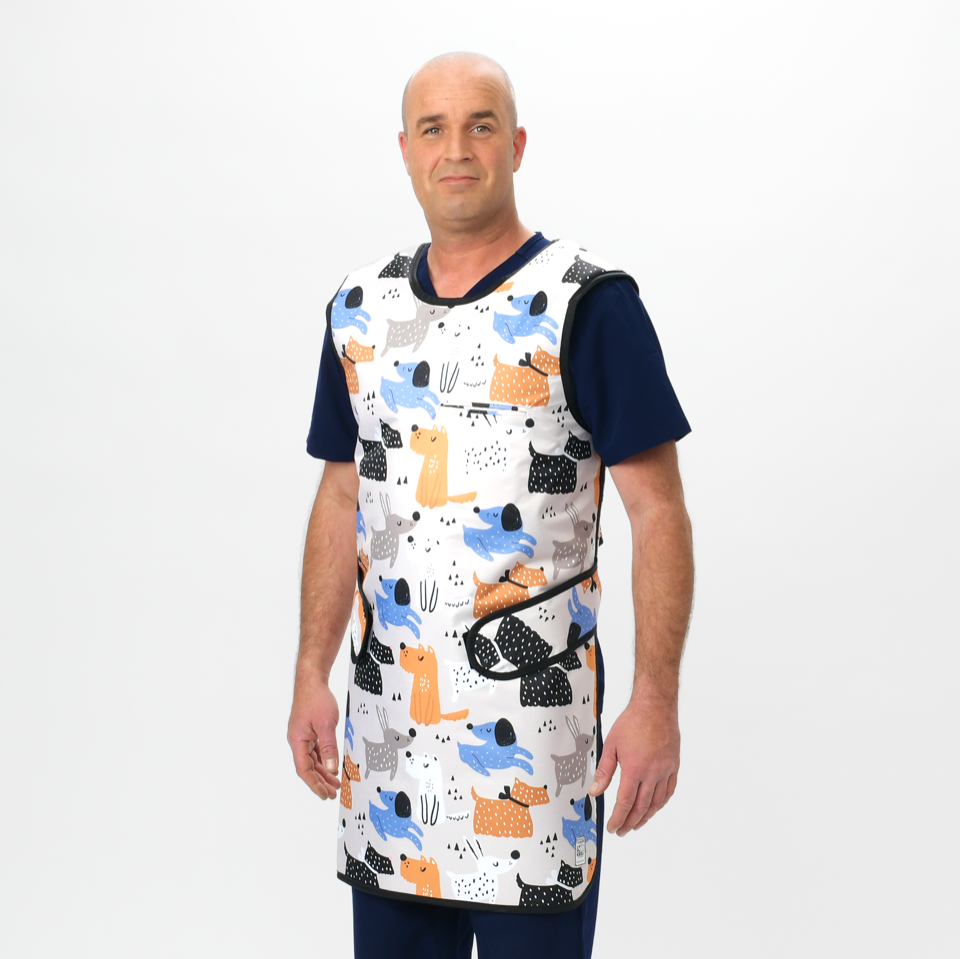
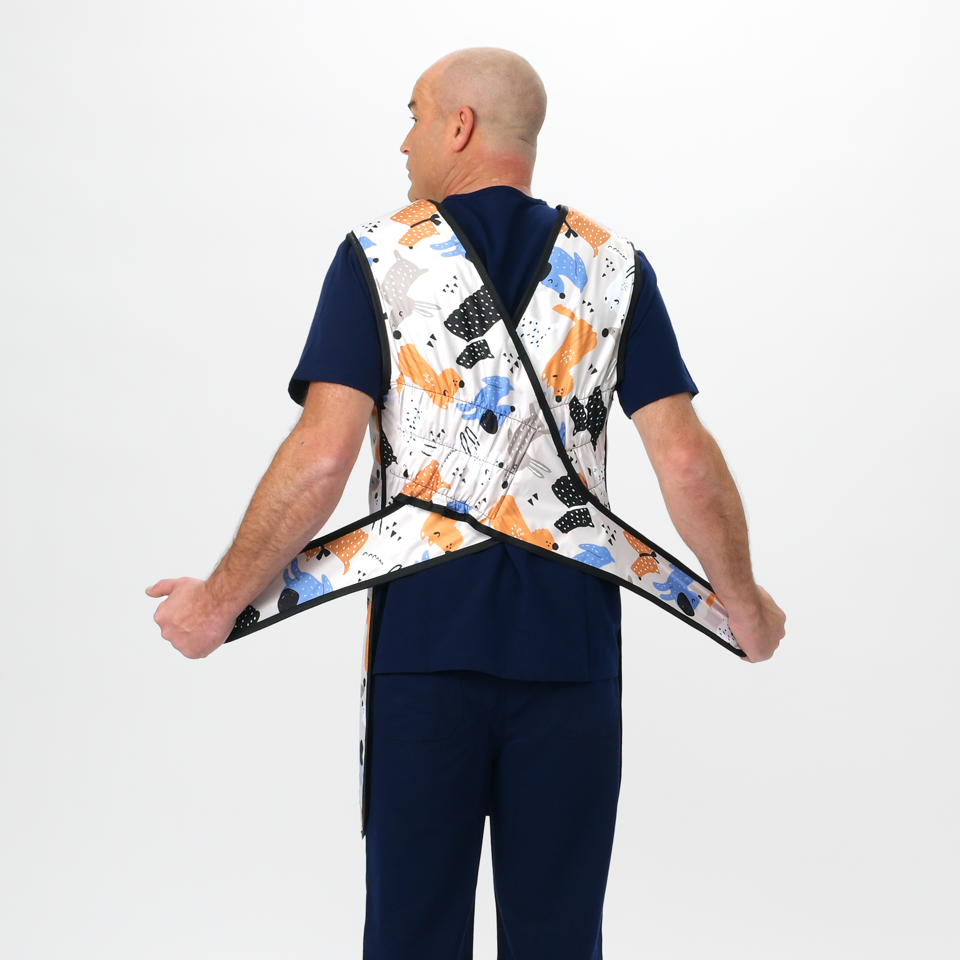
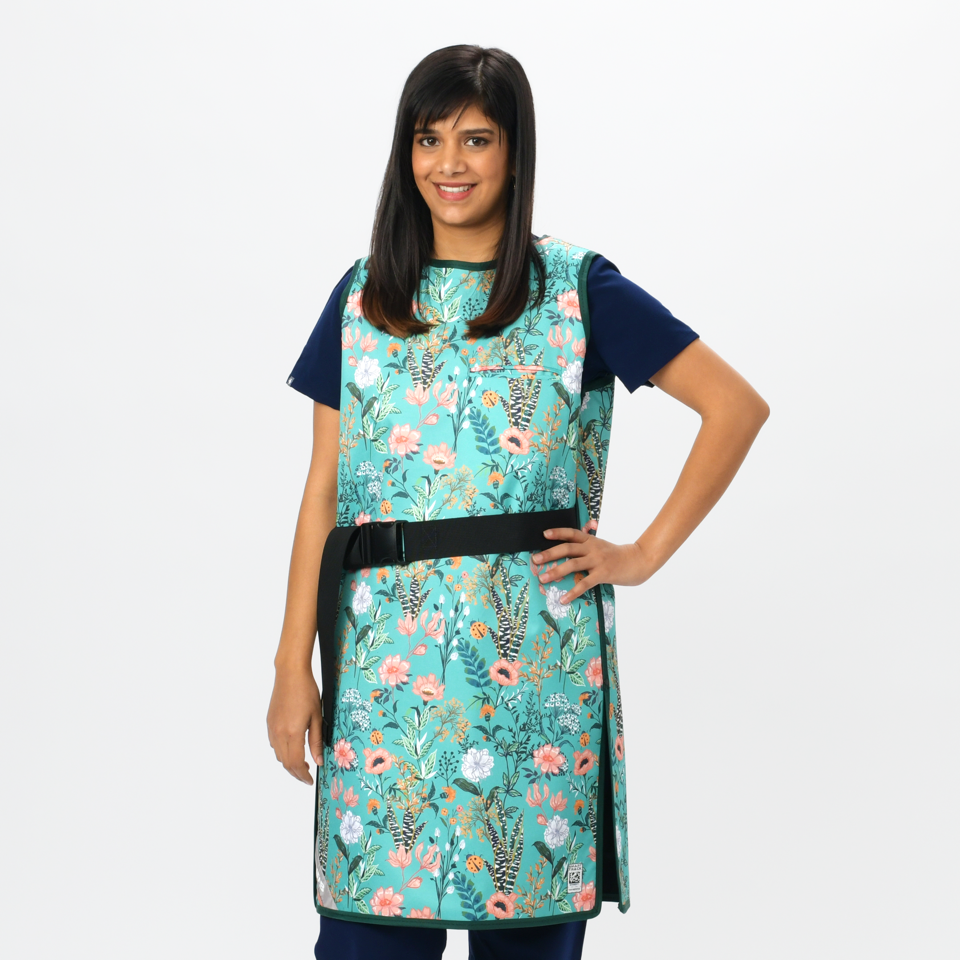
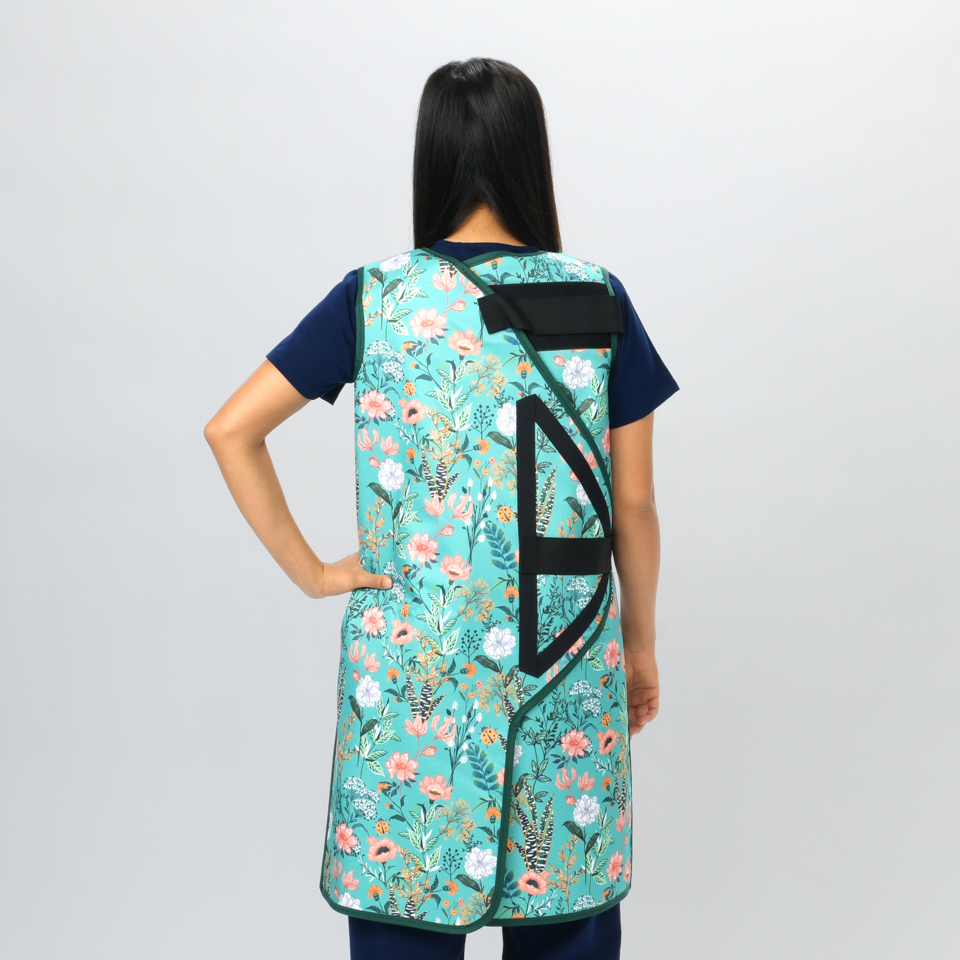
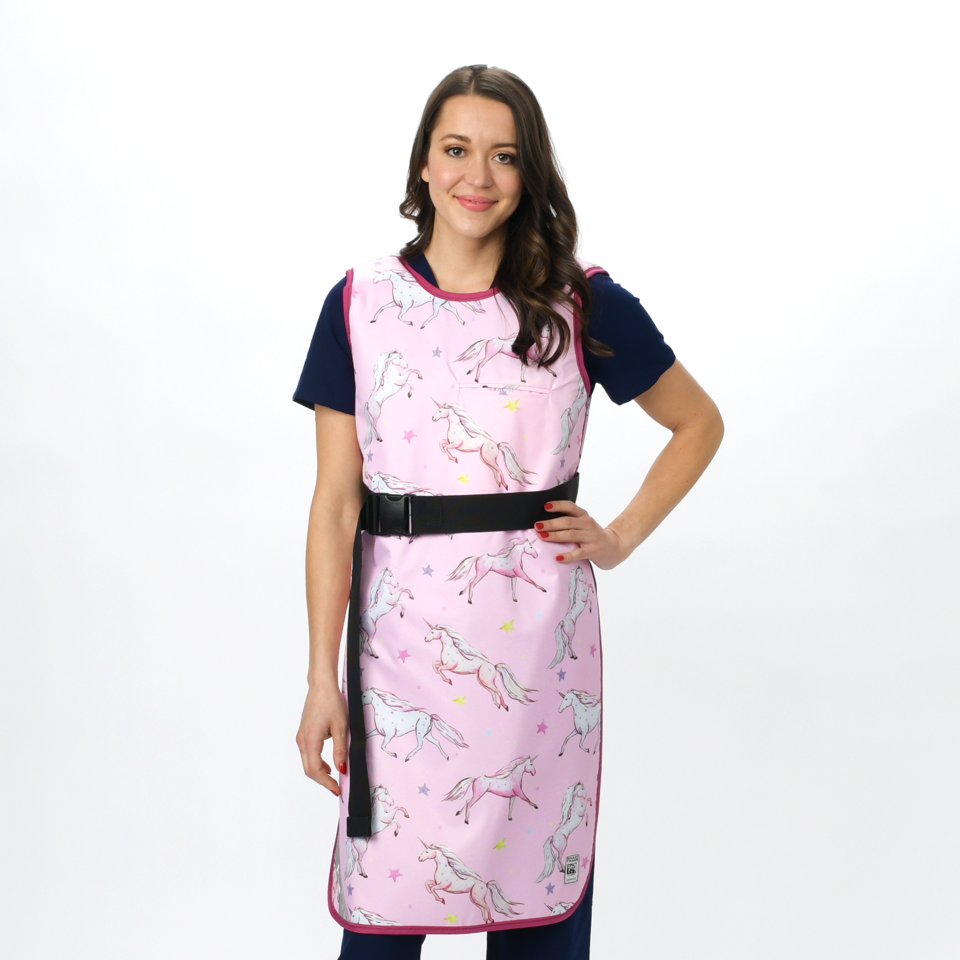
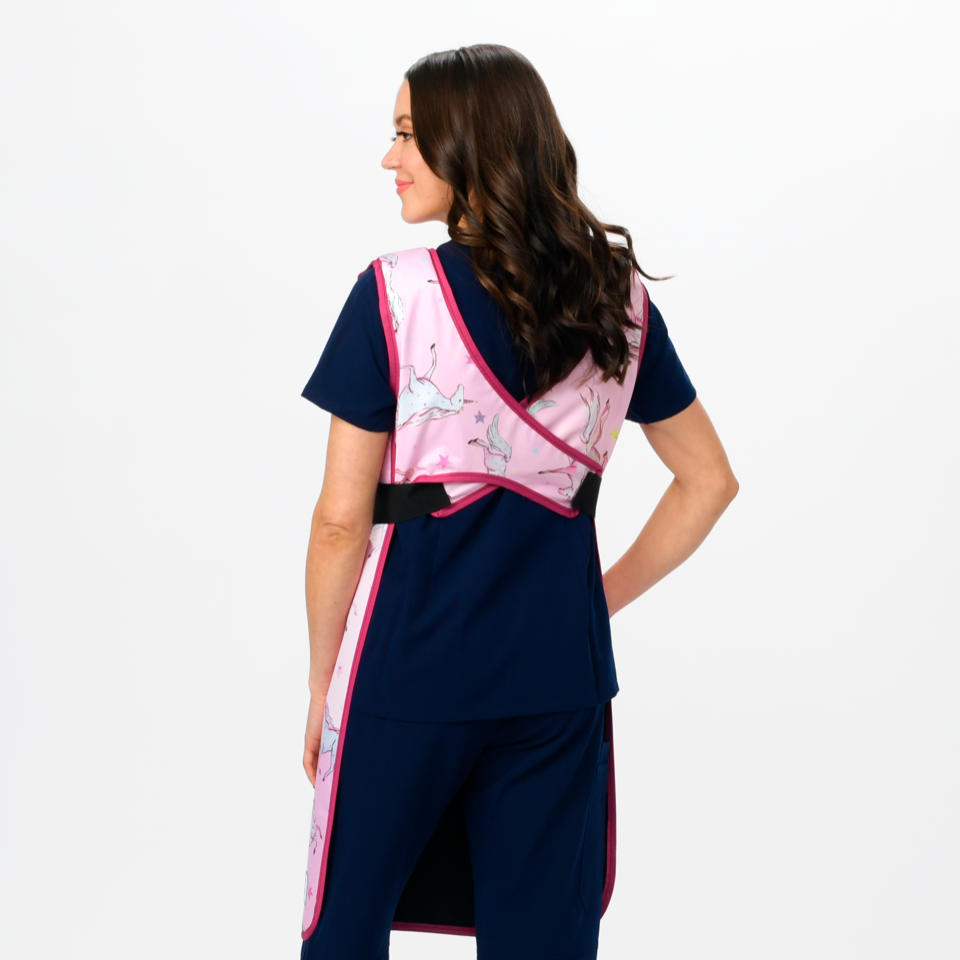
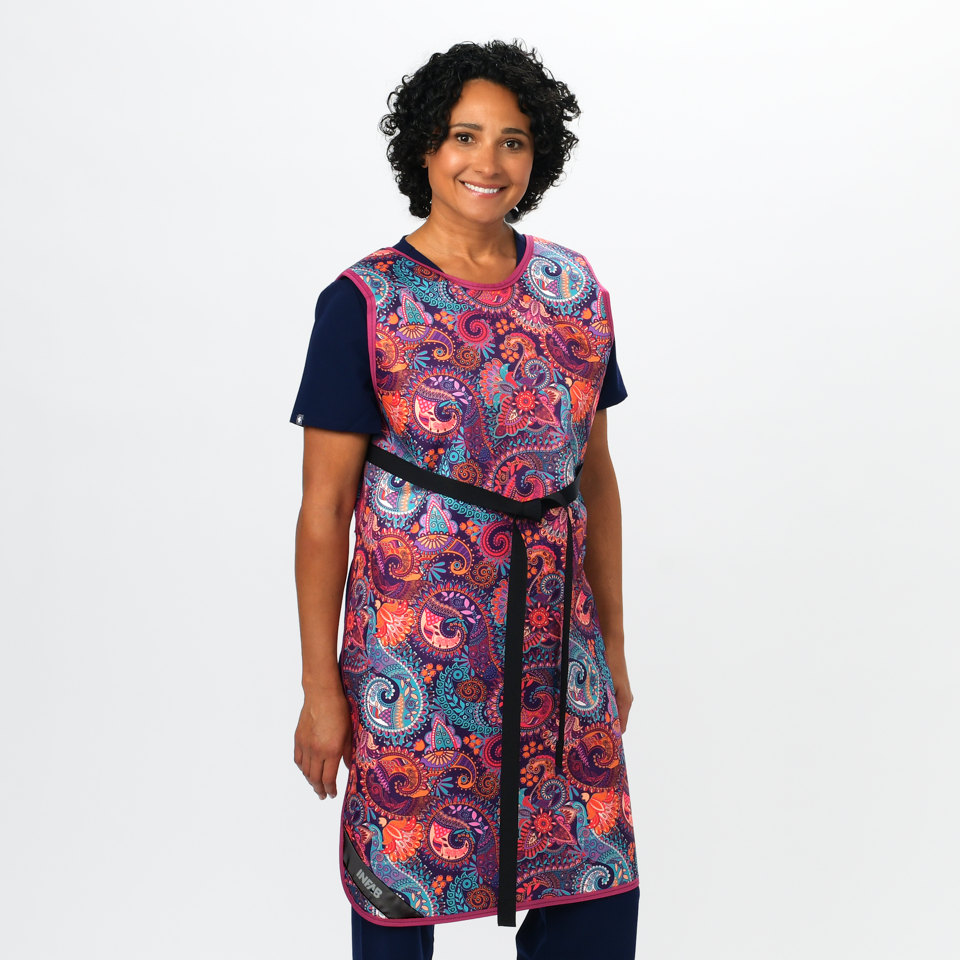
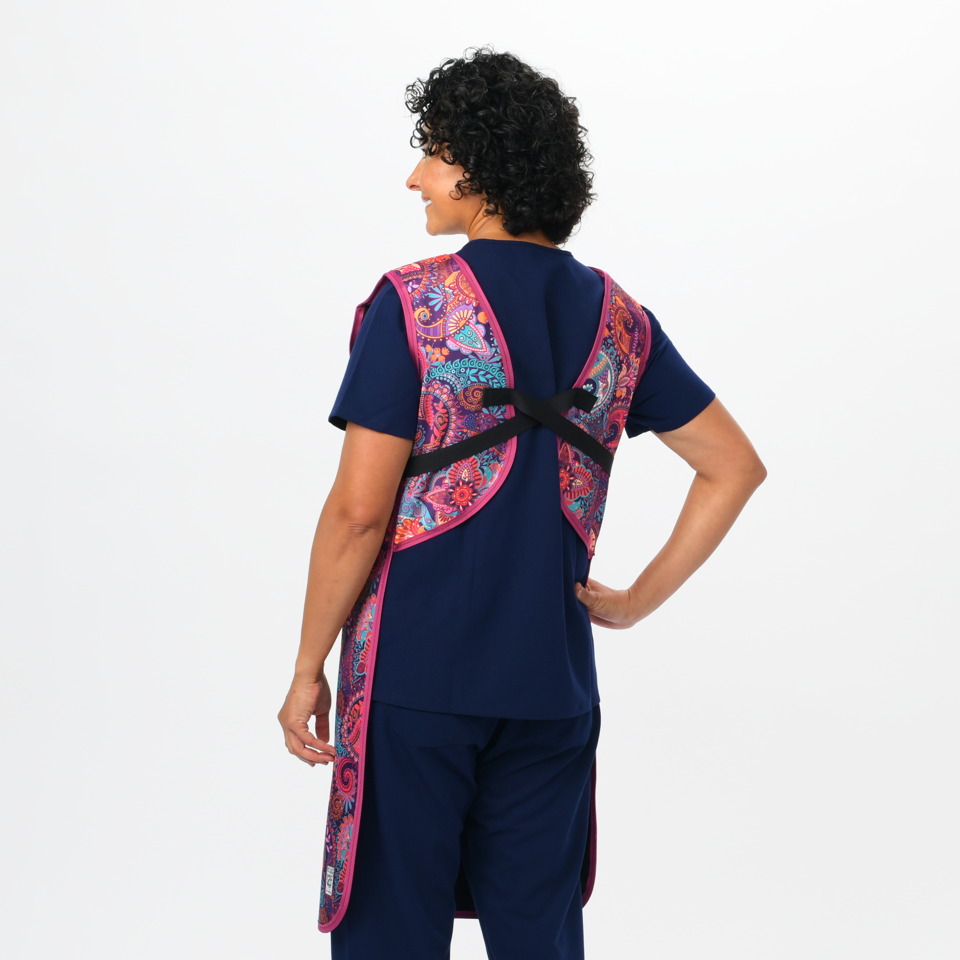
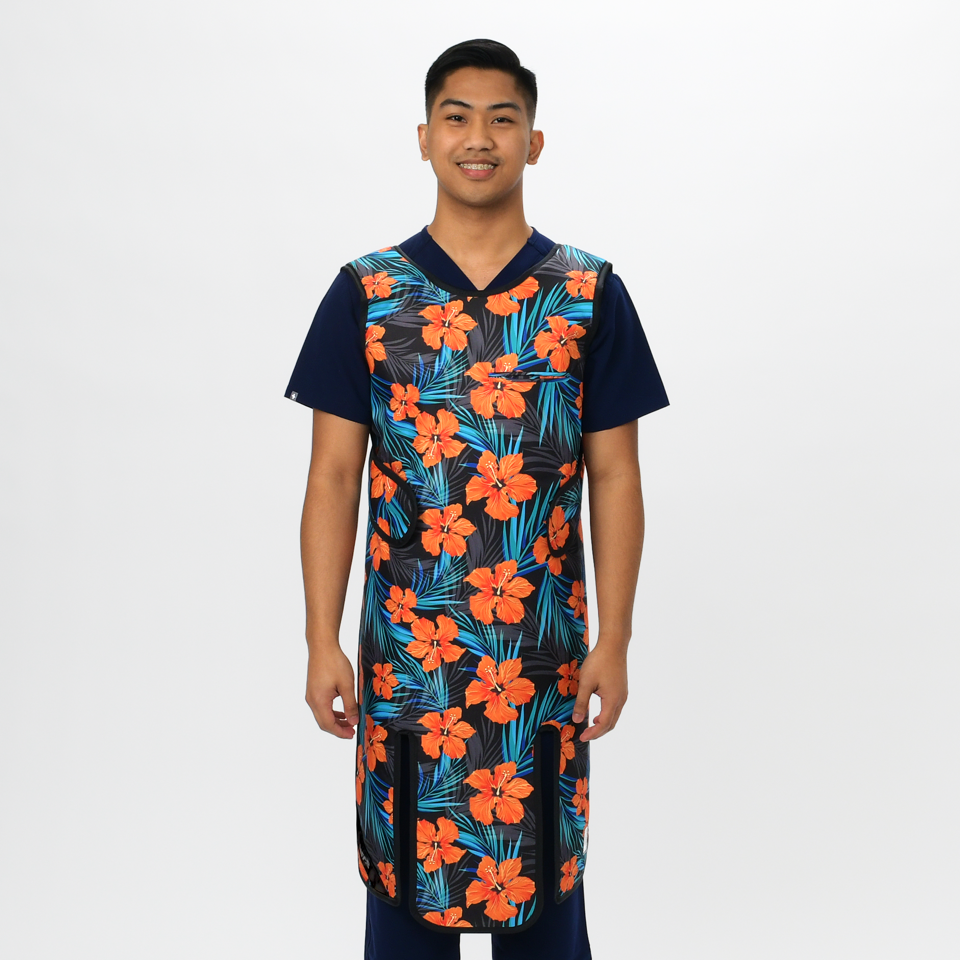
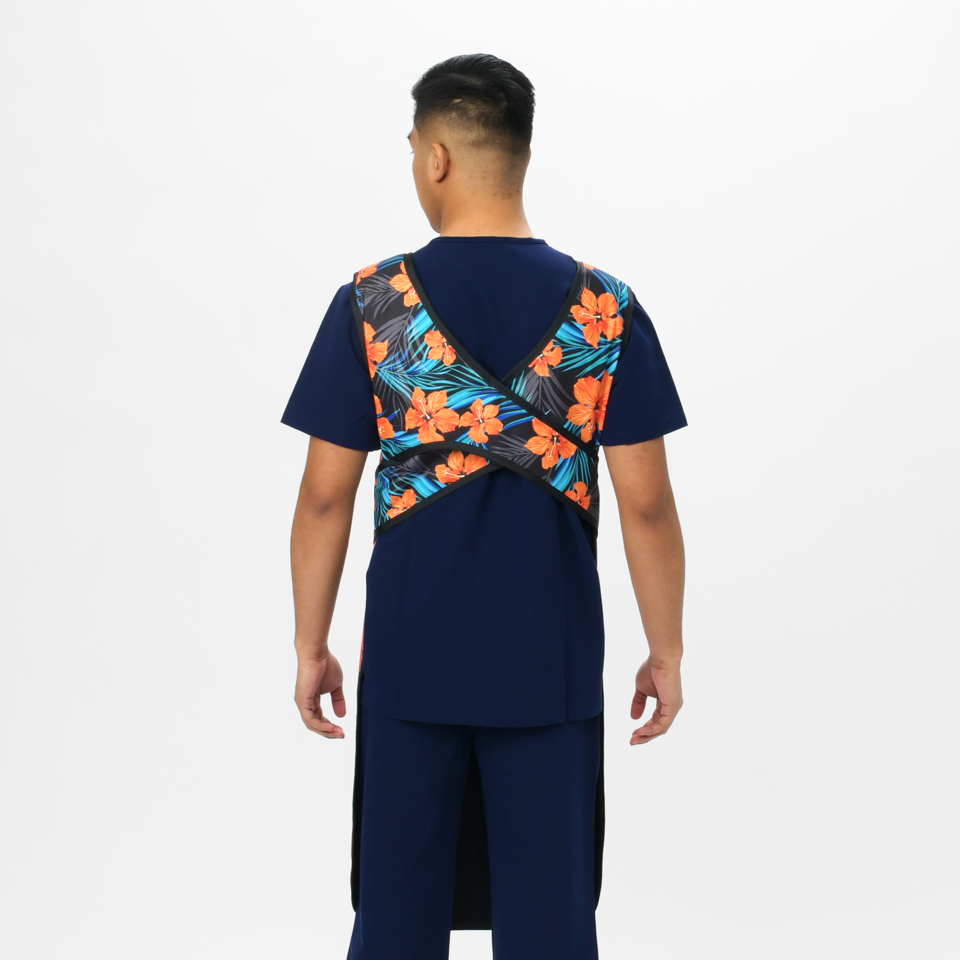
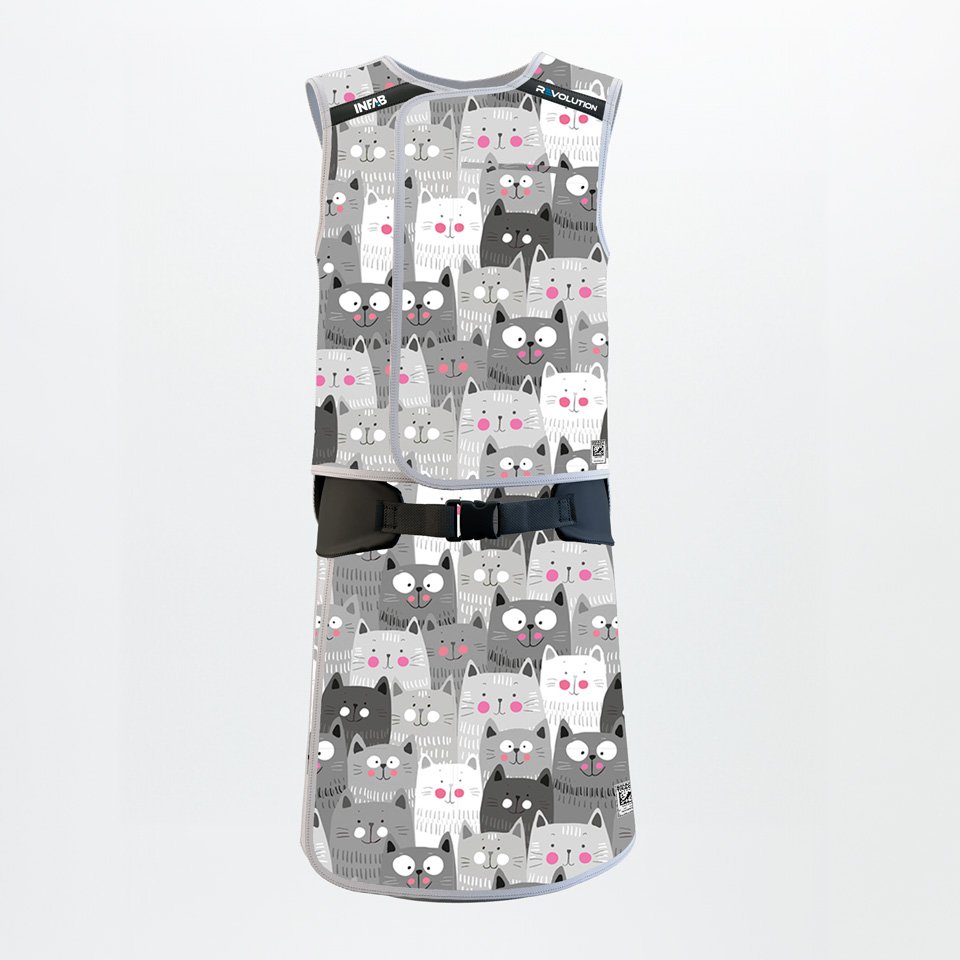
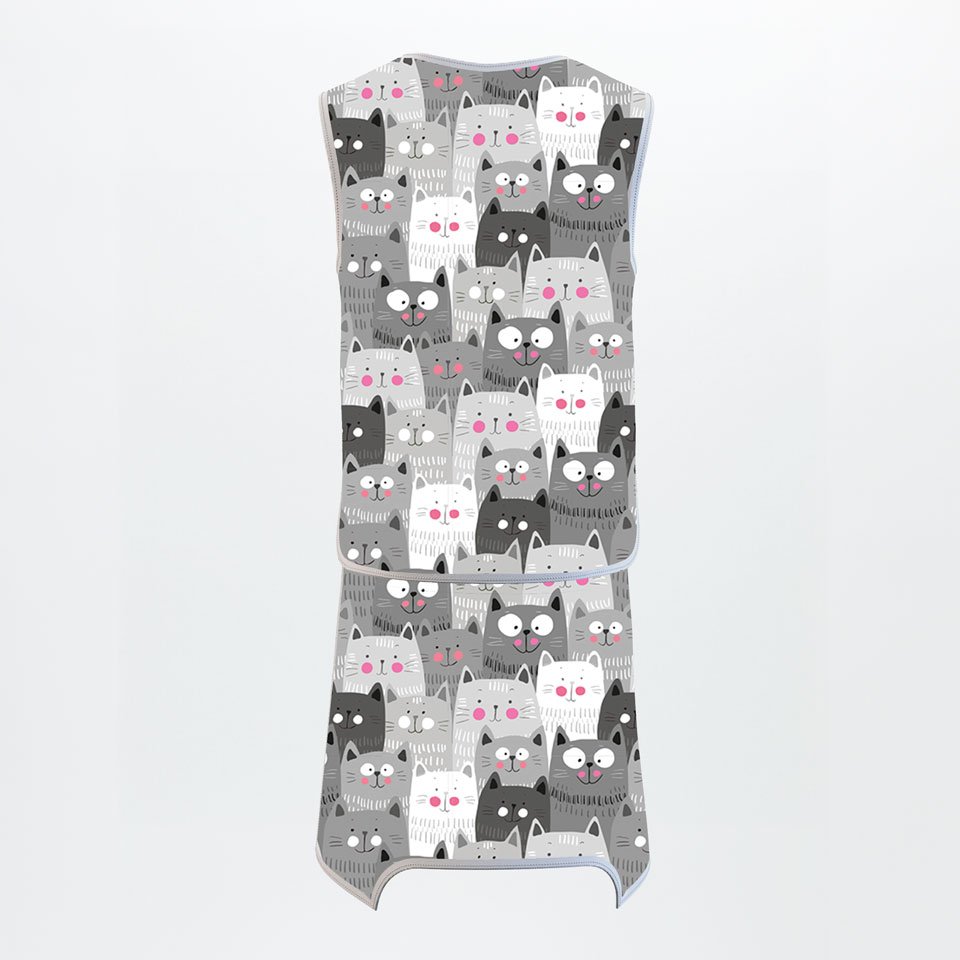
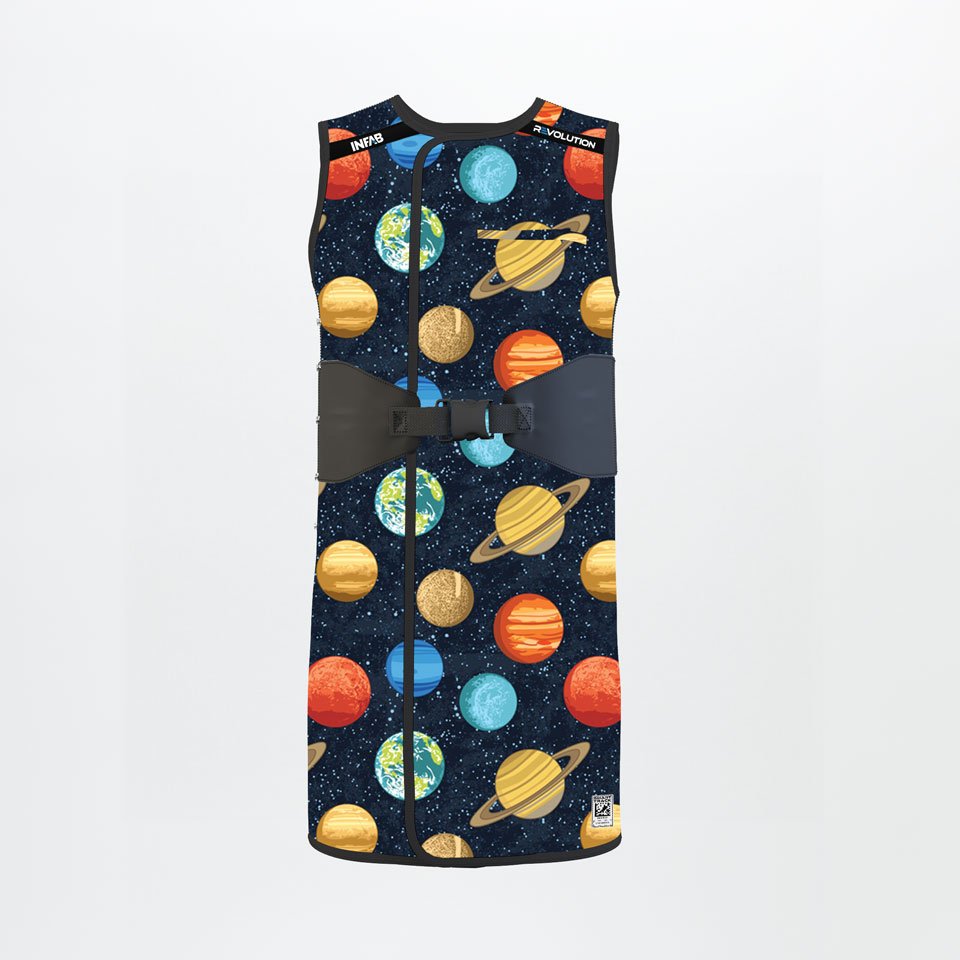
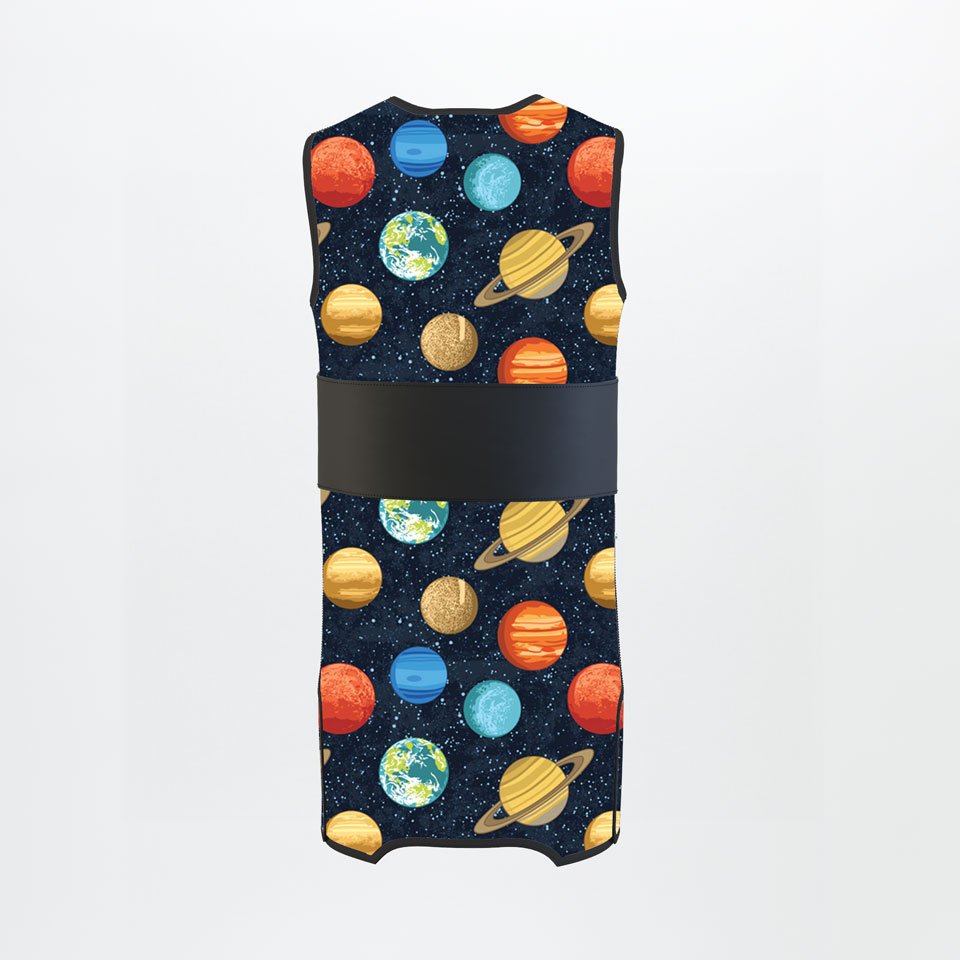
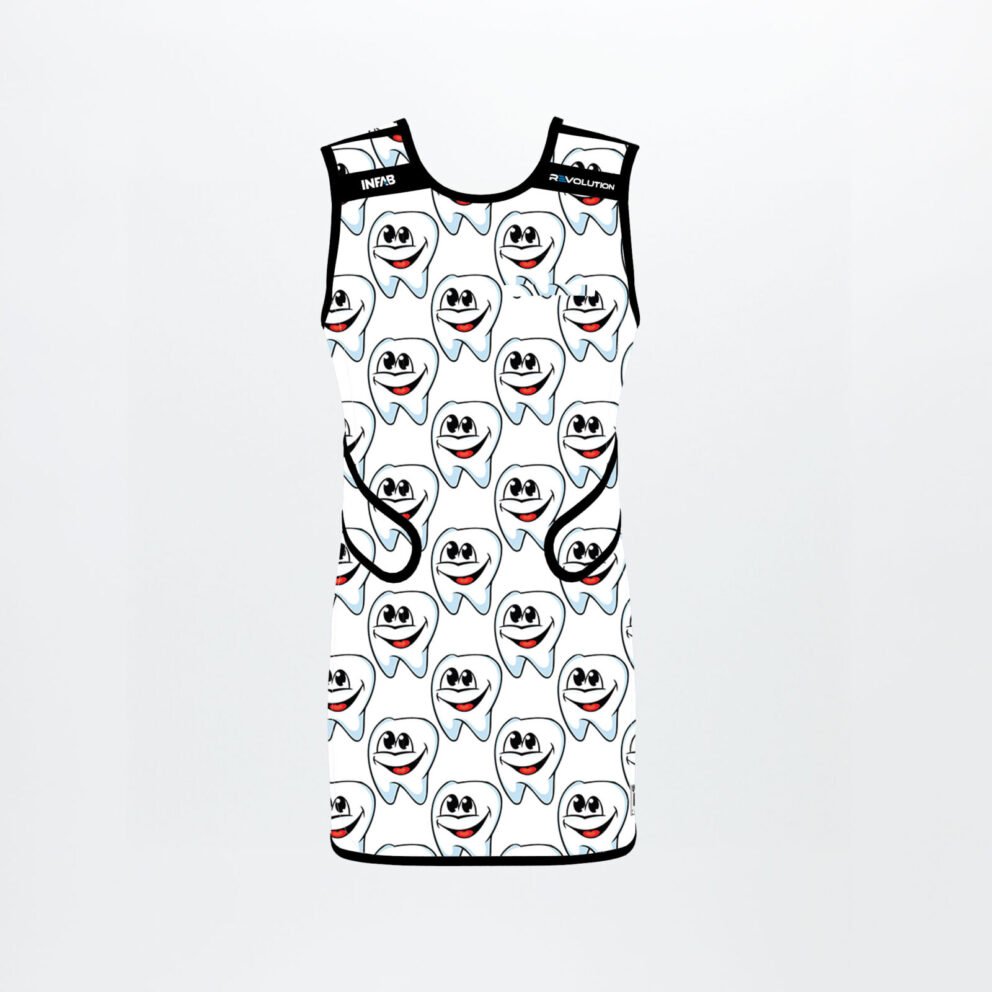
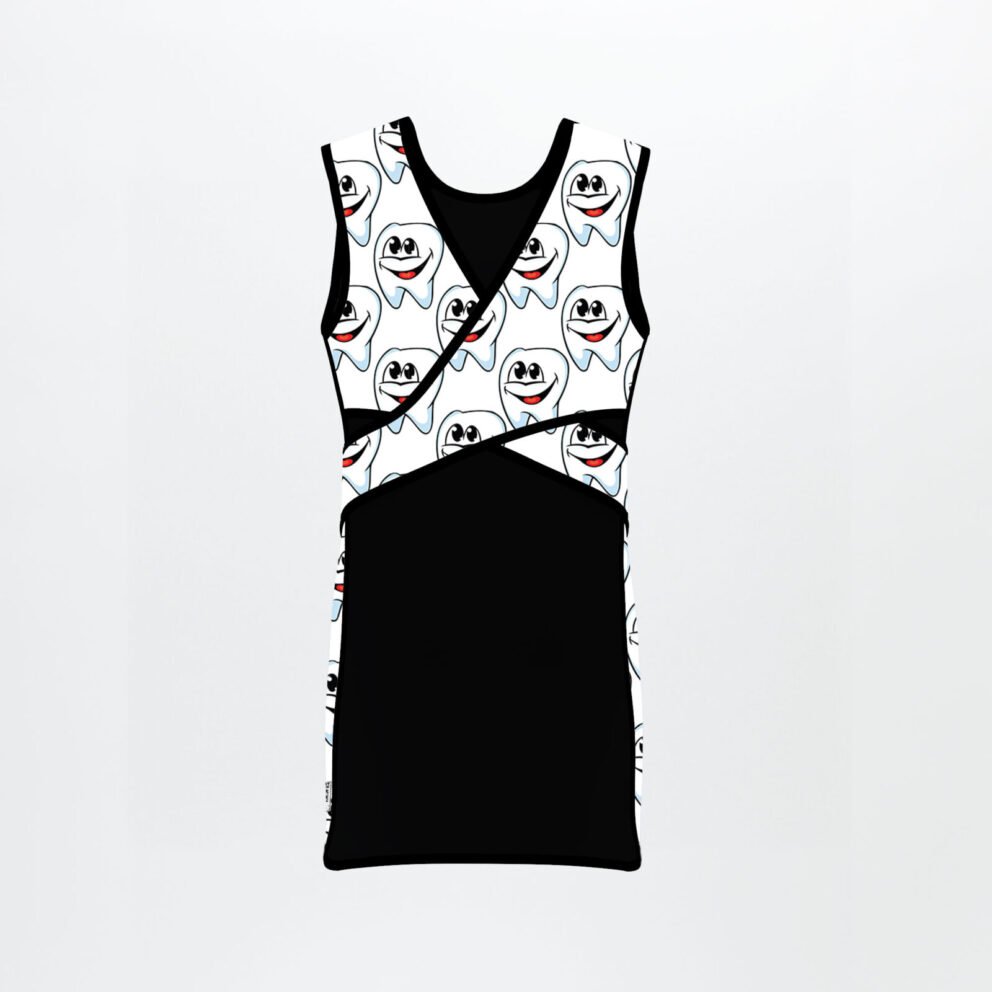
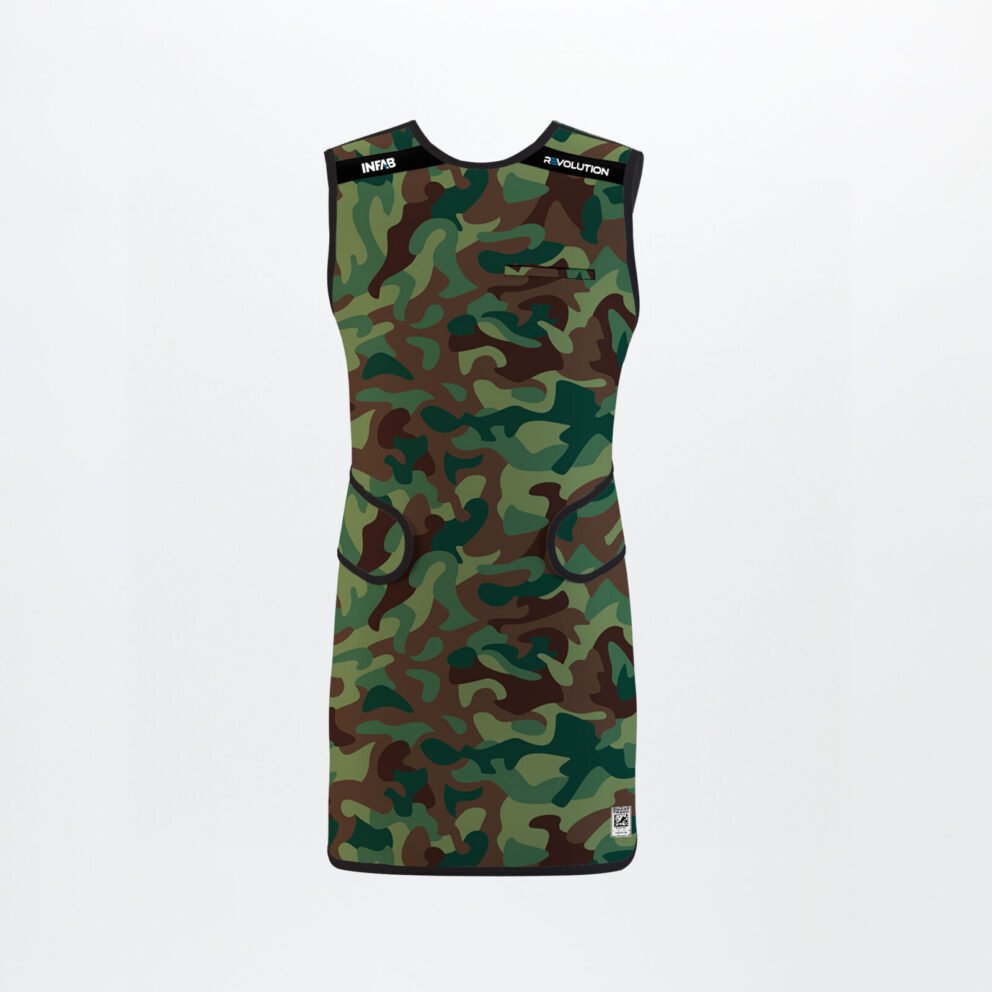
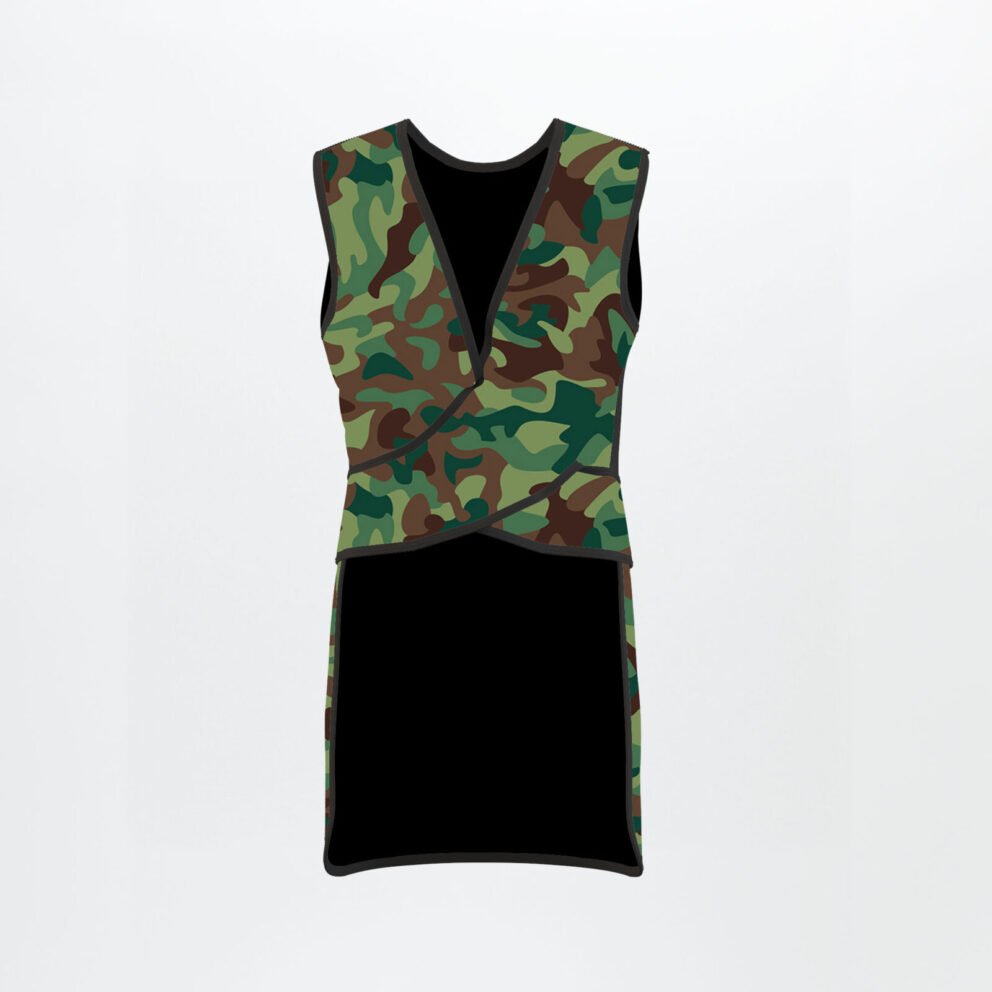




Types of Lead-Free and Lead Aprons

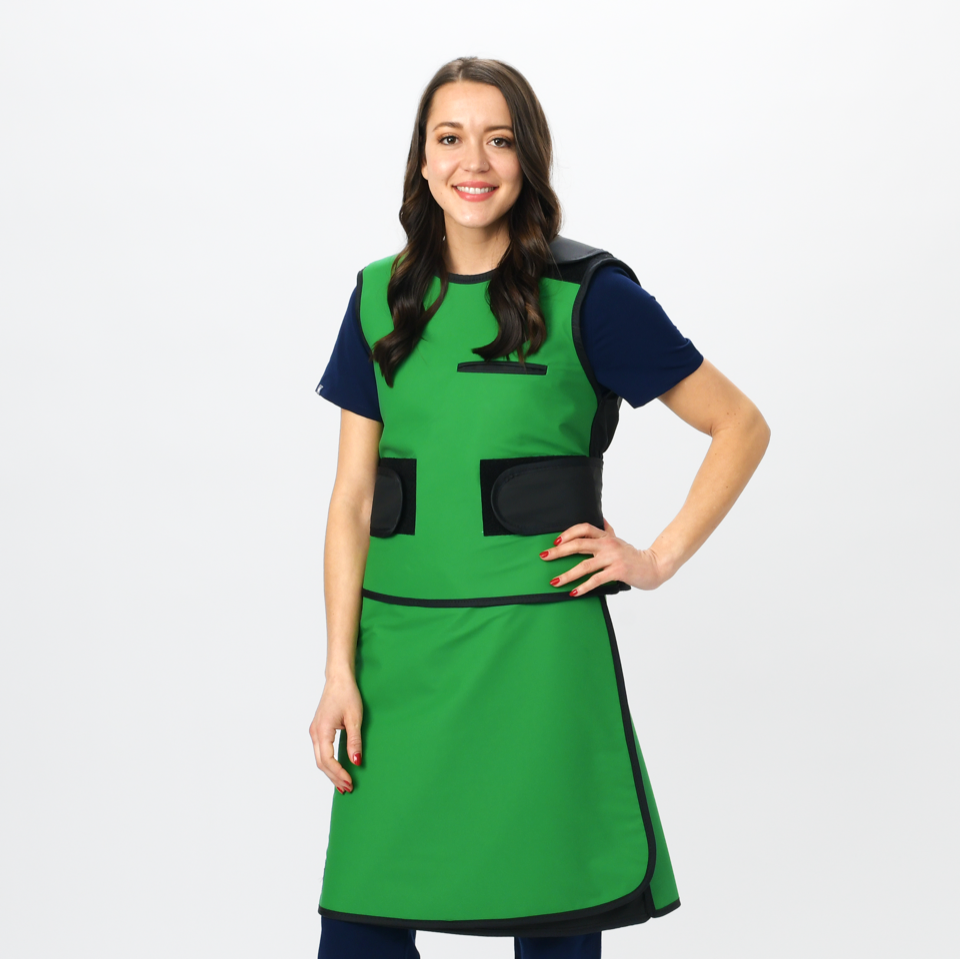
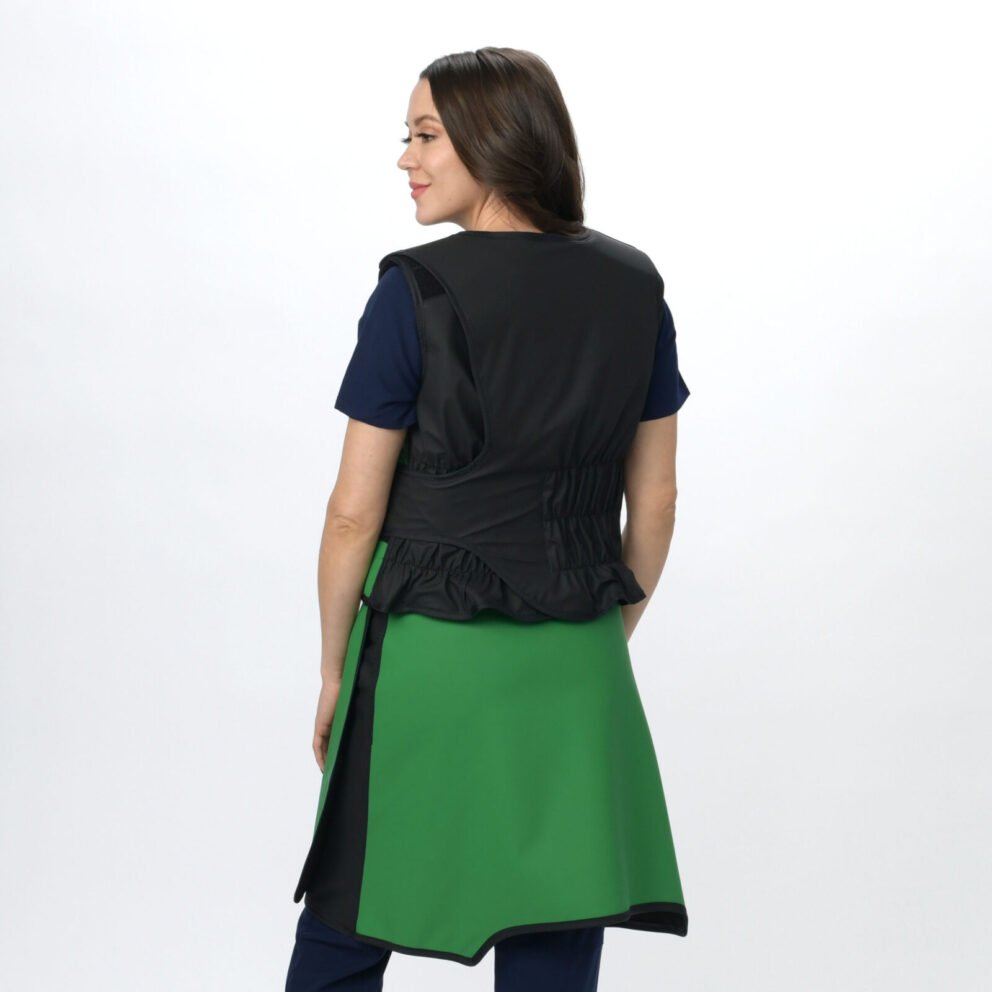
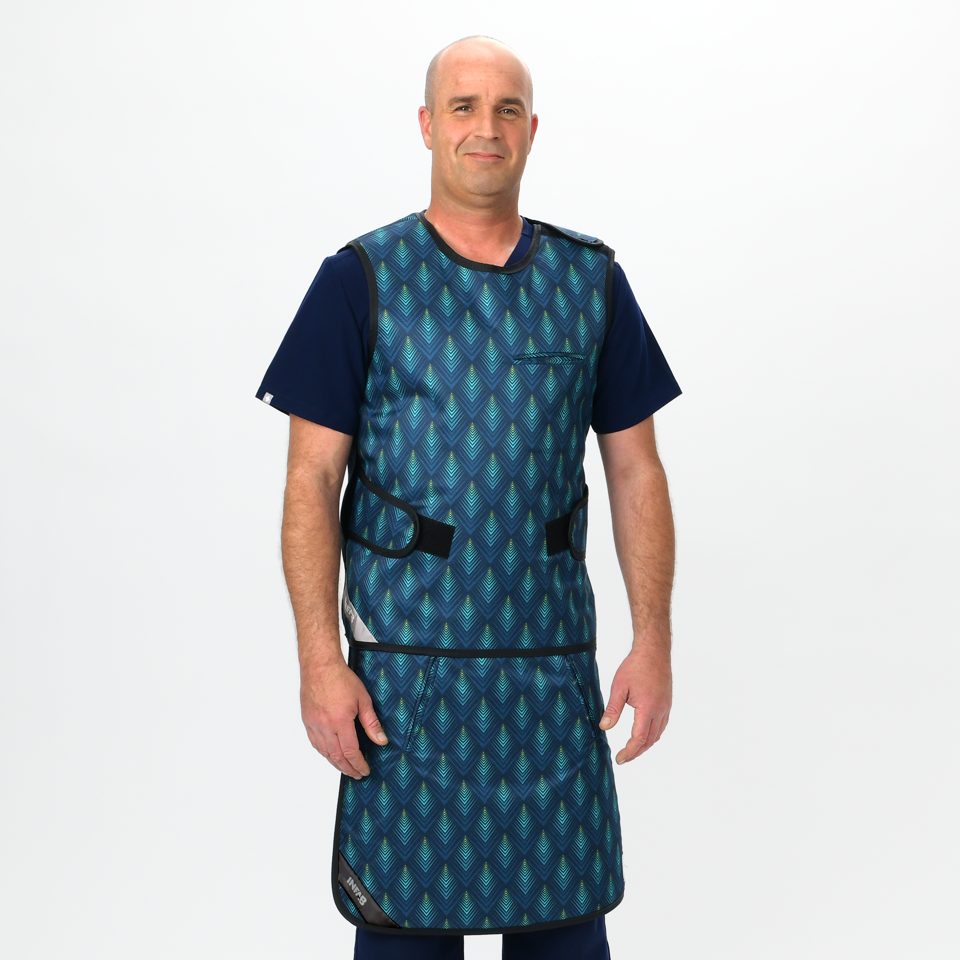
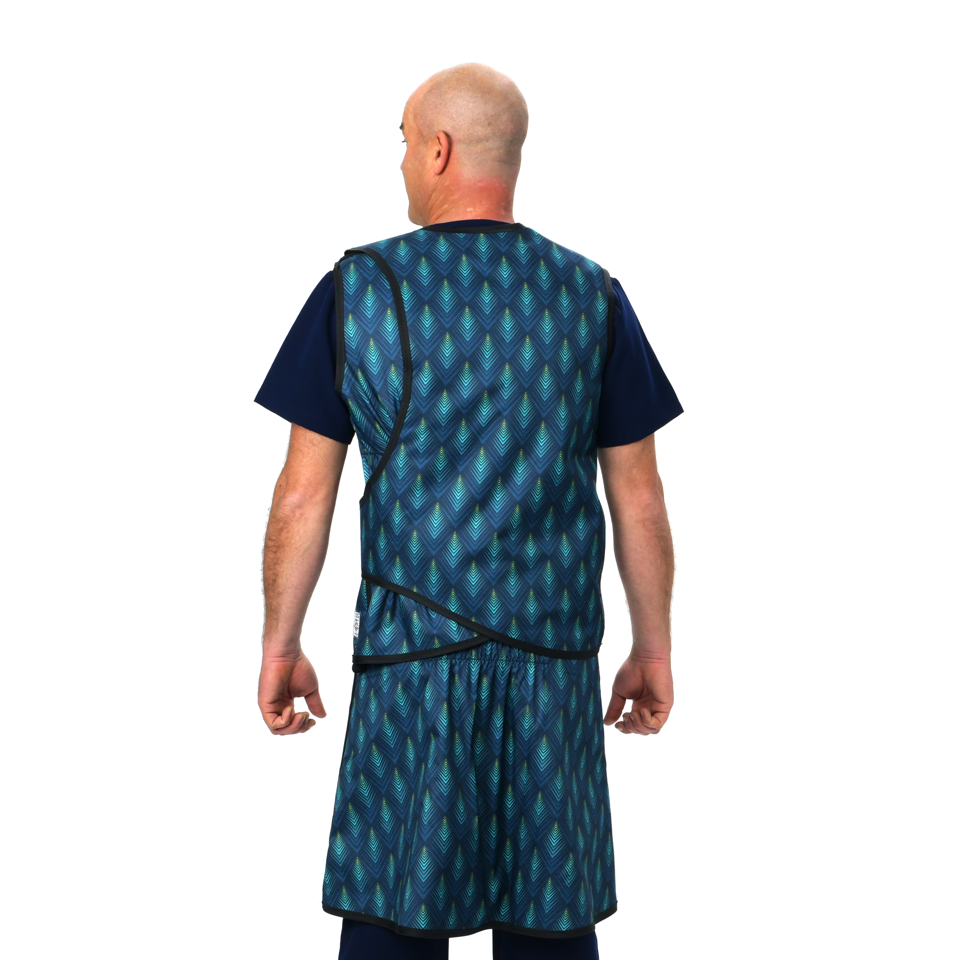
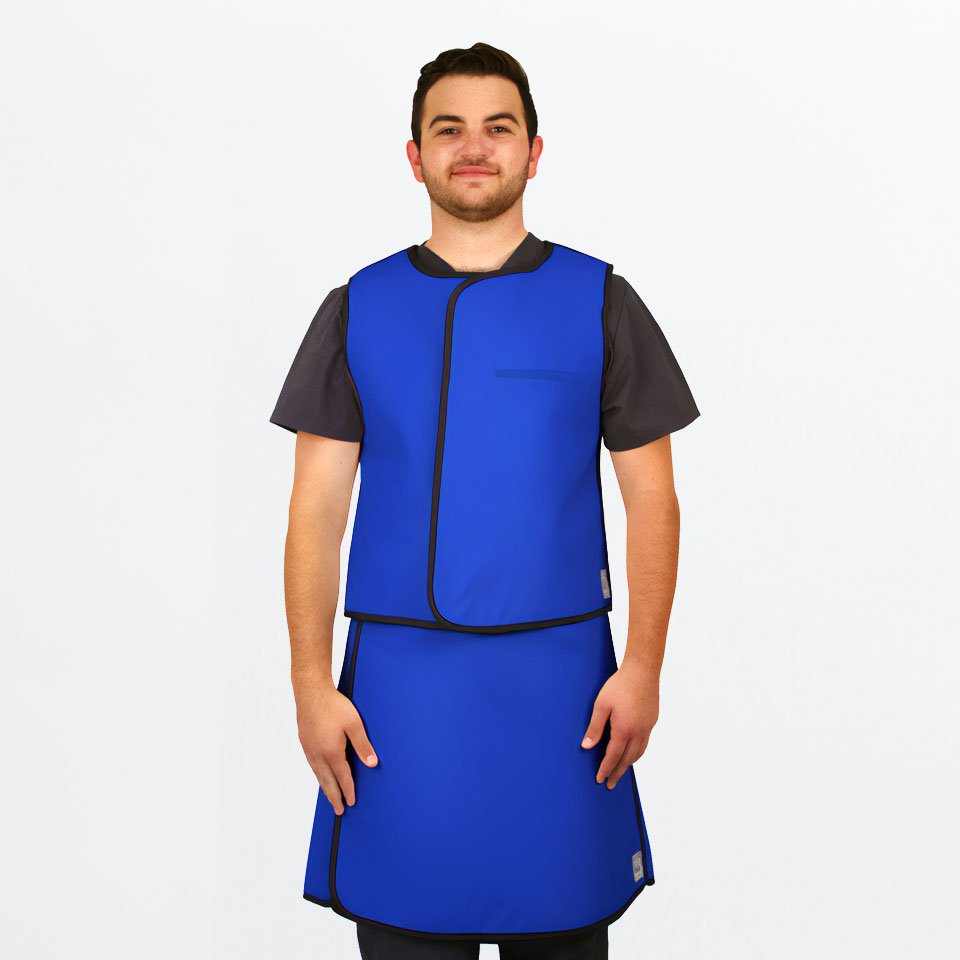
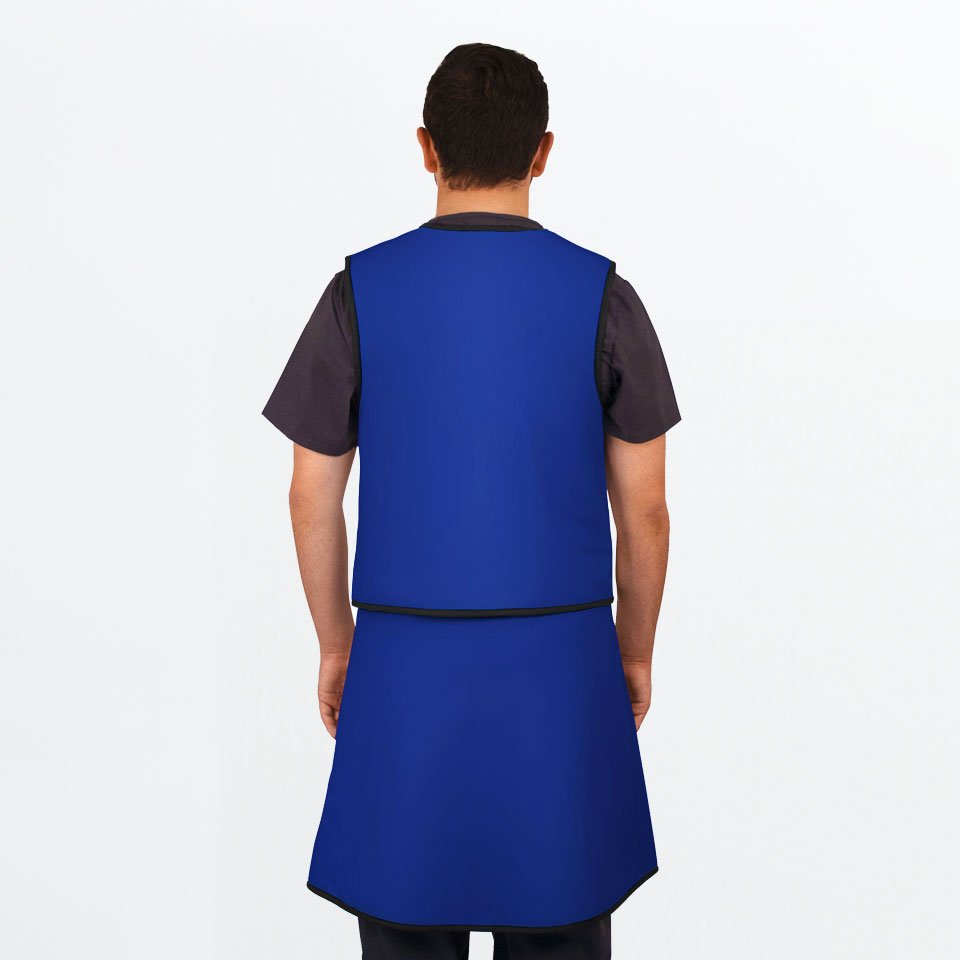
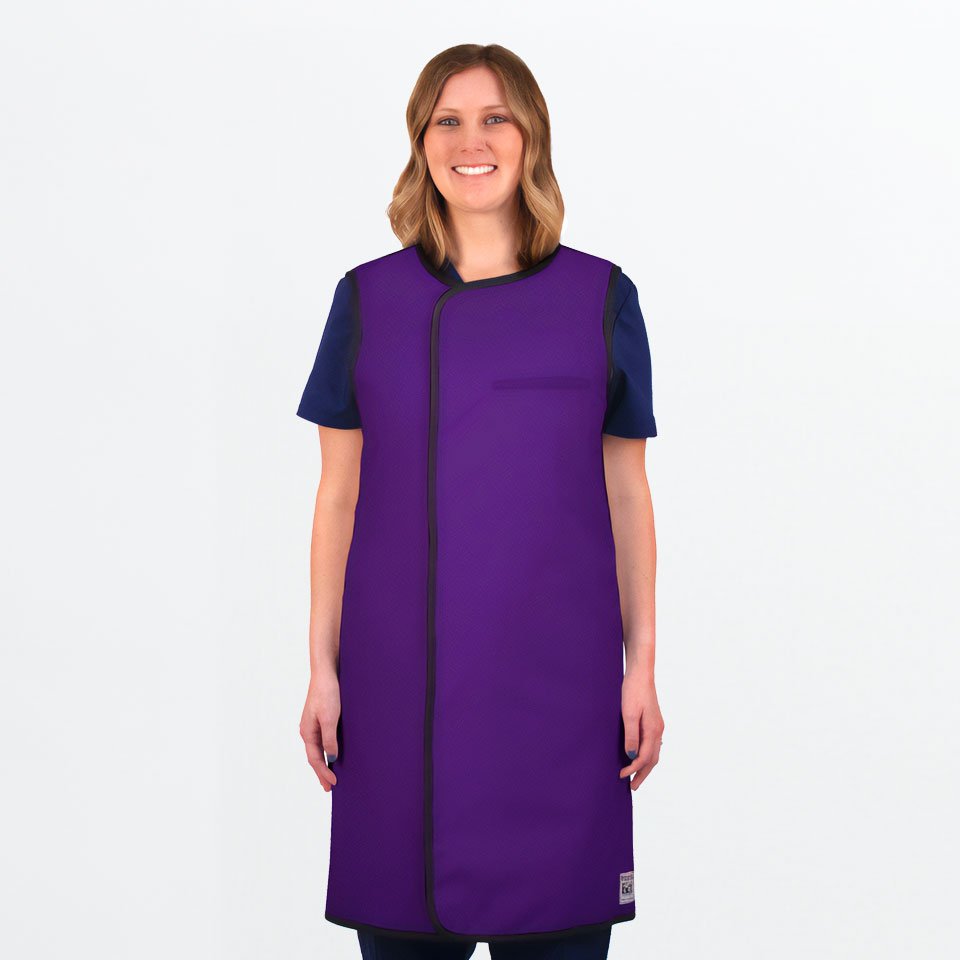
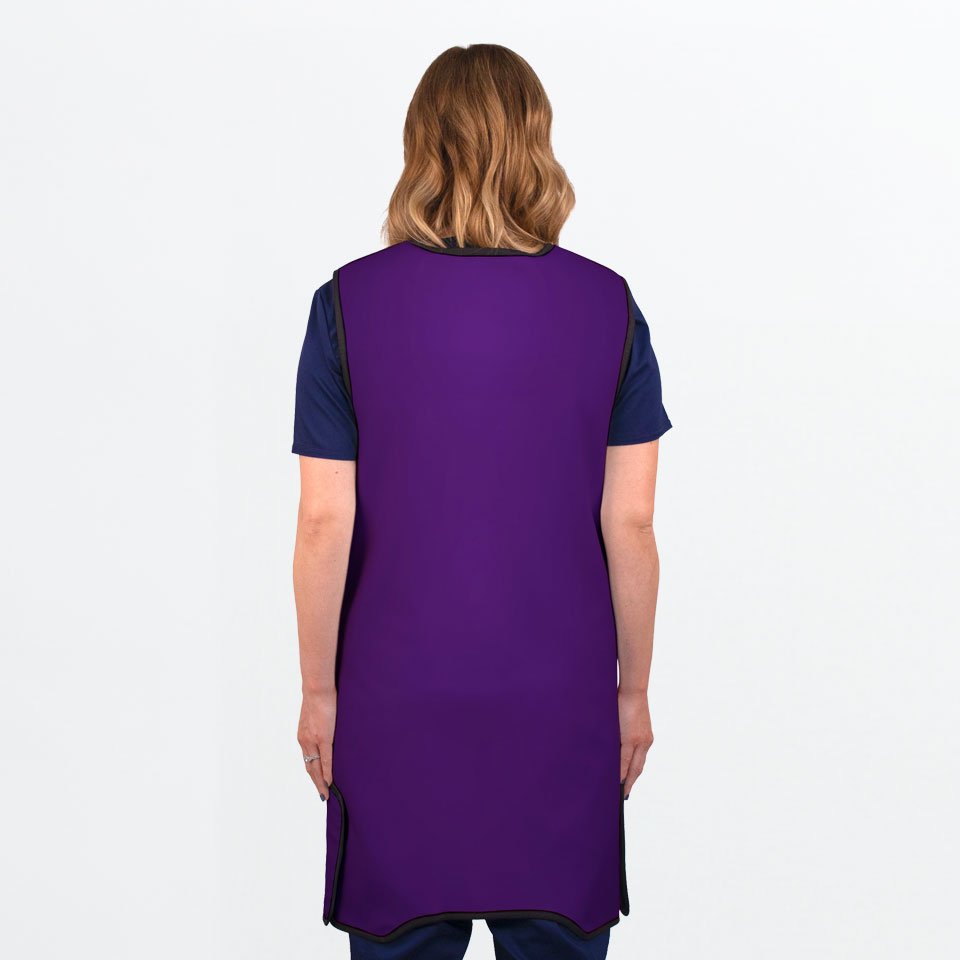
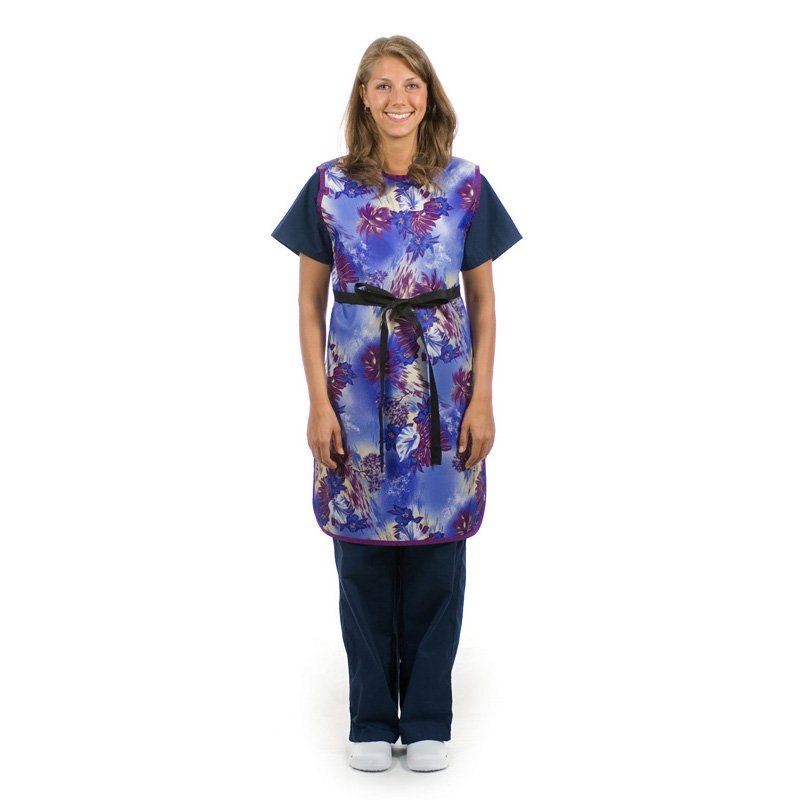
Vest and Skirt
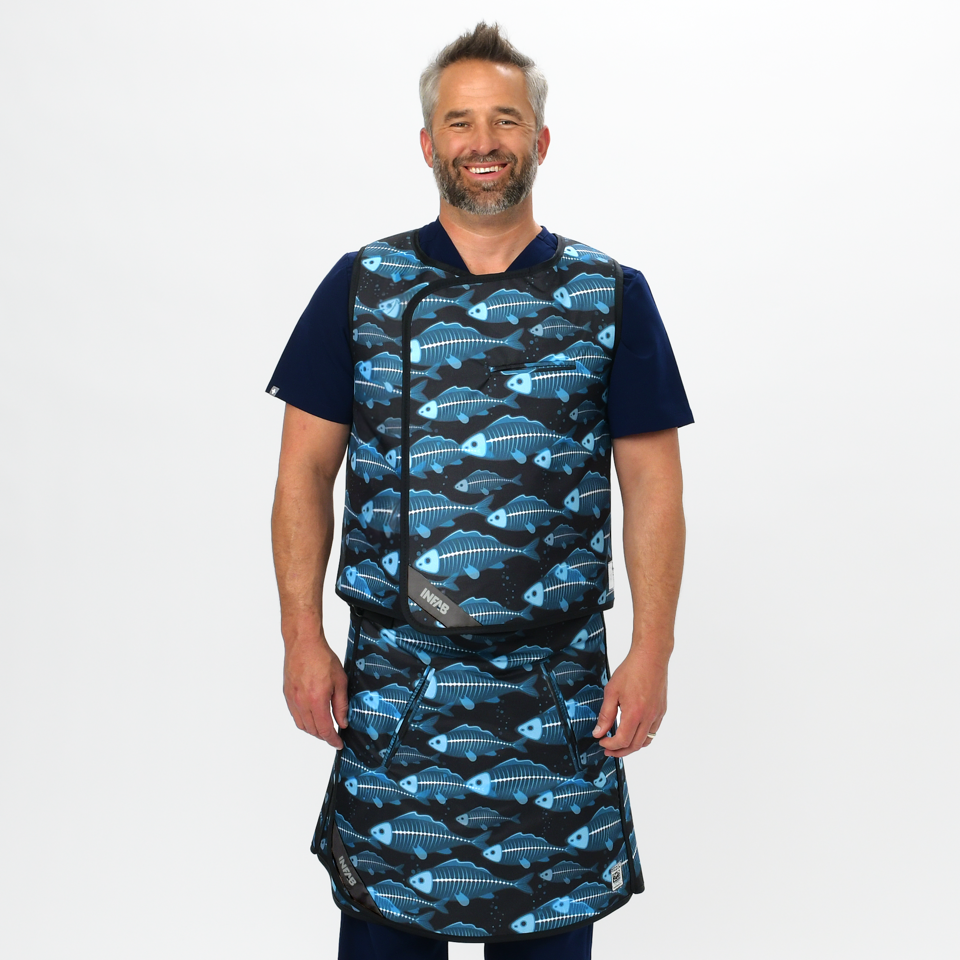
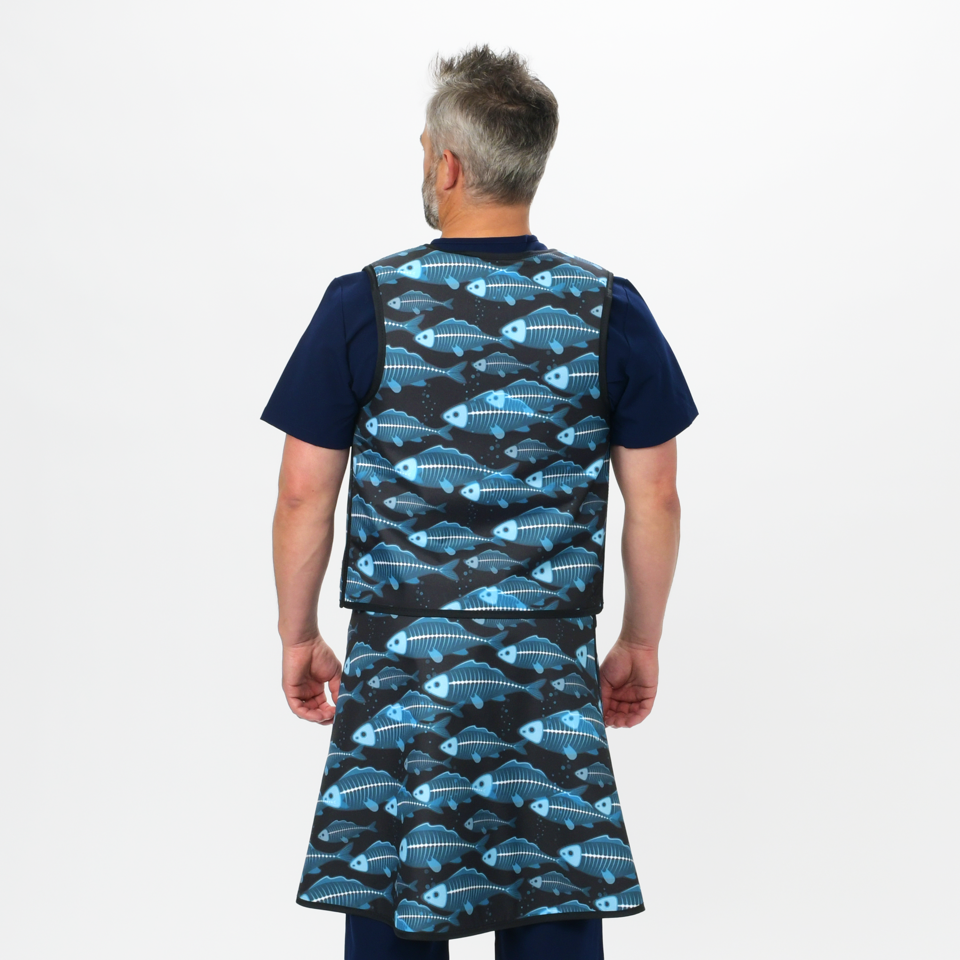
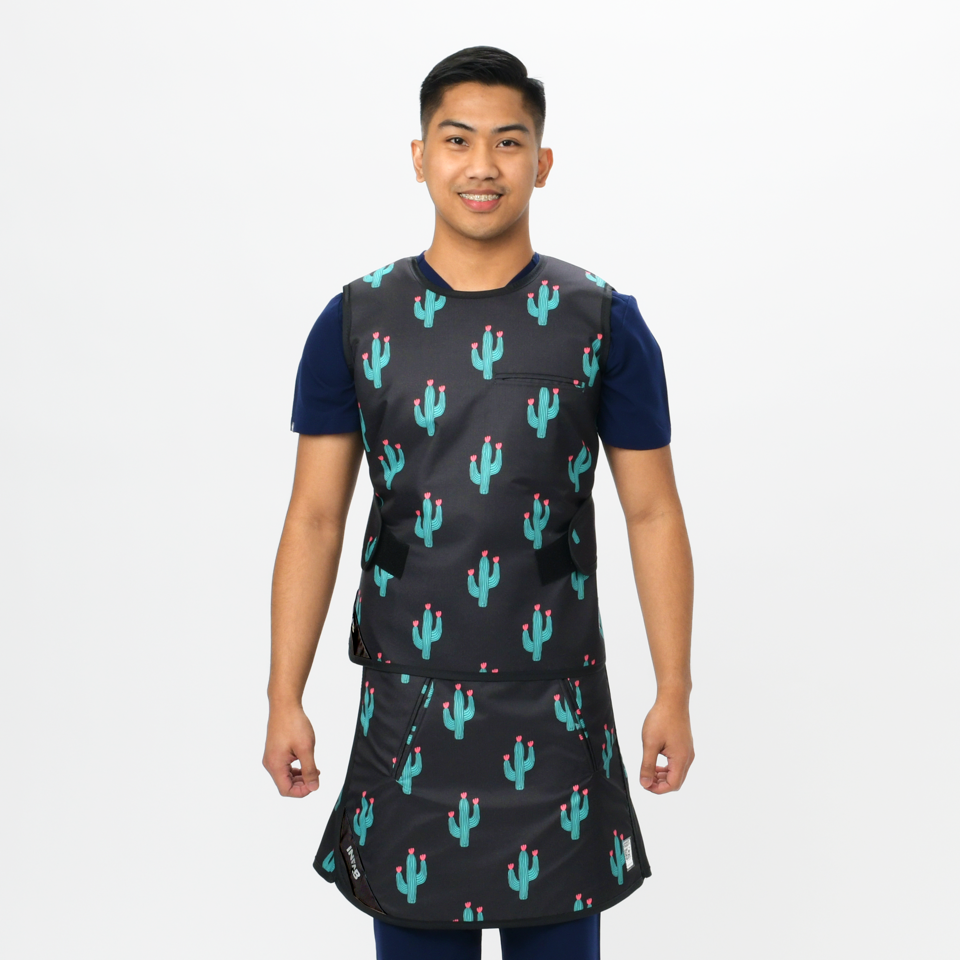
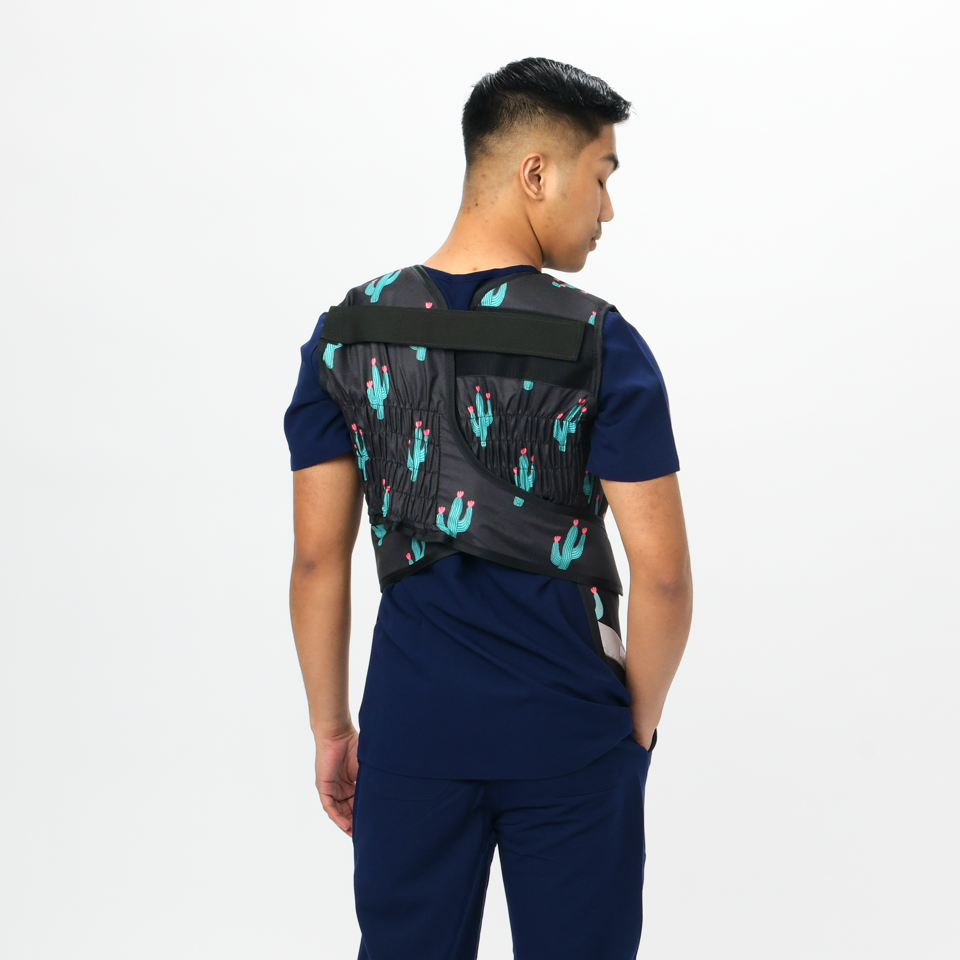
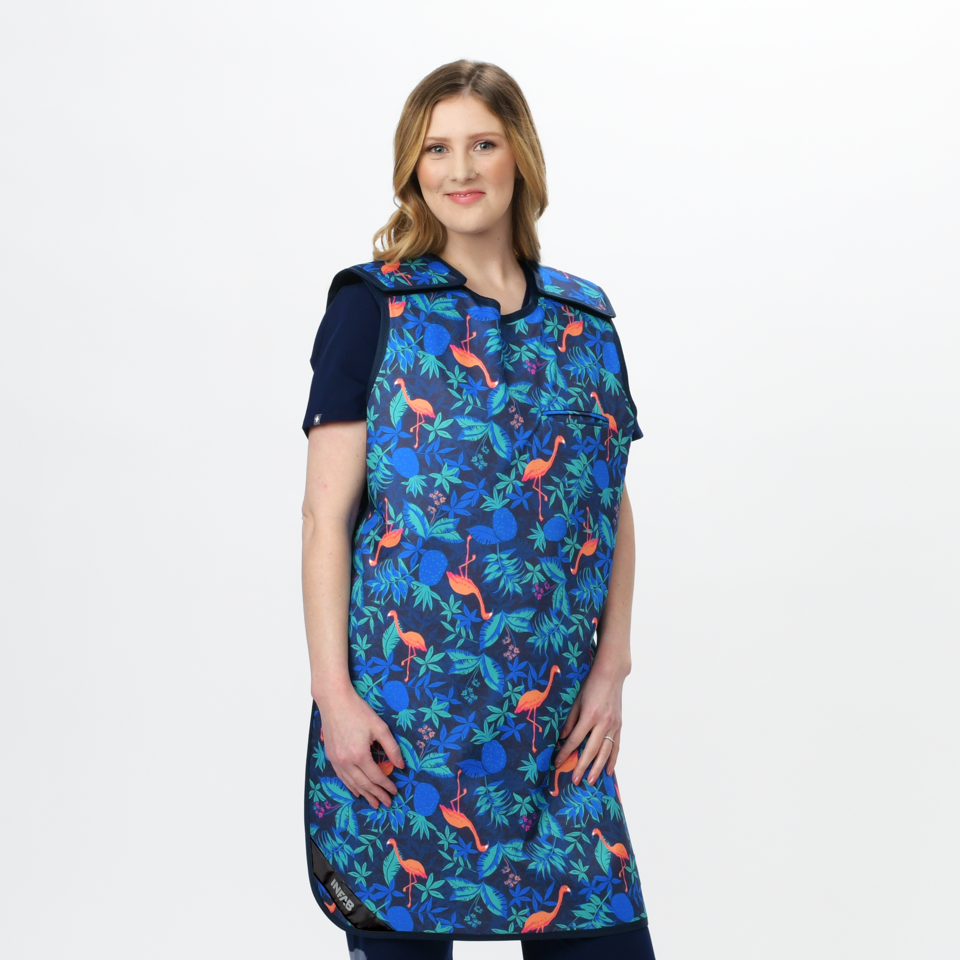
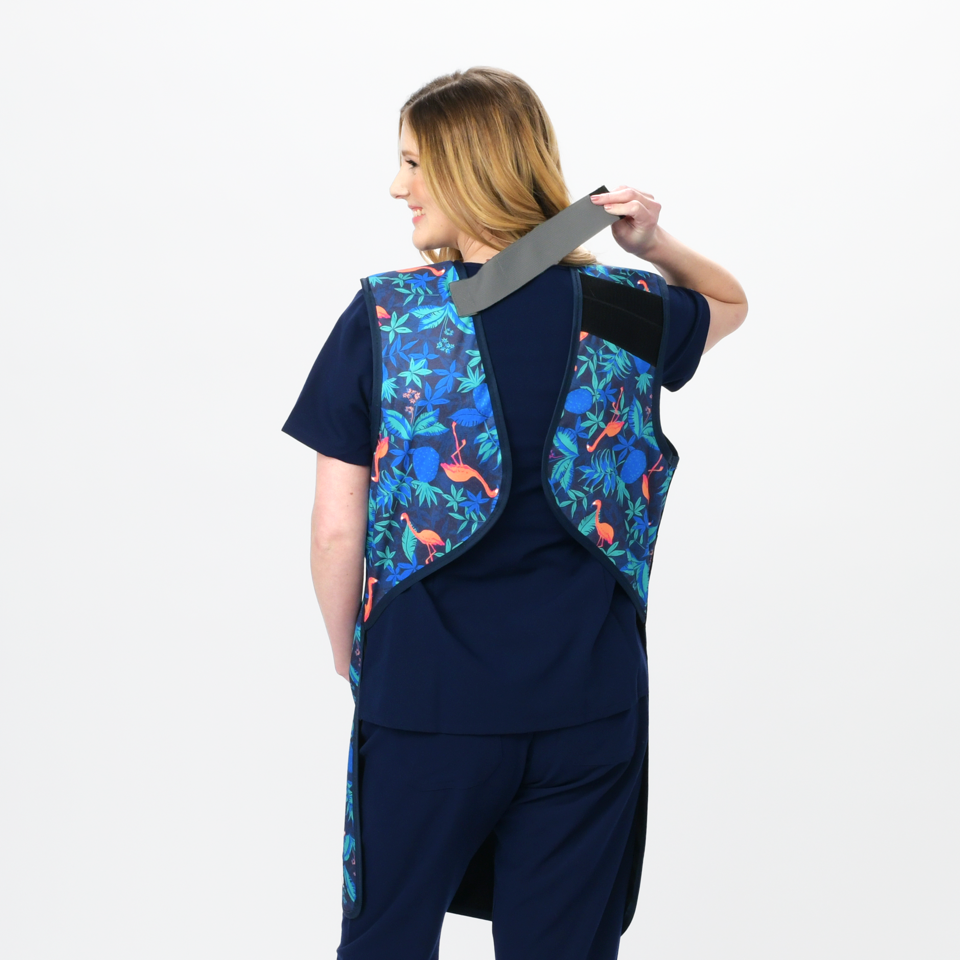
A two-piece apron that provides 360 degrees of coverage and distributes weight between the shoulders and hips. The most popular style for long cases in the cath lab, interventional radiology, and electrophysiology (EP) labs. Shorter per-piece length reduces fatigue compared with a one-piece full-length apron.

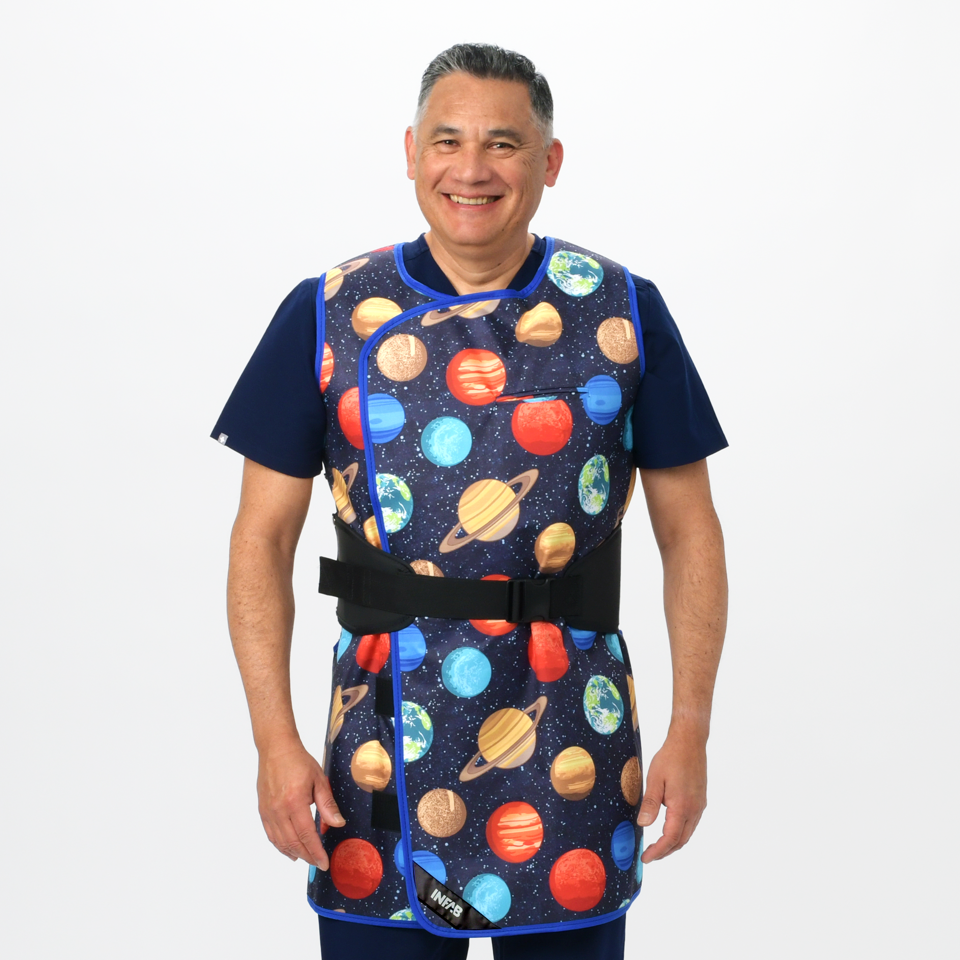
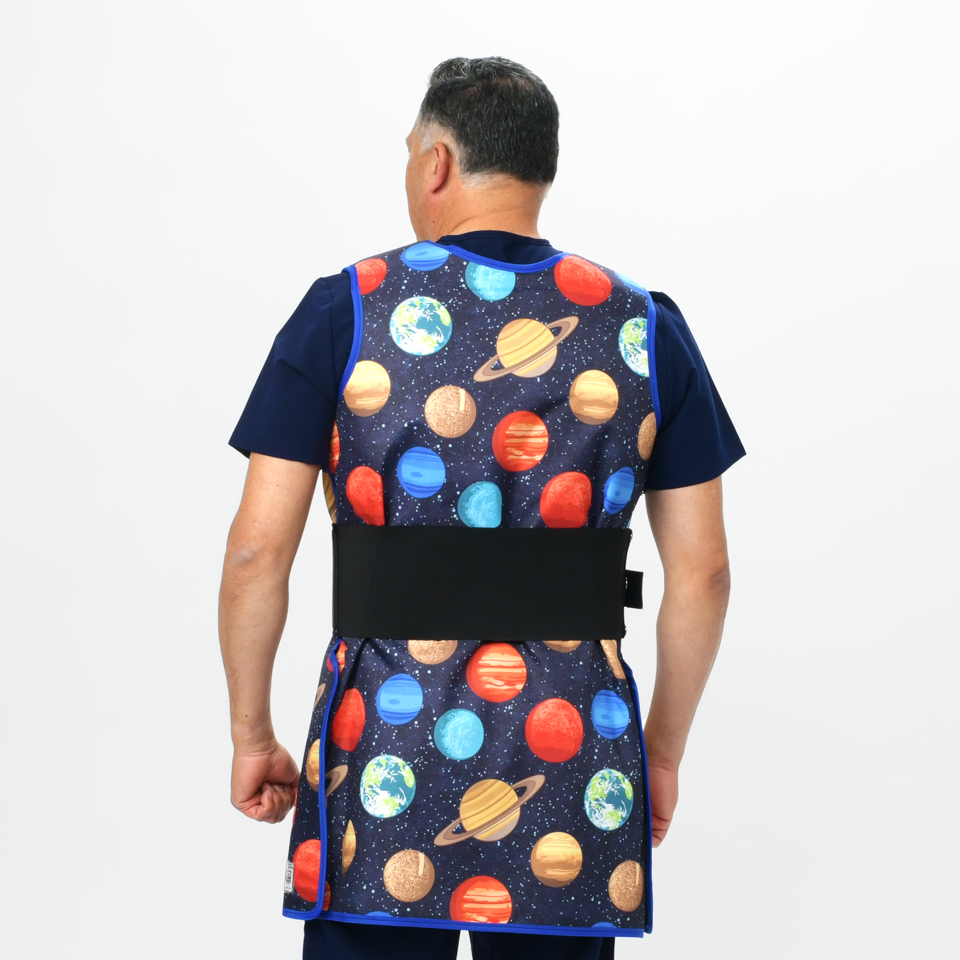
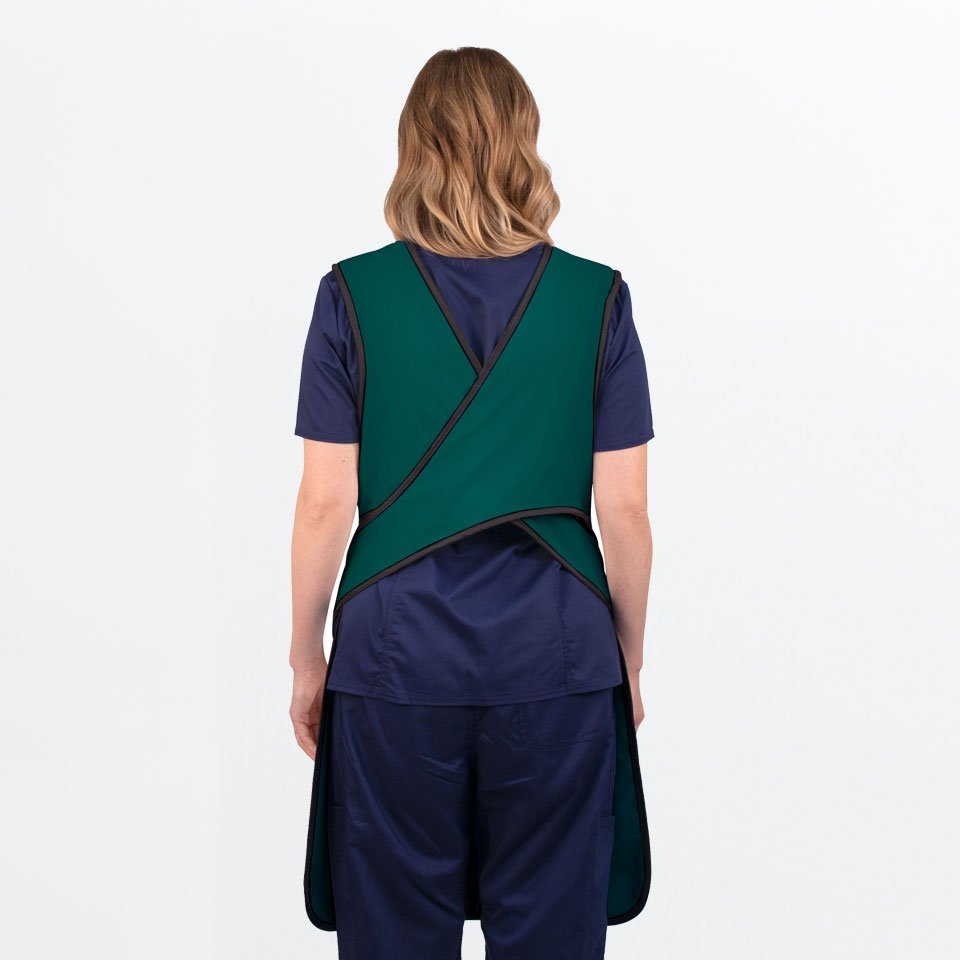
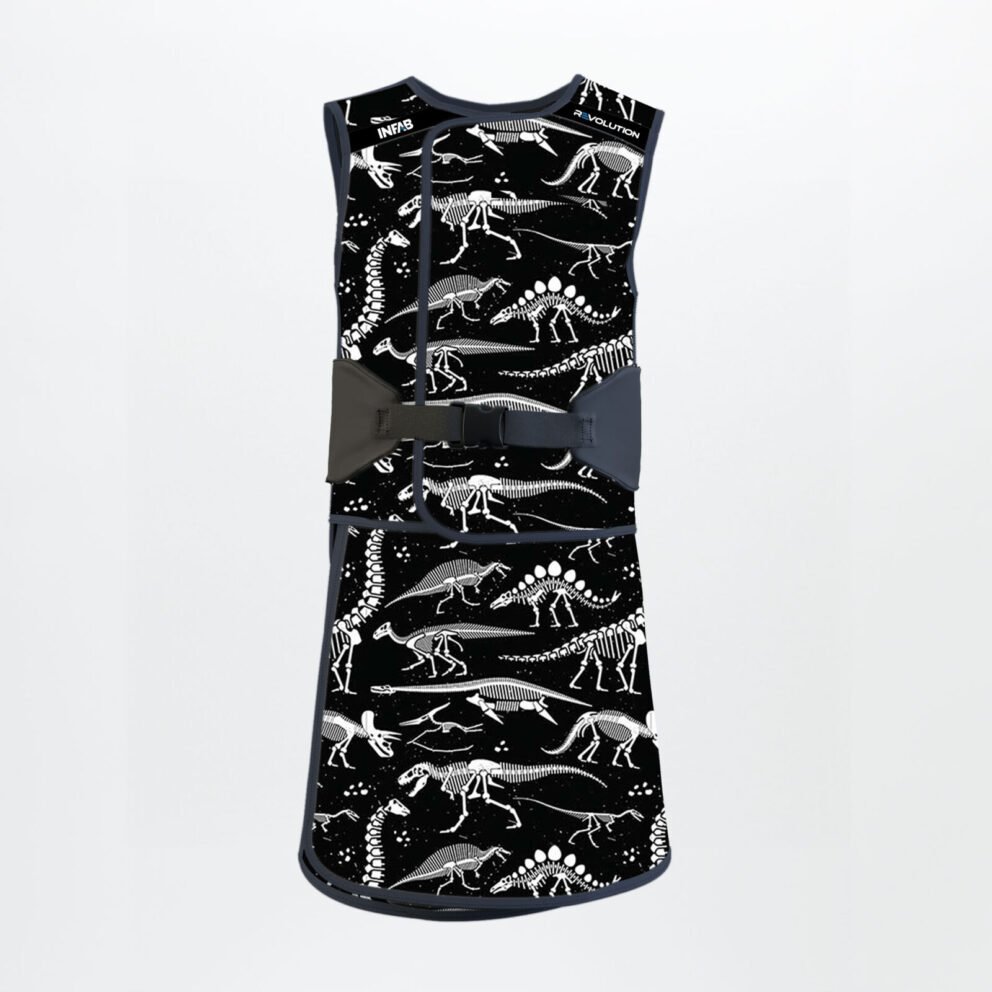
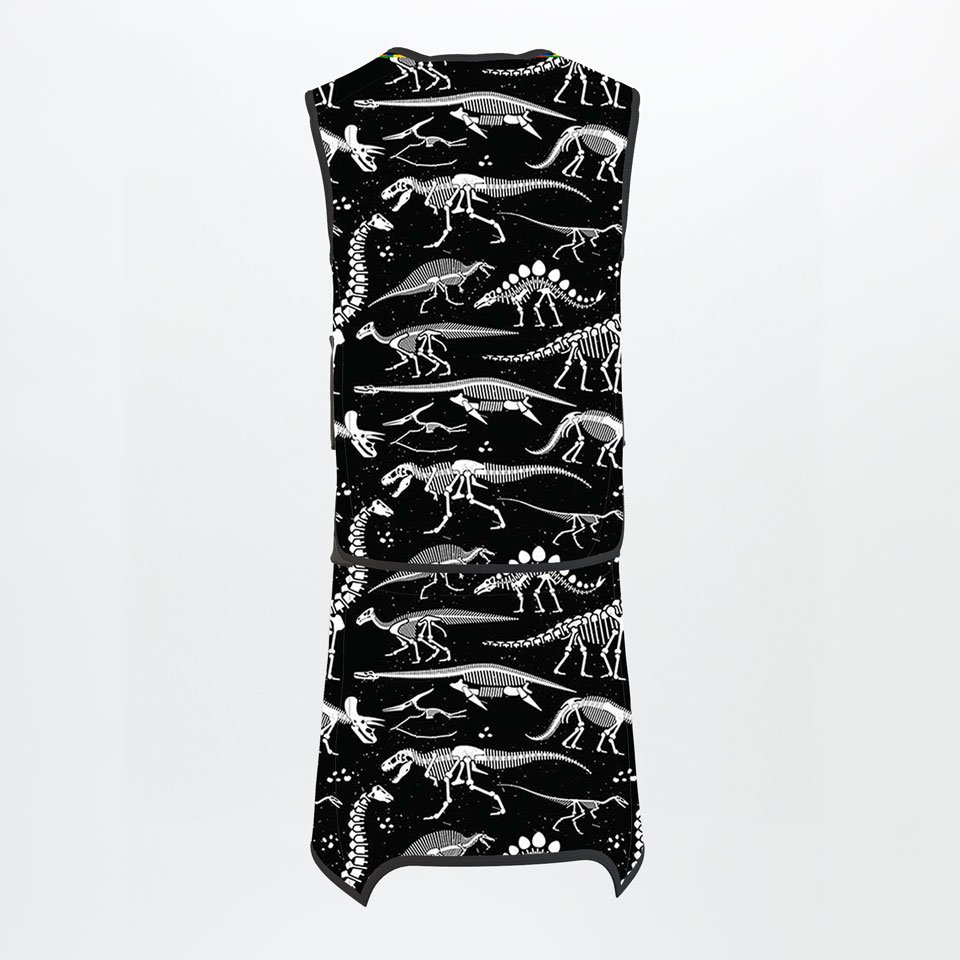
Full Wrap
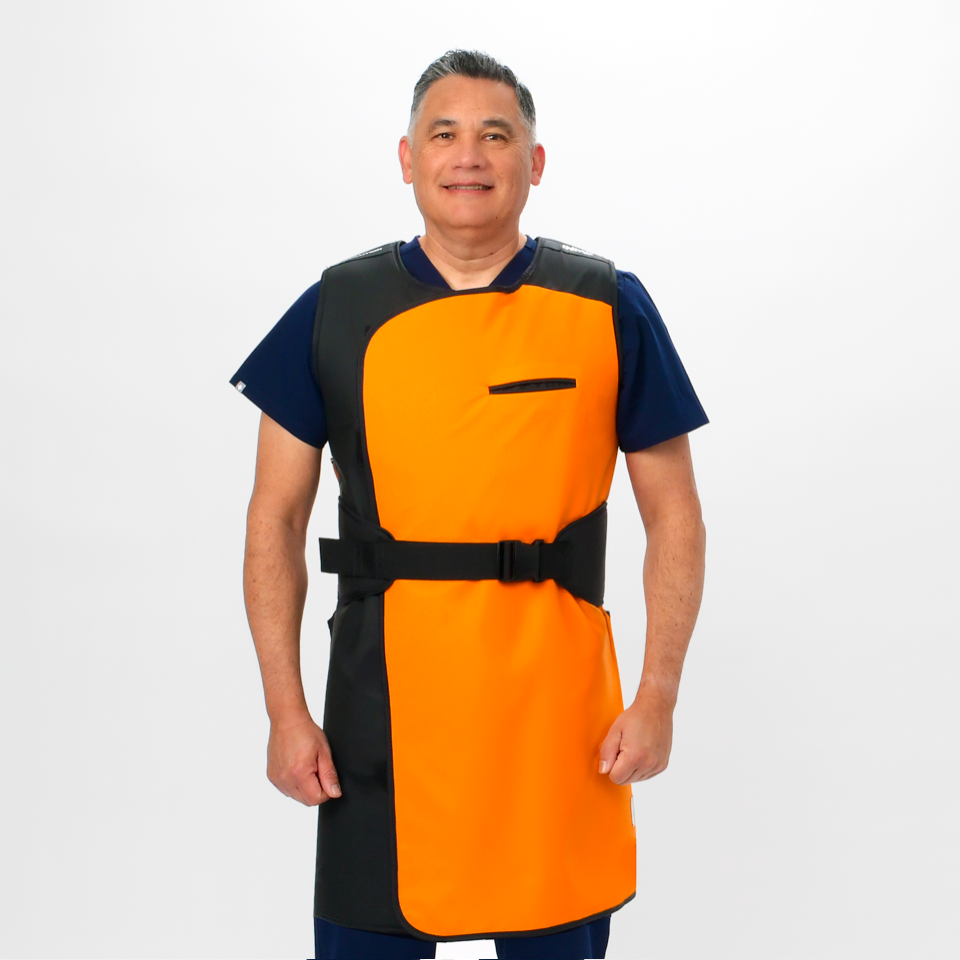
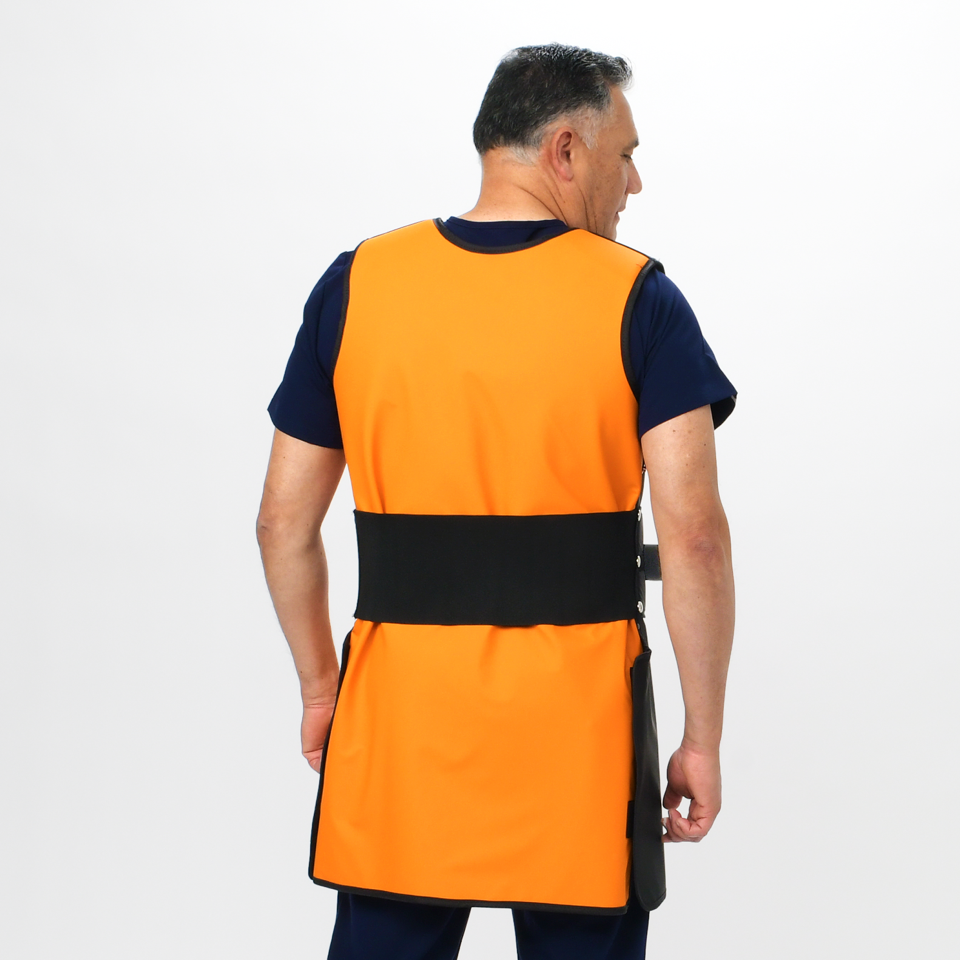
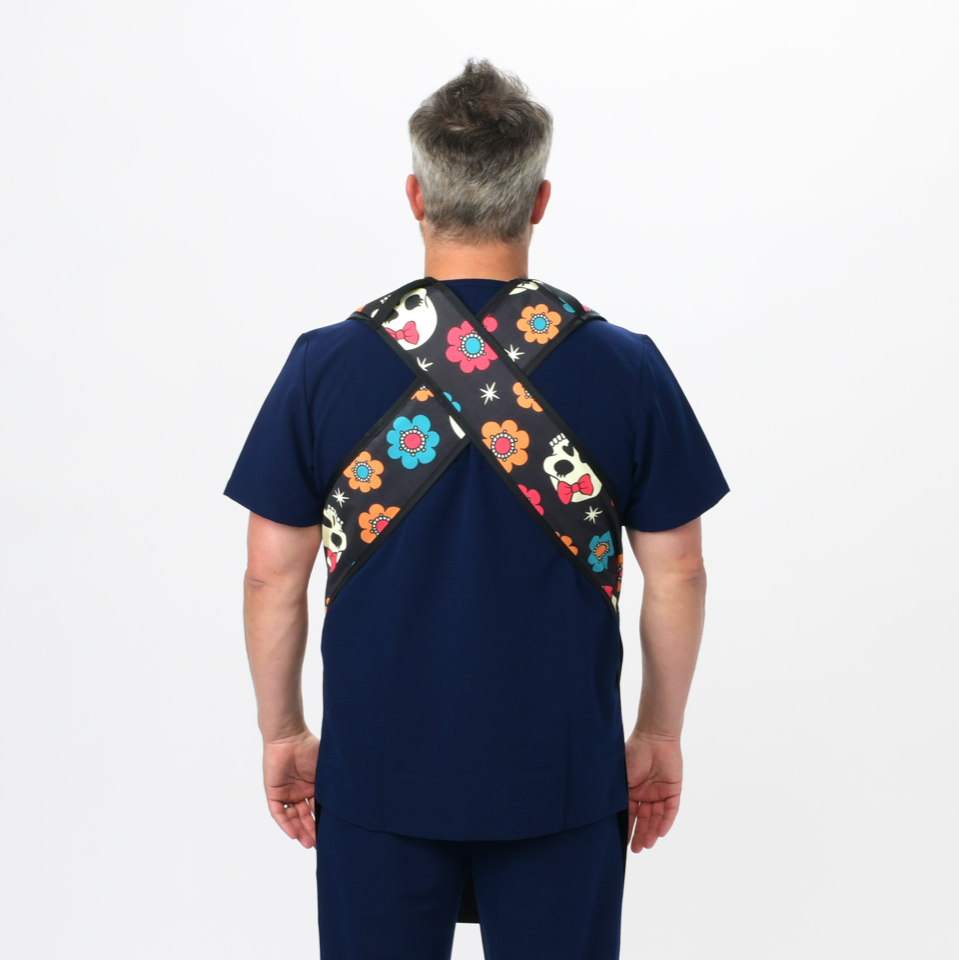
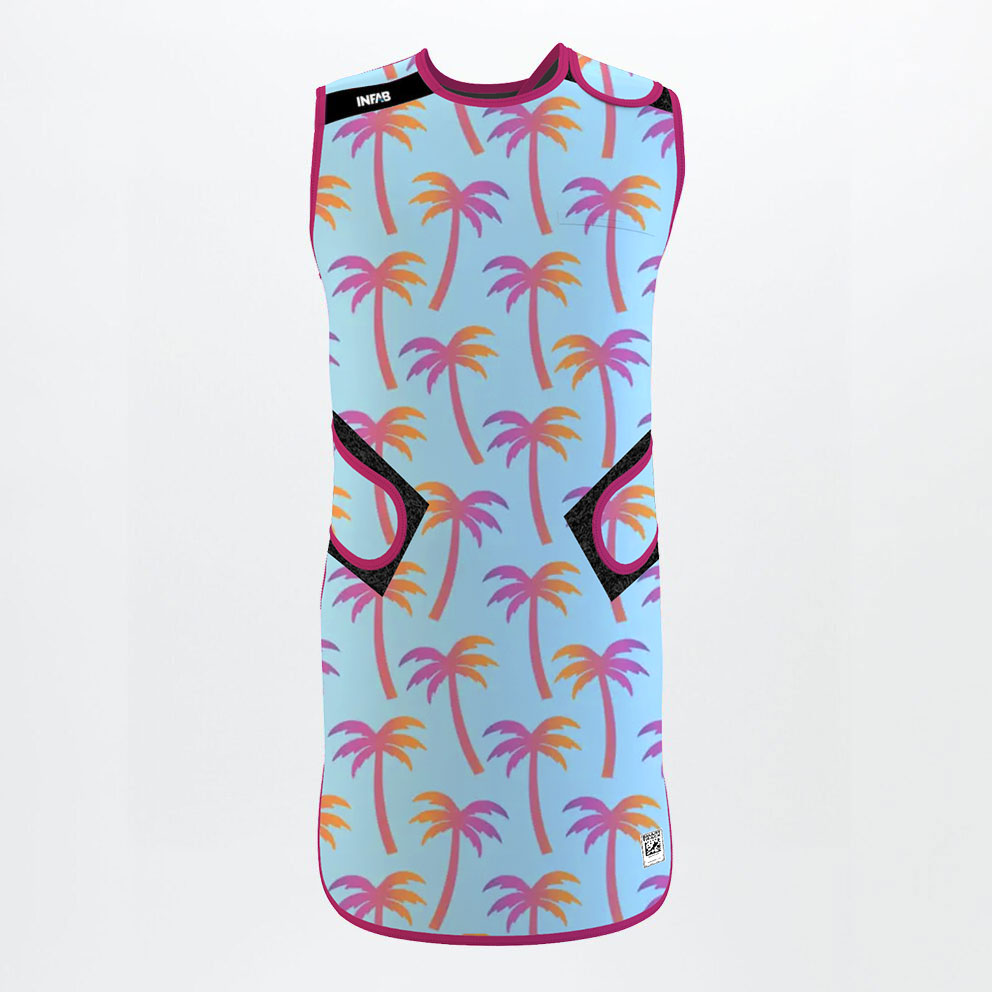
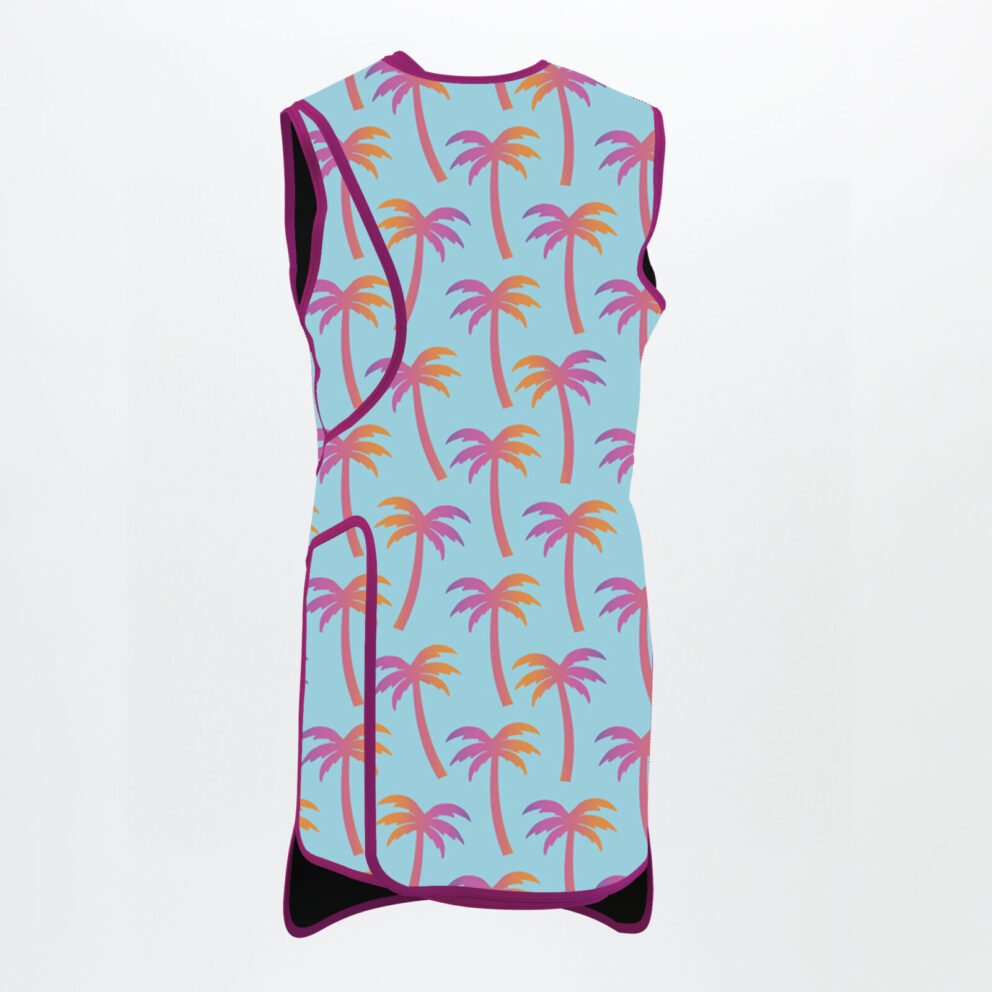
A one-piece apron that wraps around the body and provides 360 degrees of coverage. Used when the operator's back is regularly exposed to scatter, including team members who turn away from the C-arm or move around the patient mid-procedure.

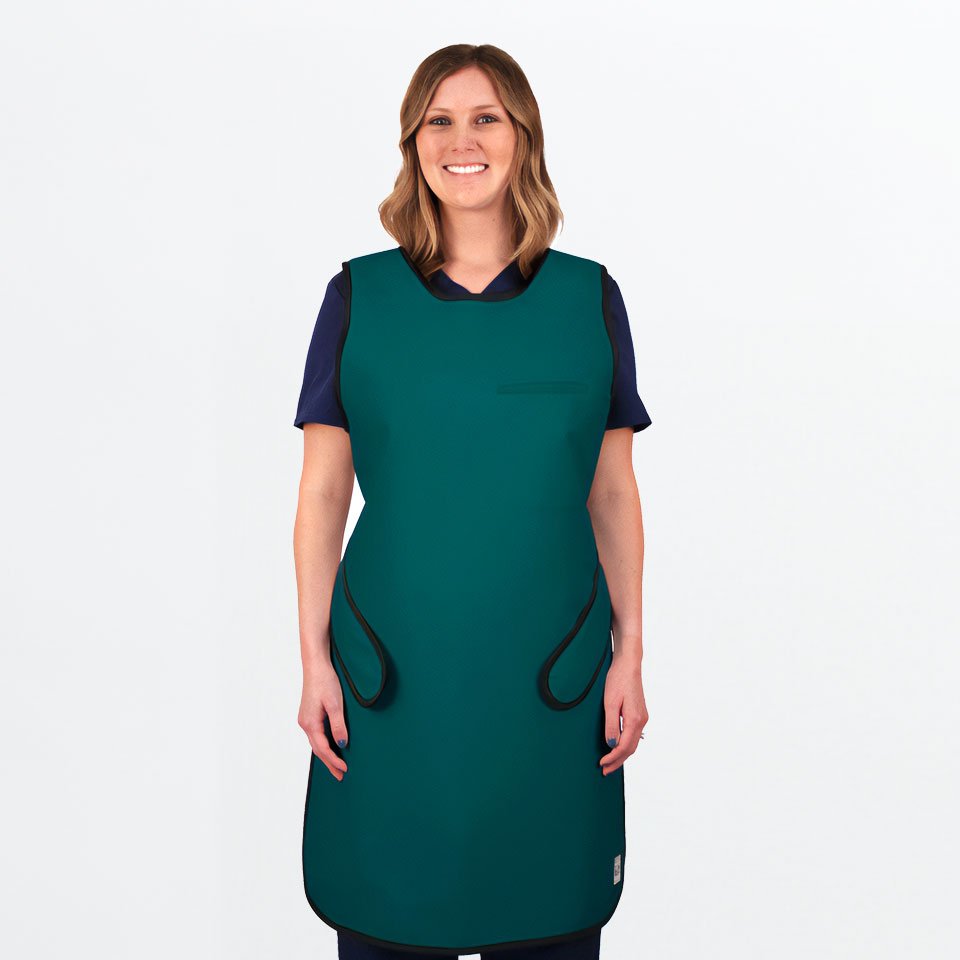
Front Protection
A single-panel apron with front-only coverage. Used in lower-dose environments and shorter cases where the wearer's back stays out of the primary scatter field, such as general radiology and dental settings.
What’s the Lightest Lead Apron?
A lead apron’s weight is not a single fixed number. It is the result of four factors: how much of the body the apron covers, how it is constructed, the protective material it uses, and its protection rating. Each of these factors moves weight and protection in the same direction. More coverage, more material, and a higher rating all add protection, and each adds weight as it does so.
- Coverage. Front protection covers only the front and weighs the least. A full wrap and a vest and skirt both provide 360-degree coverage, front and back.
- Construction. A full-overlap design reaches a given rating at a lower weight than a single-panel design, so two aprons at the same rating can weigh differently.
- Protective material. A Lead-Free protective material runs lighter than lead at the same rating.
- Rating. Going from 0.25 to 0.50 mm nearly doubles the material weight but adds only a small amount of additional protection. Most clinicians do not need the highest rating. Your Radiation Safety Officer can confirm what is appropriate for your procedures.
Protective Materials
Every INFAB apron is available in two protective materials:
Lead
A lead-vinyl composite. The reference material all others are compared against. Dense, thoroughly studied, and backed by ASTM F2547-18 test report at all three protection levels. A Revolution Front Protection 303 in male medium at 0.50 mm Pb-equivalent with a Lead protective material weighs 8.8 pounds.
Lead-Free
Lighter than lead at the same Pb-equivalent rating, with the matched specification on the label. The same Revolution Front Protection 303 in male medium at 0.50 mm Pb-equivalent with a Lead-Free protective material weighs 7.6 pounds, 1.2 pounds lighter than the lead version.
Both materials serve the same clinical purpose. Lead is the proven, cost-efficient default. Lead-Free reduces shoulder and back load over a long career, which matters for clinicians wearing an apron multiple hours per day, multiple days per week.
Sizing and fit
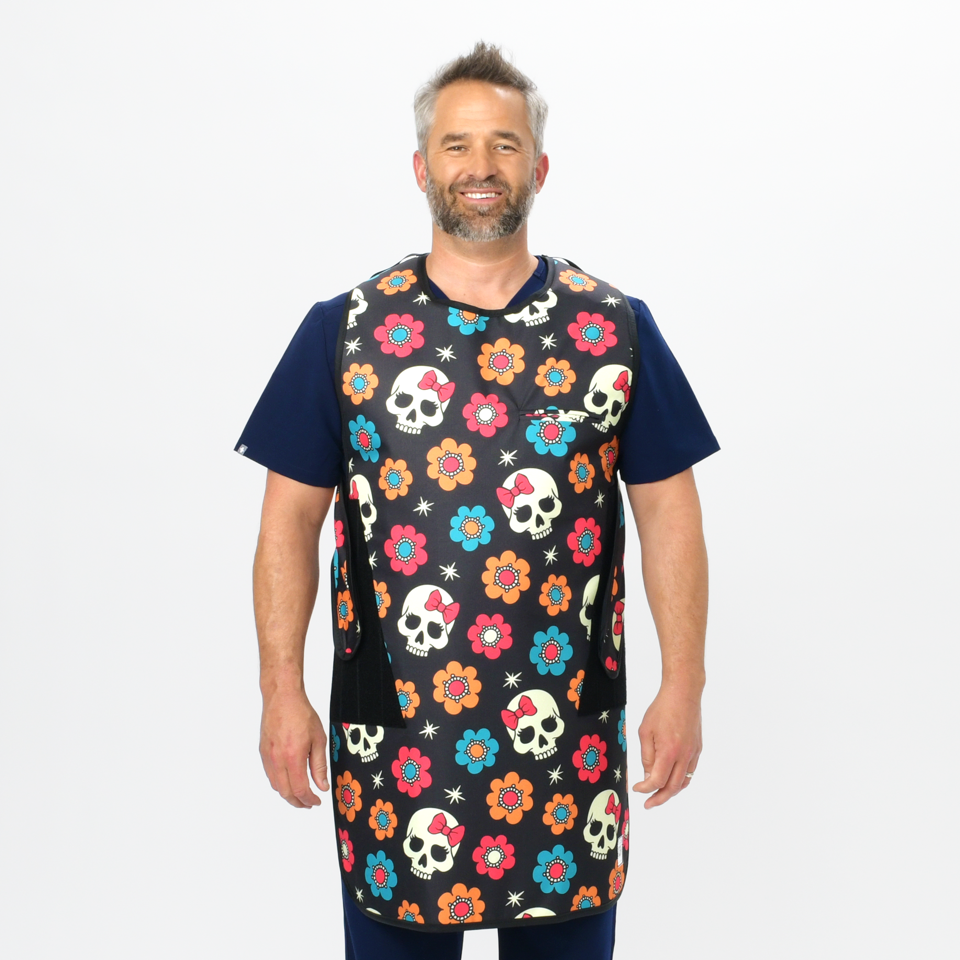
An apron can only protect as well as it fits. A lead apron should hang to just below the knee, sit snug at the armholes without restricting the shoulders, and meet the bottom edge of a thyroid collar at the neckline so there is no gap. Weight rides on the shoulder panel, so a panel cut for your frame matters. INFAB makes distinct men's and women's cuts, the women's cut using narrower shoulder panels and smaller armholes.
Sizes and alterations
- Men's cuts
- S to 2XL
- Women's cuts
- XS to 2XL
- Beyond standard sizes
- Custom sizing on request
- Length alterations
- ±2 in or ±4 in
- Fit
- Classic runs roomier, Revolution is a slim fit
Personalization
- A wide range of fabric colors and patterns
- Block or Script monograms
- Name, department, or logo embroidery and patches
- Integrated or separate thyroid collars
Not sure of your size? INFAB offers virtual and in-person fittings. Book a fitting or review the standard sizing charts before you order.
Construction
Lead aprons come in three coverage configurations: no overlap, partial overlap, and full overlap. The right one depends on how much scatter reaches the front of your torso: how close you stand to the field, how long your cases run, and how much cumulative dose you carry. Pick the configuration that matches your dose environment first, then choose your Pb-equivalent rating and model.
Coverage Pattern
No overlap
For general radiology, dental, mobile imaging, OR support, and anywhere the operator's back is generally out of the primary scatter field. Lower-dose or shorter cases.
How it works
A single front panel (or a vest and skirt without overlap) provides one layer of shielding material across the front of the torso at the apron's stated Pb-equivalent rating. There is no overlapping second layer, so the rating you select is the protection across the front.
Revolution Front Wrap
303, B303, 403, B403, 503, B503, 603, B603


Classic Vest & Skirt
EVAS · RVAS


Classic Front Wrap
AWC · EBA · LSF · MWA · WBT · SPL · SDO · SDA · TFAM · DTL series (TECH, PANO, ADULT, CHILD)


All non-overlapping skirt panels are .25 mm LE. The 603 and B603 back panels are .25 mm LE.
Shop this configuration
Coverage Pattern
Partial overlap
For cath lab, interventional radiology, EP, and surgery under C-arm. Standard pick for clinicians who work close to the radiation field during full-length procedures.
How it works
A two-piece vest and skirt whose panels overlap at the front. The vest provides the stated Pb-equivalent rating across the torso, and the panels overlap at the front, placing a second layer of material over the central torso where exposure is typically highest. The overlap is positioned where the wearer commonly stands closest to scatter.
Revolution Vest & Skirt
103, B103, L103, BL103


Revolution Full Wrap
203, B203


All non-overlapping skirt panels are .25 mm LE. Where the panels overlap at the front, the central torso sits under two layers of material rather than one.
Shop this configuration
Coverage Pattern
Full overlap
For the highest-dose environments: long cath lab and EP cases, complex IR procedures, and any role where full-front overlap is preferred over stepping up to a thicker single panel.
How it works
Both panels of the vest and skirt overlap across the entire front. Every point on the front of the torso sits under two layers of material rather than one, so the overlap covers the full front area instead of only the central zone.
Revolution Full Overlap
703, 803


Classic Full Overlap
VAS · LSW · FCW


Non-overlapping panels are .25 mm LE. Full-overlap aprons ship in standard configurations only.
Shop this configuration
Click any silhouette to view at full size.
Lead aprons by clinical setting
The right apron depends on how much scatter you stand in, how long you stand in it, and where it comes from. Four common patterns:

Interventional radiology and cath lab
Long cases at the table, high scatter, with the operator's whole torso exposed to the beam. A two-piece style spreads the weight across the shoulders and hips over a full shift, and a higher protection level handles the heavier dose.
Typical choice: Vest and Skirt or Full Wrap at 0.50 mm Pb. Shop the Revolution series

Operating room and surgery
The team moves around the patient and the C-arm, so backs are regularly turned toward the source. Wraparound coverage protects the operator no matter which way they face.
Typical choice: Full Wrap at 0.35 mm or 0.50 mm Pb. Shop full wrap aprons

General radiology and fluoroscopy
Moderate dose, shorter exposures, the wearer's back generally out of the primary scatter field. A lighter front-coverage apron is enough and is easier to wear all day.
Typical choice: Front Protection at 0.25 mm or 0.35 mm Pb. Shop the Classic series

Dental and veterinary
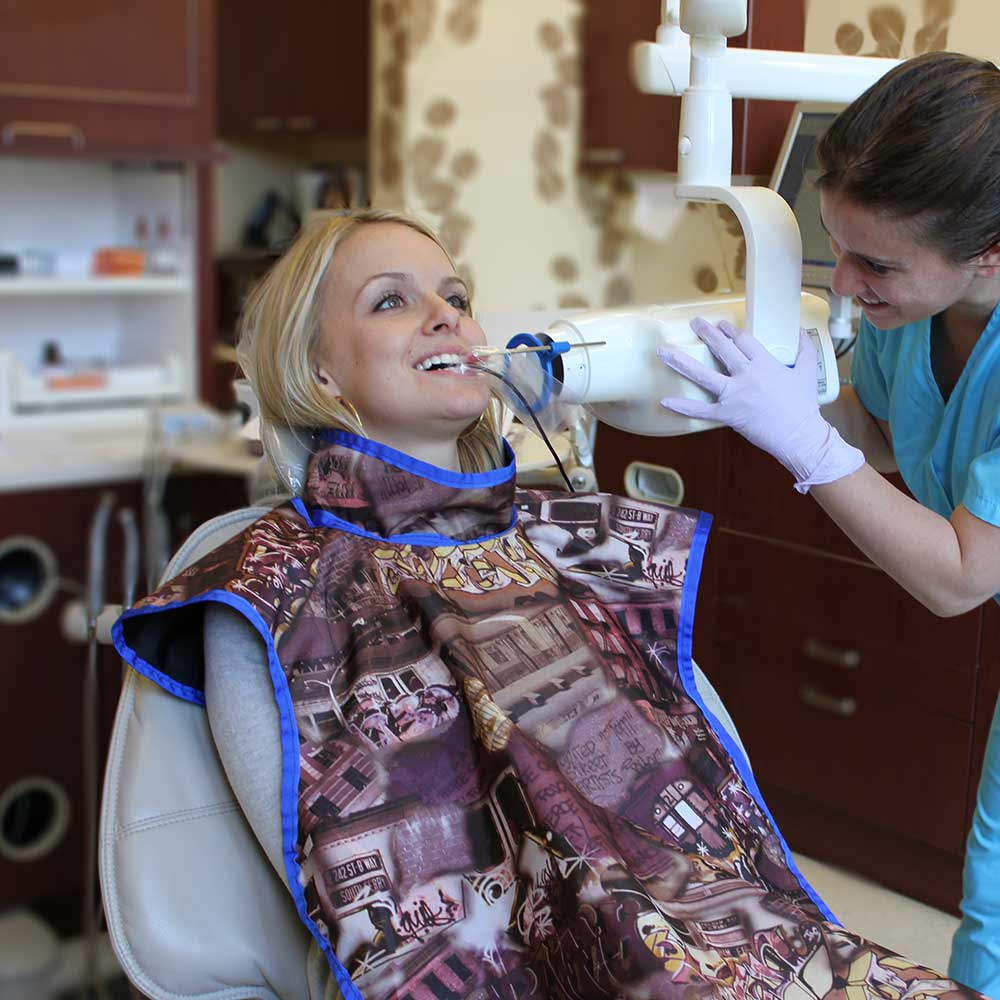
Low-dose imaging, often intermittent, with the operator stepping away from the beam. The priority is a light, comfortable apron that gets worn every time.
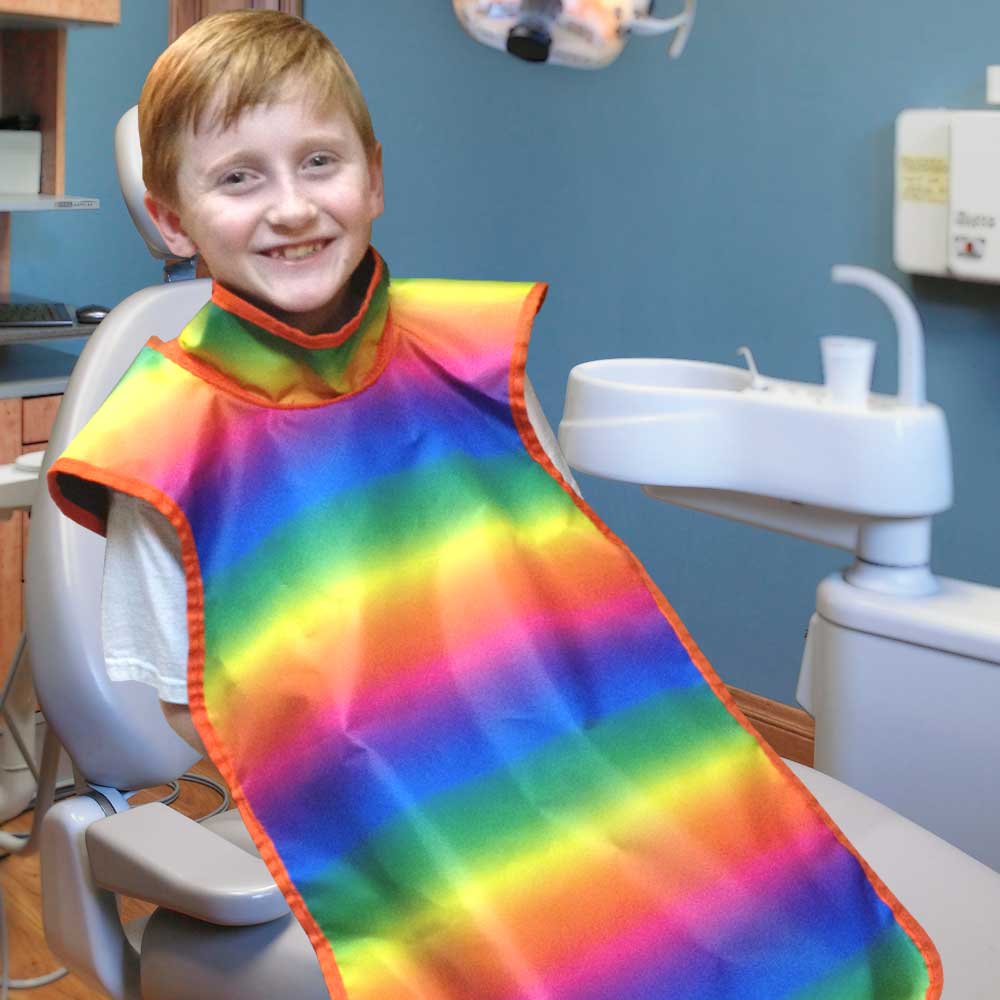
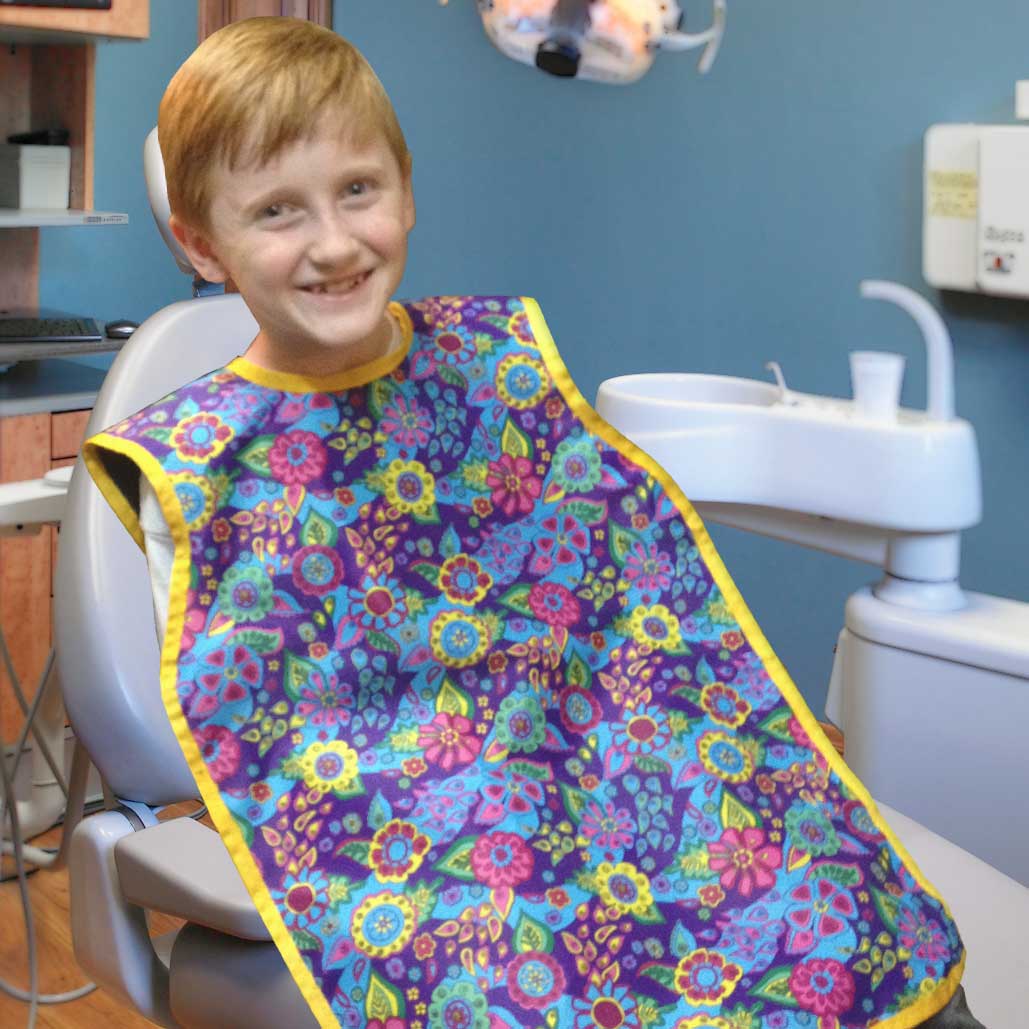
Typical choice: Front Protection or a dedicated dental apron at 0.25 mm or 0.35 mm Pb. Shop dental aprons
These are starting points, not prescriptions. Your Radiation Safety Officer sets the requirement for your role and facility.
Key Principles
ALARA: the principle behind every lead apron
ALARA, "As Low As Reasonably Achievable," is the foundational radiation safety principle adopted by U.S. regulators and every facility radiation safety program. Clinicians and patients should be exposed to as little ionizing radiation as is practical to deliver care. ALARA relies on three protective measures:
Time
Minimize the time spent near a radiation source. The less time you are exposed, the lower the dose received.
Distance
Maximize the distance from the source. Radiation gets much weaker the farther you stand from the source. Doubling your distance cuts the dose to about a quarter.
Shielding
Put a shielding barrier between yourself and the radiation to absorb or block it. A lead apron is the shielding layer worn directly on the body, sized to cover the radiation-sensitive organs in the area most exposed to the beam.
Trusted in the field
INFAB lead aprons protect clinicians in hospitals, imaging centers, cath labs, operating rooms, dental offices, and veterinary clinics across the United States, and have since 1981.
BIG thank you to INFAB because this apron is SERIOUSLY impressive. Lightweight, flexible, and actually comfortable to wear all day, which is saying a LOT if you work in imaging. No stiffness, no dragging you down, just clean protection that moves with you.
RT(R)
INFAB is the FIGS® of radiation protection. Cool, modern, and built for professionals who care about both performance, comfort, and style. It’s not just gear; it’s a statement that safety can look good.
Pediatrics Cardiologist
I have been loving the UnderShield! It is a huge help at our trauma hospital where lead in women’s sizes can be scarce or in the ED where communal lead is typically extra large and I am standing right next to a mini C-arm during reductions. I get so many compliments…
Orthopedic Surgeon
The amount of compliments I get is unreal! Thanks to INFAB for keeping me stylish and protected!
RT(R)
Questions & answers
Frequently asked questions about lead aprons
A lead apron is worn during medical procedures that use ionizing radiation, including fluoroscopy, interventional radiology, cardiac catheterization, electrophysiology, surgery under C-arm guidance, dental imaging, and veterinary radiography. It places an attenuating material between the wearer and the X-ray source, reducing the operator's occupational dose. Clinicians, technologists, nurses, and support staff inside the radiation field rely on it as their primary personal shielding.
Weight depends on style, size, Pb-equivalent rating, and protective material. As a reference point, an INFAB Revolution Front Protection 303 in a male medium at 0.50 mm Pb-equivalent weighs 8.8 pounds in Lead, and 7.6 pounds in Lead-Free. Smaller sizes and lower Pb-equivalents weigh less, while fuller-coverage styles such as a vest and skirt or full wrap weigh more.
There is no fixed service life. An apron remains in service as long as it passes annual inspection per facility radiation safety policy. The limiting factors are mechanical: seam wear, outer-fabric tears, and material damage from folding or improper cleaning, not age. INFAB has used the same proven lead-vinyl and bismuth/antimony protective materials for decades, and the attenuating performance does not degrade with time on its own. Well-maintained aprons in typical cath lab and IR use commonly remain compliant through several inspection cycles, but the inspection result, not the year count, is what determines continued use. INFAB backs every apron with a two-year warranty against defects in material and workmanship.
Yes. INFAB warrants its lead aprons free of defects in material and workmanship for two years from the date of shipment. Within that period, INFAB will repair or replace defective product at its discretion, limited to the value of the product at original shipment. The warranty excludes damage caused by customer negligence, misuse, modification, or use other than intended, and does not cover normal wear. Pinholes, tears, or cracks must be reported within 7 days of receipt.
INFAB lead aprons are custom made to order. Each apron is built to the customer's specification of size, style, Pb-equivalent rating, protective material, color, trim, and personalization, so finished aprons are not eligible for return or exchange. Non-customized items, including non-prescription lead glasses and UnderShield, can be exchanged for a restocking fee. Defective product is handled separately under the two-year warranty above; report pinholes, tears, or cracks within 7 days of receipt and INFAB will repair or replace at its discretion.
The number is the lead-equivalent rating: how much of the direct X-ray beam the protective material blocks. Tested to ASTM F2547-18 across 90 to 110 kVp, 0.25 mm attenuates about 86 to 90 percent of the direct beam, 0.35 mm about 92 to 95 percent, and 0.50 mm about 95 to 98 percent. Exact measured values run from 85.9 percent (0.25 mm at 110 kVp) to 98.3 percent (0.50 mm at 90 kVp), since attenuation is highest at 90 kVp and lowest at 110 kVp. Notice the gains shrink as you go up: moving from 0.25 mm to 0.50 mm roughly doubles the weight of the material but adds only about ten points of direct-beam blocking. Heavier is not automatically better. The right rating is the lightest one that covers the work you actually do. These figures are narrow-beam, direct-beam measurements. In real clinical use, most of your exposure comes from lower-energy scattered radiation off the patient, which both lead and lead-free materials block efficiently. Your actual dose reduction depends on the procedure, beam quality, geometry, and how much of you the apron covers. Your Radiation Safety Officer can recommend the right rating for your role and facility.
Lead-Free aprons carry the same Pb-equivalent rating as Lead. The practical difference is weight: at the same Pb-equivalent rating, a Lead-Free apron weighs less than a Lead apron, which matters for clinicians wearing an apron multiple hours per day. As a reference point, a Revolution Front Protection 303 in male medium at 0.50 mm Pb-equivalent weighs 8.8 pounds in Lead and 7.6 pounds in Lead-Free, 1.2 pounds lighter. Both Lead and Lead-Free materials are tested under ASTM F2547-18; Lead remains the lower-cost reference material with the deepest test history.
Per the INFAB Instructions for Use, wipe the apron after each use with Scrubbles or Clorox Hydrogen Peroxide Cleaner Disinfectant Spray, or per your facility's cleaning protocol. Do not iron, bleach, dry clean, autoclave, or use alkali detergents, and do not machine-launder. Never fold a lead apron for storage; folding cracks the protective material. Hang the apron on a proper apron rack between uses, and roll it carefully into a box or tube for transport.
Per the INFAB Instructions for Use, aprons should be inspected at least annually using radiographic or fluoro imaging. The standard inspection looks for cracks, holes, thinning, or shifting in the attenuating material, seam integrity, closure function (Velcro, buckles, belts), and outer-fabric condition. Aprons that fail inspection are removed from service. Some facilities inspect more frequently for high-use aprons in IR and EP labs. Always follow the inspection cadence set by your Radiation Safety Officer.
ASTM F2547-18 is the U.S. standard test method for measuring how much of an X-ray beam a protective garment such as a lead apron blocks. It points an X-ray beam straight at the material and measures how much gets through, at set energy levels. INFAB's lead-vinyl aprons are tested to ASTM F2547-18 by Health Physics Northwest, an independent lab. Other regional test standards exist; INFAB does not reference them in U.S. marketing.
The terms overlap in everyday use. "Lead apron" is the umbrella term for any wearable lead or Lead-Free protective garment used during X-ray procedures. "Lead vest" usually refers to the upper-body half of a vest-and-skirt apron, which is one of the most common modern styles. "Lead gown" is an older term that more often describes a one-piece full-length wrap apron. INFAB's product line uses Vest and Skirt, Full Wrap, and Front Protection as the canonical style names.
Most facility radiation safety programs require a thyroid collar in addition to a lead apron for staff working close to the radiation field, including interventional radiology, cath lab, EP, surgery under C-arm, and dental. The thyroid is a radiation-sensitive organ that sits above the apron's neckline and is not covered by the apron itself. INFAB offers thyroid collars in matching Pb-equivalent ratings and protective materials. Always confirm the requirement with your Radiation Safety Officer.
Yes. INFAB aprons are built to order with size, style, Pb-equivalent rating, protective material, color, and trim selected per apron. Standard sizes run from extra-small through 2XL across both men's and women's cuts, with length alterations and custom sizing available for a perfect fit. Classic aprons offer more room; Revolution aprons are slim fit. Full sizing charts are at infabcorp.com/sizing.
Disposal rules vary by state and material. Lead-core aprons contain regulated lead and cannot go in regular waste. Always check with your facility's EHS team or local hazardous-waste authority before disposal.
Five things, and you don't need to be an expert to get them right: how much of your body needs covering (front only, a full wrap, or a vest and skirt), how much protection your work calls for (your Radiation Safety Officer can confirm the rating), Lead or the lighter Lead-Free, a fit sized to you rather than a generic average, and a comfortable closure. Protection and fit matter most. A well-fitting apron at the right protection level beats a heavier one that doesn't fit, since a poor fit leaves gaps in coverage and wears out faster. If you're not sure, INFAB can help you match all five.
INFAB lead aprons are designed and manufactured in Camarillo, California, where the team has been making them since 1981. Lead-vinyl material is independently tested to ASTM F2547-18 by Health Physics Northwest in Milwaukie, Oregon. INFAB is FDA 510(k) cleared (K896289) and ISO 13485:2016 certified for medical-device quality management.