Healthcare workers are on the front lines of medicine, saving lives and diagnosing disease—but at what cost to their own health? A recent study published in BMC Endocrine Disorders has reinforced the urgent need for radiation protection, particularly for the thyroid gland, one of the most radiation-sensitive organs in the body.
The Hidden Risks of Radiation Exposure
The study assessed medical staff exposed to ionizing radiation—specifically those working with radioiodine (I-131) and X-rays. The findings were alarming:
- Thyroid hormone disruption: Radiation-exposed workers showed significant hormonal imbalances, including lower thyroid-stimulating hormone (TSH) and elevated free triiodothyronine (fT3), which could indicate early thyroid dysfunction.
- Increased autoimmunity risk: Anti-thyroperoxidase (anti-TPO) antibodies—markers for autoimmune thyroid disease—were significantly higher in radiation-exposed workers.
- Structural thyroid changes: Ultrasound exams revealed enlarged thyroid glands and a higher prevalence of thyroid nodules among radiation workers compared to non-exposed professionals.
- Oxidative stress damage: Markers of oxidative stress, such as malondialdehyde (MDA) and hydrogen peroxide (H2O2), were significantly elevated, increasing the risk of cellular damage.
Who is at Risk?
The study specifically examined medical professionals regularly exposed to radiation and categorized them into three groups:
- Group I: Nuclear Medicine Professionals – This group included workers handling radioiodine (I-131), such as nuclear medicine physicians, radiopharmacists, and nuclear medicine technologists involved in administering radioactive treatments and imaging procedures.
- Group II: X-ray & Radiology Staff – These were radiologic technologists, interventional radiologists, and radiation oncologists, regularly working with diagnostic and therapeutic X-ray equipment in hospitals and cancer treatment centers.
- Group III: Non-Exposed Healthcare Workers (Control Group) – These professionals, such as nurses and general medical staff in non-radiation departments, were used as a baseline comparison to highlight the effects of chronic radiation exposure.
Why This Matters
Even at low doses, chronic exposure to ionizing radiation can lead to long-term thyroid damage, increased autoimmune disorders, and even cancer. Yet, many healthcare workers underestimate the risks or fail to wear proper protective gear, including thyroid shields.
The study underscores a harsh reality: the very professionals dedicated to diagnosing and treating radiation-related illnesses may not be adequately protecting themselves.
INFAB: Leading the Way in Thyroid Protection
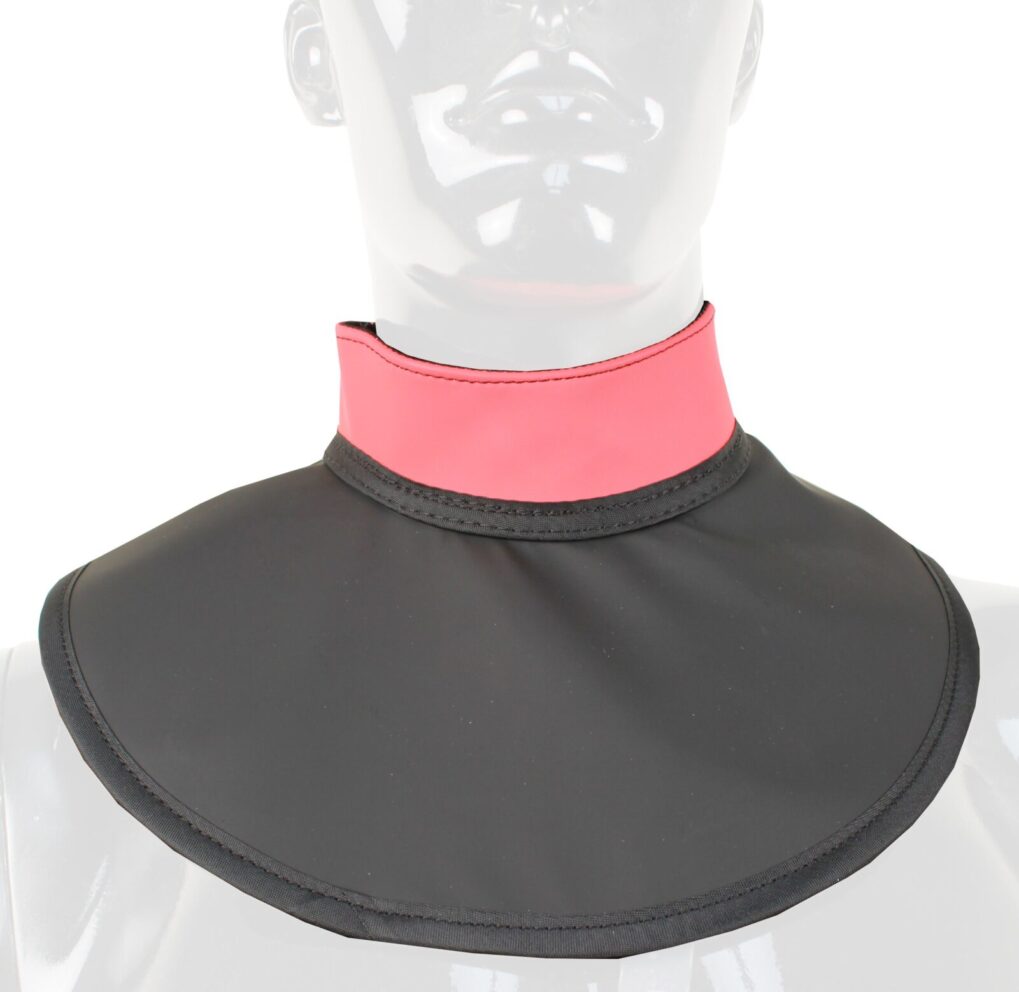
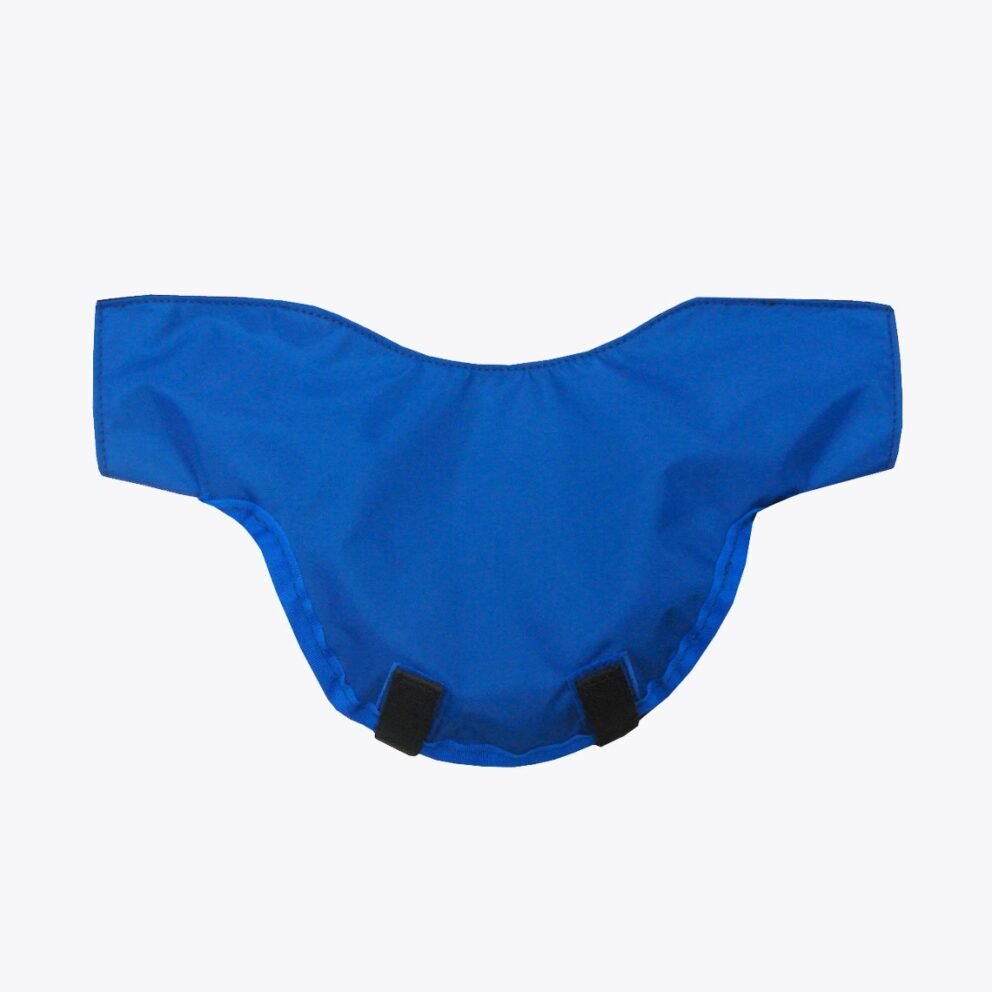
At Infab, we believe protecting healthcare workers should be non-negotiable. Our range of high-quality thyroid shields are designed to provide maximum protection without compromising comfort. From lightweight designs to lead-free options, our collars ensure that medical professionals can focus on patient care while staying protected.
Infab Thyroid Collar Options:
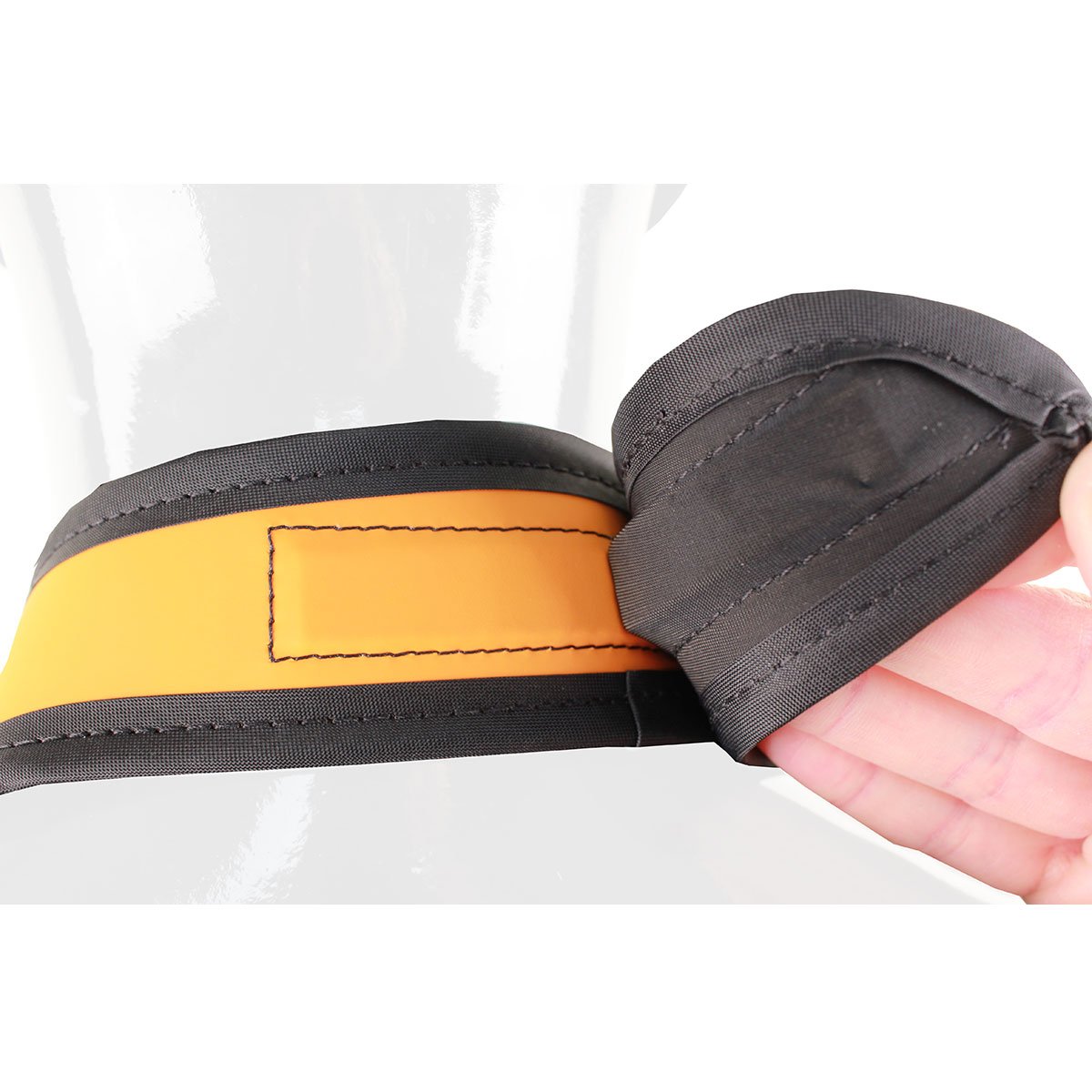
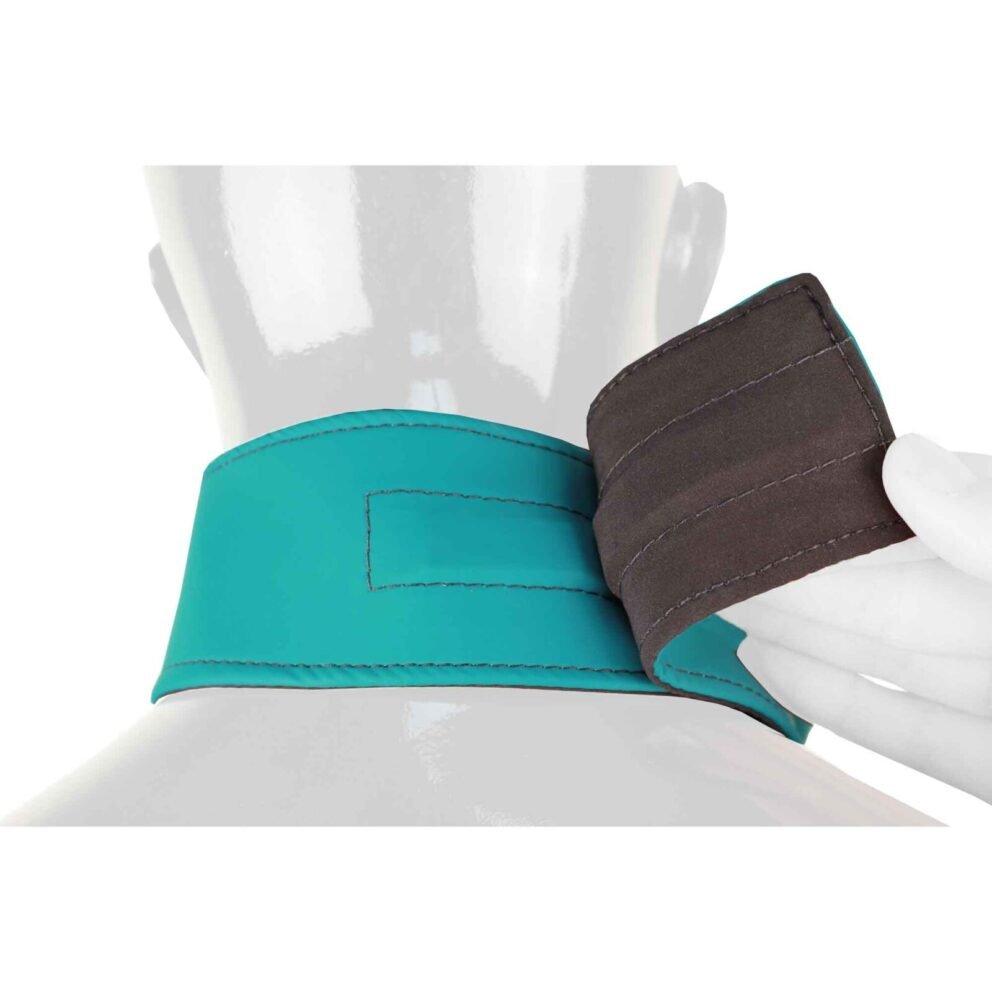
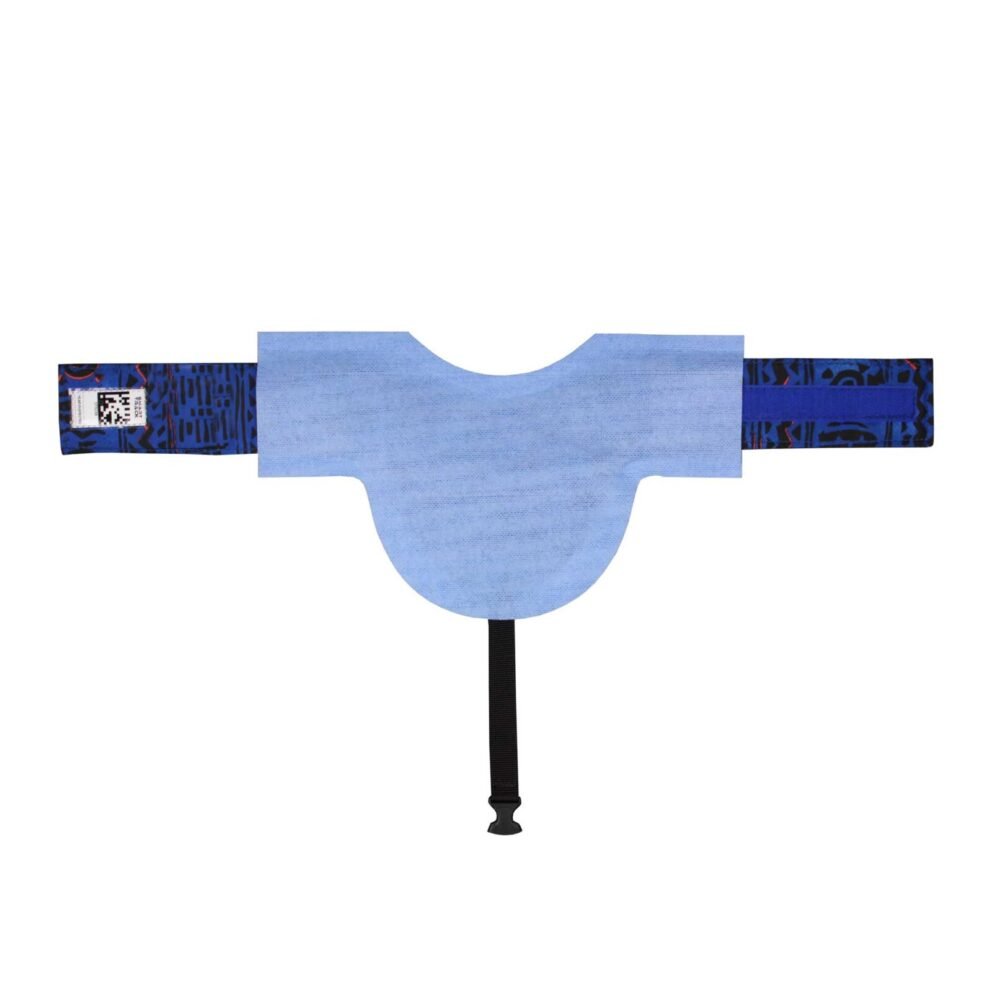
- Closure Choices: Choose from Velcro, magnetic, or buckle closures for a secure and comfortable fit.
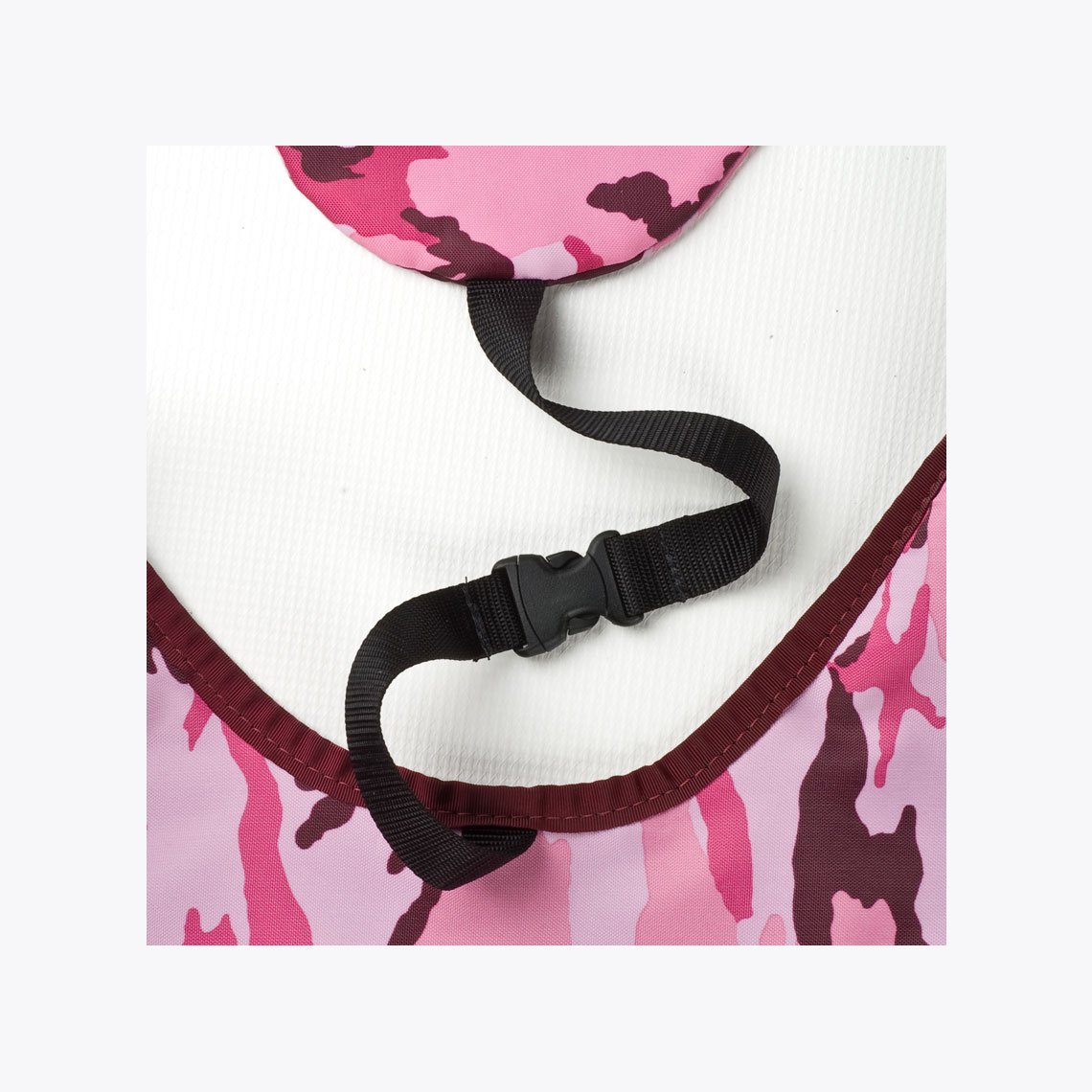
- Attachment Options: Available with key rings, buckle straps, or no buckle attachments to pair seamlessly with Infab’s aprons.
- Collar Shapes: Options designed for maximum comfort and coverage, including standard and extended styles.
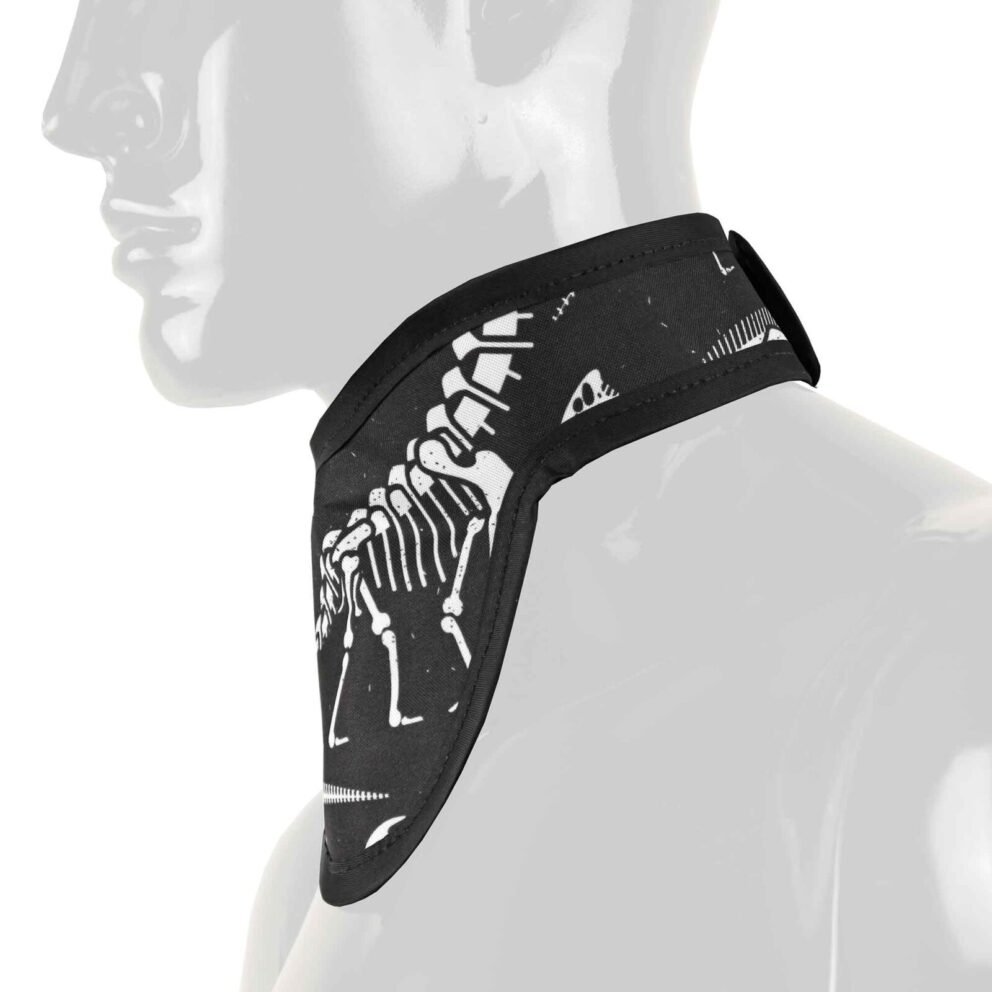
- Customizable Colors & Patterns: Every Infab thyroid collar is available in any color or pattern from our extensive selection.
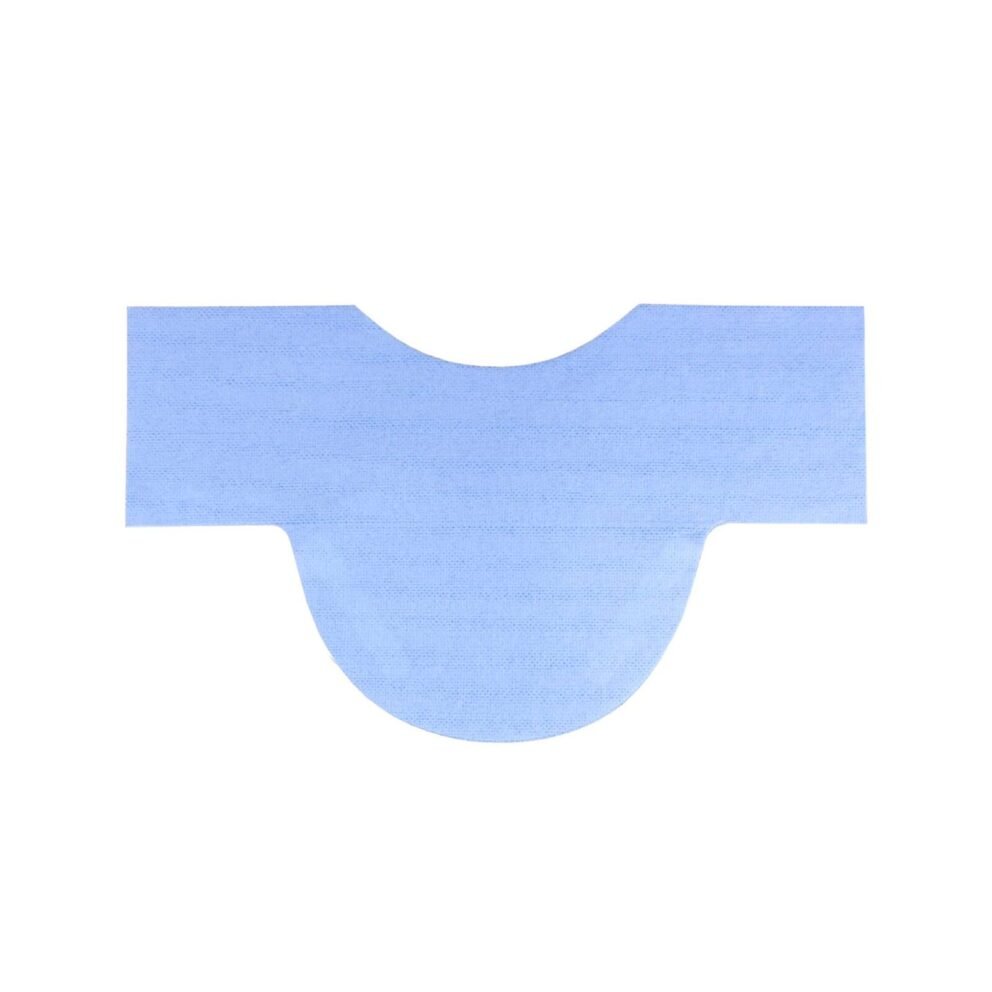
- Thyroid Collar Covers: Easily swap out covers for cleanliness and extended durability.
The research is clear: radiation exposure is a real and present danger to the thyroid. If you’re in the healthcare industry, shielding your thyroid isn’t optional—it’s essential.
Explore Infab’s thyroid collar collection today and take the first step in safeguarding your health. Your thyroid will thank you.
Reference: Assessment of Thyroid Gland Hormones and Ultrasonographic Abnormalities in Medical Staff Occupationally Exposed to Ionizing Radiation, BMC Endocrine Disorders.