Maintaining a Sterile Field in the Operating Room
Fluoroscopy plays a critical role in modern surgery, providing real-time imaging that supports precision-based interventions. Whether in orthopedic, vascular, or interventional radiology procedures, it allows for greater accuracy while reducing the need for more invasive techniques.
However, the use of fluoroscopy also introduces considerations for infection control. C-Arms and Mini C-Arms frequently move in and out of the sterile field, and unlike surgical instruments, they are not designed to be sterilized between cases. Without proper protective measures, these machines contribute to cross-contamination in surgical settings.
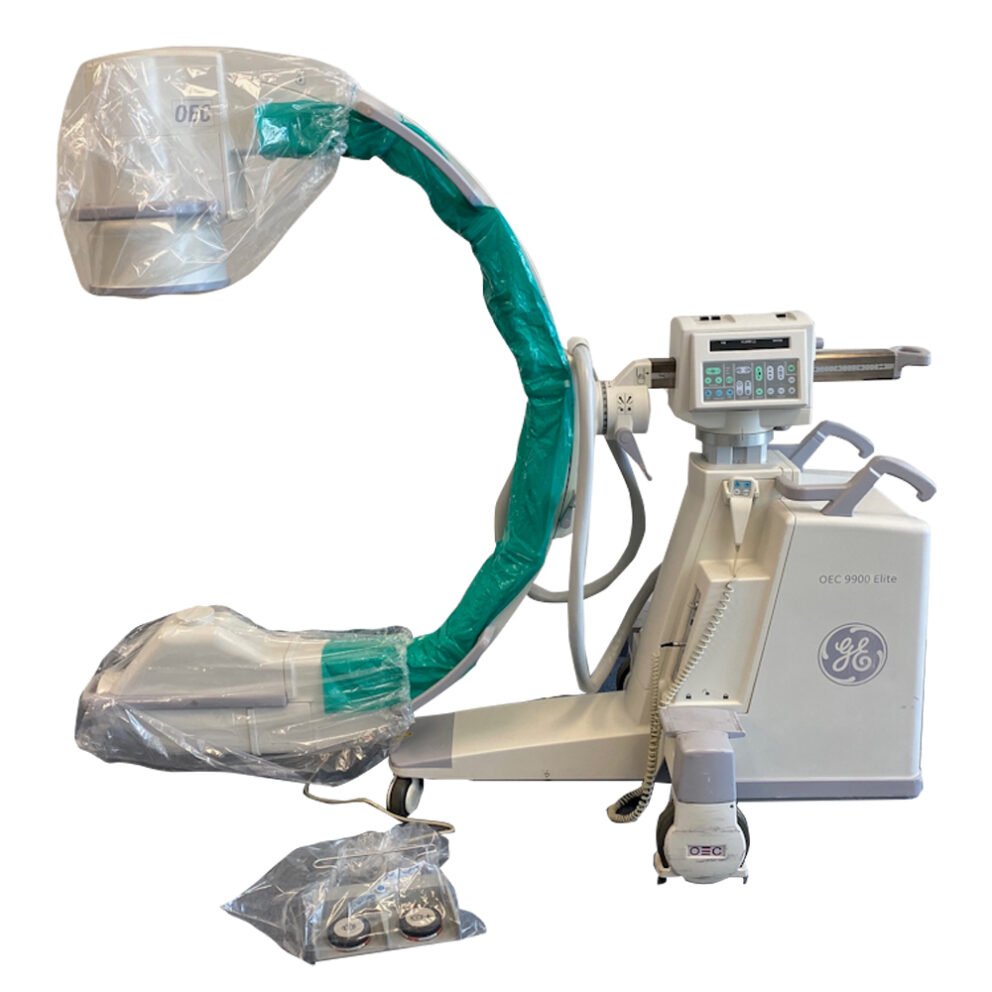
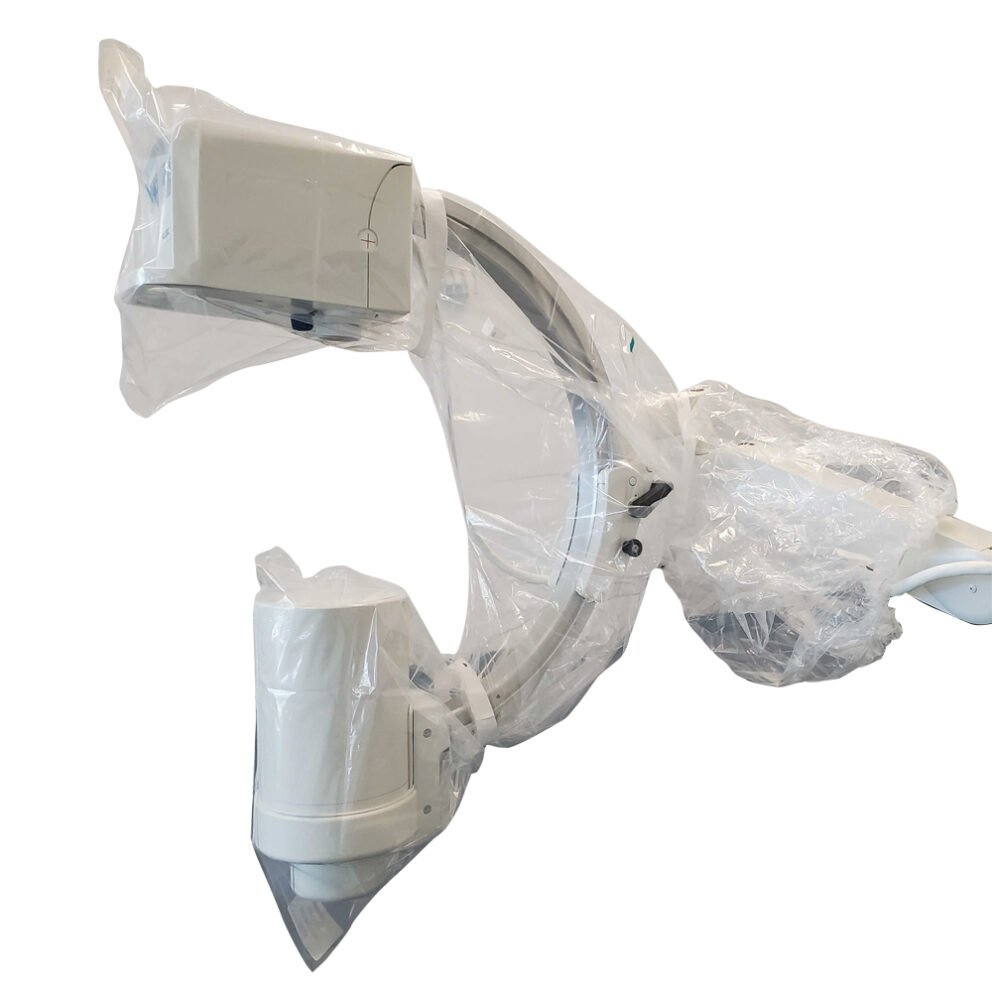
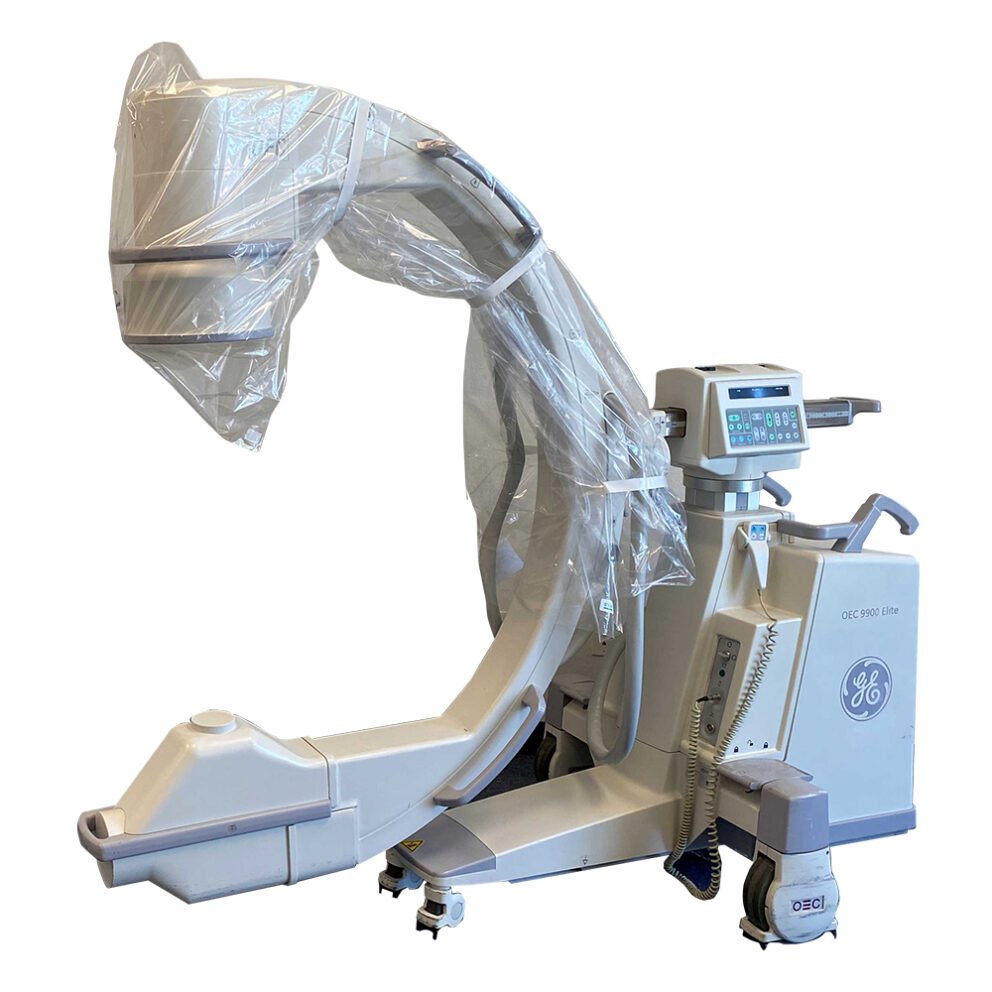
Sterile drapes are widely used to help maintain a sterile environment by providing a protective barrier between fluoroscopy equipment and the surgical field. When incorporated into procedural protocols, these drapes support infection control efforts and help reduce the potential for contamination.
Fluoroscopy Equipment and Infection Control Considerations
Fluoroscopy is commonly used across multiple procedures and patients in a single day, making its role in infection control an important factor to consider. Because these machines are positioned near surgical sites, there is a possibility that contaminants could be introduced if proper precautions are not taken.
Several factors contribute to these concerns:
- Close Proximity to the Surgical Field – Imaging equipment is often positioned near incisions or open wounds.
- Multi-Use Equipment – Fluoroscopy machines are used in multiple procedures, making it important to establish effective cleaning and protective measures.
- Complex Equipment Design – The structure of fluoroscopy machines makes them difficult to disinfect as thoroughly as other surgical instruments.
Implementing appropriate barriers, such as sterile drapes, helps reduce the risk of contamination and supports broader infection control strategies.
The Role of Sterile Drapes in Infection Control
Sterile drapes create a physical barrier between fluoroscopy machines and the sterile field. They are designed to cover equipment without interfering with imaging quality, making them a practical option in surgical settings where fluoroscopy is routinely used.
Benefits of Using Sterile Drapes
- Helps Maintain the Sterile Field – Provides a barrier between the imaging equipment and the surgical site.
- Supports Infection Control Efforts – Reduces the potential for bacteria or other contaminants to transfer from equipment to the patient.
- Protects Equipment – Shields machines from fluids and debris that could impact performance over time.
- Improves Workflow Efficiency – Allows for easier cleanup between cases compared to more extensive cleaning protocols.
Sterile drapes are not a substitute for standard infection prevention protocols, but they serve as an additional layer of precaution when fluoroscopy is used in surgery.
Options for Fluoroscopy-Specific Sterile Drapes
Different types of sterile drapes are available to fit the needs of fluoroscopy-guided procedures. These include:
- Full C-Arm Drapes – Designed for standard-sized C-Arms to provide broad coverage.
- Mini C-Arm Drapes – Tailored to smaller imaging equipment, ensuring proper fit and minimal interference.
- Drape Kits – Include additional protective elements such as foot switch covers, image intensifier covers, and X-ray tube covers.
- Foot Switch Covers – Helps reduce contamination of foot pedals, which are frequently touched during procedures.
Each drape is sterile and made from materials that are resistant to tears to maintain effectiveness during procedures.
A Practical Addition to Infection Control Protocols
As fluoroscopy continues to be a valuable tool in surgical procedures, maintaining best practices for infection control remains a priority. While sterile drapes are not a standalone solution for preventing infections, they serve as a useful precautionary measure in combination with established protocols.
For hospitals and surgical centers seeking ways to improve equipment protection and procedural efficiency, sterile drapes offer a practical option to consider.
Learn more about sterile drape options and their role in fluoroscopy-guided procedures by visiting INFAB’s sterile drape collection.