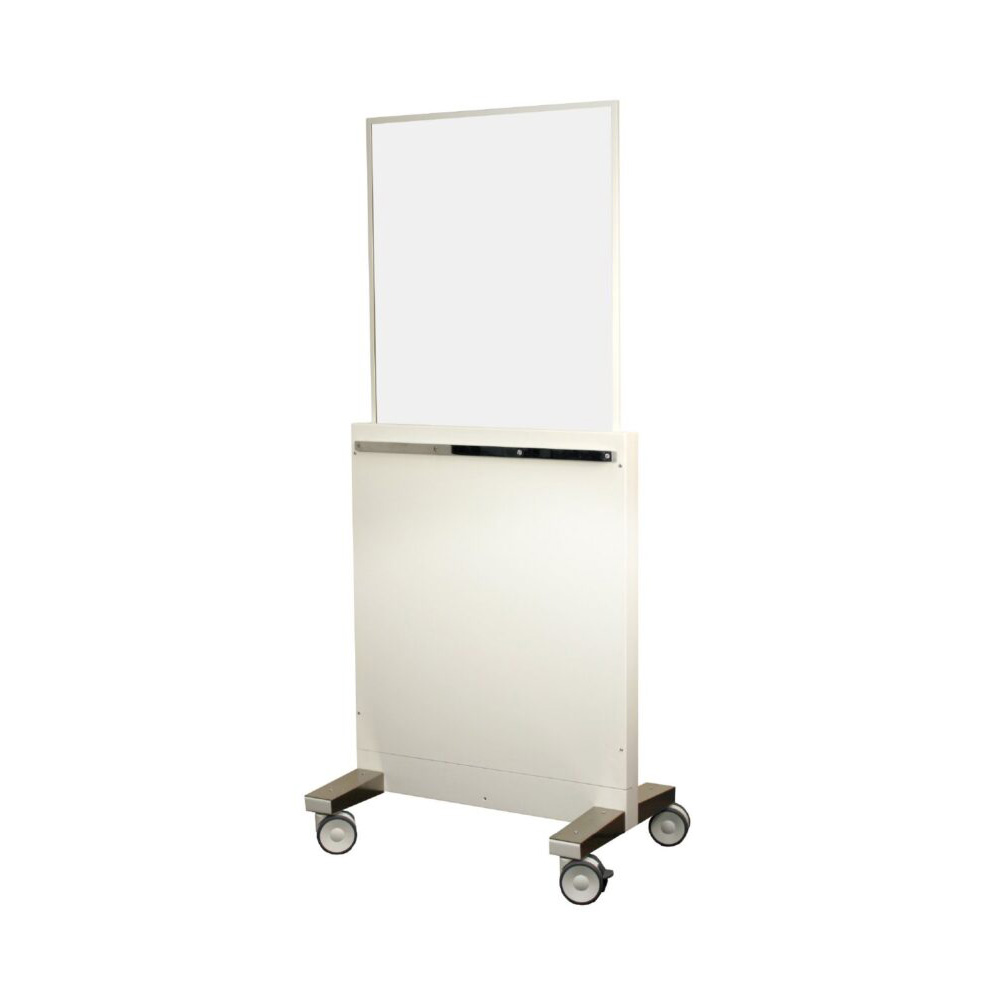
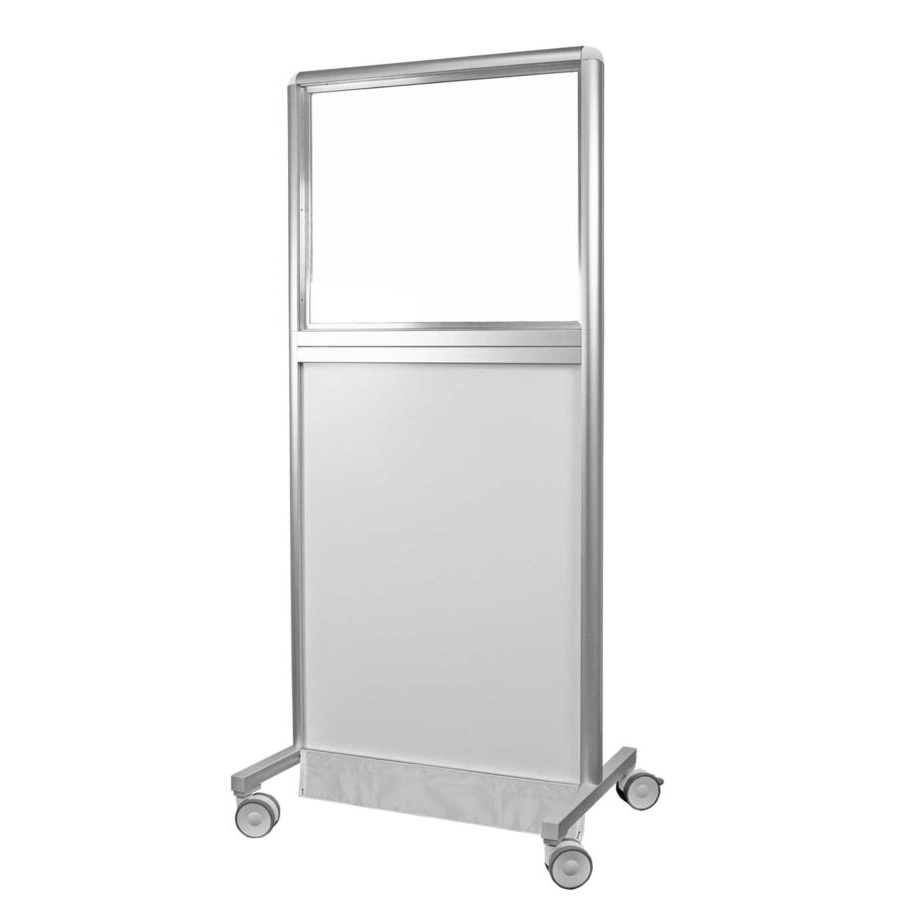
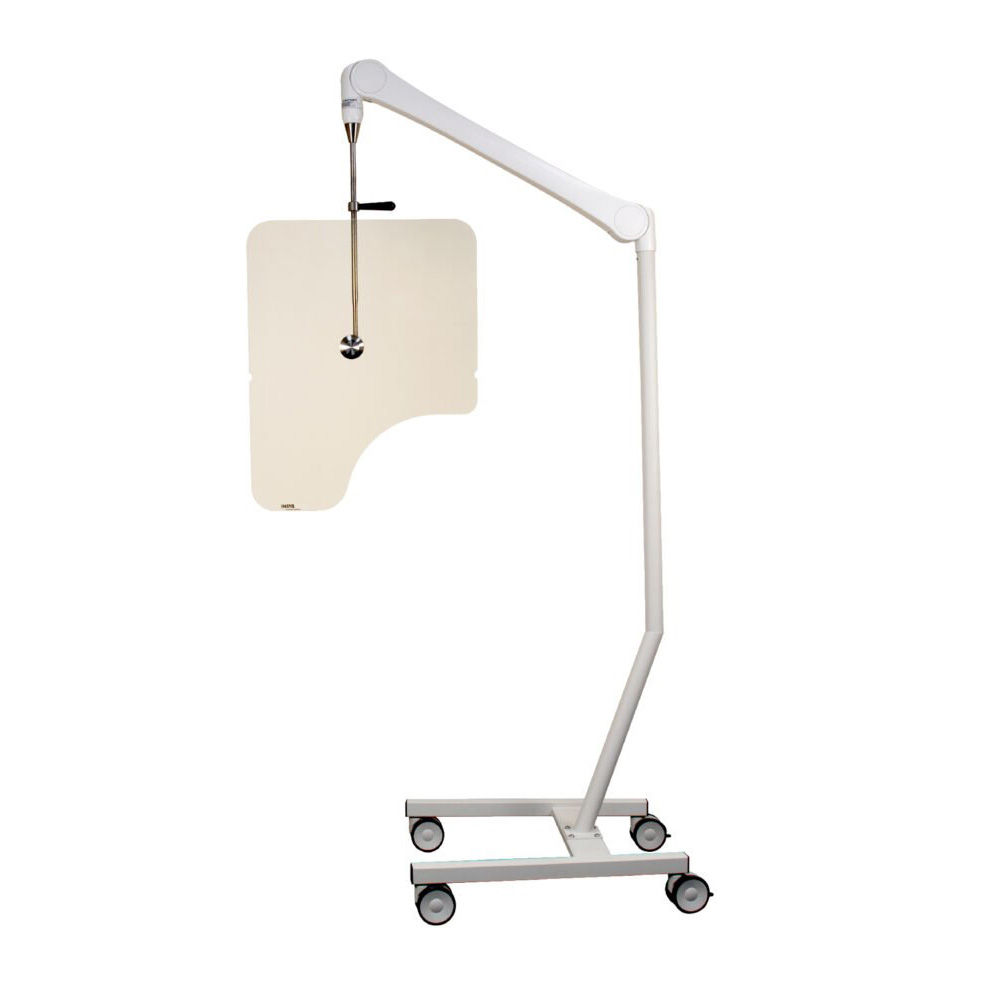
Radiation protection is a critical concern in healthcare settings, especially in areas where X-ray equipment is frequently used. Mobile barriers are essential for shielding healthcare workers and patients from unnecessary radiation exposure. Among the various materials used for these barriers, lead acrylic stands out due to its numerous benefits.
The Advantages of Lead Acrylic
Lead acrylic offers a combination of protection, durability, and visibility. It is lighter than traditional materials, making it easier to handle and transport. Additionally, its clarity ensures that healthcare professionals can maintain sight lines during procedures, enhancing both safety and efficiency.
Applications in Healthcare
These mobile barriers are indispensable for radiologists, radiologic technologists, and surgeons. They provide a movable shield that can be positioned as needed to protect against scattered radiation. The mobility and flexibility of these barriers are particularly beneficial in dynamic medical environments.
Overcoming Common Challenges
Healthcare professionals often face challenges such as maneuvering heavy equipment, maintaining a sterile environment, and ensuring clear visibility during procedures. Traditional barriers, while effective, can be cumbersome and difficult to move, which can hinder workflow and efficiency.
How Lead Acrylic Barriers Help
Lead acrylic barriers address these challenges by being easy to move and position, reducing physical strain and improving workflow. Their high optical clarity ensures that medical staff can maintain visual contact with patients and equipment. Moreover, the durability of lead acrylic means less frequent replacement and lower long-term costs. Because they are lightweight, these barriers are also easier to ship, which significantly reduces shipping costs.