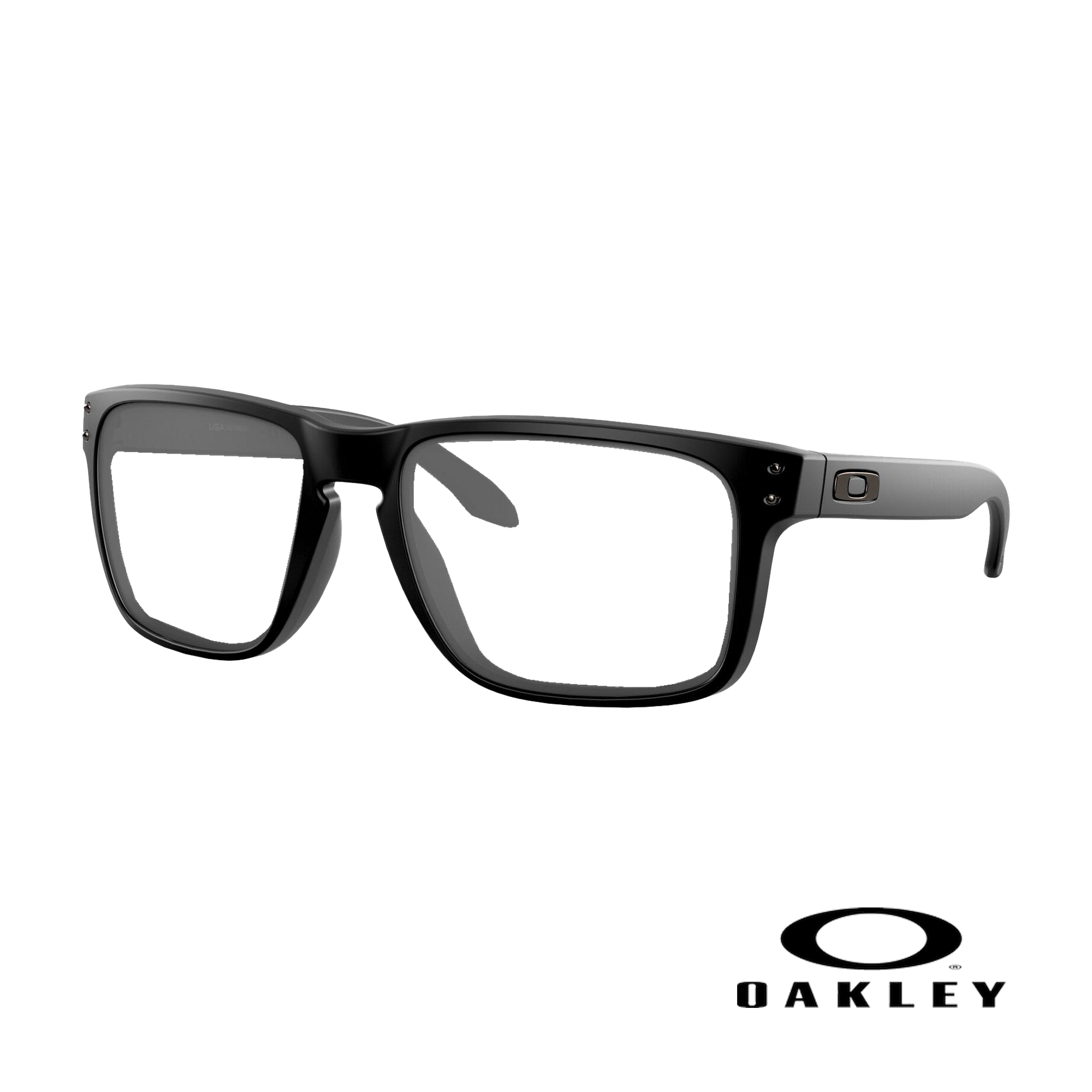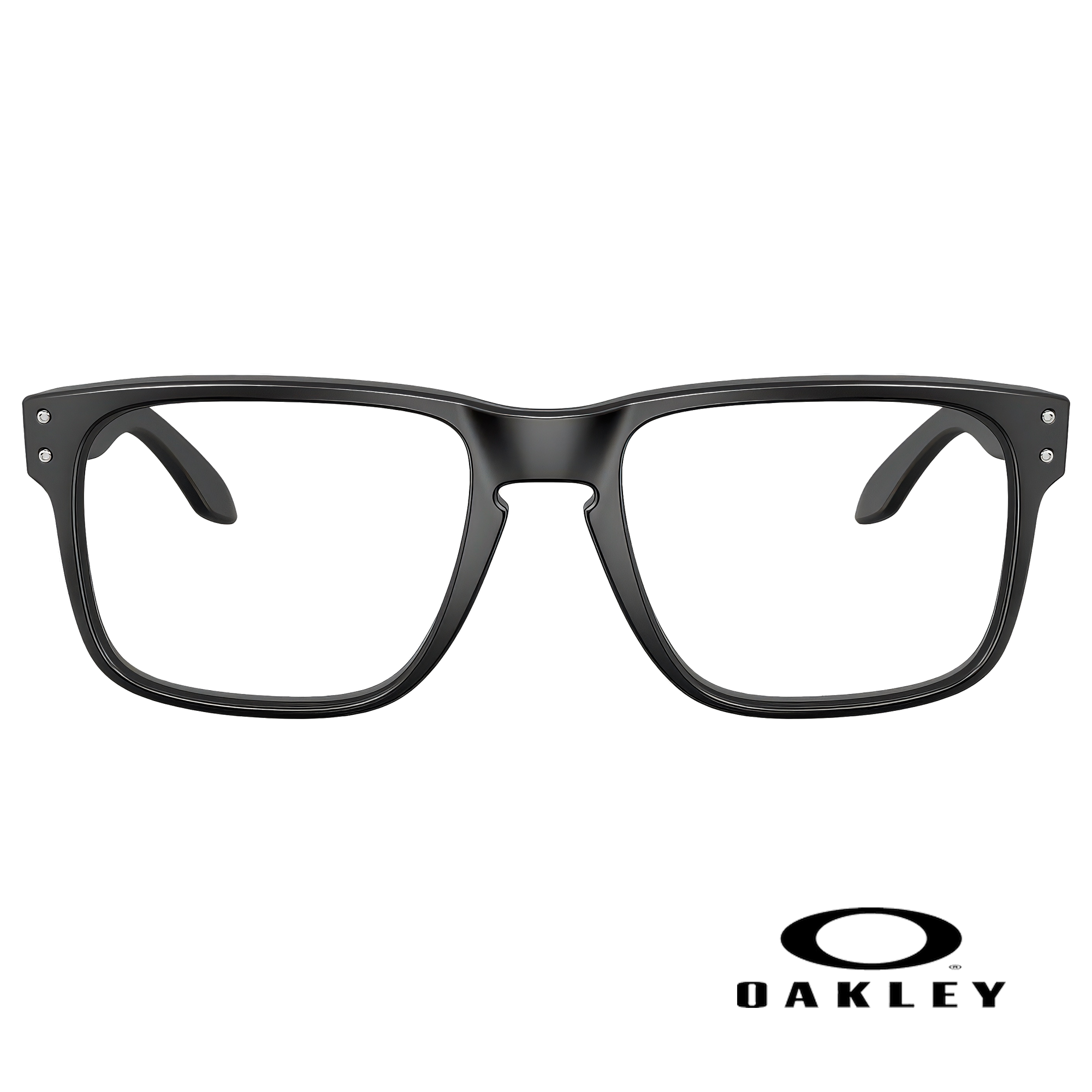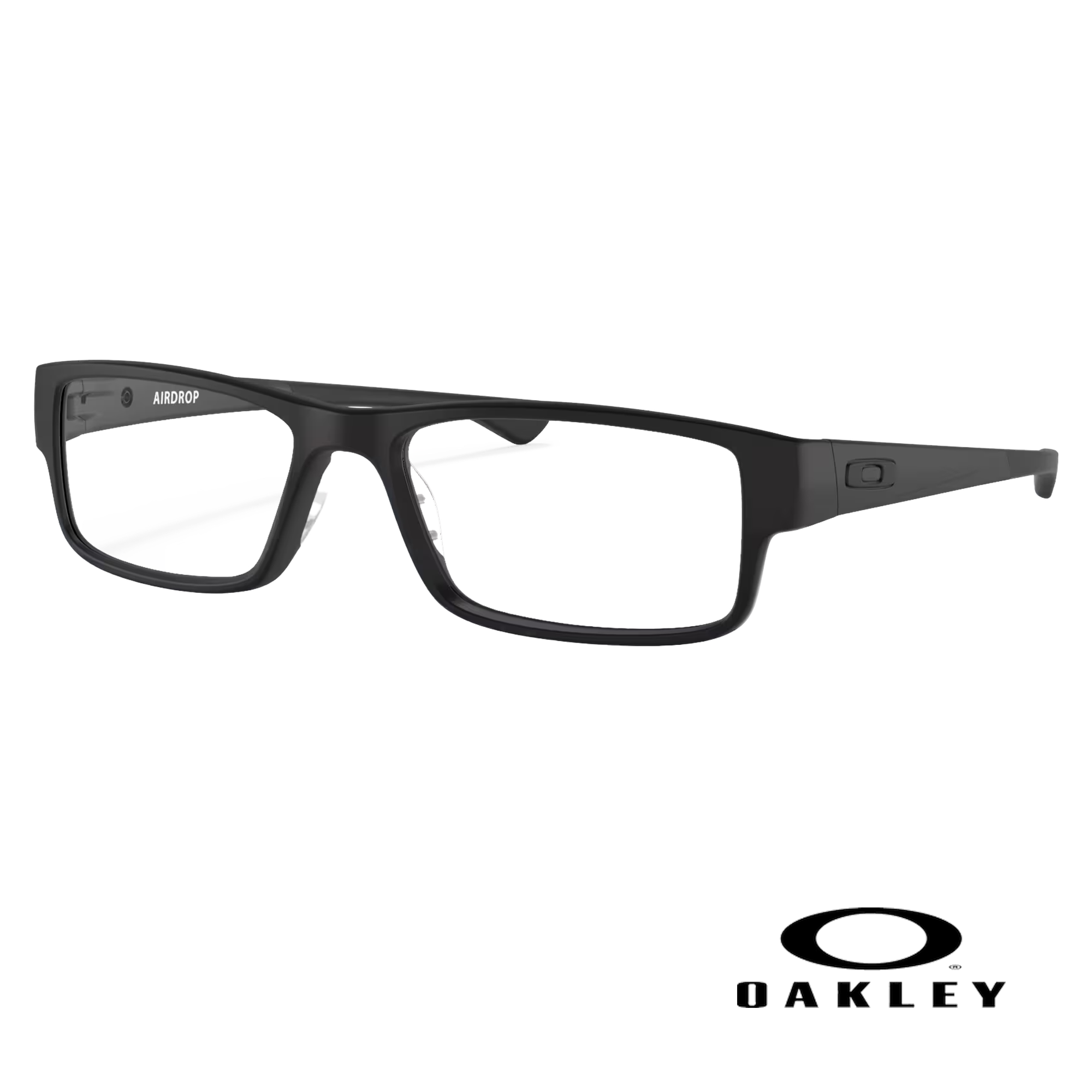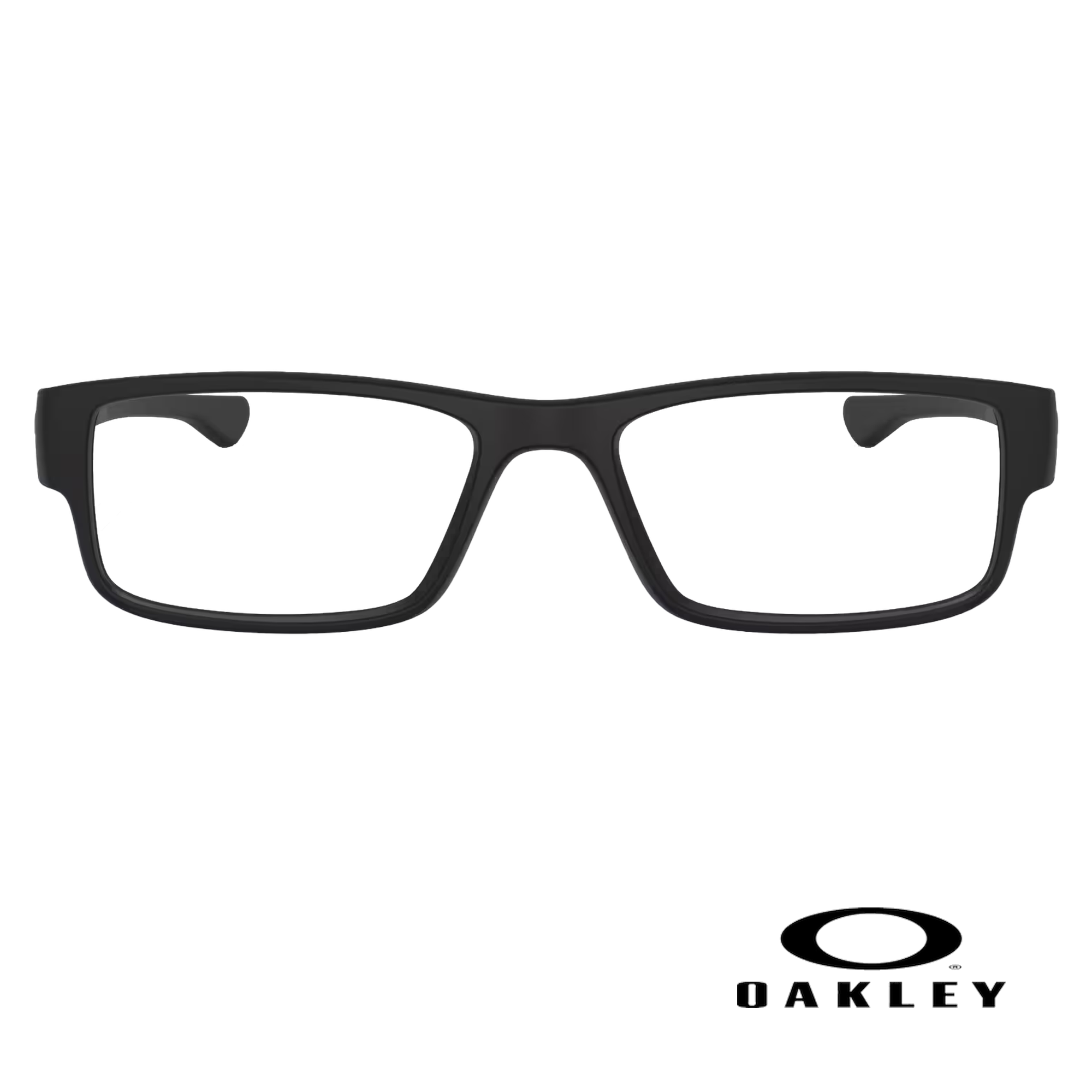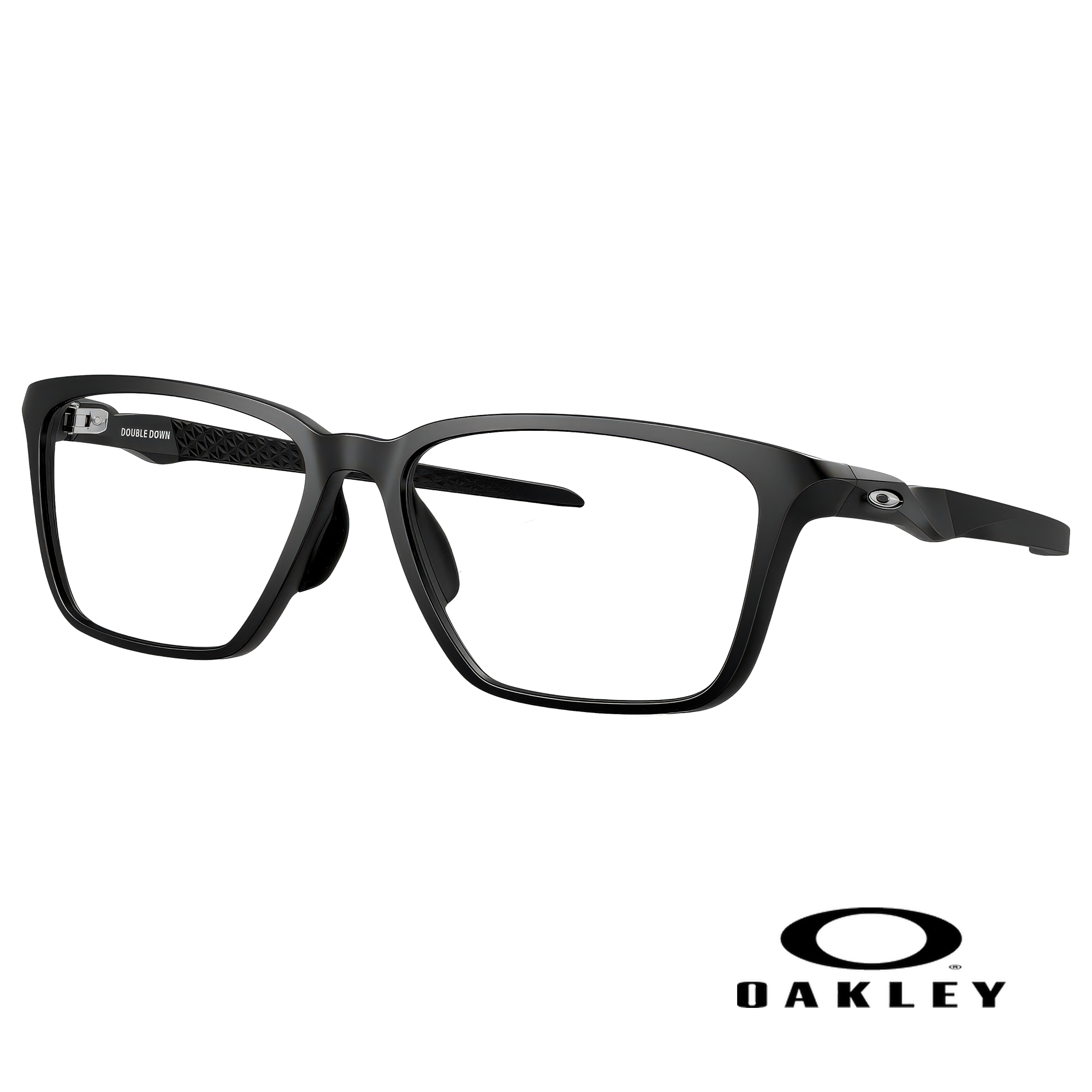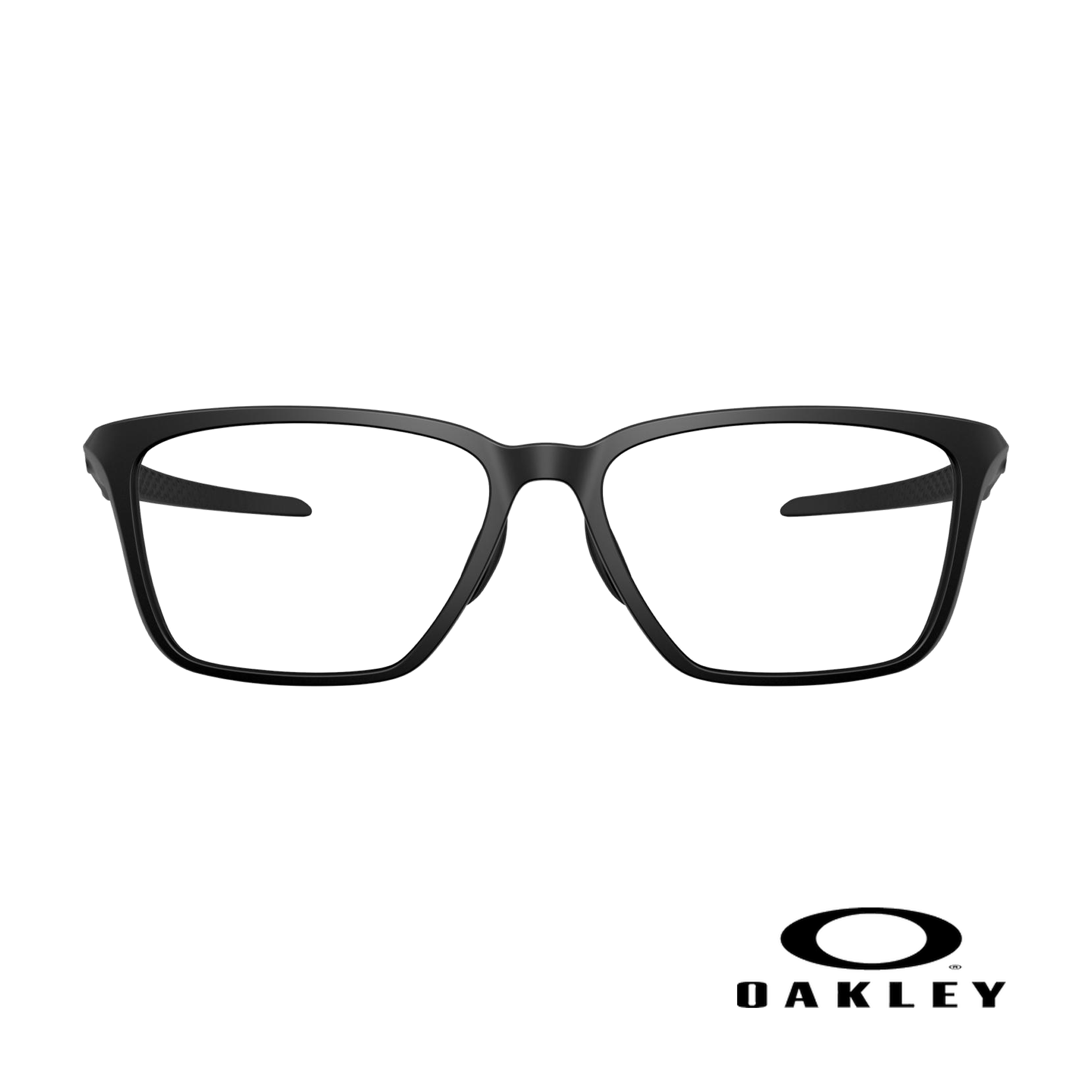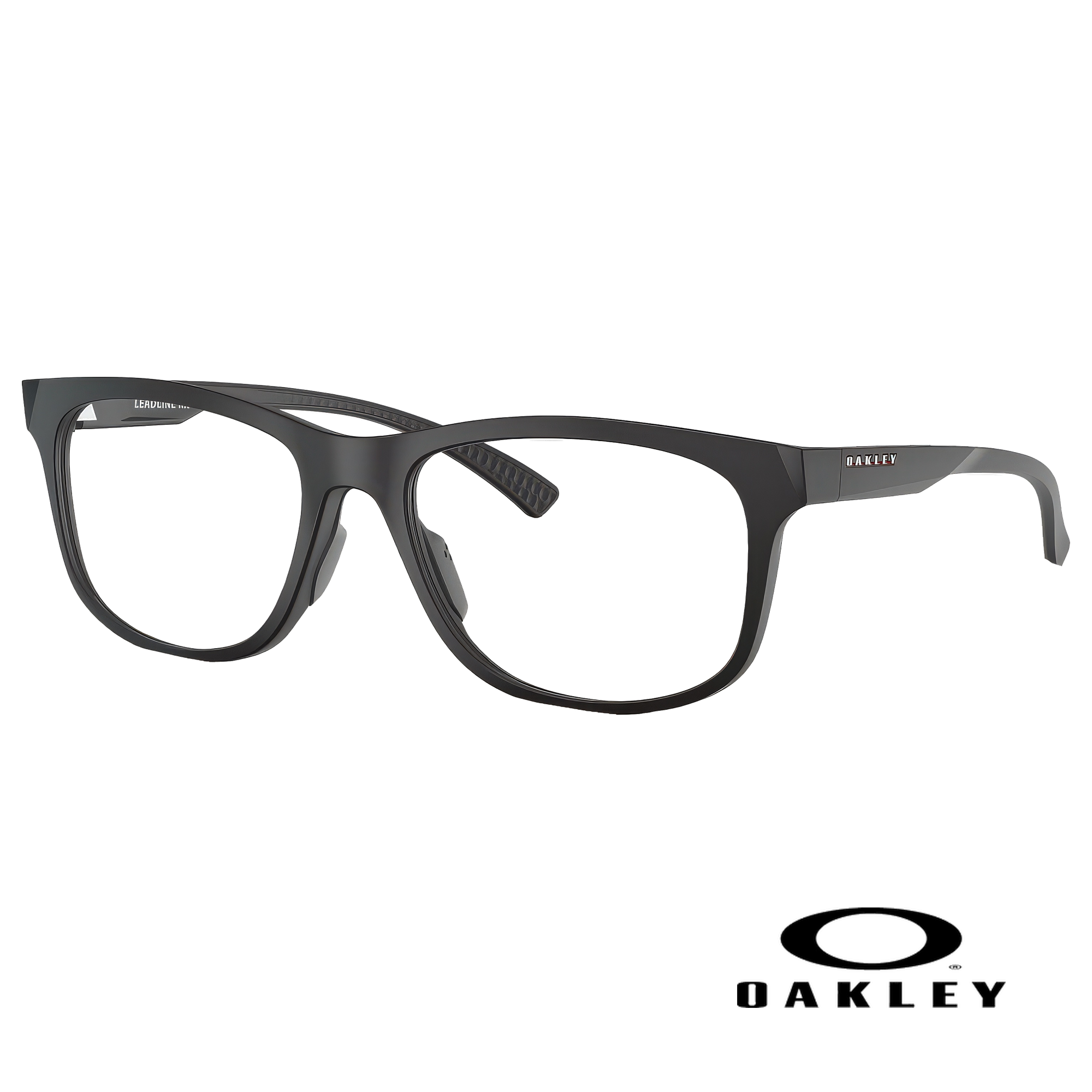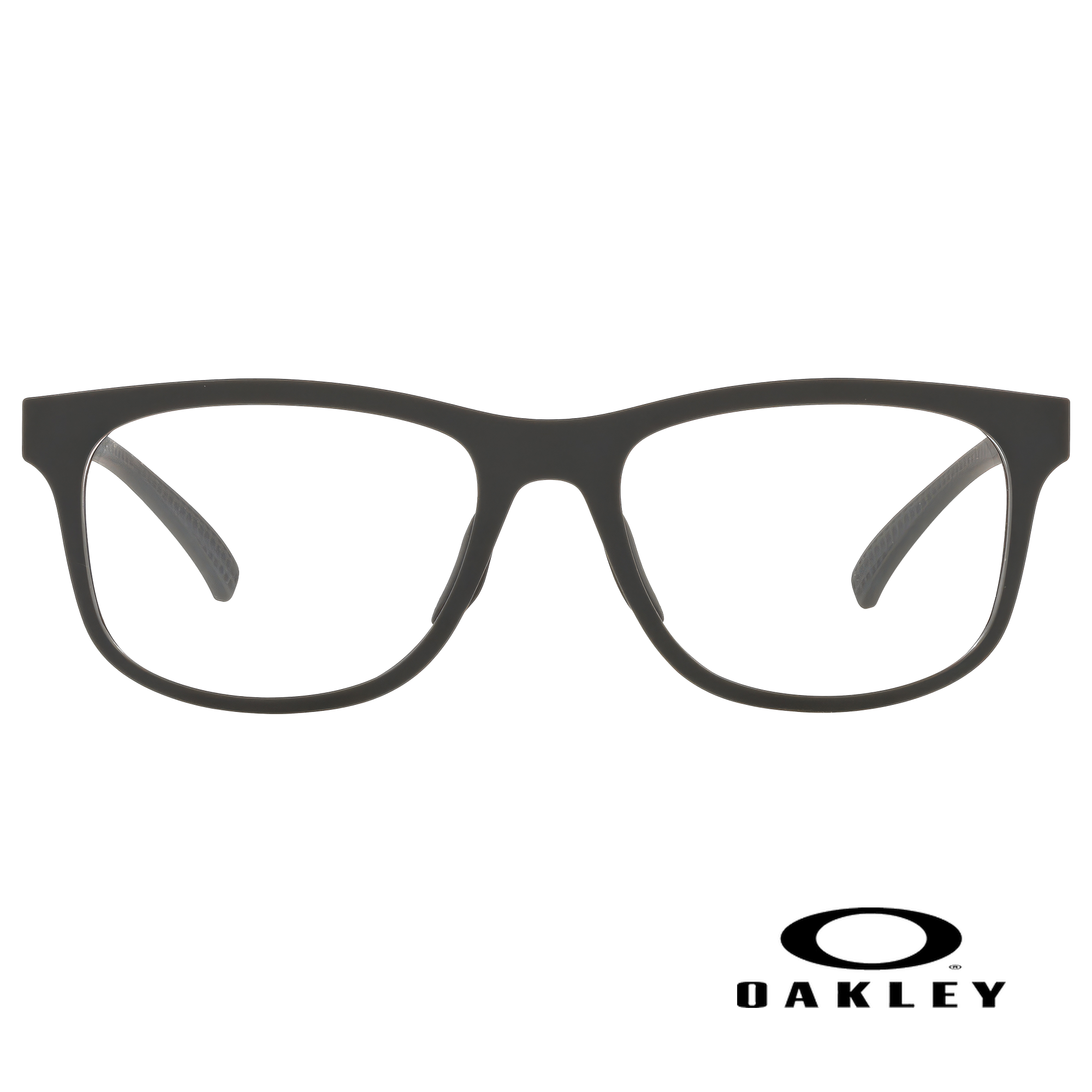

In the fast-paced world of medical imaging and interventional procedures, radiation exposure is an unavoidable reality. While most professionals are diligent about wearing lead aprons and thyroid shields, eye protection is often overlooked, despite the fact that the lens of the eye is one of the most sensitive tissues to radiation.
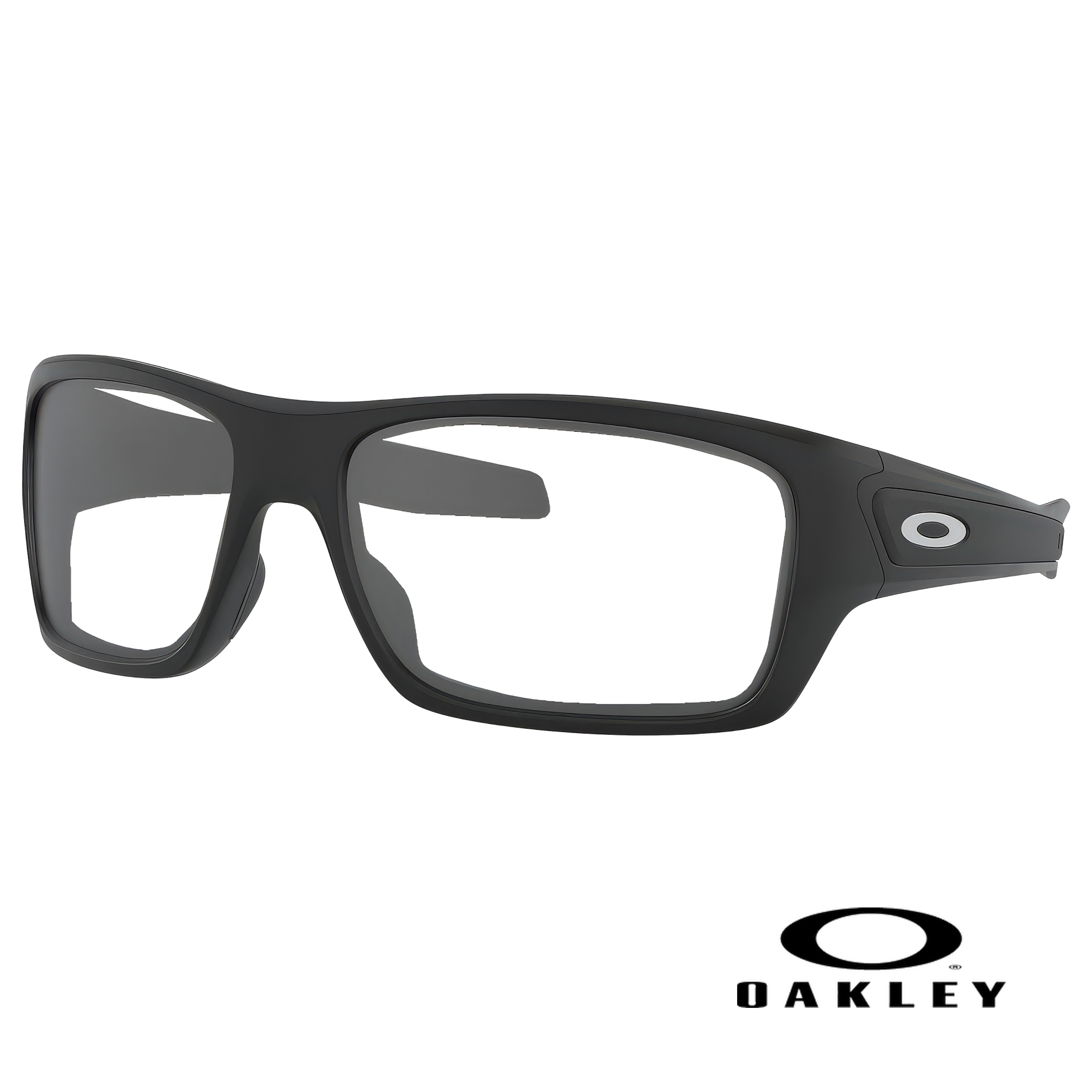
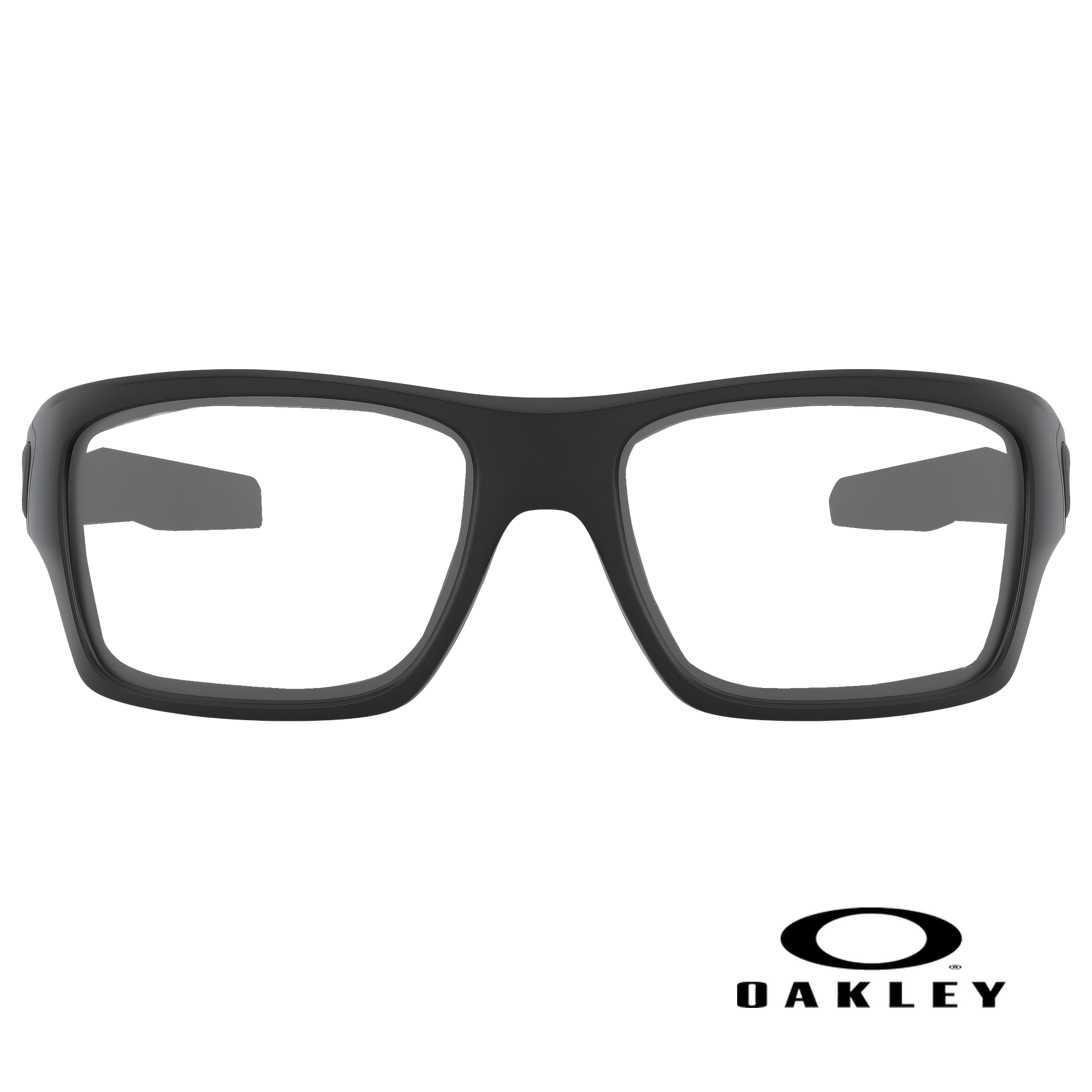
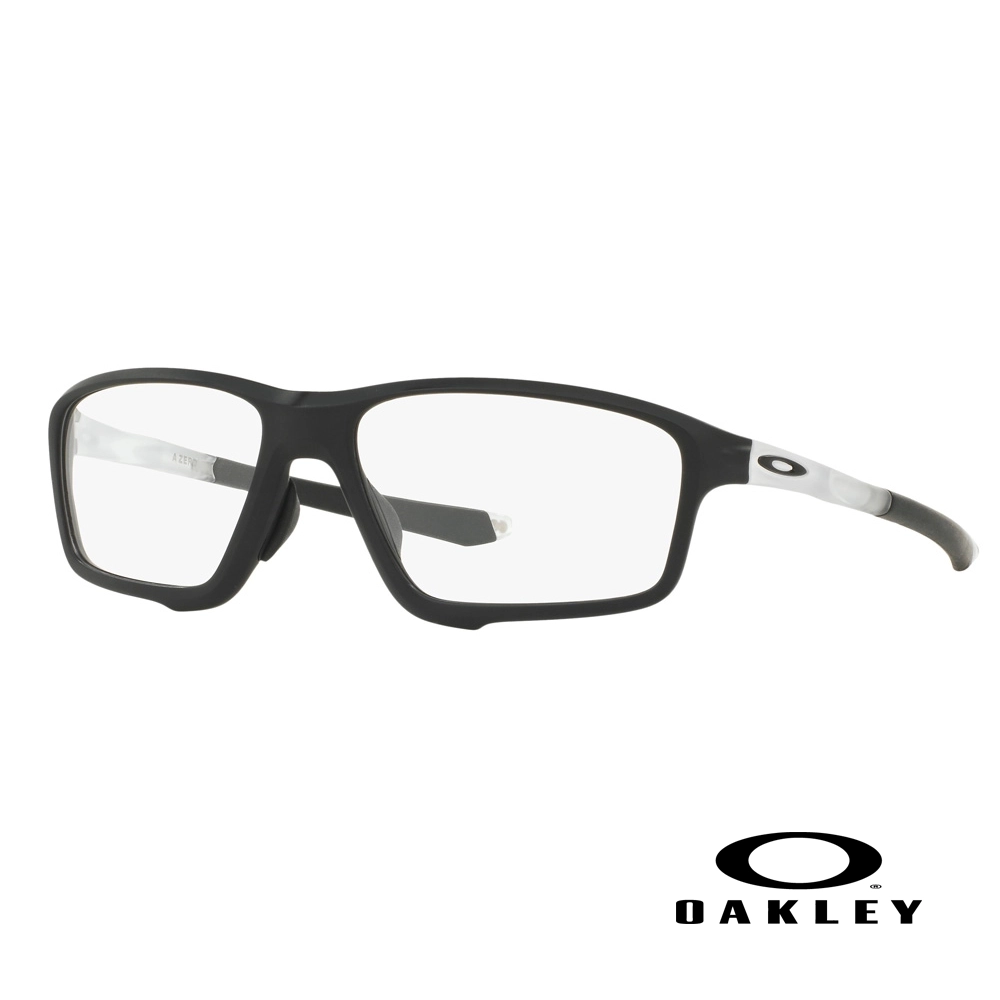
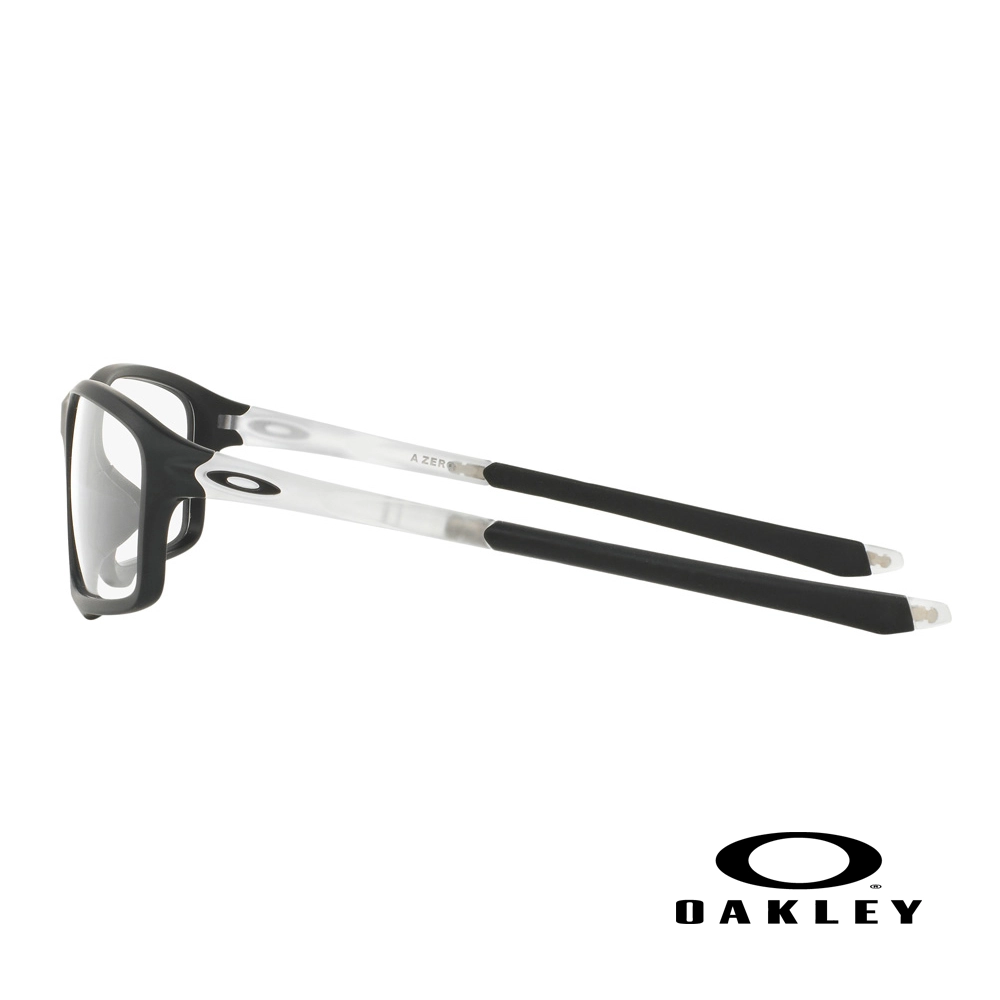
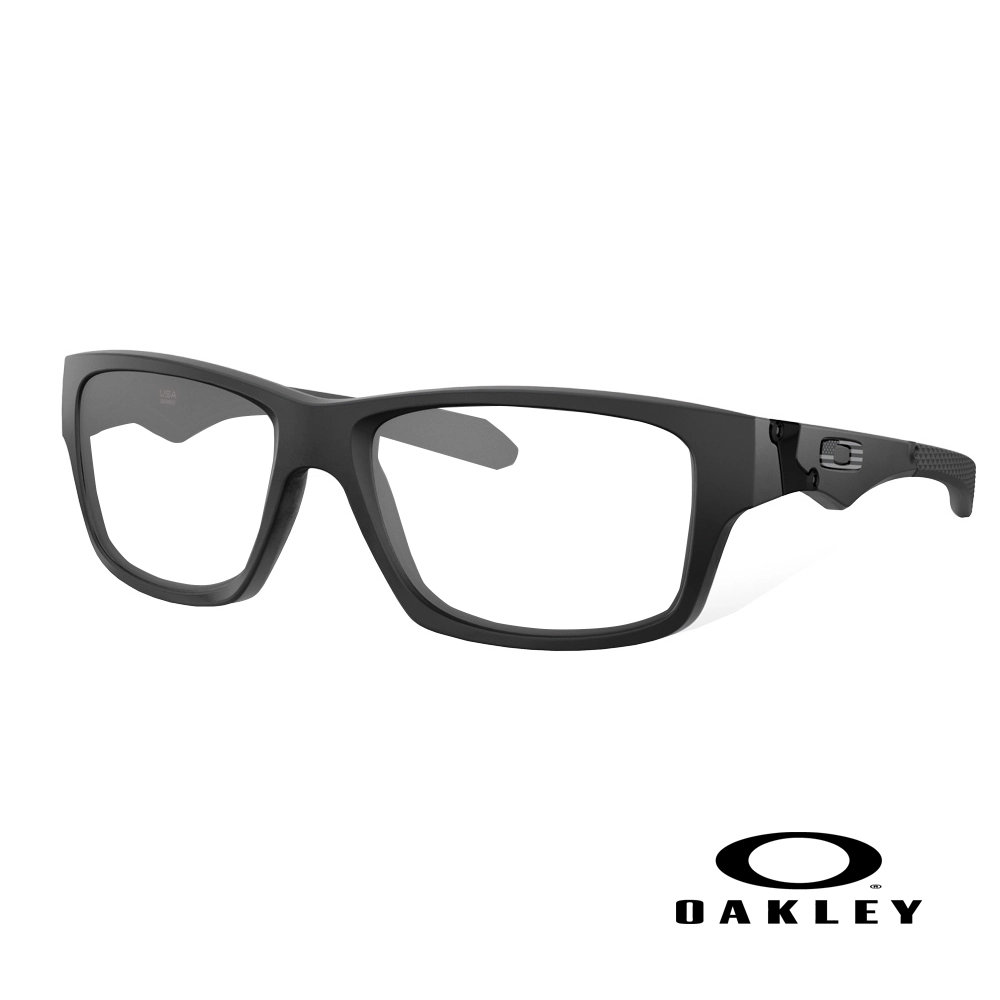
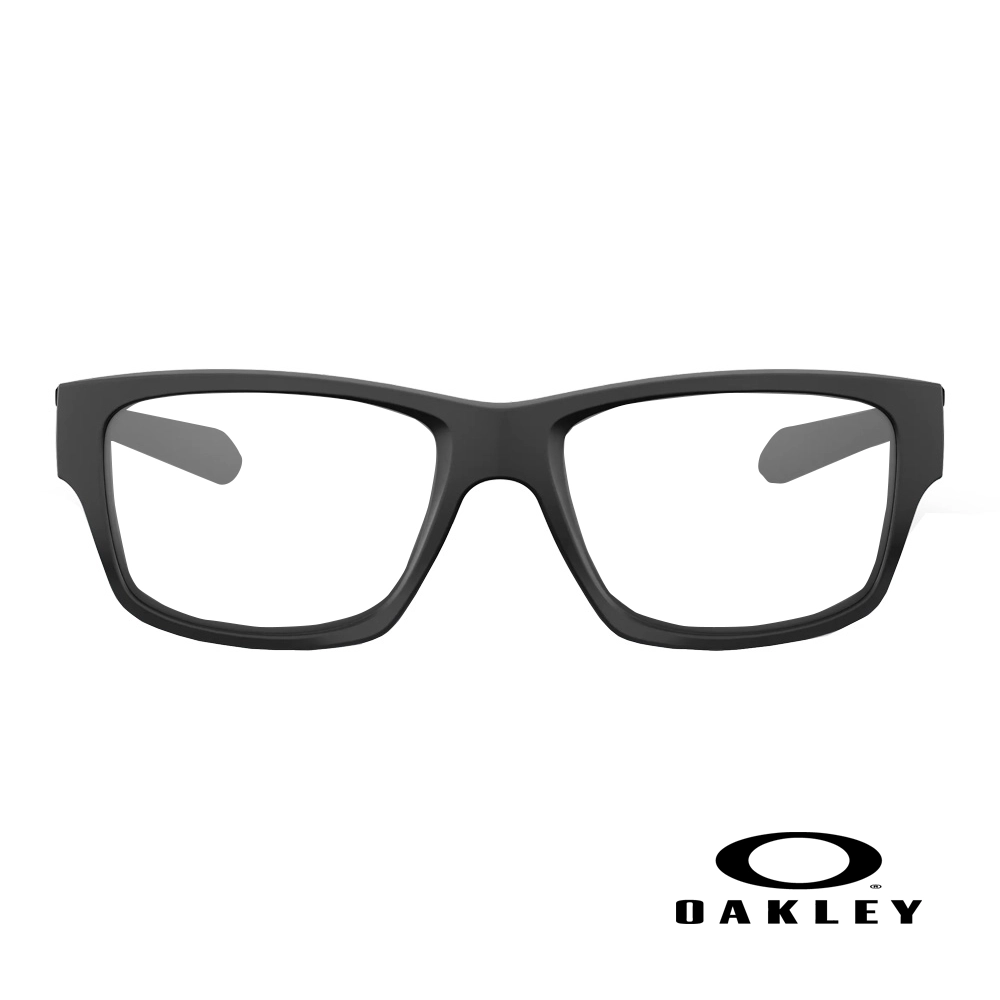
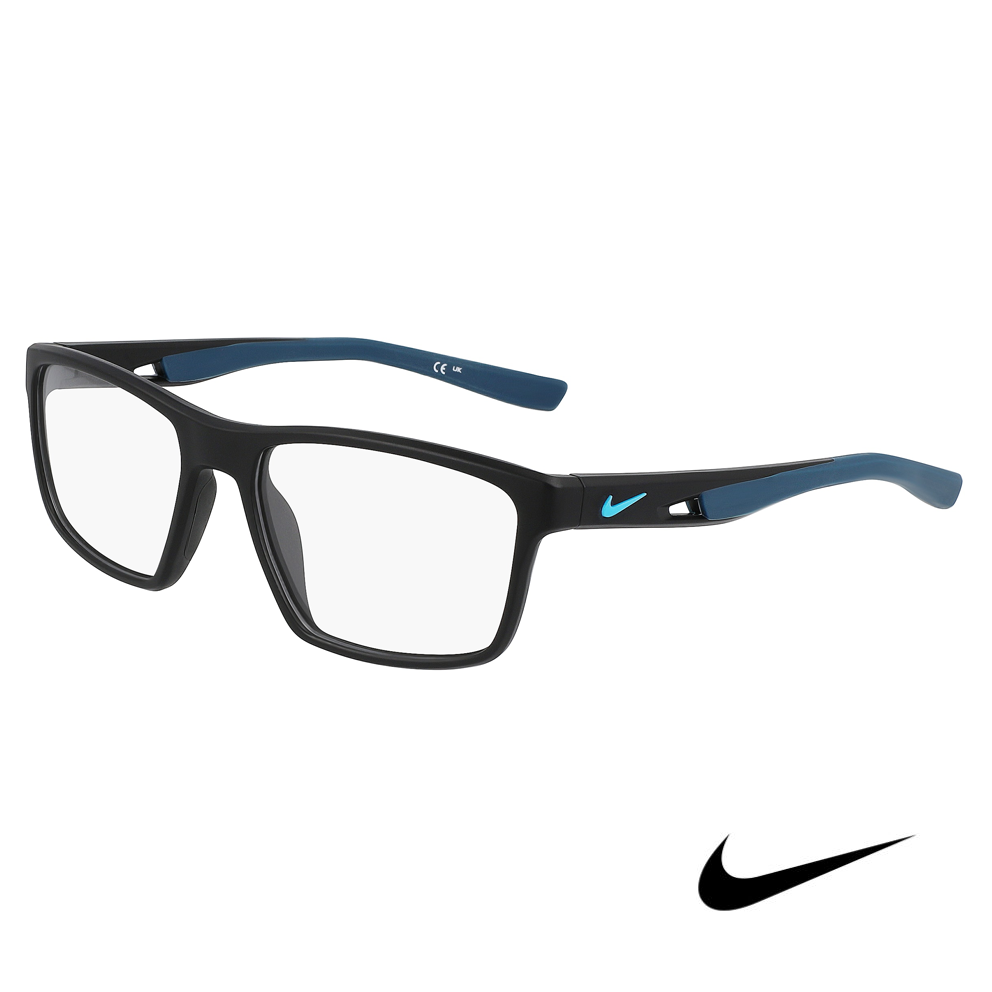
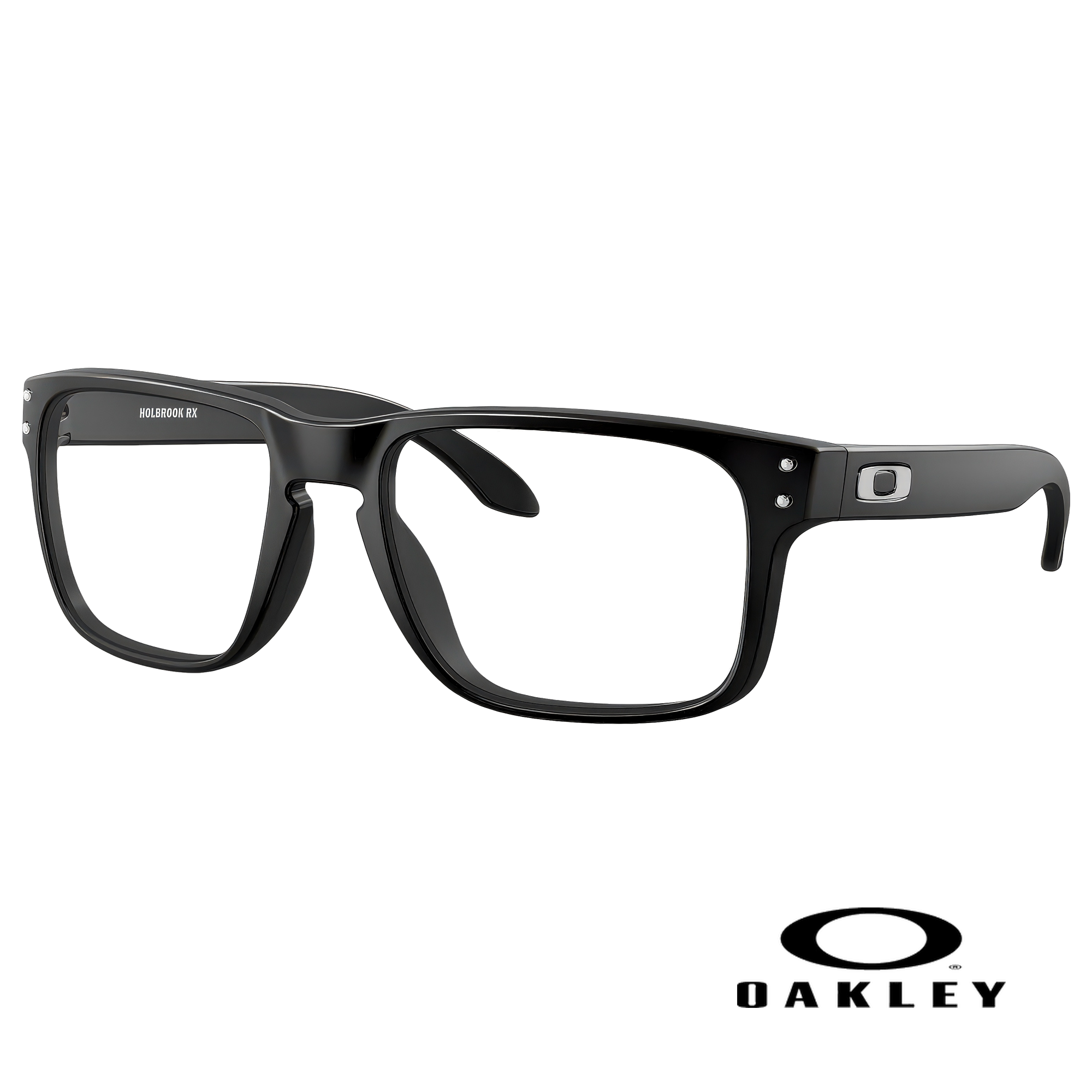
Recent research has shed light on how radiation protection glasses can dramatically reduce exposure to the eye lens, but not all glasses are created equal. The study highlights key factors that influence protection effectiveness, offering valuable insights for healthcare professionals choosing eyewear for their practice.
The International Commission on Radiological Protection (ICRP) classifies cataracts as a tissue reaction with a threshold dose. Exceeding this threshold can lead to visually impairing cataracts (VIC). The ICRP recommends a lens dose limit of 20 mSv/year (averaged over 5 years) and no more than 50 mSv in any single year.
Procedures like ERCP, fluoroscopy, and urologic endoscopy can expose the eyes to up to 10× more radiation than undercouch systems. Without protection, a single 10-minute session can result in a dose of 1.54 mSv, putting frequent practitioners at risk of exceeding safe limits.
The study evaluated nine types of radiation protection glasses and found that three key factors determine their effectiveness:
When selecting radiation protection glasses, consider the following:
| Factor | Recommendation |
|---|---|
| Procedure Type | High-exposure procedures (e.g., ERCP, IR) require glasses with high coverage and minimal gaps. |
| X-ray System | Overcouch systems demand more robust protection than undercouch setups. |
| Fit & Comfort | Ensure the glasses fit snugly to minimize gaps, especially for different head shapes. |
| Lens Size | Lenses should be large enough to provide maximum coverage and protection. |
| Weight vs. Protection | Lightweight glasses with smart design (e.g., 0.07 mm Pb with good fit) can offer excellent protection without discomfort. |