Every day, healthcare workers step into high-risk environments, placing themselves in the path of potential radiation exposure to provide life-saving care. Whether you work in radiology, interventional cardiology, or a cath lab, you know the importance of radiation protection. But are you sure you’re doing enough to safeguard your health?
Recent studies suggest there’s a troubling knowledge gap when it comes to radiation safety. A study assessing physicians, nurses, and technologists found that many healthcare workers exhibit a low attitude toward radiation safety, despite having some level of knowledge. The study emphasizes the need for integrating radiation safety training into medical education and continuous professional development (PubMed).
The Knowledge Gap: What’s Missing?
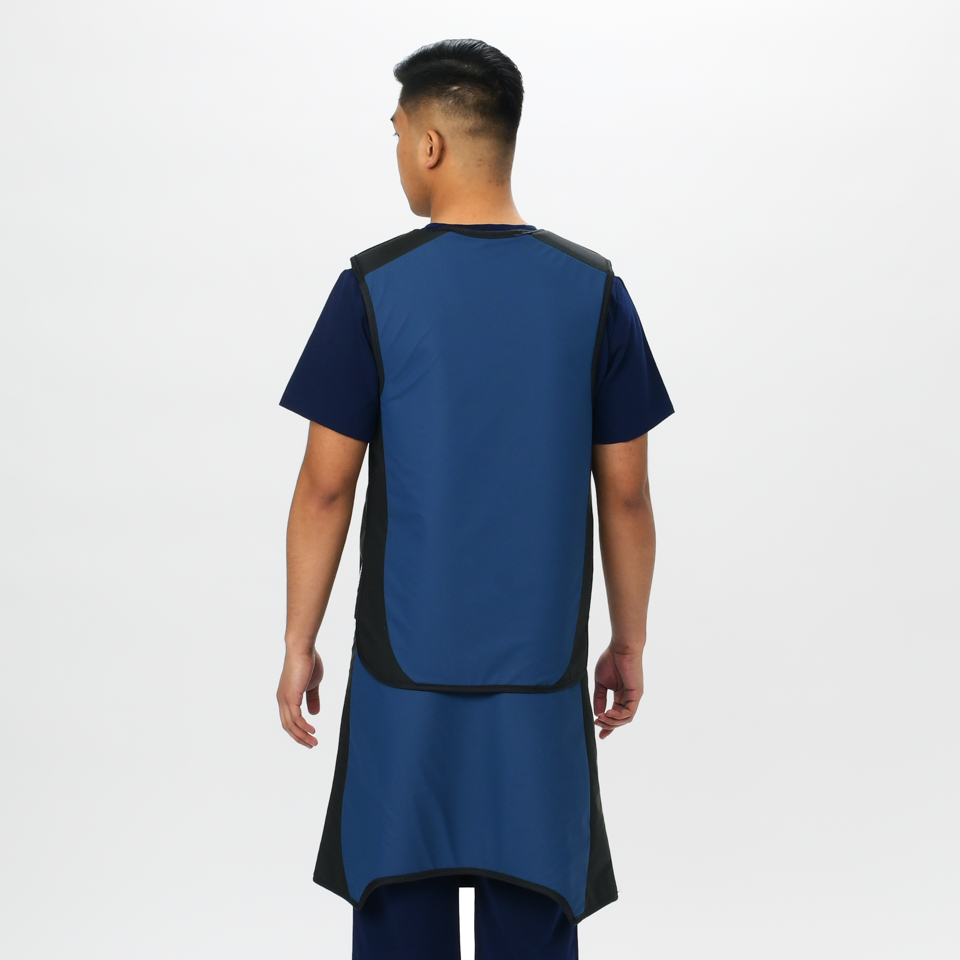
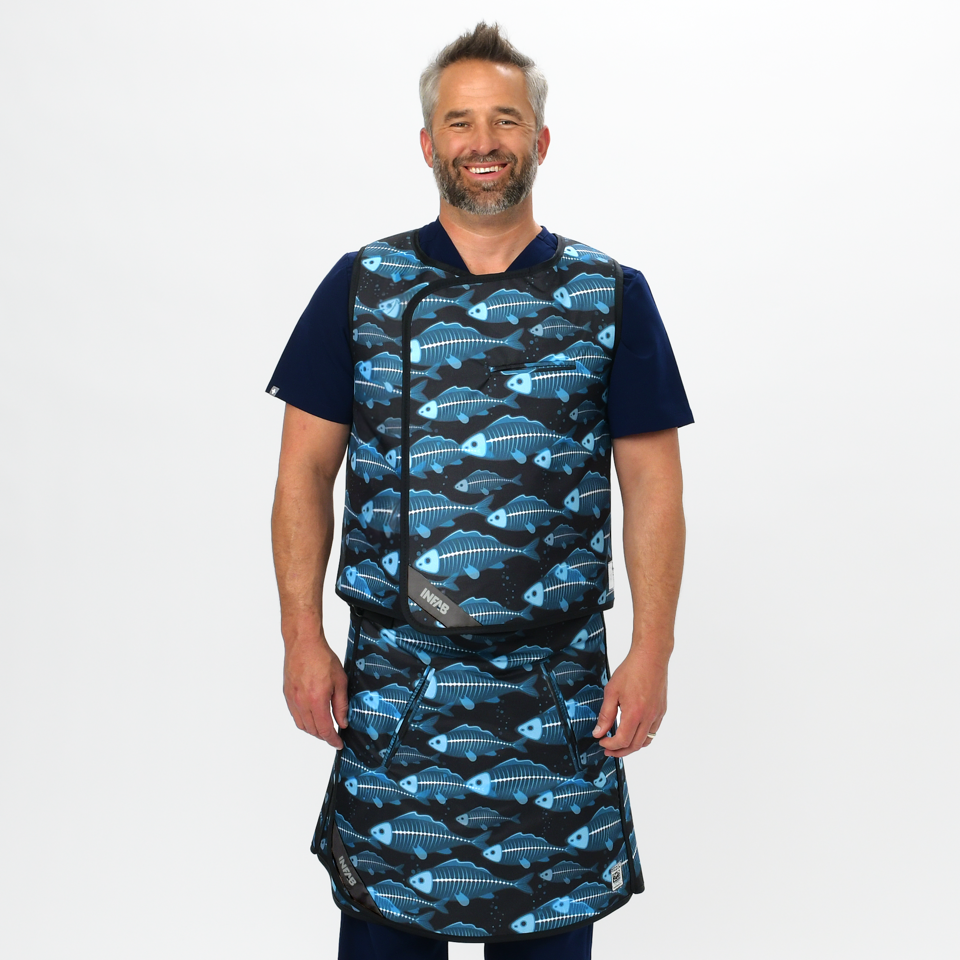
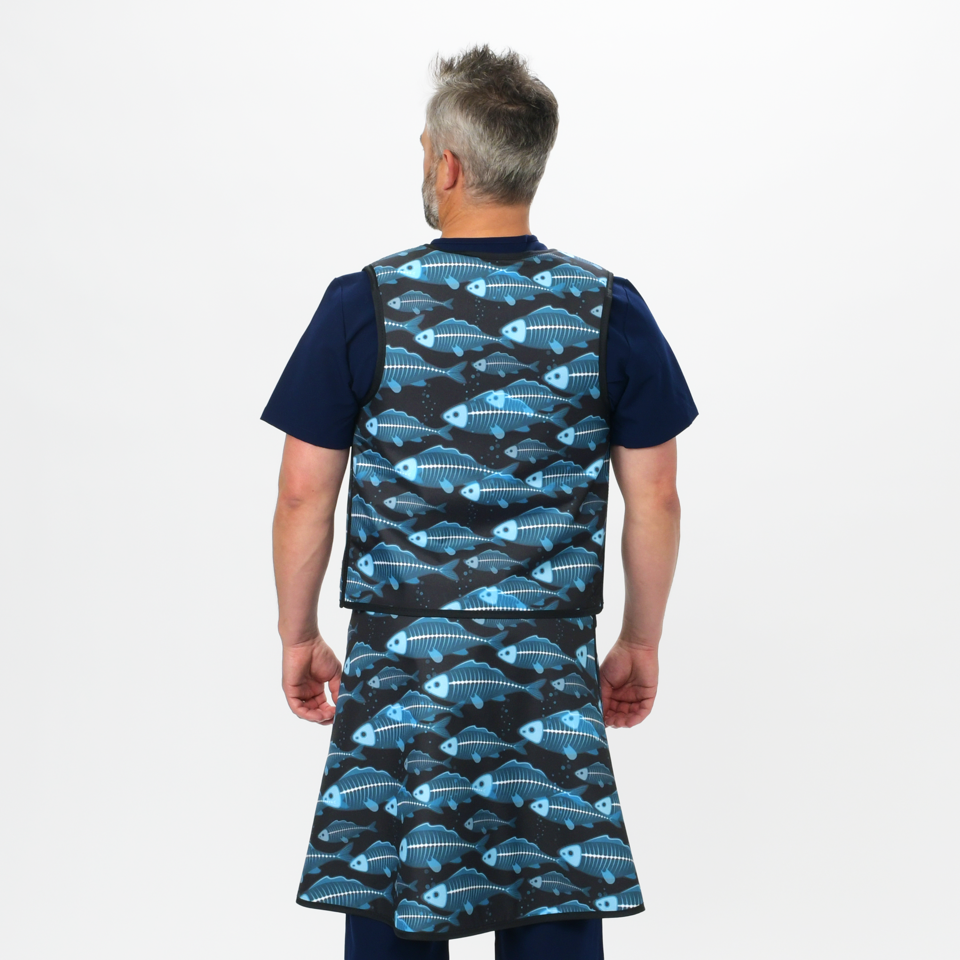
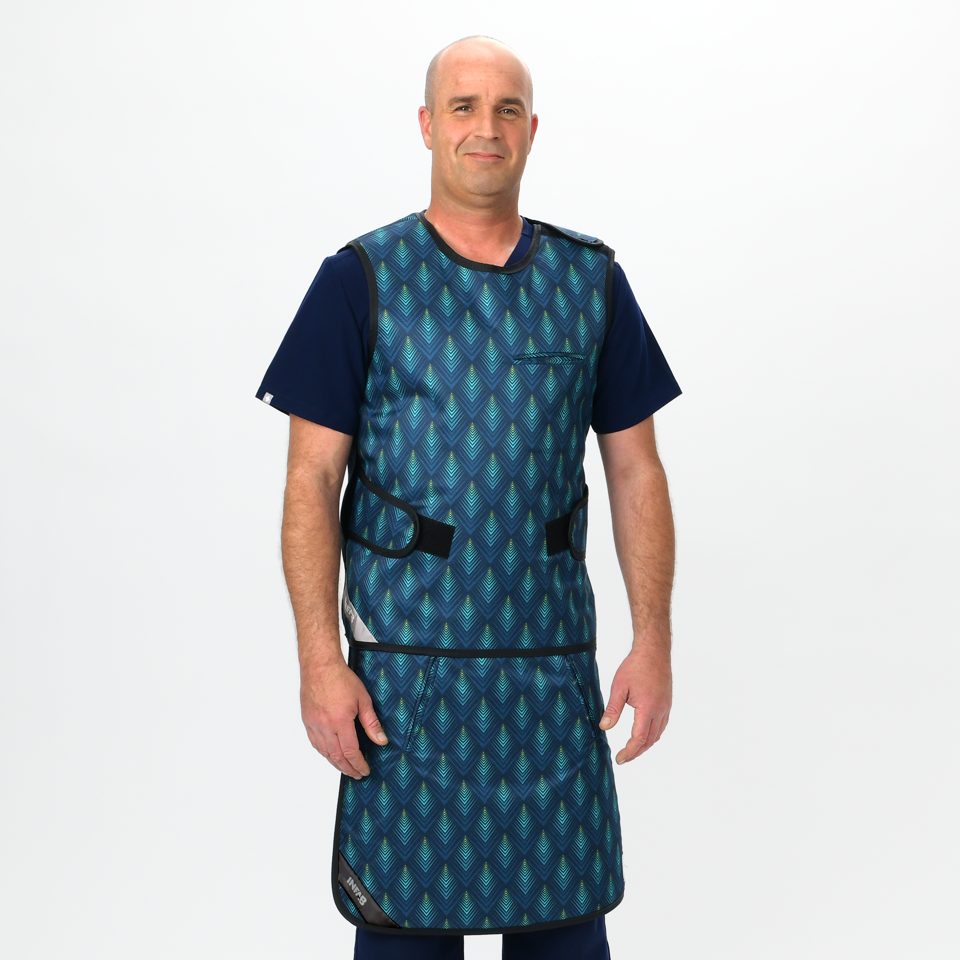
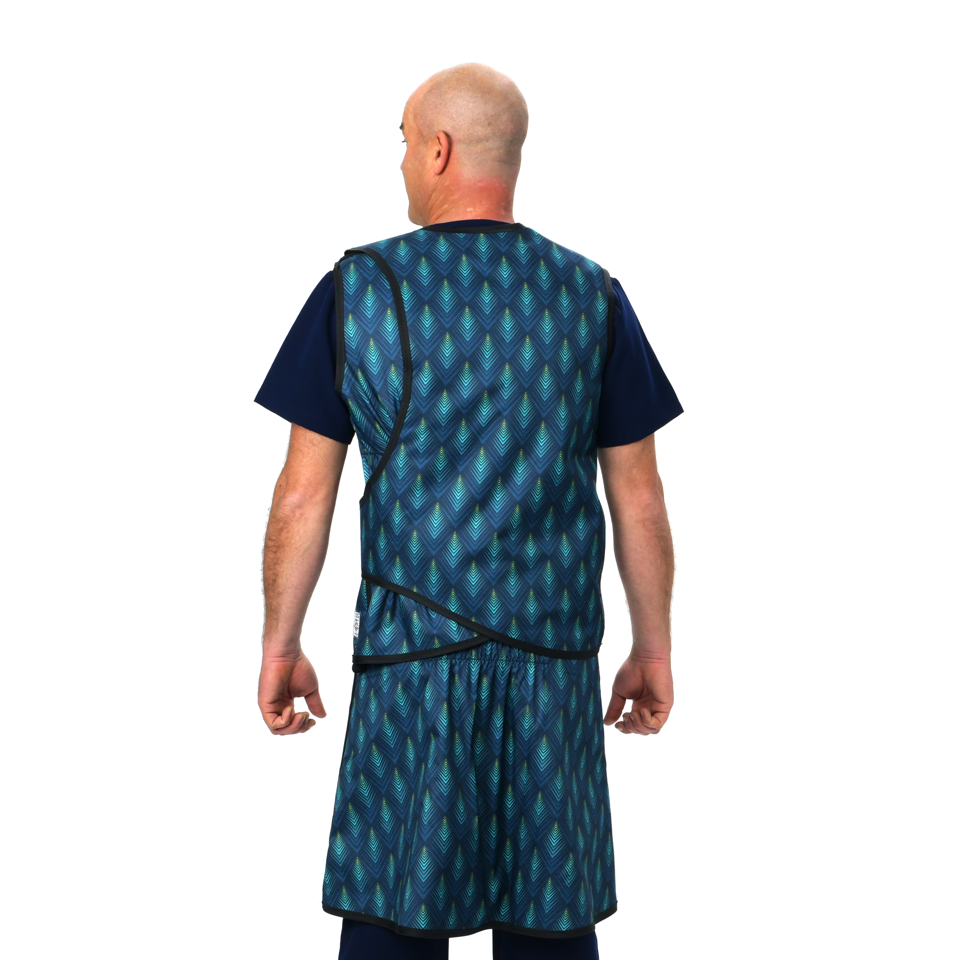
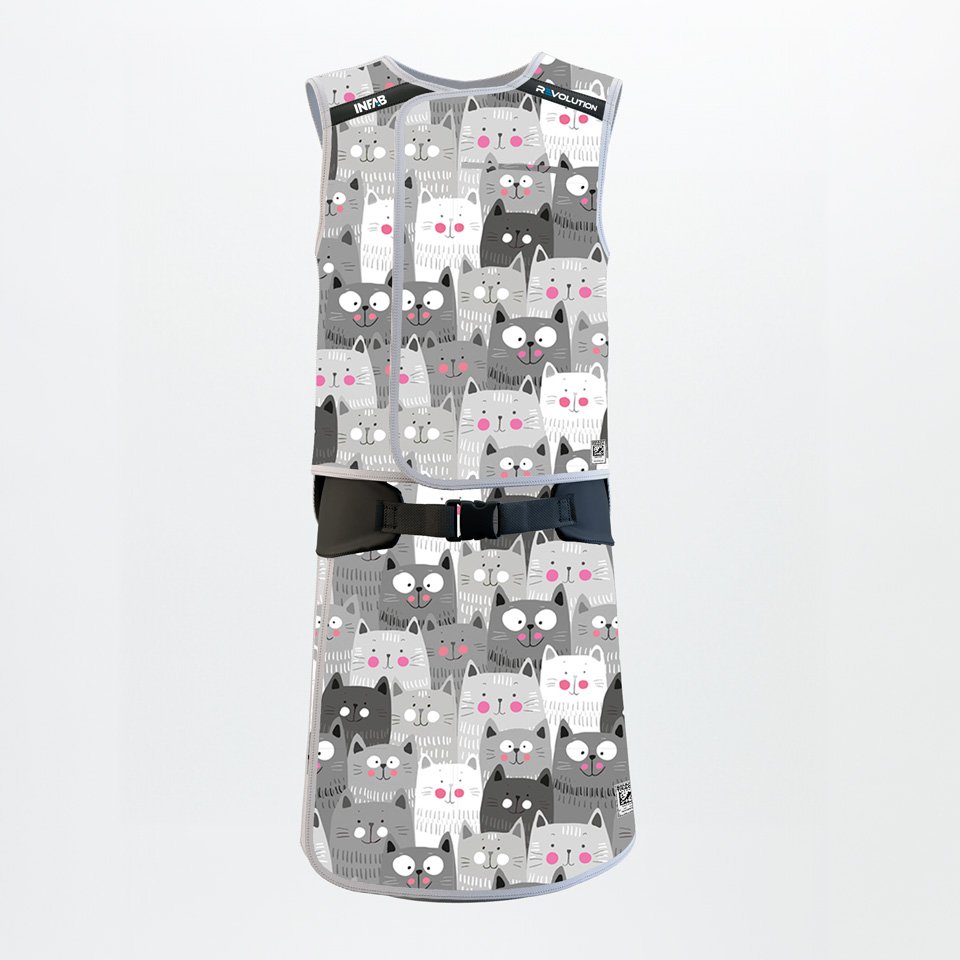
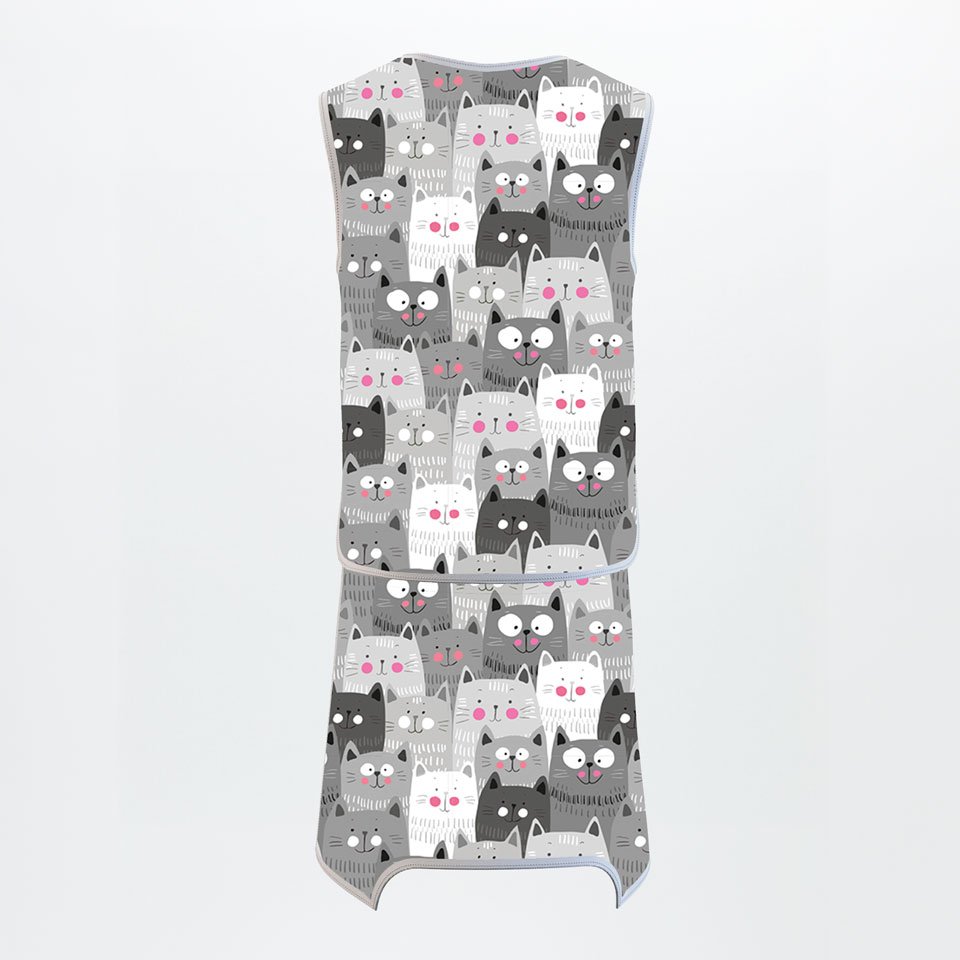
Radiation exposure isn’t always immediately apparent, but its risks are undeniable. From acute effects like skin burns to long-term risks such as cancer, prolonged exposure to ionizing radiation can have devastating consequences. While most professionals use personal protective equipment (PPE) like lead aprons and thyroid shields, research shows these measures are often misused, poorly maintained, or inconsistently applied.
Moreover, the lack of standardized training across healthcare roles compounds the issue. Nurses, radiologic technologists, and interventional cardiologists face varying levels of exposure, yet many are unaware of the specific steps needed to protect themselves effectively.
What’s at Stake?
For those working in cath labs, interventional radiology, and imaging departments, the risks of radiation exposure extend beyond personal health. When safety protocols are neglected, the ripple effect can endanger colleagues, patients, and even the broader healthcare environment.
Radiation exposure risks include:
- Chronic health effects: Increased cancer risk and potential damage to sensitive tissues like the thyroid.
- Professional impacts: Reduced career longevity for individuals in high-exposure roles.
- Team health: Scatter radiation puts everyone in the room at risk, not just the operator.
Closing the Knowledge Gap
The good news? Knowledge is power. By increasing awareness and understanding, healthcare professionals can take significant strides toward safer practices. Here are some actionable ways to get started:
1. Evaluate Your Current Safety Practices
- Are your lead aprons and thyroid shields in good condition? Check for wear and tear.
- Do you know the proper fit for PPE? A poorly fitted shield is less effective.
- Are you tracking your cumulative radiation exposure with dosimeters?
2. Collaborate as a Team
Radiation safety isn’t an individual responsibility—it’s a team effort. Schedule regular training sessions to ensure everyone understands the risks and knows how to mitigate them. Team collaboration can reduce scatter radiation and improve adherence to safety protocols.
3. Access Trusted Resources
Education is key to closing the knowledge gap. Bookmark and share these trusted resources with your team:
- Image Wisely – General Radiation Safety
- Provides safety checklists and imaging best practices.
- American College of Radiology (ACR) – Radiation Safety
- Offers practice parameters, white papers, and patient safety guidelines.
- Society for Cardiovascular Angiography and Interventions (SCAI) – Radiation Safety Toolkit
- Tailored tools for interventional cardiology teams.
- IAEA – Radiation Protection of Patients (RPOP)
- Globally recognized training modules and downloadable protocols.
Empowering Healthcare Workers
Your health and safety are just as important as your patients’. By staying informed and taking proactive steps, you can protect yourself while continuing to deliver exceptional care. The tools and resources are out there—it’s time to take advantage of them.
Let’s work together to close the knowledge gap. Share this article with your colleagues, bookmark the resources provided, and start a conversation about radiation safety in your workplace today. Together, we can ensure a safer future for everyone who works in and around radiation.