

In the world of diagnostic imaging and interventional procedures, radiation is a powerful tool, but it comes with hidden dangers. Among the most underestimated risks is scatter radiation, a by-product of X-ray interactions with the human body. While essential for capturing internal images, these scattered photons pose a serious health risk to the very professionals who rely on them daily.
What Is Scatter Radiation?
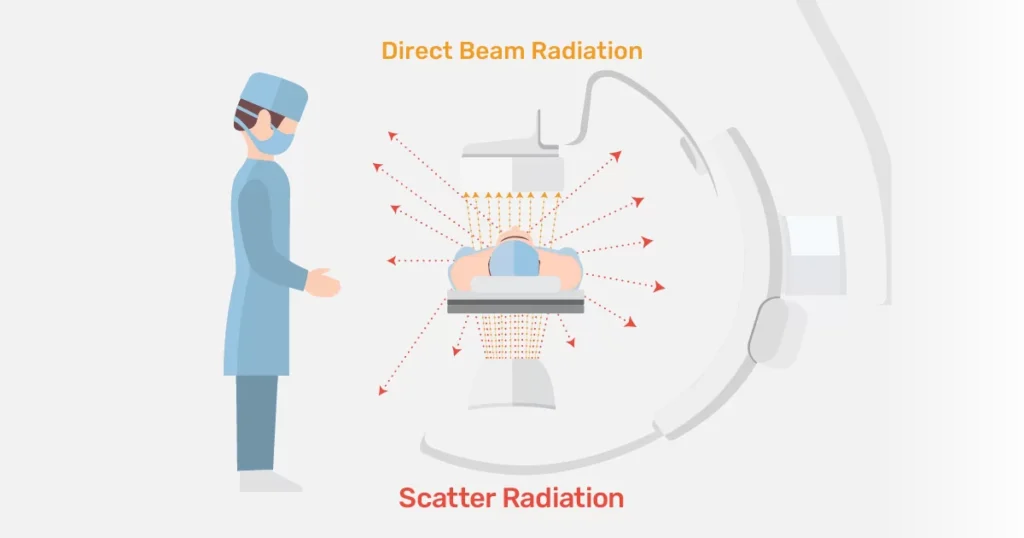
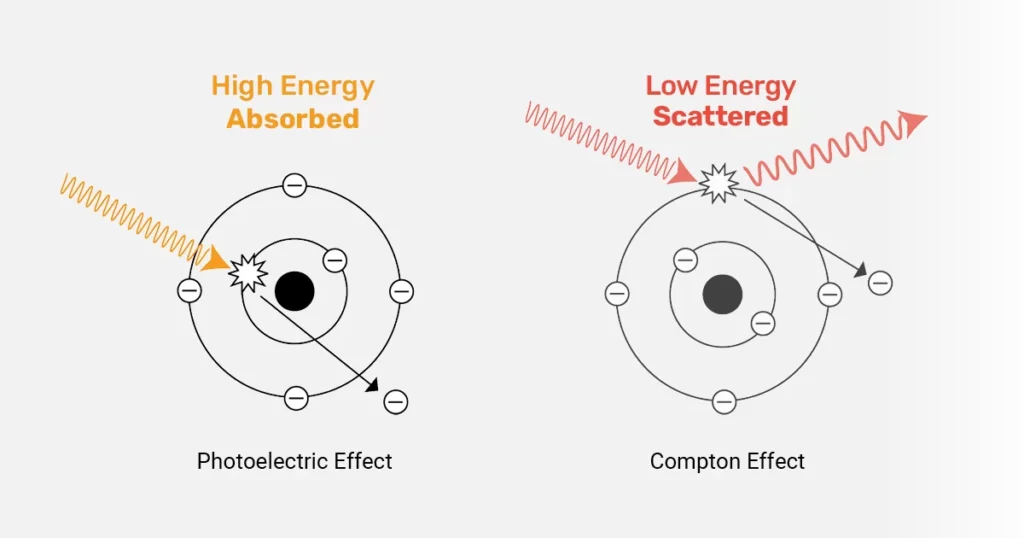
Unlike the direct beam of X-rays aimed at a patient to produce diagnostic images, scatter radiation occurs when those X-rays interact with tissues and deflect in multiple directions. This scattered energy can degrade image quality and, more importantly, expose nearby medical personnel to harmful radiation over time.
 Two key physical phenomena contribute to this:
The Hidden Health Risks
The dangers of scatter radiation are well-documented. In high-exposure environments like the Cardiac Catheterization Lab, staff are routinely exposed to radiation levels equivalent to thousands of chest X-rays over a career. Studies show:
Why Conventional Protection Isn’t Enough
Lead aprons are a critical first line of defense, protecting vital organs from radiation exposure. But they don’t cover everything. In high-exposure environments like the Cath Lab, areas such as the head, neck, arms, and hands remain vulnerable, especially during procedures that require close proximity to the radiation source.
Even with proper shielding, scatter radiation can reach exposed areas from angles that aprons and traditional barriers don’t block.
The Solution: INFAB’s Scatter Armor
To address these challenges, INFAB developed Scatter Armor, a line of protective shields designed to block scatter radiation at its source, providing targeted protection to help close the gap and reduce cumulative exposure for the entire team. At the heart of this innovation is a lead-free, material made from:
This combination offers superior protection across the X-ray spectrum while being lighter and more sustainable than traditional lead. Our Scatter Armor meets or exceeds international safety standards (ASTM, IEC, DIN), ensuring maximum safety without compromise.
Is Scatter Armor Right for Your Team?
Understanding the risks is the first step. Taking action is the next. Download our comprehensive Scatter Radiation Protection Product Guide to explore how Scatter Armor can safeguard your team in high-risk environments.