
In the heart of every hospital lies a dynamic team performing life-saving procedures in the cath lab. From angioplasties to valve repairs, these minimally invasive interventions have revolutionized patient care. But while patients rest on the operating table, a highly skilled team of healthcare professionals works tirelessly under the constant risk of radiation exposure.
The interventional cardiology team is composed of several key players, each with a specific role in ensuring the success of procedures:
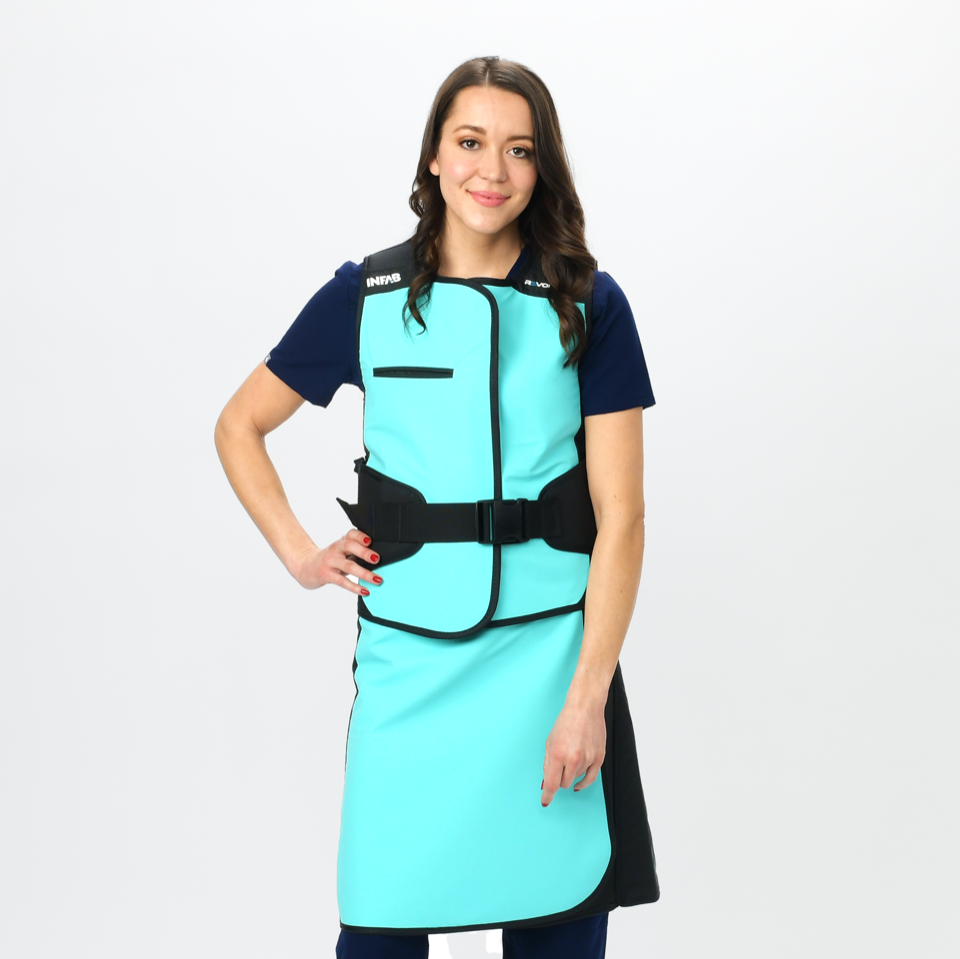
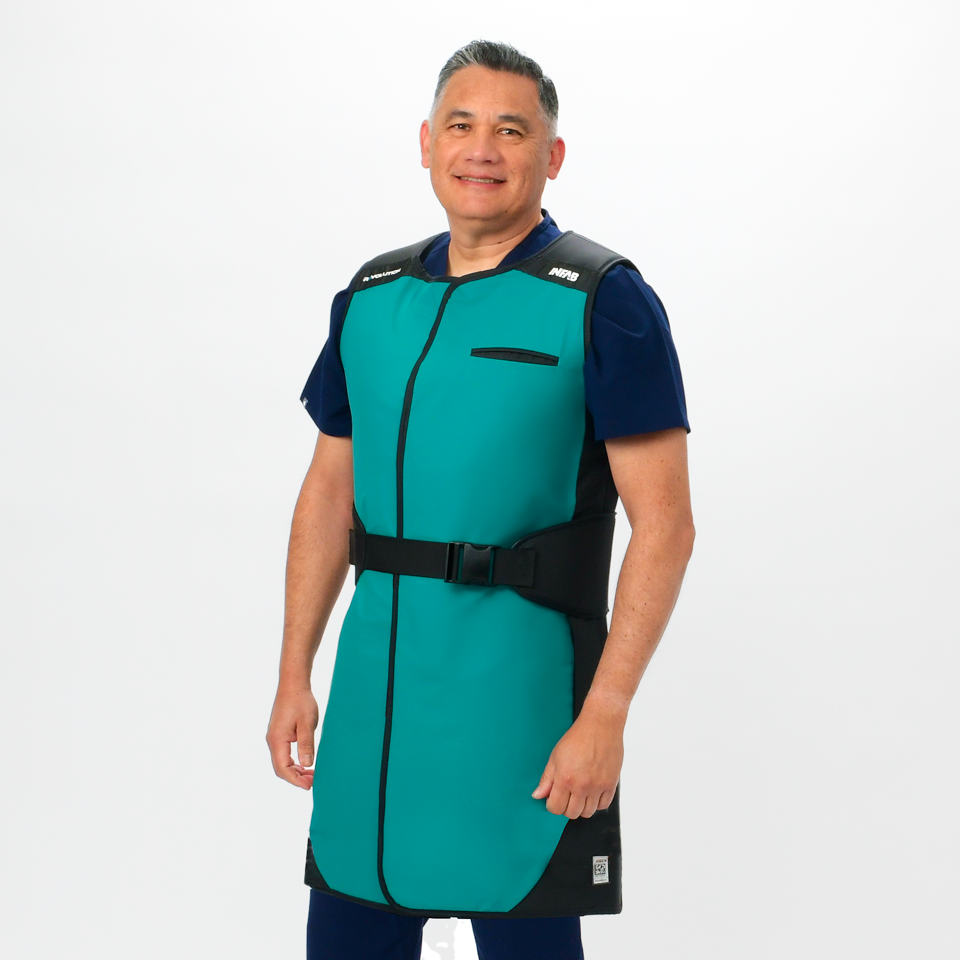
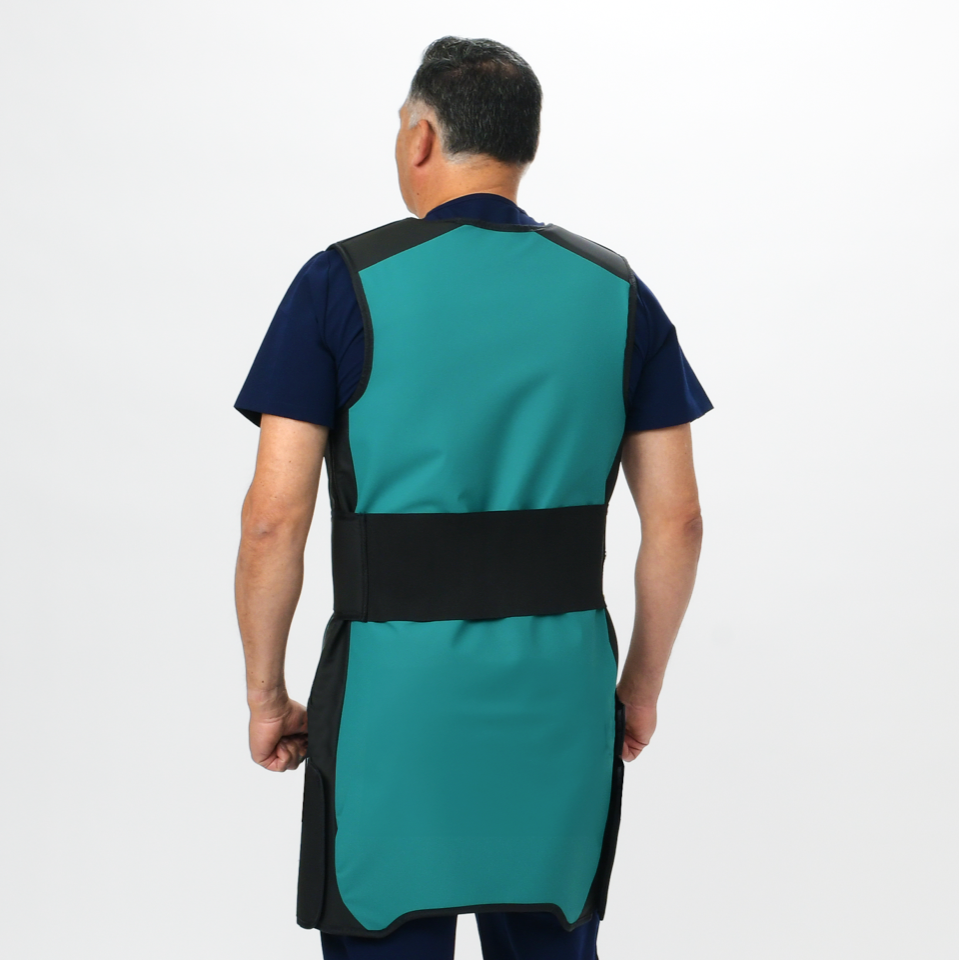
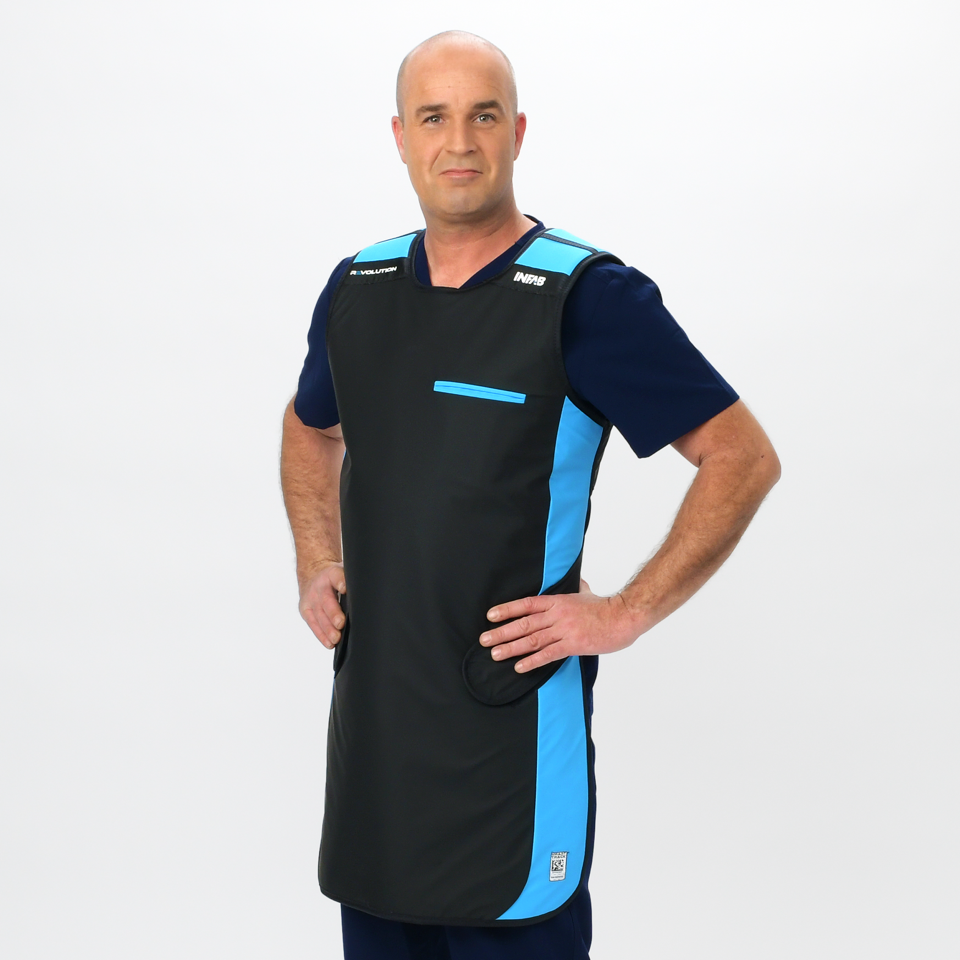
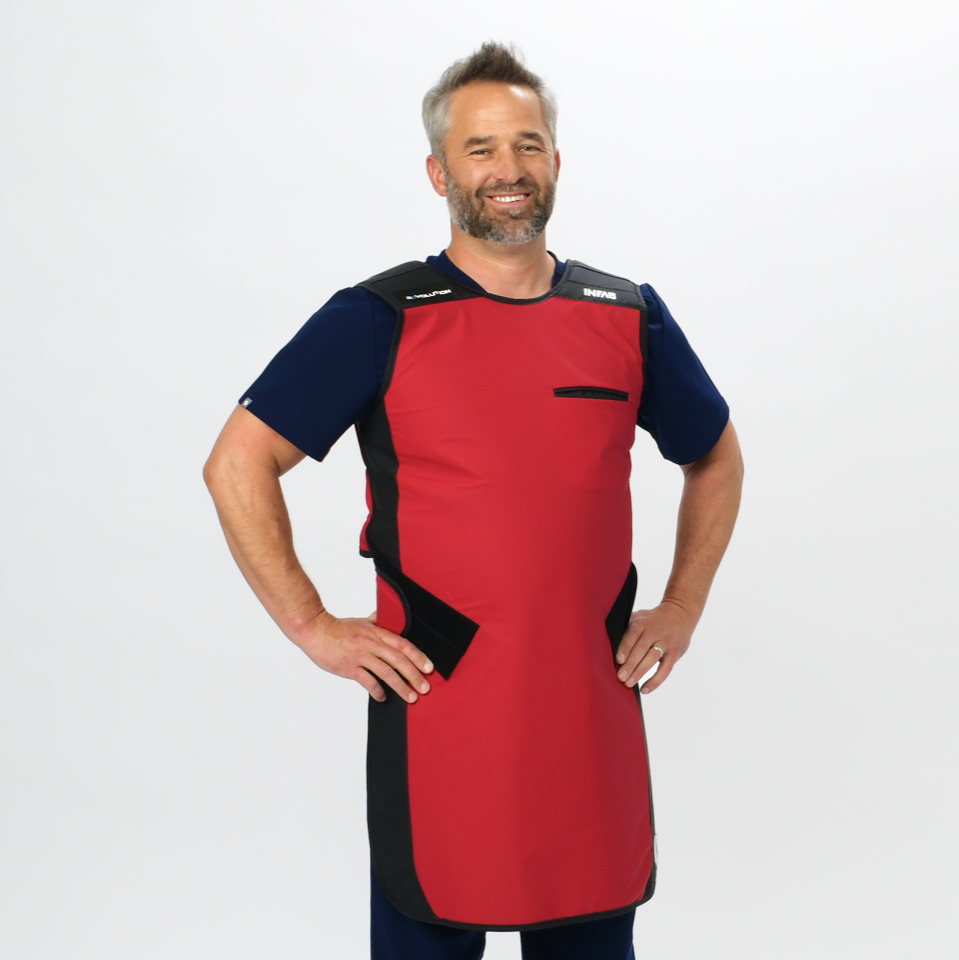
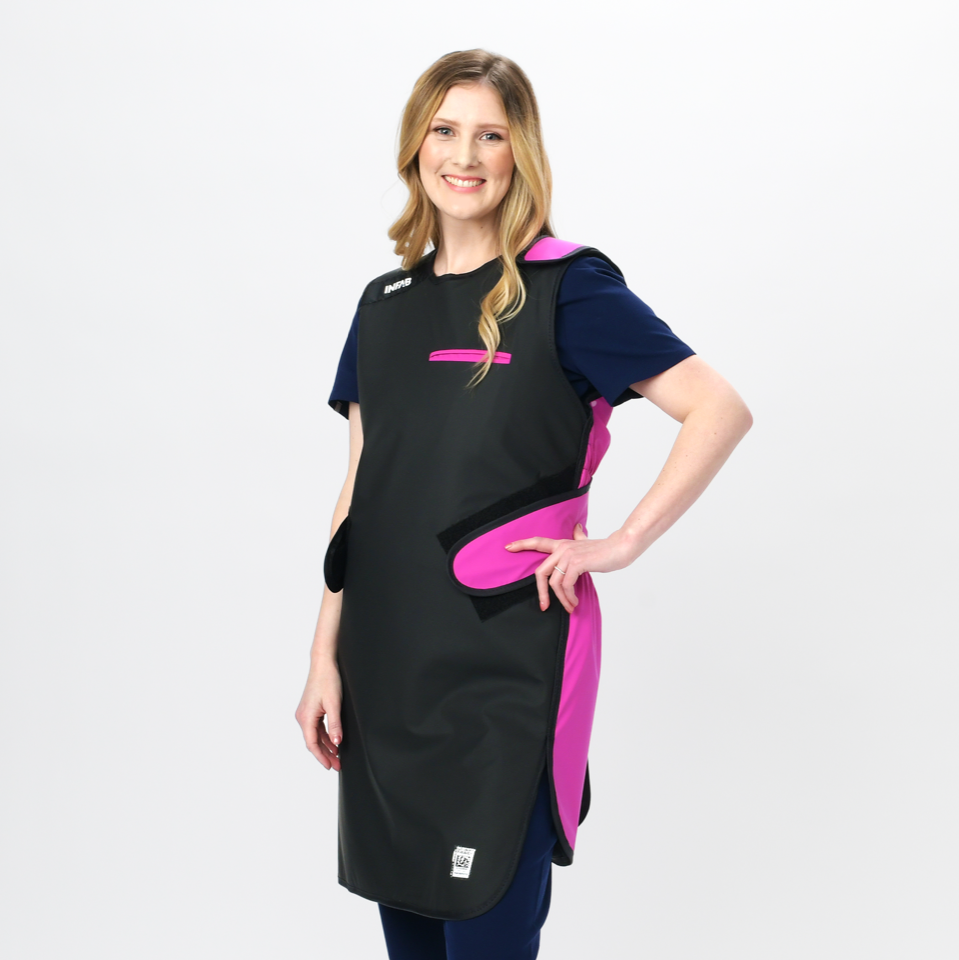
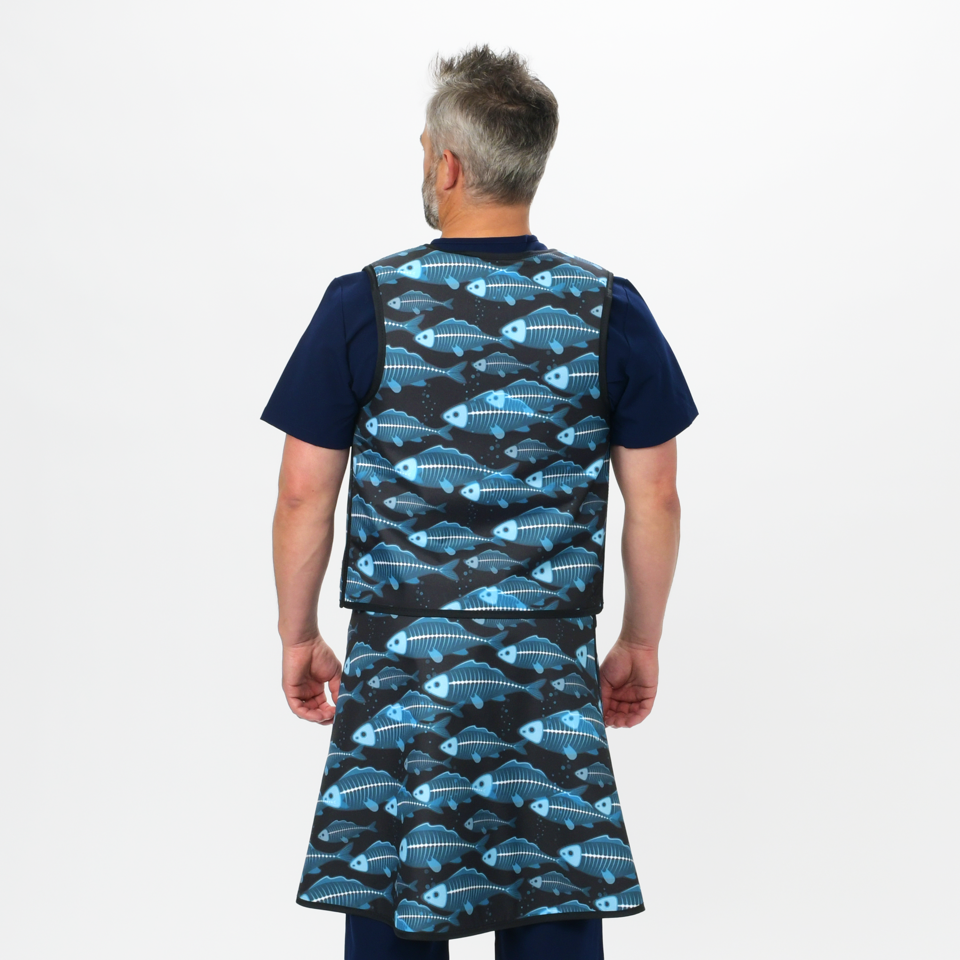
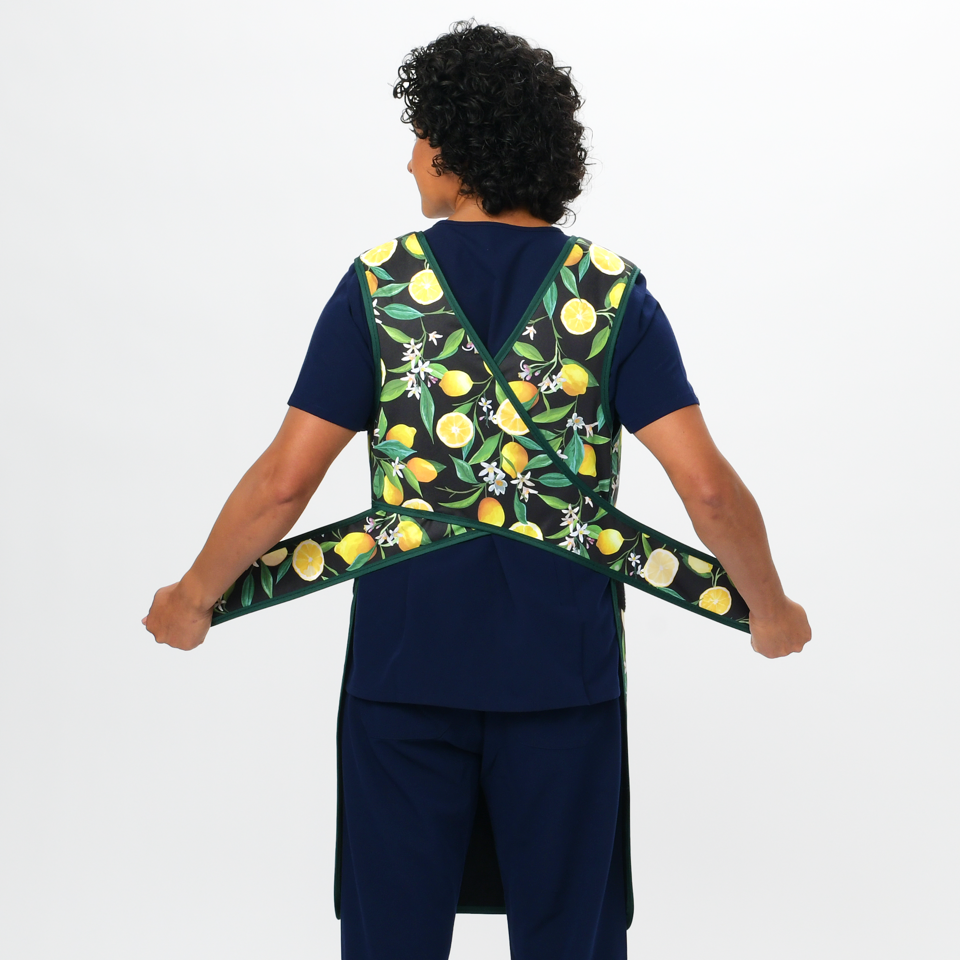
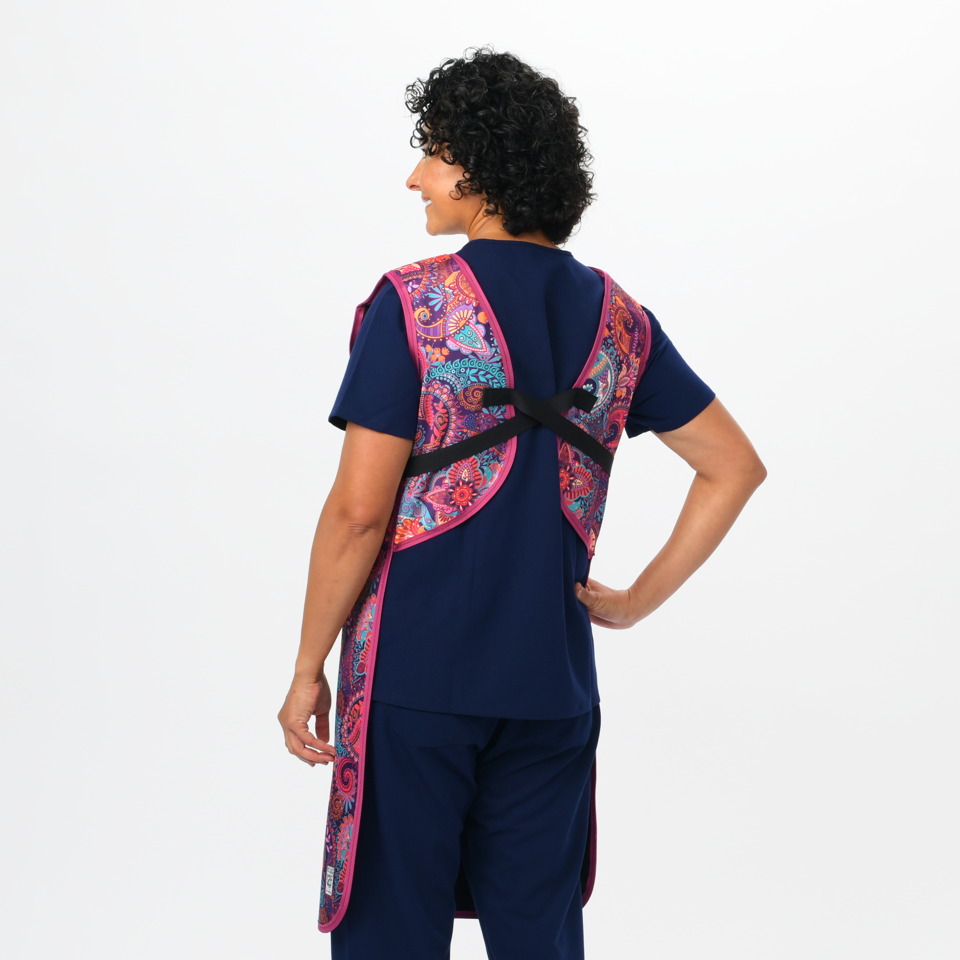
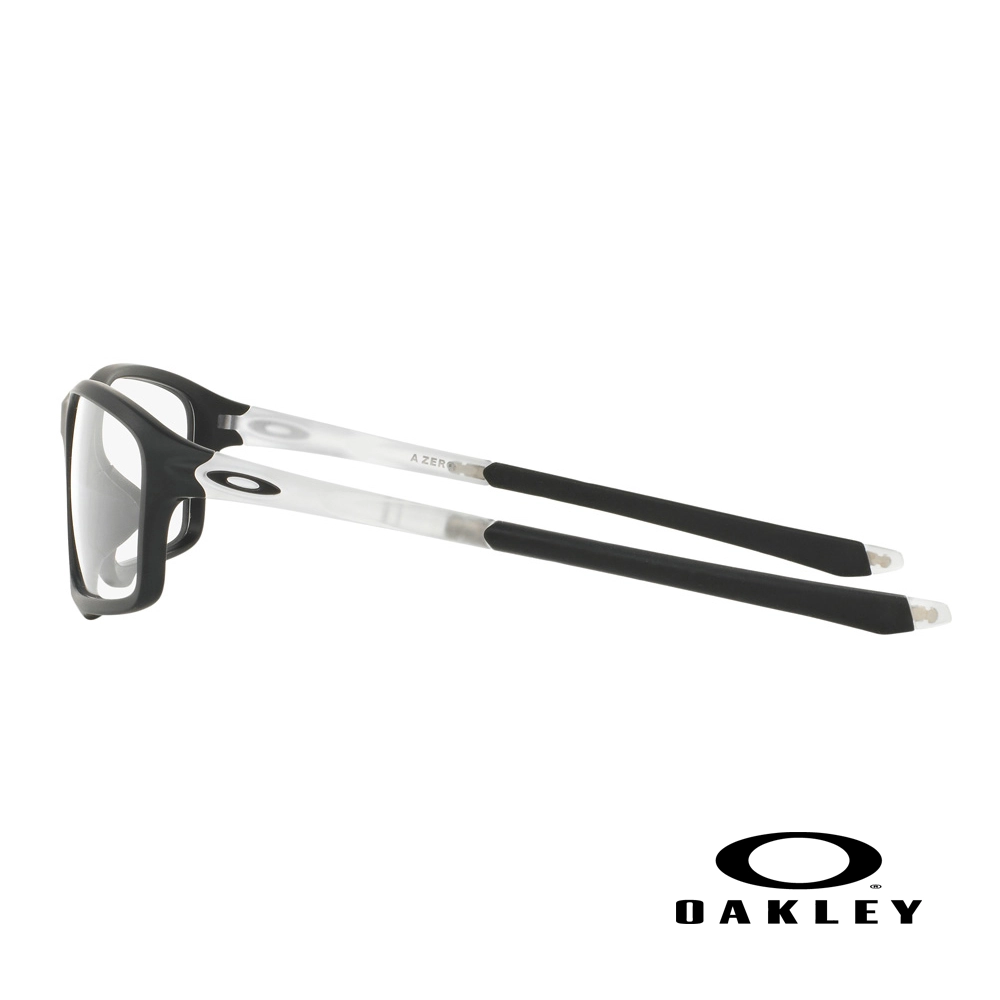
The cath lab is equipped with a variety of tools and protocols to minimize radiation risks. Protective measures include:
Training is also critical. “Interventional echocardiographer and sonographer training programs must incorporate radiation safety into the curriculum,” one expert recommended.1 Regular education ensures that all team members are prepared to protect themselves while performing complex procedures.
Despite advancements in technology and protective measures, significant gaps remain in radiation safety practices. According to the EACVI survey, only 28% of interventional echocardiographers reported receiving periodic training and certification in radioprotection.2 This lack of formal training increases the risk of unsafe practices and highlights the need for standardized, ongoing education.
Additionally, the adoption of real-time dose monitoring systems remains inconsistent. Wider implementation of such technology could significantly reduce exposure risks for all team members.
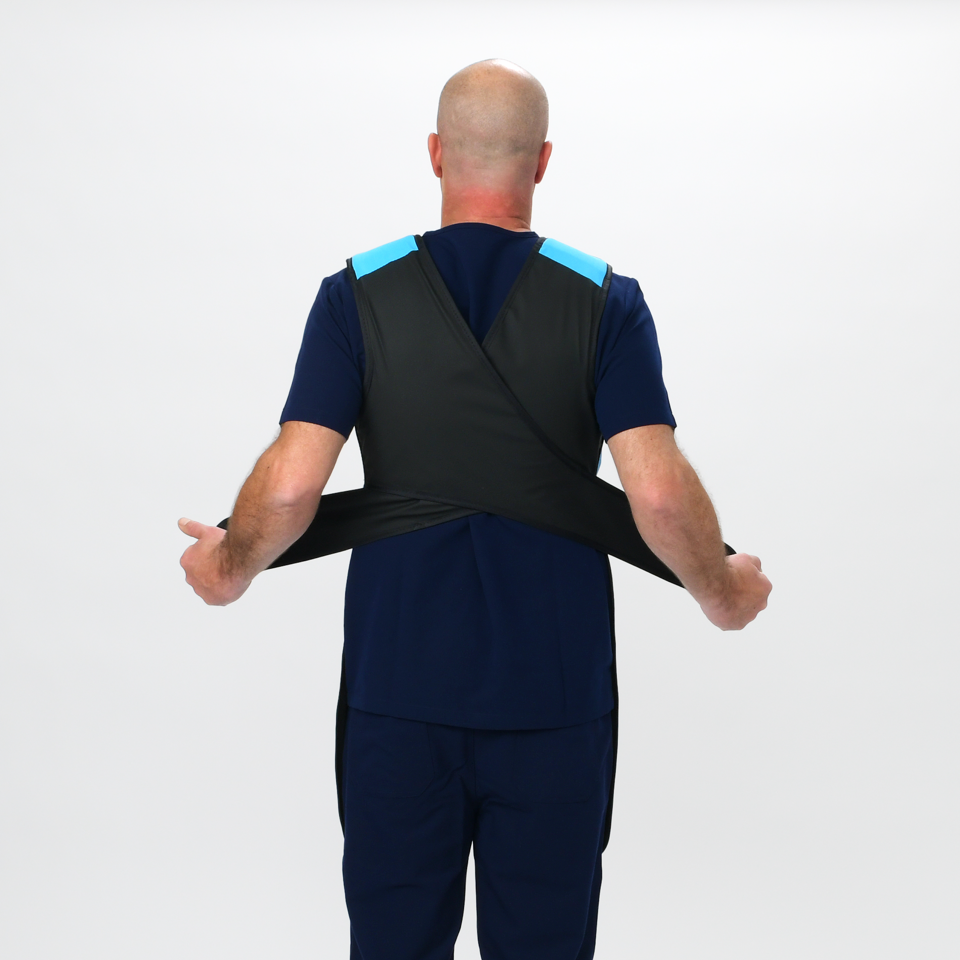
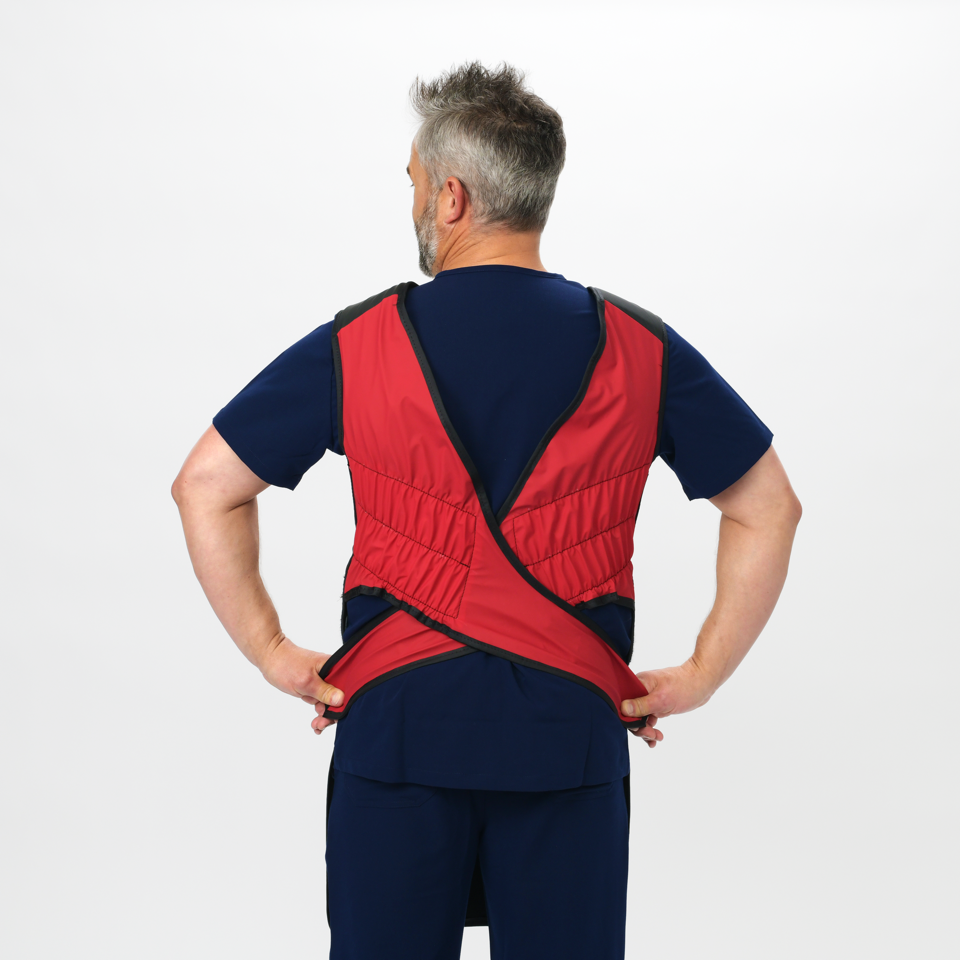
Improved ergonomic design of protective equipment is another area for growth. Many healthcare workers report discomfort and musculoskeletal strain from prolonged use of lead aprons and other PPE.3 Innovations in lightweight, high-protection materials could enhance safety without compromising comfort.
Advances in technology are making the cath lab safer. Modern fluoroscopy systems, real-time dose monitoring, and AI-driven imaging solutions reduce both patient and staff radiation exposure. These innovations allow for precise imaging with minimal risk, ensuring that the team can focus on patient care without compromising their own safety.
Behind every procedure is a coordinated effort from a dedicated team. Each member, from the cardiologist to the anesthesiologist, plays a vital role in the success of the intervention. While radiation exposure is an inherent risk, the shared commitment to safety and innovation keeps the team protected.
Interventional cardiology continues to push the boundaries of modern medicine. As procedures become more advanced, so too must our commitment to the safety of those performing them. By fostering a culture of awareness, leveraging cutting-edge technology, and addressing areas for improvement, we can protect the heroes behind the shield.
At INFAB, our commitment to protecting healthcare professionals drives everything we do. For over forty years, we’ve focused on developing innovative radiation protection solutions that evolve alongside medical procedures. Through continued advances in materials like our lead-free technology and ergonomically designed protective equipment, we work to ensure medical teams can focus on what matters most – providing outstanding patient care.