A recent study published in the Aurum Journal of Health Sciences (Winter 2023) has revealed alarming findings about the impact of ionizing radiation on healthcare workers, particularly those in radiology departments. Conducted in Turkey by researchers from Aydın Adnan Menderes University and Samsun Training and Research Hospital, the study underscores the risks radiation exposure poses to thyroid health. The full study can be accessed here.
Radiation Exposure and Thyroid Damage
The study examined 4,308 healthcare professionals working in radiation-intensive environments and found significant thyroid abnormalities:
- 14.3% had abnormal thyroid gland findings, indicating possible long-term health effects.
- 5.1% had thyroid nodules, which may develop into more serious conditions over time.
- 7.1% exhibited abnormal Thyroid-Stimulating Hormone (TSH) levels, a potential indicator of thyroid dysfunction.
- Women and those with prolonged radiation exposure faced a higher risk of thyroid abnormalities.
These findings raise concerns about the long-term impact of radiation exposure on medical professionals and emphasize the necessity of proper protective measures.
Why the Thyroid is Vulnerable
The thyroid gland is particularly sensitive to ionizing radiation due to its high iodine uptake and active metabolism. Radiation exposure can lead to DNA damage, oxidative stress, and even increase the risk of developing thyroid cancer. The study also suggests that prolonged exposure could contribute to subclinical hypothyroidism, potentially leading to fatigue, weight gain, and other metabolic disruptions.
Protecting Healthcare Workers from Radiation Risks
To minimize the risks associated with occupational radiation exposure, healthcare professionals should take the following protective measures:
1. Wear Proper Radiation Protection Gear
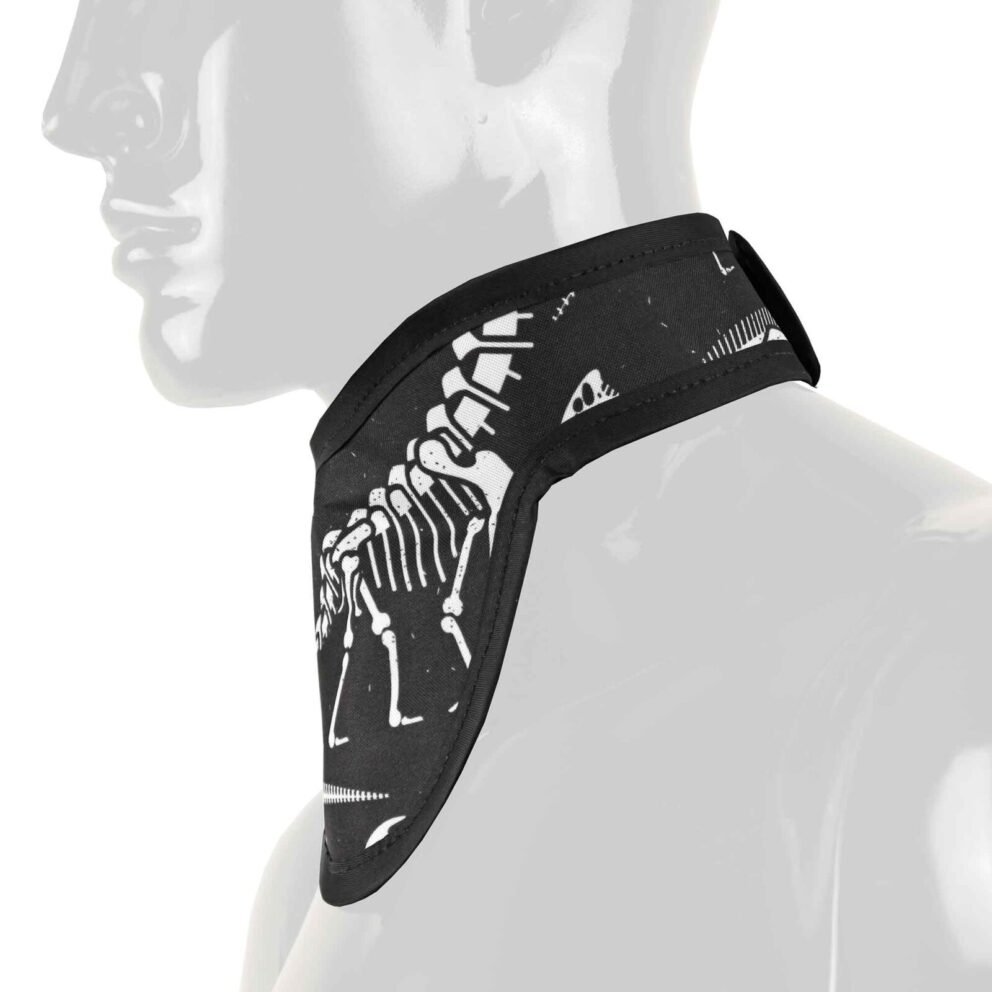
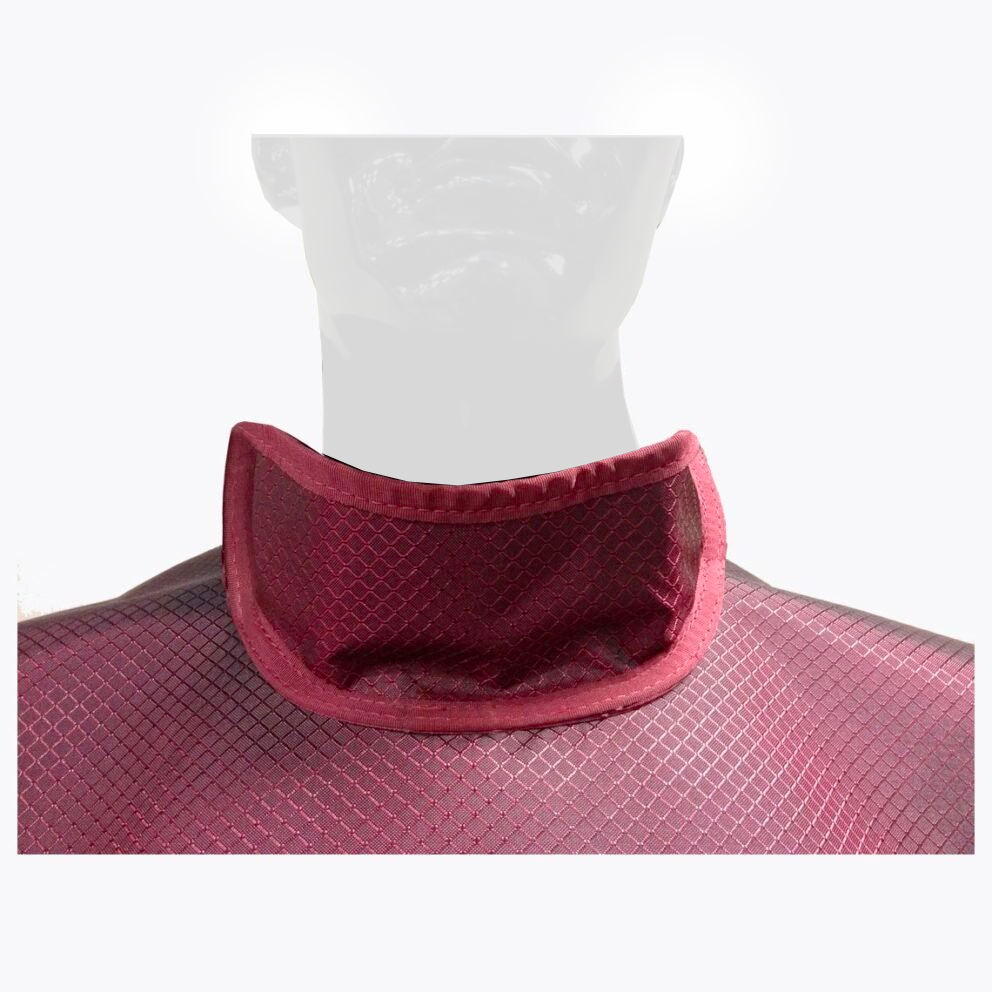
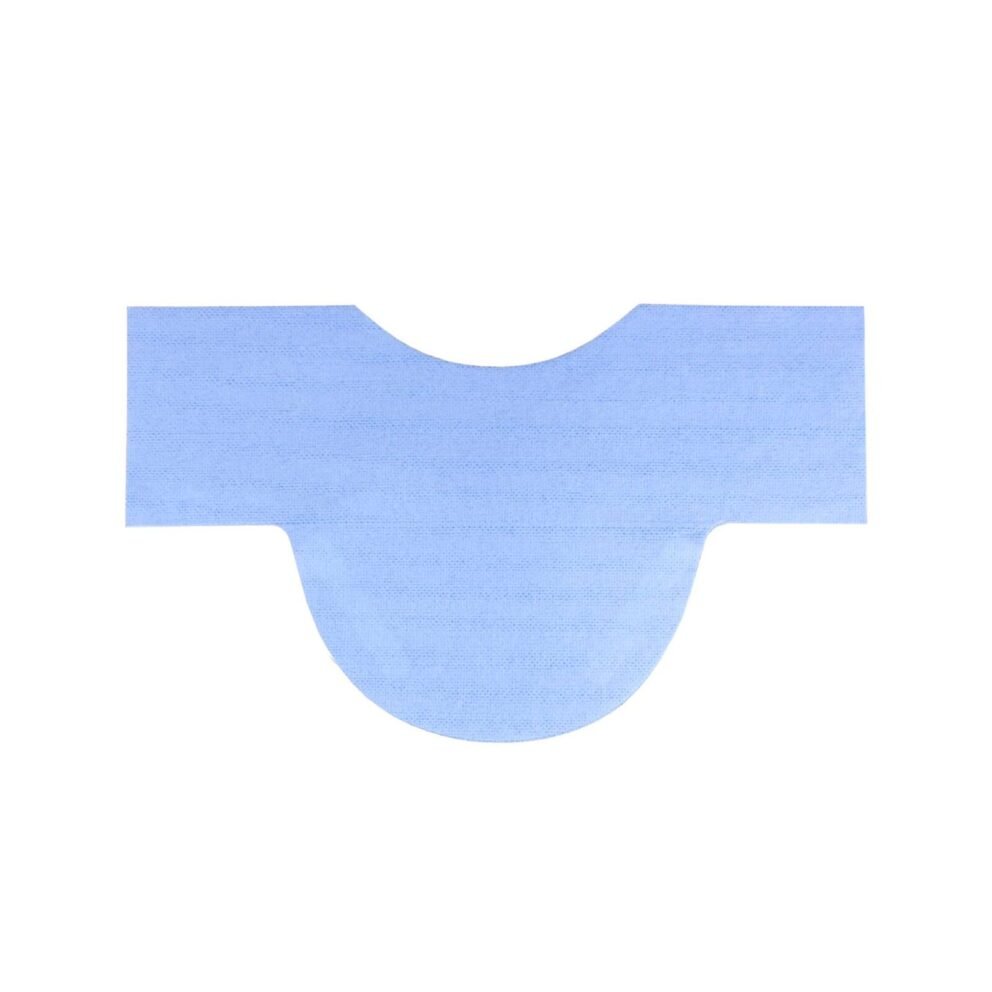
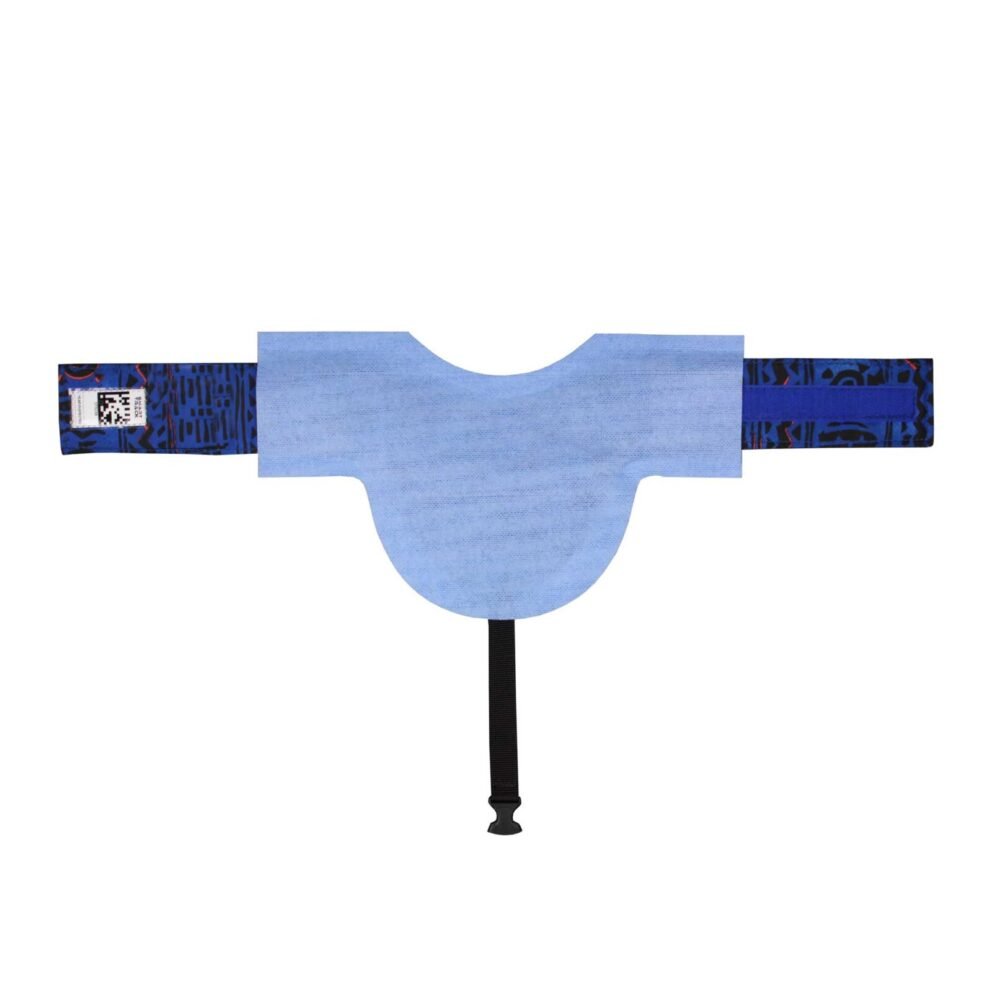
- Lead thyroid shields and collars should be worn at all times during exposure to ionizing radiation to reduce direct exposure.
- Protective aprons with high lead equivalency provide additional shielding.
2. Implement Routine Dosimetric Monitoring
- Regular radiation dose monitoring ensures that healthcare workers remain within safe exposure limits.
- Institutions should provide dosimeters to all staff working in radiation-prone areas.
3. Adhere to ALARA (As Low As Reasonably Achievable) Principles
- Minimize time spent near radiation sources.
- Increase distance from radiation-emitting equipment.
- Use physical barriers, such as lead shields and glass.
4. Undergo Regular Thyroid Function Testing
- Routine TSH, T3, and T4 screenings can help detect thyroid abnormalities at an early stage.
- Workers with prolonged exposure should receive annual checkups.
5. Educate and Train Healthcare Staff on Radiation Safety
- Continuous education on best practices in radiation safety can help reinforce the importance of protective measures.
- Employers should provide training on the latest protective technologies and radiation exposure risks.
Invest in High-Quality Radiation Protection Gear
Ensuring the safety of healthcare professionals working in radiation-intensive environments is crucial. Investing in high-quality protective gear can significantly reduce the risks associated with long-term exposure.
To safeguard your thyroid from radiation exposure, shop for a high-quality thyroid shield here.