
Did you know that your beloved pet’s trip to the vet might involve the same technology doctors use on humans? From dental checkups to investigating tummy troubles, veterinarians rely on X-rays and other imaging technologies to see what’s happening inside your furry friend without invasive procedures.
Just like us, our four-legged companions sometimes need a peek inside to diagnose health issues. Your pet might need an X-ray for many reasons:
Unlike human patients who can be told to “hold still and take a deep breath,” veterinary professionals face some unique challenges:
According to the Australian Radiation Protection and Nuclear Safety Agency, veterinary radiology poses distinctive radiation protection challenges not present in human imaging. The agency notes that “using portable X-ray devices to image large, mobile animals gives rise to potential occupational exposures and challenges that are unique to veterinary workers” 1.
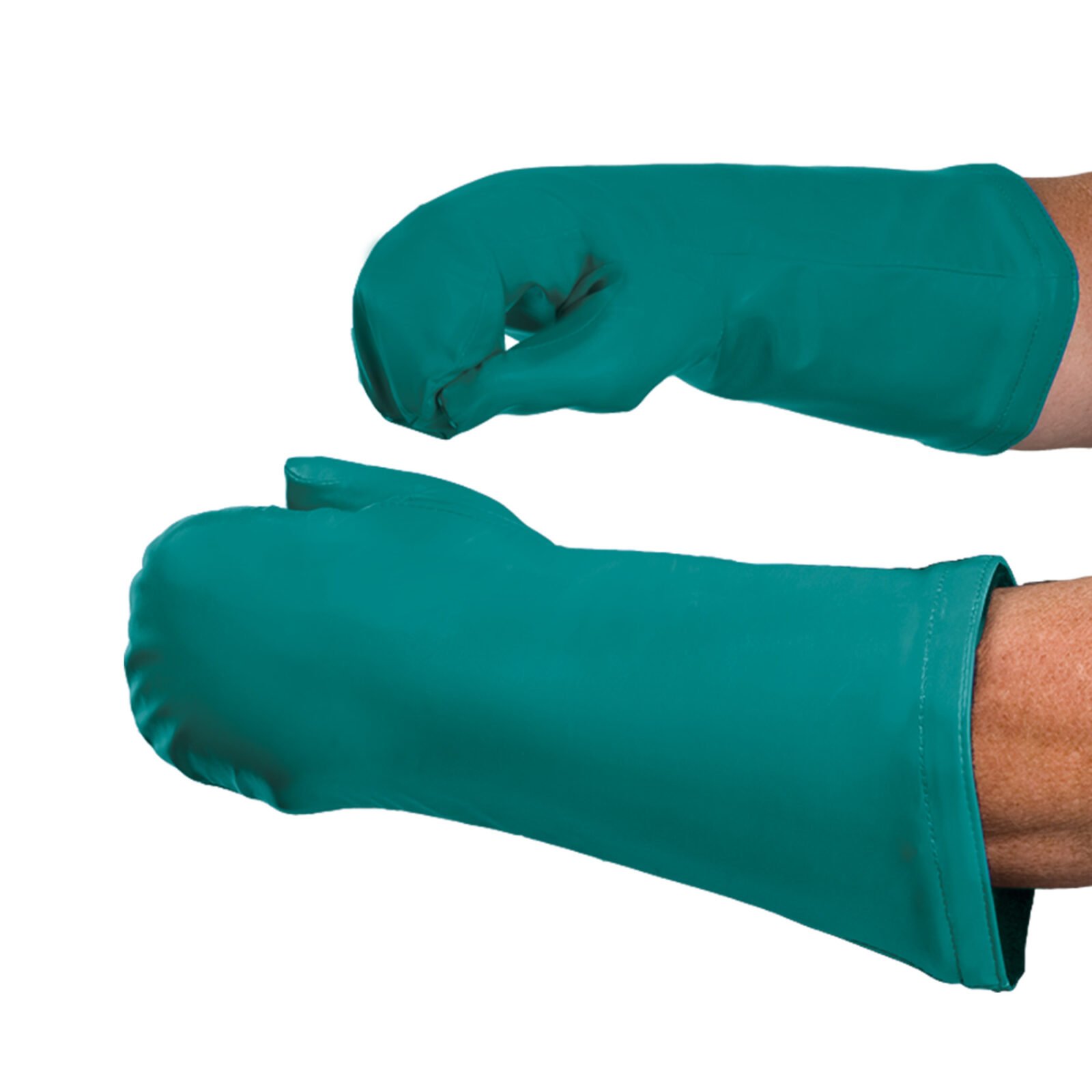
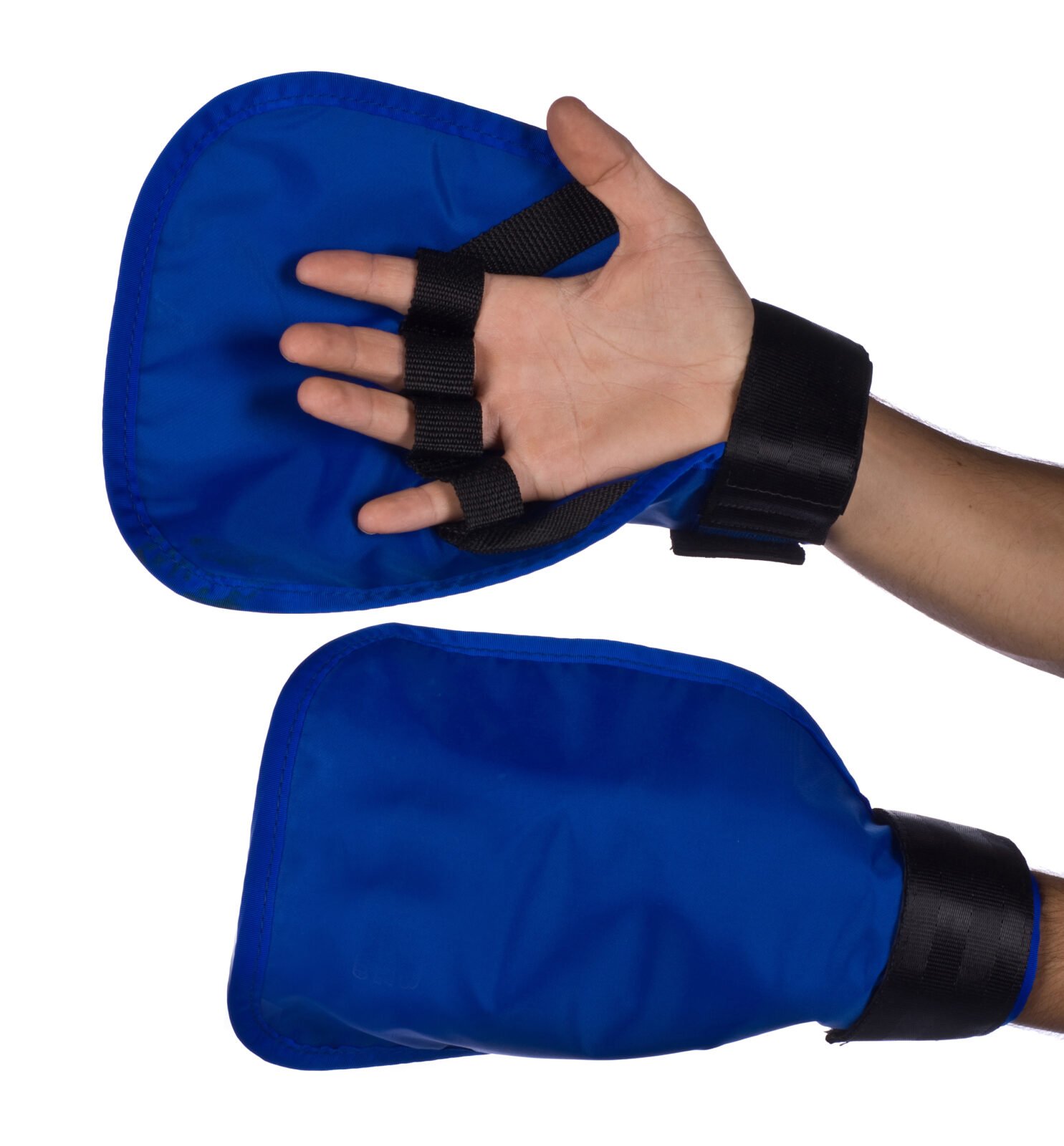
Veterinarians often need to work with patients who can’t follow directions or hold a position. This sometimes means team members need to be in the room during X-rays, carefully holding animals in the right position while wearing protective gear.
Large animal vets face even greater challenges, often using portable X-ray equipment in barns or stables. Imagine trying to position an X-ray machine around a horse’s leg while keeping everyone safe!
Modern veterinary practices don’t stop at basic X-rays. Many specialty clinics now offer:
A 2023 study published by the MSPCA-Angell Veterinary Hospital emphasized that while medical X-ray use has greatly improved diagnostic capabilities, it’s crucial that all veterinary personnel employ appropriate techniques to minimize radiation exposure. The study highlights the “three factors in minimizing radiation exposure: Time, Distance, and Shielding” as the cornerstone of radiation safety in veterinary settings 2.
Recent CDC guidance updated in August 2024 specifically identifies ionizing radiation as “a known reproductive hazard” linked to potential birth defects and other reproductive health concerns among veterinary workers, underscoring the importance of proper protection 3.
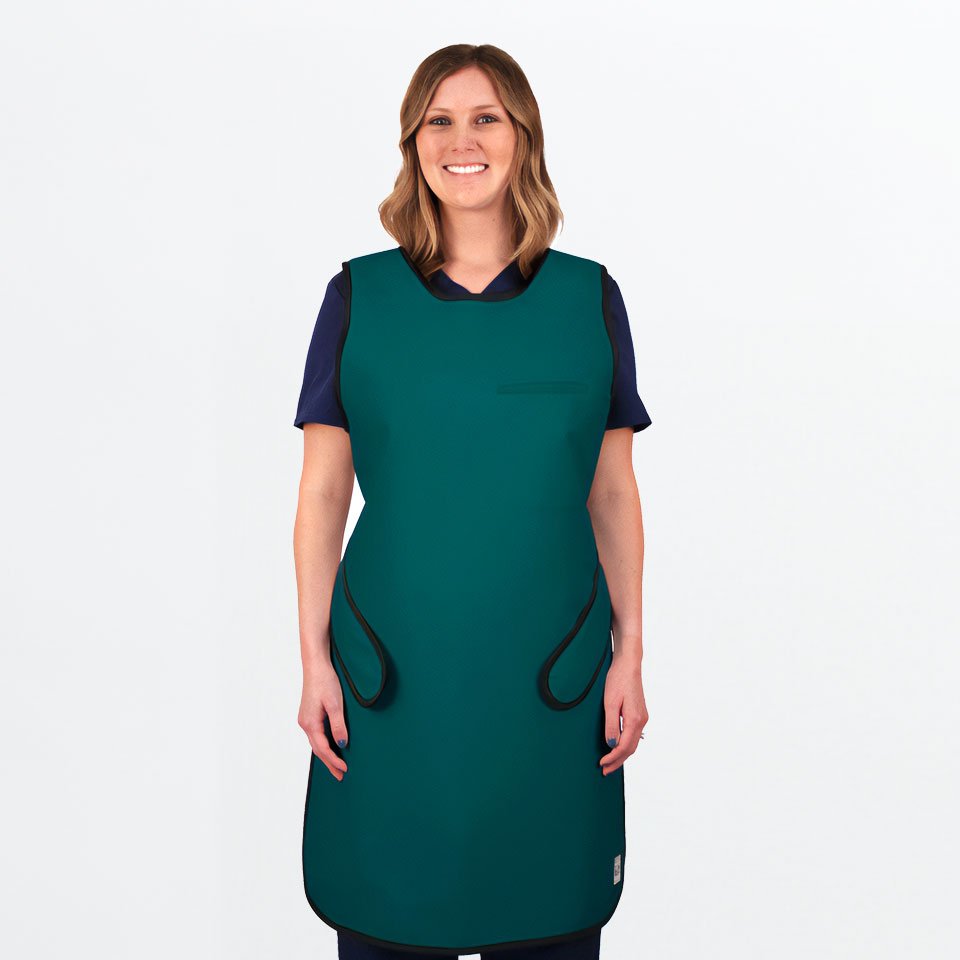
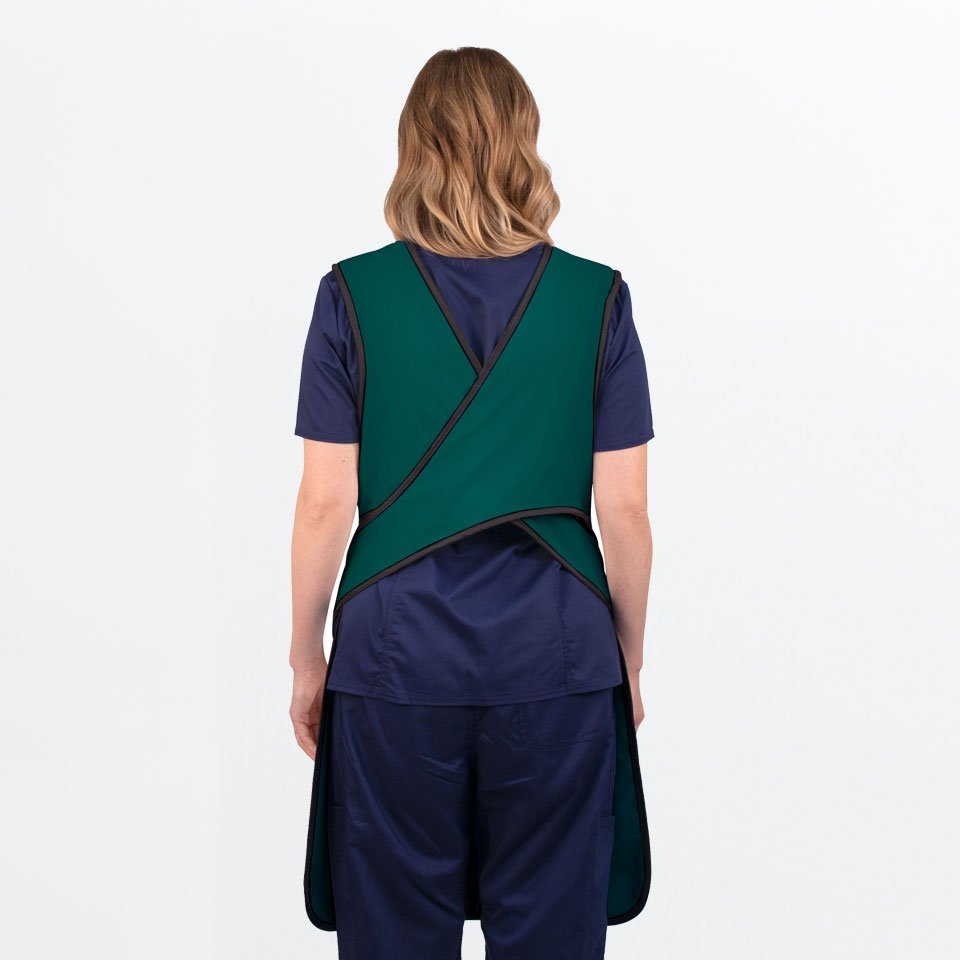
This is where INFAB comes in. For over 40 years, INFAB has been at the forefront of radiation protection, creating comfortable, effective protective gear for healthcare professionals – including veterinarians.
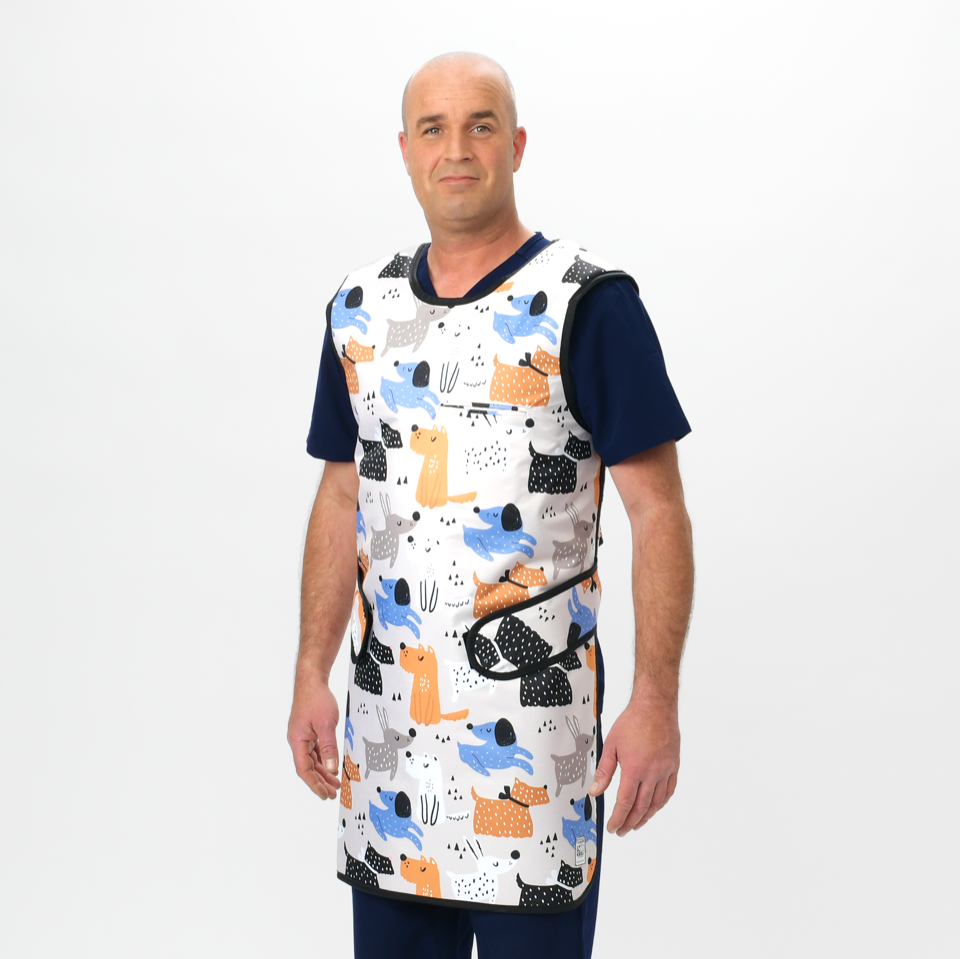
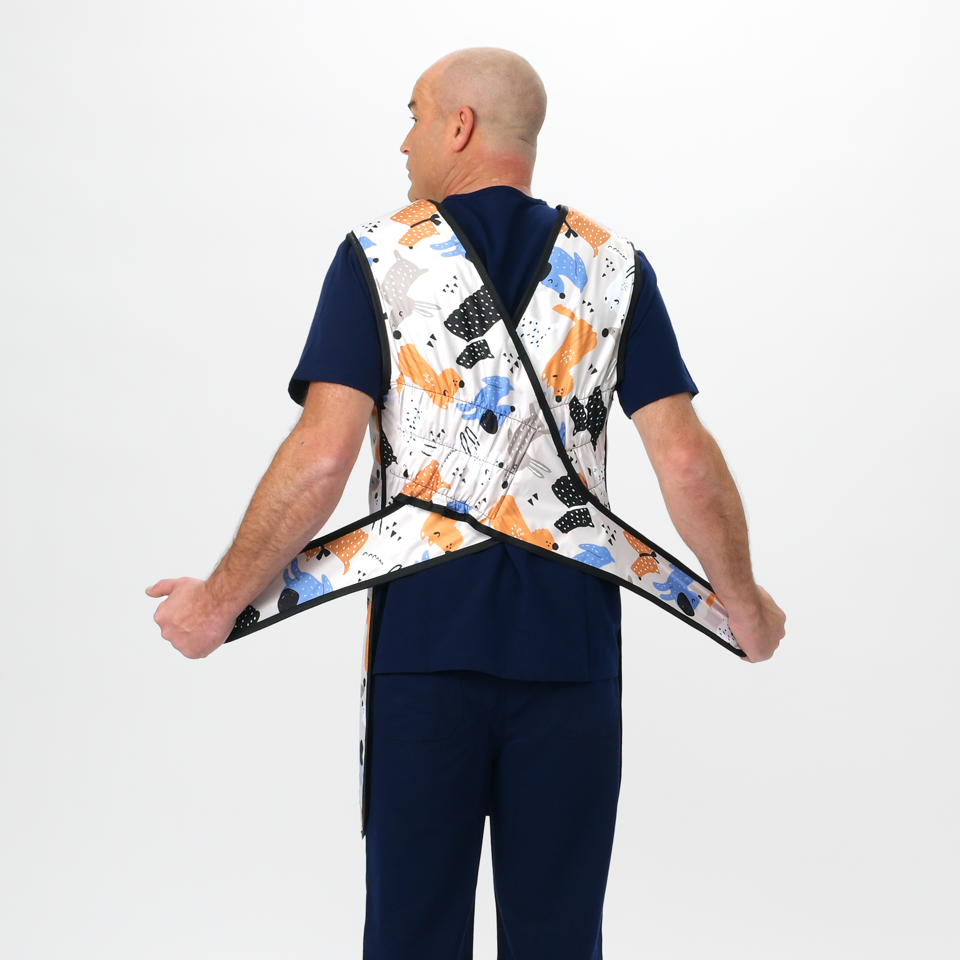
INFAB understands that veterinary work requires flexibility and comfort alongside protection. Their line of stylish, lightweight aprons and thyroid shields are designed with the unique needs of veterinary professionals in mind.
With options like the Revolution Aprons featuring exclusive cool-wear moisture-wicking liners, INFAB ensures veterinarians stay comfortable during long procedures. And with a range of colors and custom patterns available, protection doesn’t have to be boring!
Veterinarians spend their careers keeping our beloved animals healthy and happy. The least we can do is ensure they’re protected while performing these vital services. With companies like INFAB creating specialized protection gear, veterinary professionals can focus on what they do best – caring for our furry, feathered, and scaled family members.
So next time your pet needs an X-ray, you’ll know that behind the scenes, your veterinary team is using specialized equipment and protection to safely see inside your pet and provide the best care possible.
References:
1 ARPANSA. “Occupational exposure: Veterinary workers.” Australian Radiation Protection and Nuclear Safety Agency. https://www.arpansa.gov.au/understanding-radiation/sources-radiation/occupational-exposure/occupational-exposure-veterinary
2 MSPCA-Angell. “Clinical Radiation Safety.” August 24, 2023. https://www.mspca.org/angell_services/clinical-radiation-safety/
3 CDC/NIOSH. “Hazards to Veterinary Medicine and Animal Care Workers.” August 2, 2024. https://www.cdc.gov/niosh/veterinary/about/hazards.html