

Ever wonder how much radiation sneaks around during a cath lab procedure? If you’re a healthcare provider in a cardiac catheterization lab, scatter radiation isn’t just background noise—it’s a risk that builds over time. As heart procedures like stent placements and valve repairs get more complex, this hidden hazard is gaining attention. Let’s break it down, see who’s in its path, and show you a simple way to stay protected.
Picture this: an X-ray beam lights up a patient’s heart during a cath lab procedure. When that beam reaches the patient, some radiation scatters like a spray of tiny energy particles, bouncing around the room. The patient takes the main dose, but anyone nearby—you included—catches this scattered radiation. It’s an invisible part of the job.
If you’re in the cath lab, you’re at risk. Here’s the rundown:
A 2022 study from Cairo University Hospital1 found scatter radiation reaches everyone in the room, not just those nearest the patient. It’s a growing concern, especially with complex cases, and it adds up over a career.
Scatter radiation isn’t just a term—it’s a health risk. Long-term exposure can pack a punch:
With bigger patients and trickier procedures, scatter radiation is climbing. It’s a hurdle for healthcare providers who want to keep doing what they do best—saving lives—without jeopardizing their own health.
Research has answers. A 2017 study2 showed scatter varies by where you stand—stepping back a bit can lower your dose. The Cairo University team1 proved that small adjustments like this make a difference. Smarter moves like these are catching on, and hospitals are prioritizing radiation safety more than ever.
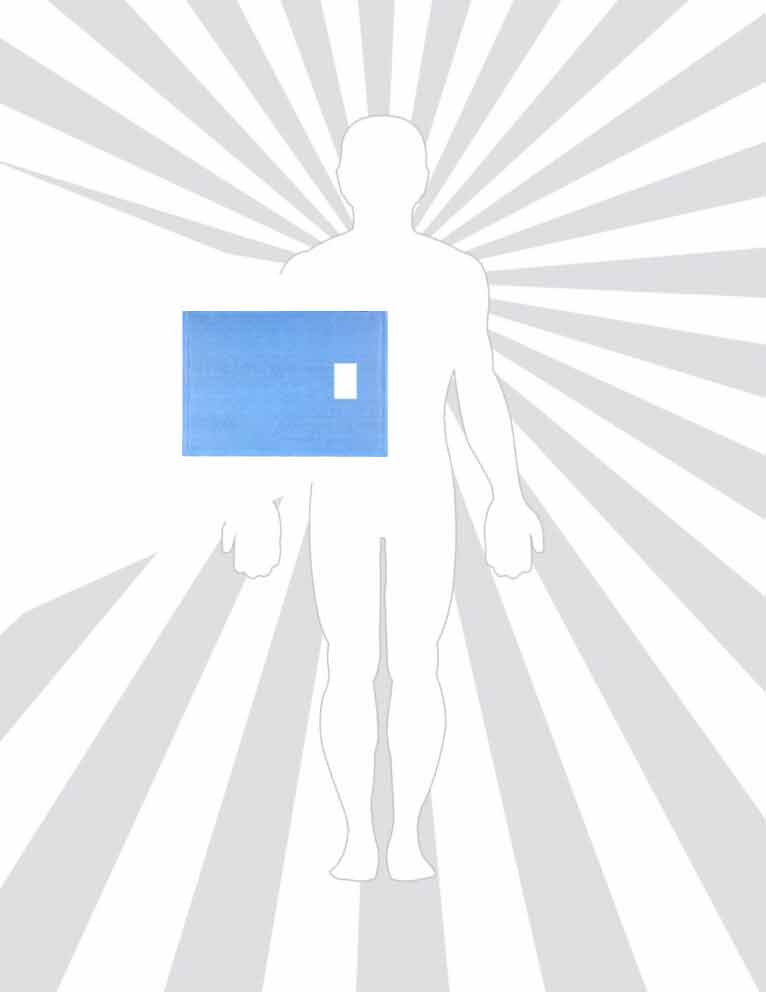
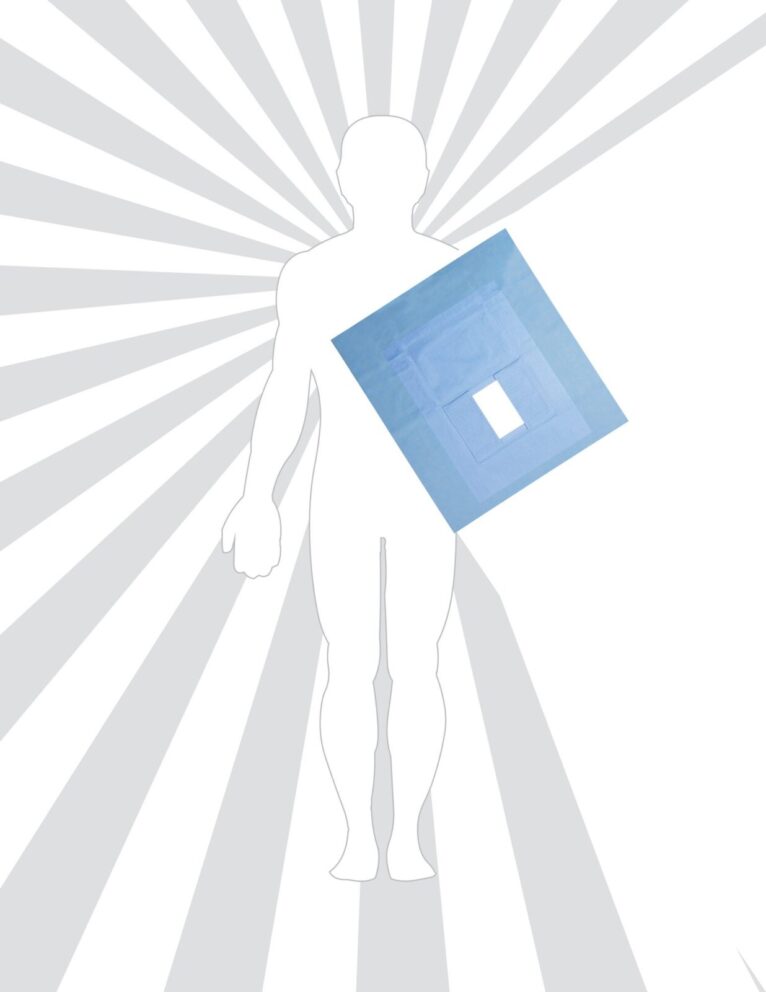
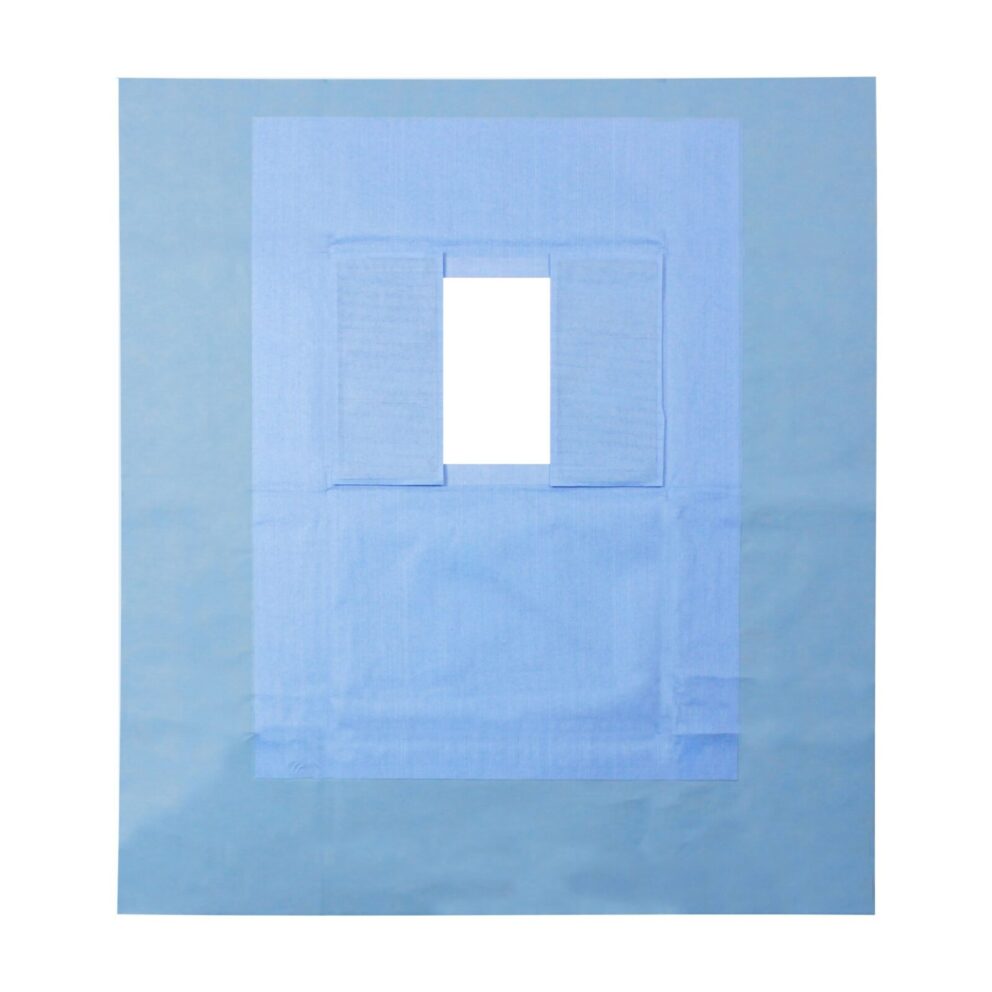
Why wait for change when you can act now? Infab’s Scatter Armor is your cath lab’s easy fix. These shields sit right on the patient, stopping scatter radiation in its tracks. Made with INFAB’s lead-free core material, they’re effective and meet global safety standards. Whether you’re a cardiologist placing a stent, a nurse tweaking monitors, or an anesthesiologist keeping things steady, Scatter Armor has your back—without slowing your roll. Explore our Scatter Radiation Protection lineup and shield your team today.